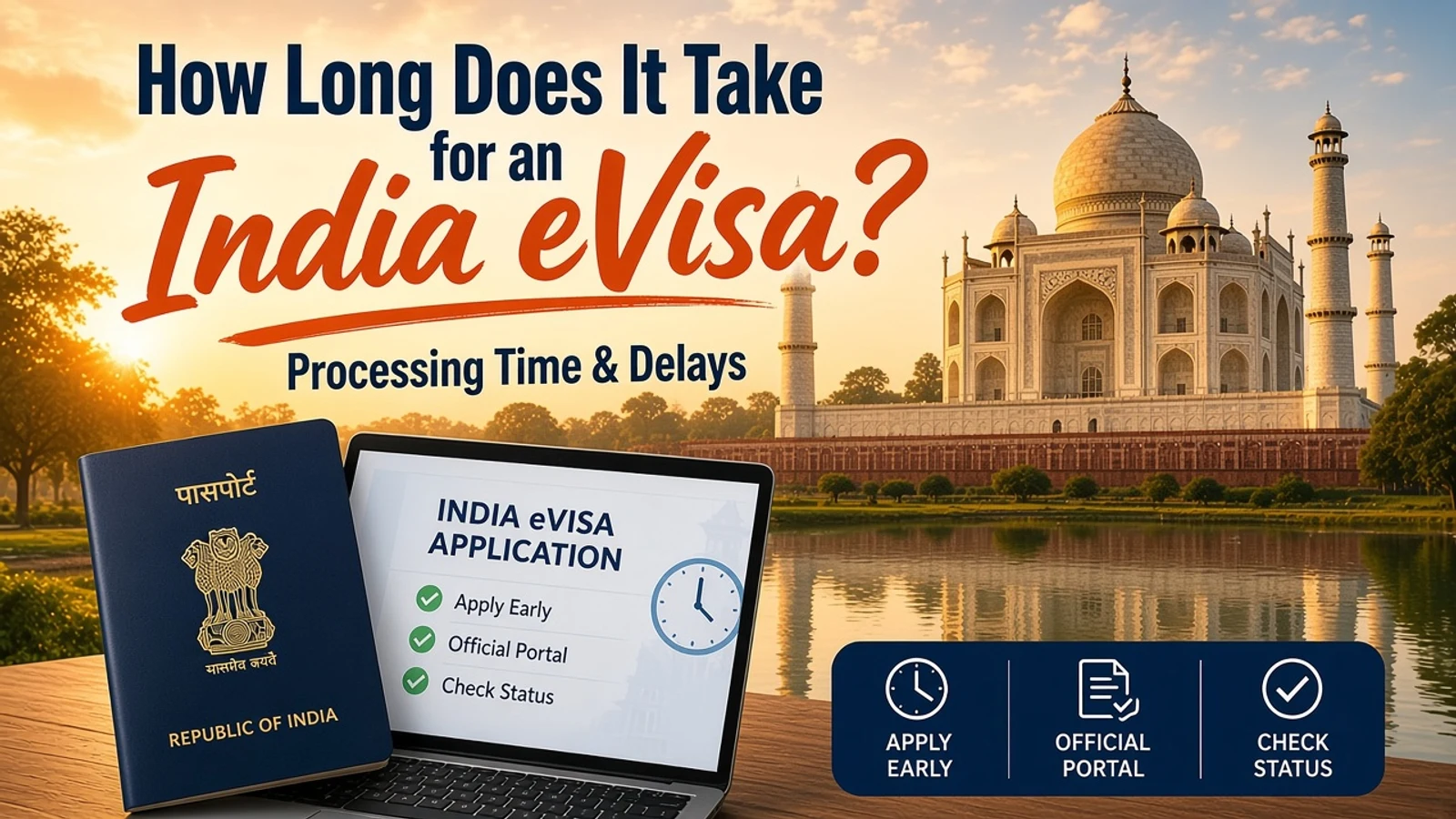
An India eVisa can sometimes be approved quickly, but the safest planning rule is simple: apply early and do not book your trip around same-day approval. Official India eVisa guidance tells eligible travelers to apply at least 4 days before arrival, and some eVisa categories allow applications within a longer advance window. Processing can slow down if your photo, passport scan, payment, nationality, travel purpose, or application details need review.
If your flight is close, check the official portal first, avoid duplicate applications, and confirm that the eVisa category matches your purpose of travel. An approved eVisa is not the same as a right to enter; border officers still check your passport and travel conditions on arrival.
The Short Answer on India eVisa Timing
Most travelers search this question because they have already booked a flight or are about to. The practical answer is that India eVisa timing is not something to push to the last moment.
Some applicants receive approval in a few days. Others wait longer because the file needs extra review or because documents do not meet the required format. The India eVisa system is convenient, but it is still an immigration application, not a travel accessory.
For a low-stress trip, submit the application as soon as your itinerary is stable enough to enter correct travel information.
When You Should Apply
The official India eVisa website states that eligible applicants should apply online at least 4 days before their arrival date. It also lists advance application windows by eVisa type, so check the category that applies to your trip before relying on any general blog answer.
If you are traveling for tourism, business, medical treatment, study, conference activity, or another purpose, choose the category carefully. A tourist eVisa is not a shortcut for work or other regulated activity.
For a broader planning framework, this guide pairs well with our article on how to apply for a digital nomad visa.
What Happens After You Submit
After submission, the system normally sends confirmation to the email address used in the application. Keep that email, payment reference, and application ID somewhere you can access without your laptop.
Do not assume the application is approved just because payment went through. Payment means the application was submitted for processing. Approval comes later, and you need the granted electronic travel authorization before travel.
When the approval arrives, download it, print a copy if practical, and save an offline version on your phone.
Documents That Affect Processing
The most common application documents are a passport bio page and a recent front-facing photograph. Depending on the category, you may need extra documents such as a business card, invitation, hospital letter, conference details, or other supporting evidence.
Your passport scan should be clear, complete, and readable. Your photo should follow the format rules. Blurry images create avoidable risk because the officer reviewing the application cannot confidently match your identity.
If your passport is damaged, nearly expired, or recently replaced, read the instructions carefully before applying.
Common Reasons for Delay
Delays often come from ordinary mistakes: a name entered differently from the passport, wrong passport number, incomplete address, poor photo, unclear scan, failed payment, or selecting the wrong visa category.
Peak travel periods can also add pressure. Public holidays, major events, and high tourist seasons may make timing less predictable.
If your application is pending, avoid submitting multiple applications unless the official portal or support channel tells you to. Duplicate files can make a simple case harder to understand.
Fees and Payment
India eVisa fees vary by nationality and visa category, and they can change. Do not copy a fee amount from an old article. Check the official portal when you apply.
Treat the fee as non-refundable unless the official terms say otherwise. If your application is refused or you enter details incorrectly, paying again may be necessary.
Be careful with unofficial websites that look like government portals. They may charge service fees on top of the official fee and may not add value for a straightforward tourist application.
What to Check Before You Travel
Before your flight, compare the approval document with your passport. Check your full name, passport number, nationality, visa type, number of entries, validity dates, and permitted ports of entry.
India eVisa entry is normally limited to designated airports and seaports. If your route uses a land border or a smaller entry point, confirm eligibility before departure.
This matters especially for longer Asia trips where travelers combine India with Thailand visa planning or Vietnam eVisa routes.
If Your eVisa Is Still Pending
If the application is pending close to departure, first check the official status page using your application ID. Then check your email spam folder, payment status, and whether any update was requested.
Airlines may refuse boarding if you do not have the correct visa or authorization. Do not rely on explaining the situation at the airport.
If the trip is urgent, contact the relevant official support channel or the nearest Indian mission. For non-urgent tourism, changing the flight is sometimes less risky than traveling without approval.
Final Planning Advice
Apply early, use the official portal, upload clean documents, and avoid guessing if your trip purpose does not fit a standard tourist visit.
The India eVisa is useful because it removes embassy visits for many eligible travelers. It does not remove the need to read the rules carefully.
If you are comparing several visa processes for a multi-country itinerary, start with our general checklist on how to apply for a visa for any country.