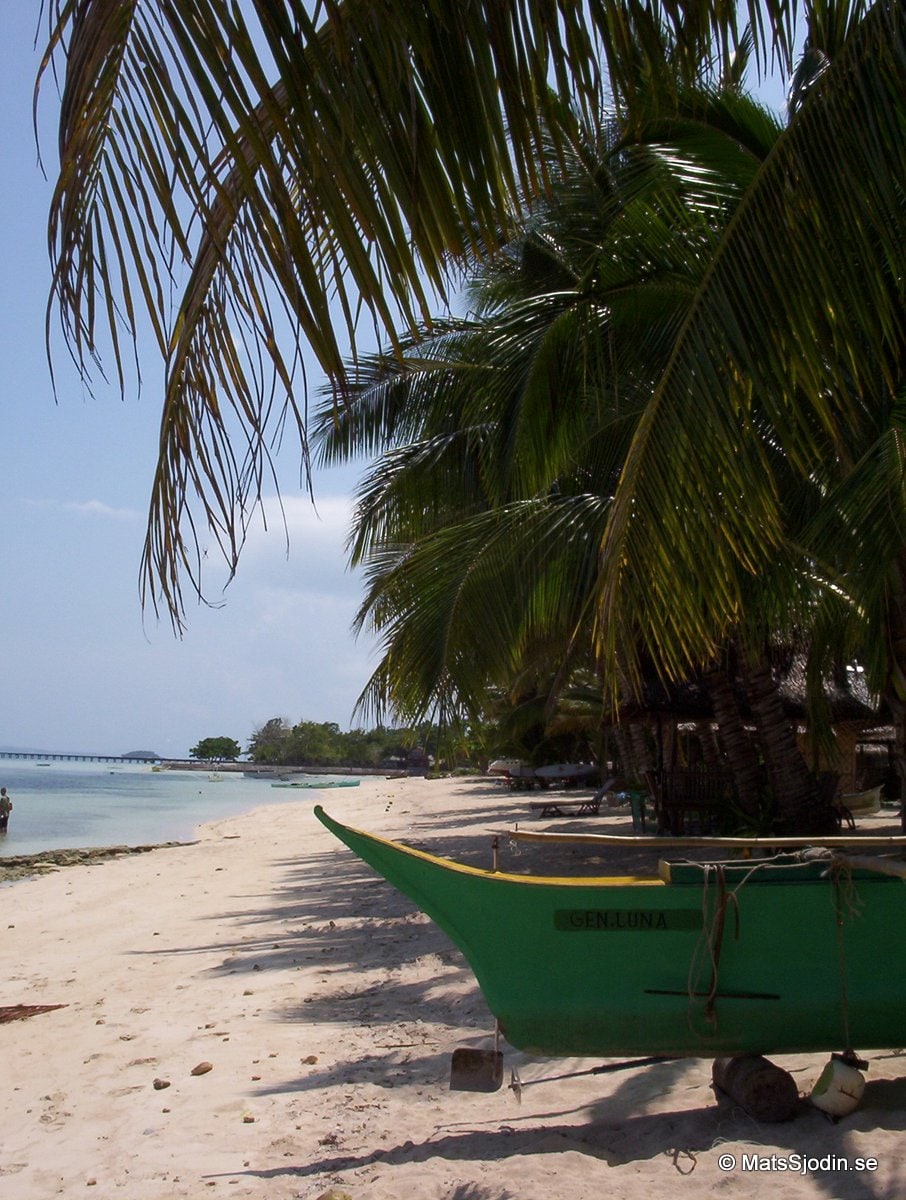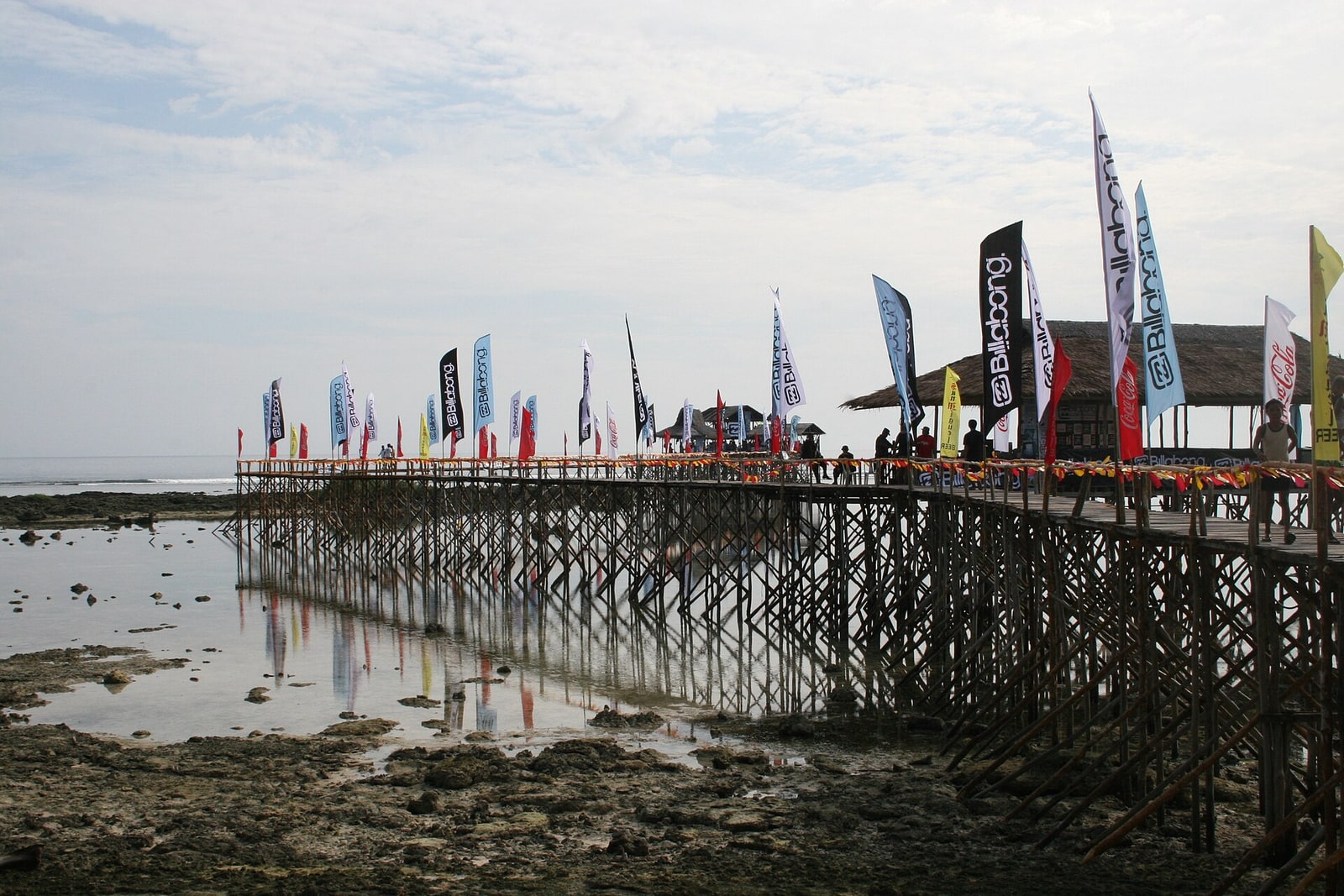
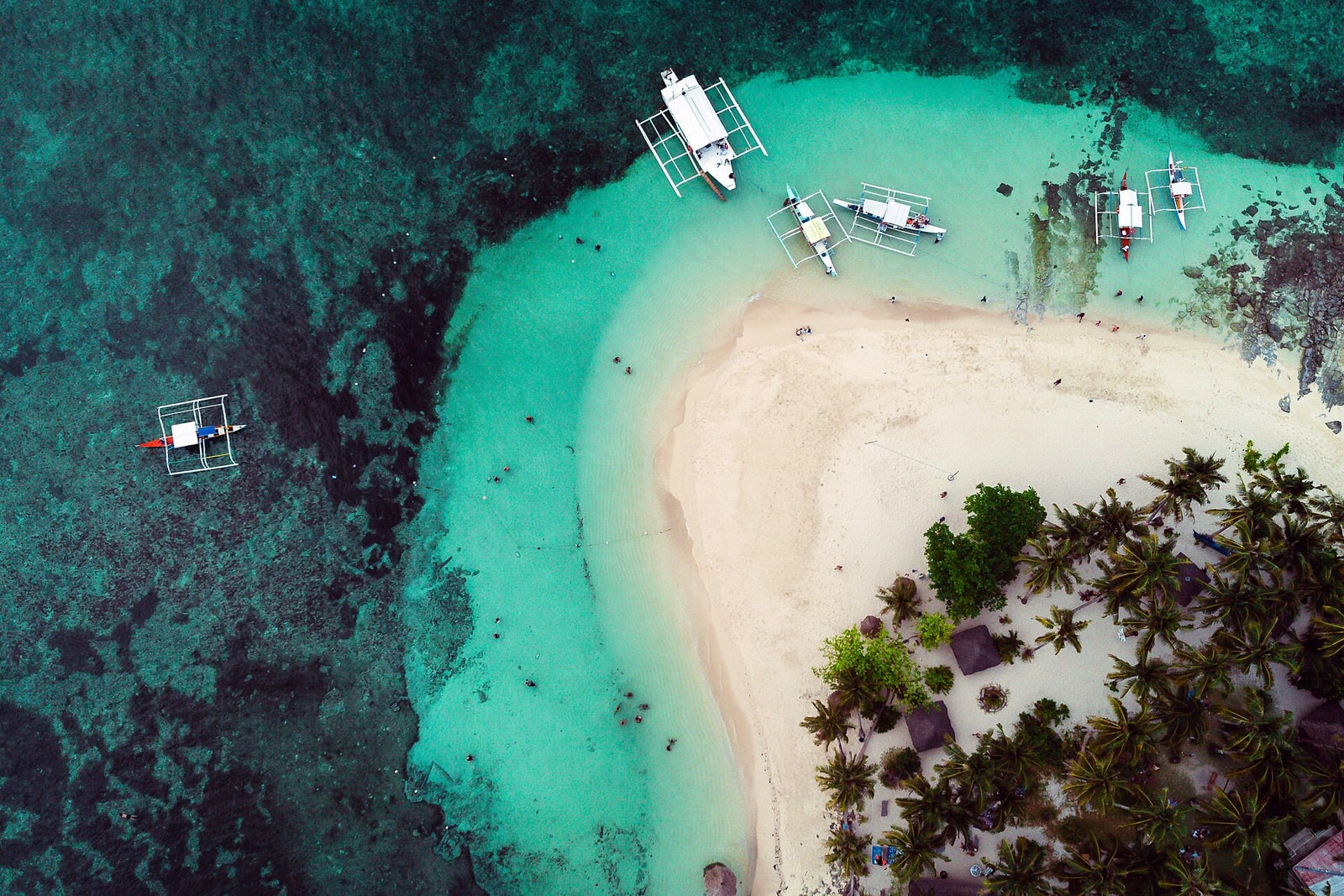
Travelers return to Siargao because the landscape changes constantly without feeling crowded. One day brings a reef break and a busy surf beach, the next a quiet road through coconut palms, a shallow lagoon, or a rock pool that only appears at low tide. The island is small enough to understand, yet varied enough to keep revealing new corners.
The scenery also asks you to move at its pace. Roads bend around rice fields and fishing villages, boats depend on the weather, and the best rock pools cannot be rushed. That combination of beauty and unpredictability is what turns a short surf trip into a longer stay.
What Makes Siargao's Landscape Special?
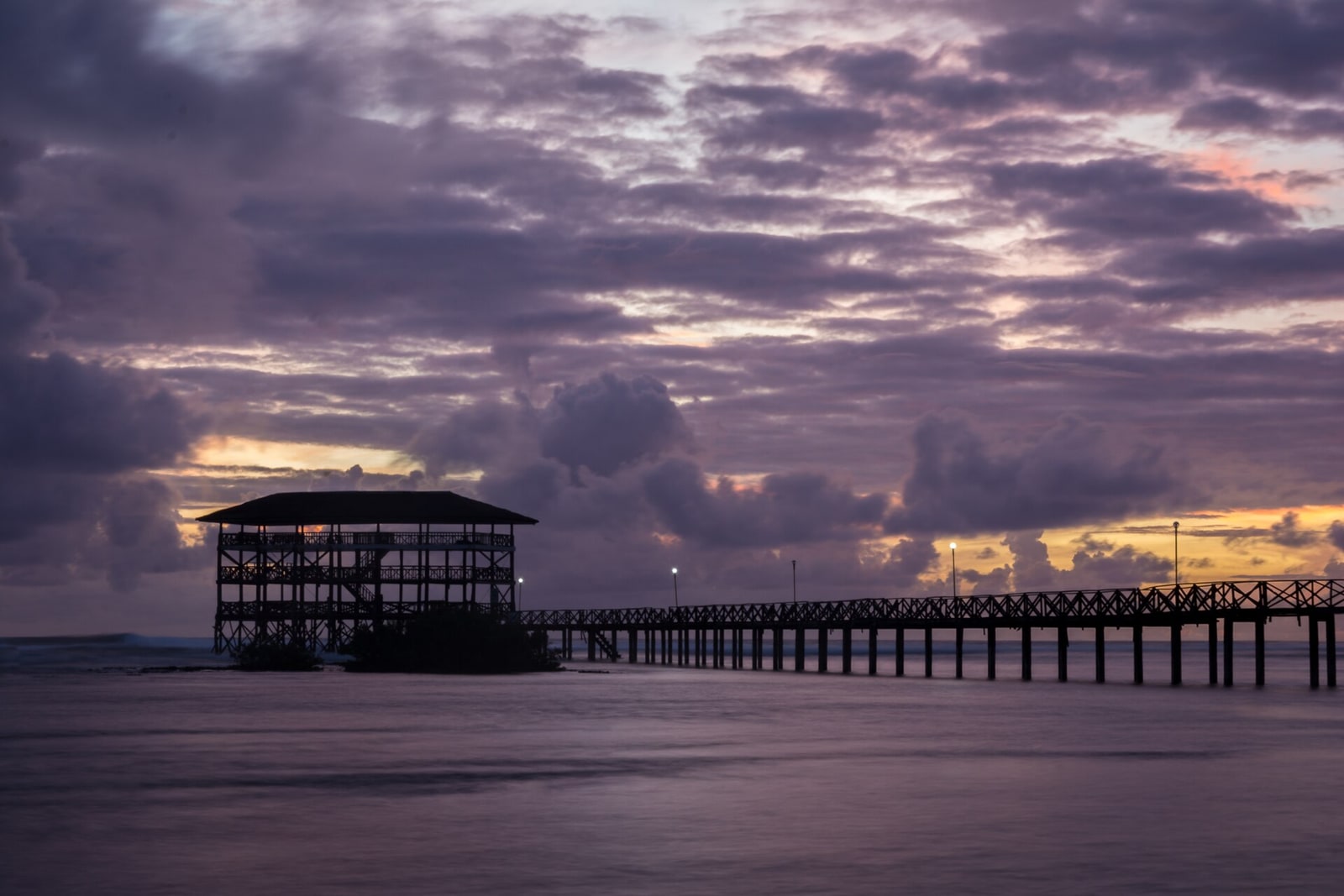
Siargao sits where the Philippine Sea meets a maze of reefs, islands, and mangrove-lined channels. The east coast faces open ocean, creating the swell that made Cloud 9 famous, while the interior is a patchwork of coconut groves, small farms, and warm roads. To the north and west, the water becomes calmer and the horizon opens toward countless small islands.
What makes the landscape feel distinctive is not one single landmark. It is the rhythm between limestone, sand, palms, and tide. You can spend the morning watching waves break over a reef, cross the island for lunch, and finish the day floating in a pool surrounded by jagged rock. The scale stays human. Even the famous places are connected by ordinary village roads, sari-sari stores, and houses shaded by coconut trees.
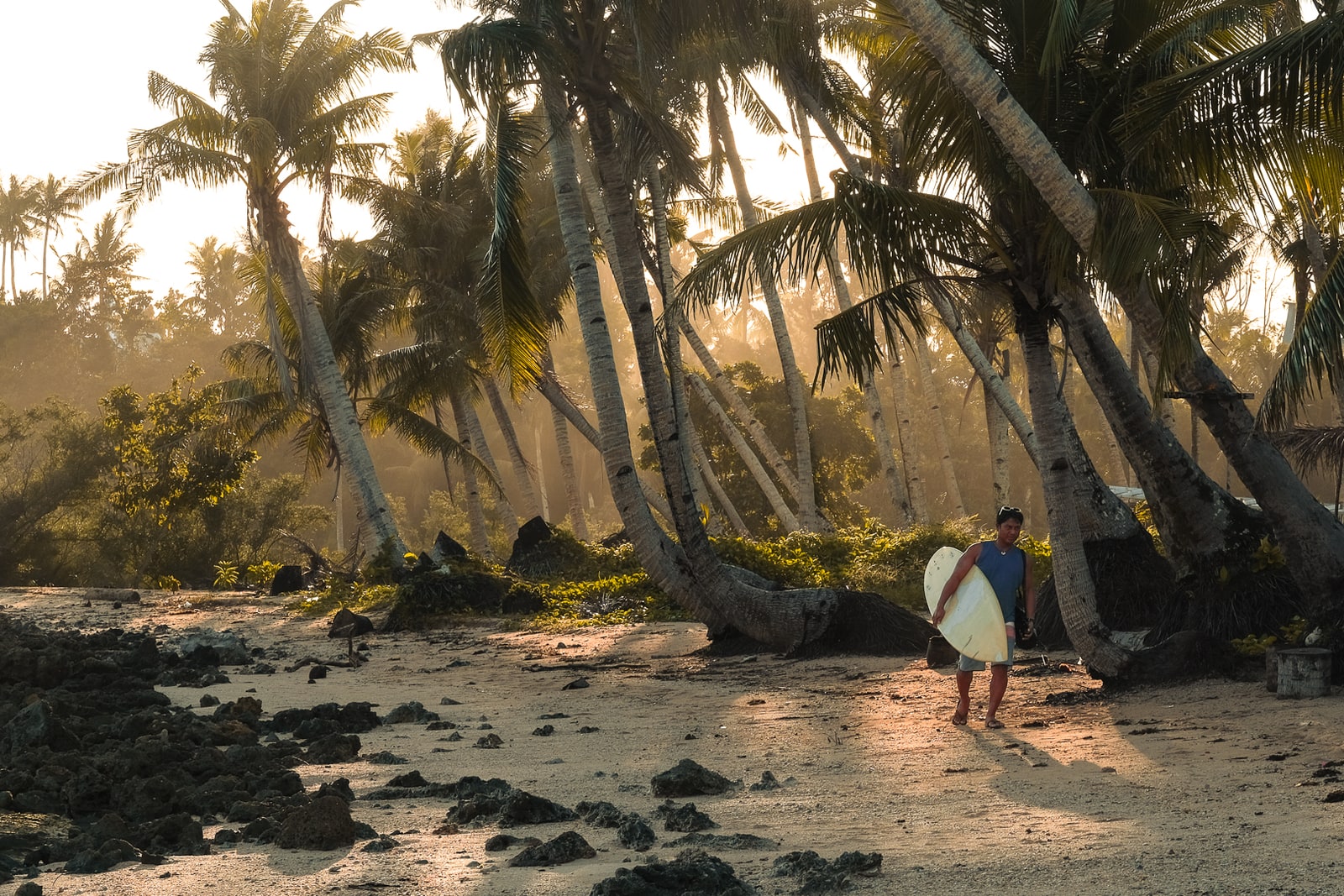
The light adds another layer. Sunrise softens the Pacific side, the middle of the day turns the shallows brilliant, and late afternoon brings long shadows through the palms. Photographers love Siargao, but you do not need a camera to notice how quickly the same road can look completely different as the tide and weather change.
Which Beaches Are Worth Leaving General Luna For?
General Luna is convenient, but some of Siargao's best beach scenery lies farther along the coast. Pacifico Beach, in the north, has a long stretch of sand, a slower village feel, and a surf break that attracts travelers who prefer space over a crowd. The road there passes coconut farms and small communities, so the journey is part of the experience.
Doot Beach, closer to General Luna, is useful for an easy half-day. The beach is not always as dramatic as the northern coast, but it offers shade, calm water on the right tide, and a more relaxed local atmosphere. Malinao and other beaches south of General Luna can also be lovely when the swell is small. Ask locally about currents before swimming, especially when the surf is strong.
The northern beaches reward an early start. Leave General Luna before the heat builds, stop for coffee or fruit on the way, and plan to be back before dark if you are not comfortable riding at night. A beach does not need a famous name to be memorable. Sometimes the best stop is a narrow lane that ends at an empty stretch of sand.
Are the Lagoons and Rock Pools Worth Visiting?
Yes, but they are best treated as tide-dependent experiences rather than guaranteed stops. Magpupungko Rock Pools appear near low tide, when the sea pulls back to reveal natural basins in the reef. The pools can be clear and calm, with waves breaking beyond them, but the area changes quickly as the water returns. Check the tide table and ask your accommodation for the safest time to go.
Sugba Lagoon, on the western side near Del Carmen, is a different kind of day. A boat ride crosses mangroves and open water before reaching a deep green lagoon surrounded by limestone and forest. Swimming, paddleboarding, and simply floating are the main activities. The journey can be long, so it works best when you have a full day and flexible weather.
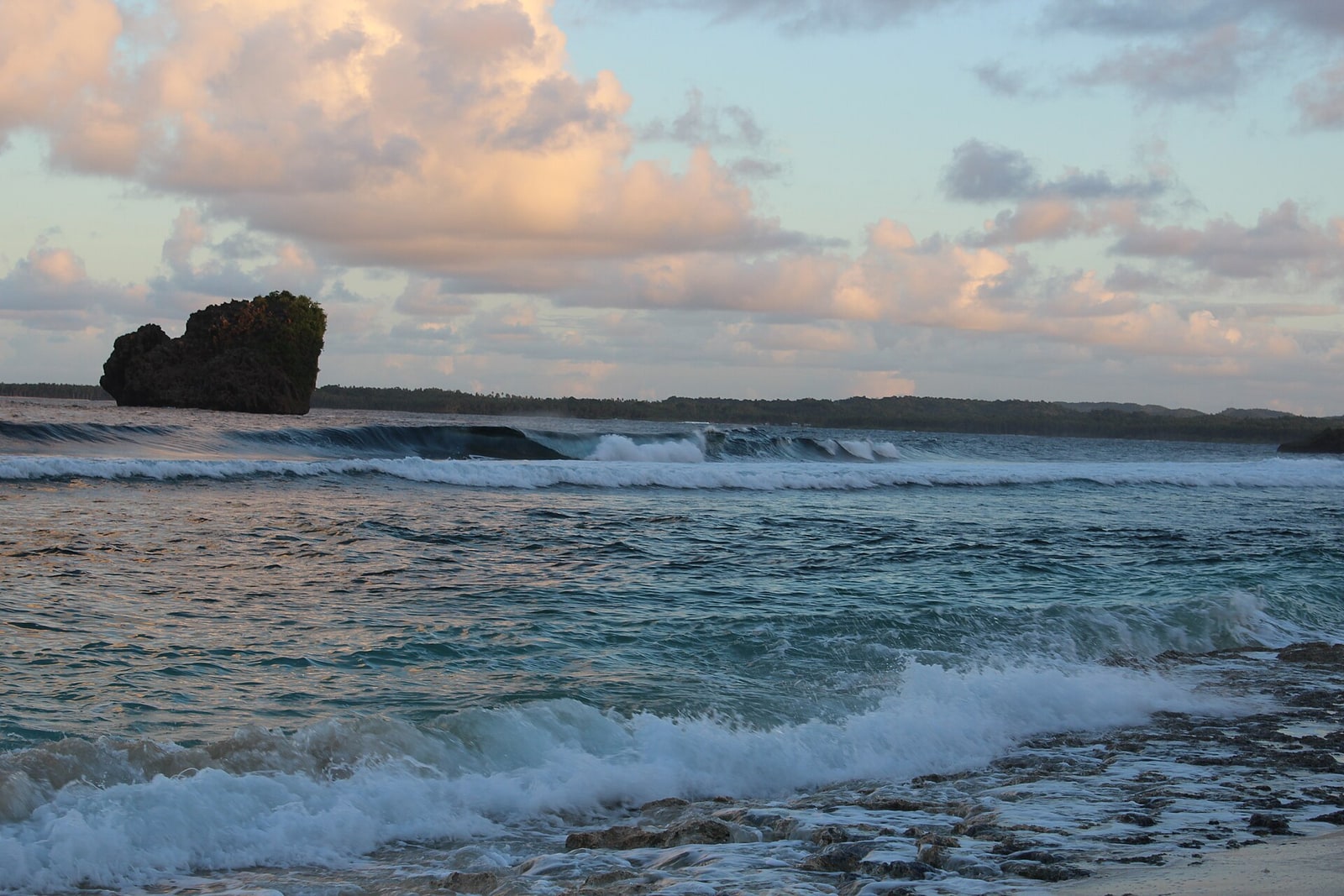
These places are popular for good reason, but timing is everything. Arrive early when possible, bring reef-safe sun protection, and avoid standing on coral. If the tide or sea conditions do not cooperate, do not force the trip. Siargao has enough alternatives, from a quiet beach to a mangrove channel, to fill the day without taking unnecessary risks.
Where Can You Find Siargao's Quieter Scenery?
Head north along the coastal road toward Burgos and Pacifico, or explore the smaller roads that branch inland. The traffic thins, the coconut palms close over the road, and the views become more about daily life than resorts. You may pass a basketball court, a roadside bakery, drying copra, or a fisherman repairing a boat. These ordinary scenes are a large part of the island's character.
The west coast also feels different. Around Del Carmen, mangroves and island channels replace the open surf coast. Santa Monica and the islands beyond it offer another layer of Siargao for travelers who have time to go farther. Trips to places such as Bucas Grande require more planning, but they can be worth it if your priority is nature rather than nightlife.
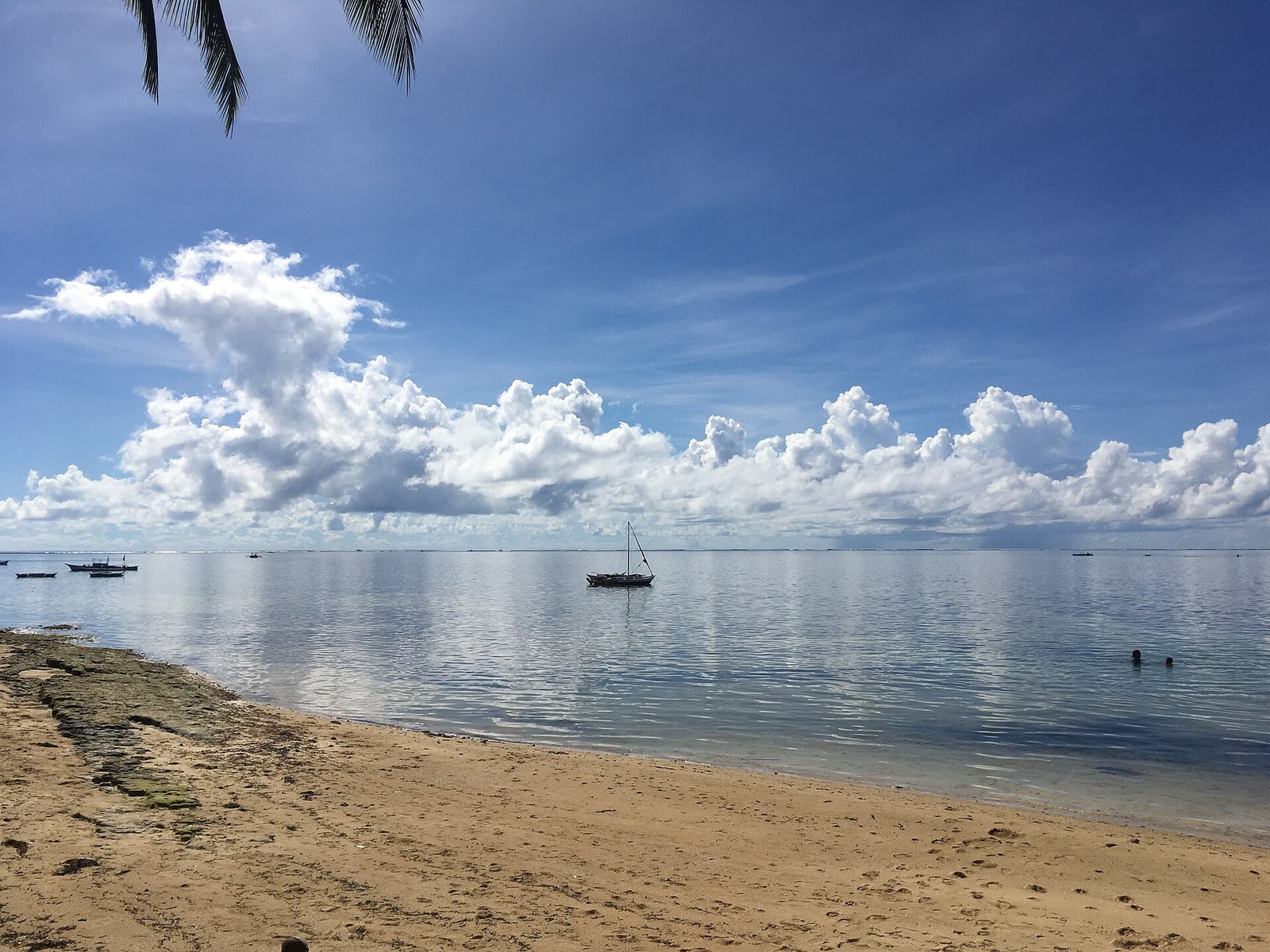
Quiet in Siargao does not always mean remote. It can be a small beach before the day tours arrive, a lane where children are playing basketball, or a viewpoint that has no entrance fee and no sign. Give yourself permission to stop without a reason. Some of the most memorable scenery is found between the places you planned to see.
Even near General Luna, quiet scenery exists. Walk away from the main tourist road in the early morning, when the beach is still cool and local life is starting. The smaller lanes, coconut groves, and fishing areas can feel surprisingly peaceful before the day's tours begin. If you are looking for a base for exploring these areas, start with our Siargao attractions guide.
Can You Enjoy Siargao Without Following a Tour Schedule?
Absolutely. A scooter or motorbike gives you the freedom to stop when the light is good and leave when a beach gets busy. If you are not comfortable riding, a hired driver or tricycle can cover the same routes for a day. The important thing is to avoid treating every stop as a checklist item.
Plan around one main destination, then allow room for spontaneous stops. A simple route might combine a morning beach, a roadside lunch, an inland detour, and a sunset on the way home. Check fuel, weather, and road conditions before setting out. Some roads are narrow, uneven, or slippery after rain, and returning after dark is not ideal for inexperienced riders.
The unscheduled hours often become the best memories. A conversation at a fruit stand, an unexpected viewpoint, or a rain shower that clears into golden light can matter more than reaching the next pin on a map. Siargao rewards that looseness, especially when you stay long enough to wait for better conditions. Start with our Siargao attractions guide to plan the next day.
What Makes People Stay Longer Than Planned?
Part of it is practical. There are enough beaches, islands, and inland roads to fill a week, and the weather can delay a boat trip or hide a rock pool until the next low tide. Instead of feeling like a problem, those delays often become an invitation to stay another night and try again.
Part of it is emotional. Siargao has a way of making a normal day feel satisfying: a swim before breakfast, coffee with no schedule, a ride through the palms, dinner with people you met that morning. The island does not require a dramatic itinerary to be enjoyable. It simply gives you space to notice where you are.
The social side matters too. Long stays are common, so conversations repeat at cafes, surf shops, and shared kitchens. Someone you meet on a boat trip may suggest a quieter beach the next day, or a local may point you toward a road that tourists rarely use. Those small recommendations make the island feel less like a destination to finish and more like a place to inhabit.
That is why travelers return. They remember a particular light on the water, a road that seemed to go nowhere, or a lagoon that looked different from every angle. The landscape is not static, and neither is the trip. Come with a little time to spare, and Siargao will usually give you a reason to use it.