Siargao does not announce that you should slow down. The island simply makes a packed schedule feel unnecessary. Tide charts matter more than meeting times, the heat invites a long pause in the middle of the day, and the roads between coconut groves reward unhurried rides. Visitors who arrive with a long list often end up keeping only the parts that still feel good after a few mornings on island time.
That rhythm is not laziness. It is how daily life works here for locals, surfers, remote workers, and long-stay travelers alike. Understanding the pattern helps you enjoy Siargao without fighting it.
What Does a Typical Morning Look Like?
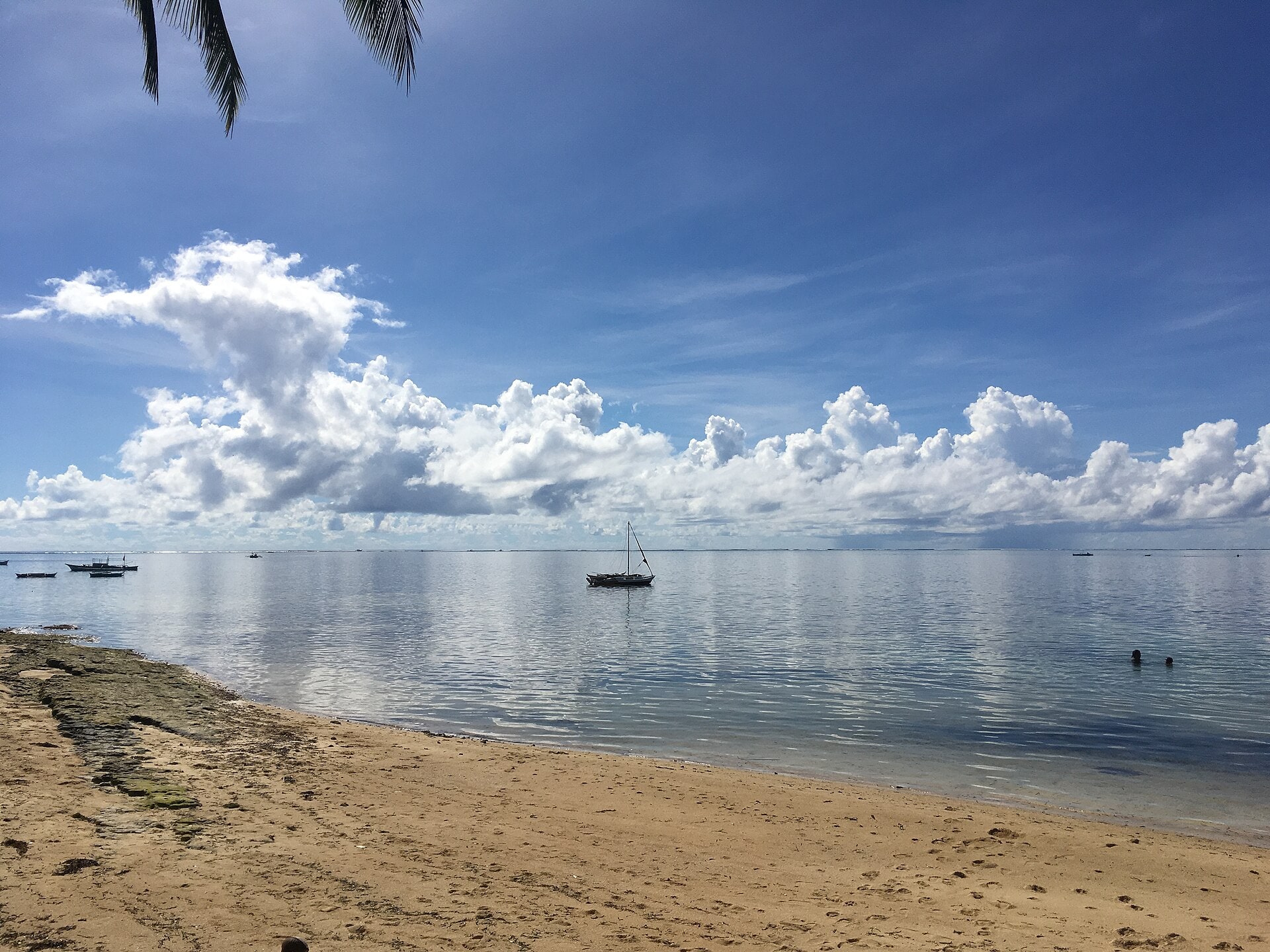
Mornings are the easiest hours to move. The air is cooler, the beaches are quieter, and cafes open slowly enough that you rarely feel late. Many people start with coffee near General Luna, a quick swim, or an early scooter ride before traffic builds. Surf sessions often happen now, when the light is soft and the reef is easier to read.
A typical morning does not need a formal plan. You might watch the tide, check swell reports, buy fruit from a roadside stand, and still be back for a second coffee before noon. The island rewards small loops rather than ambitious crossings before breakfast.
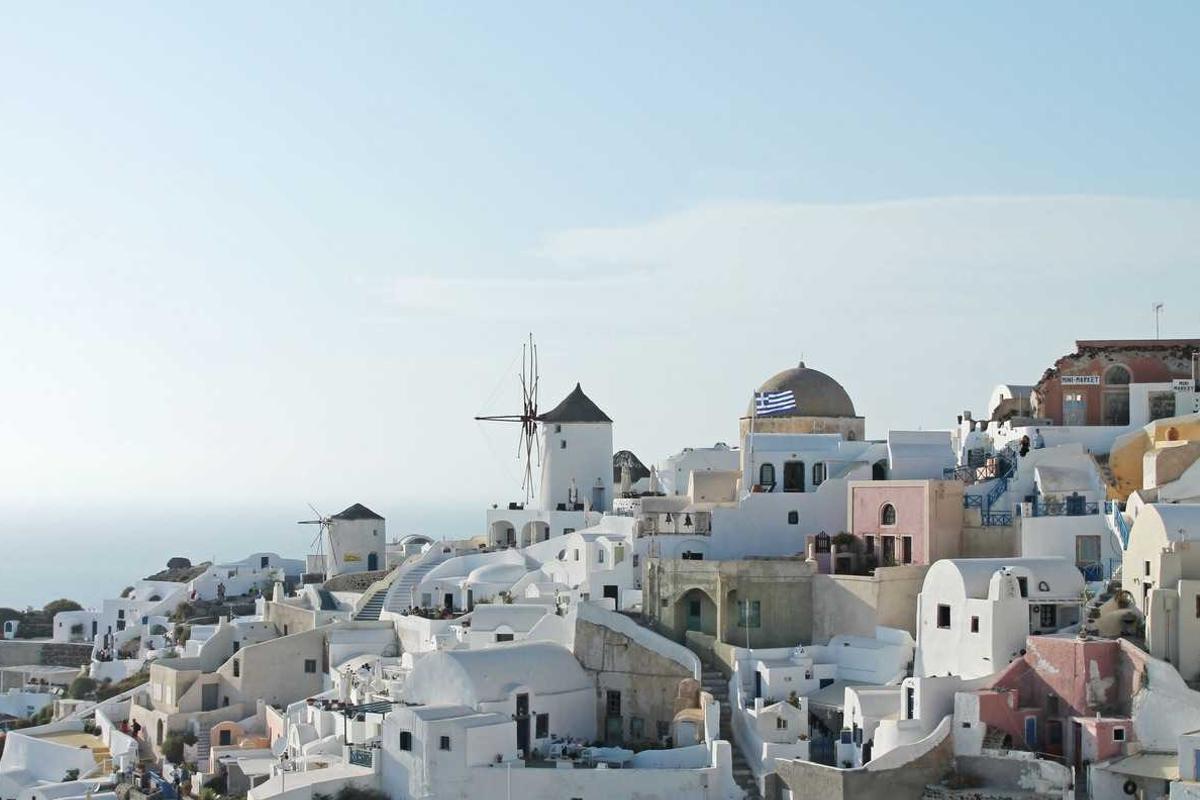
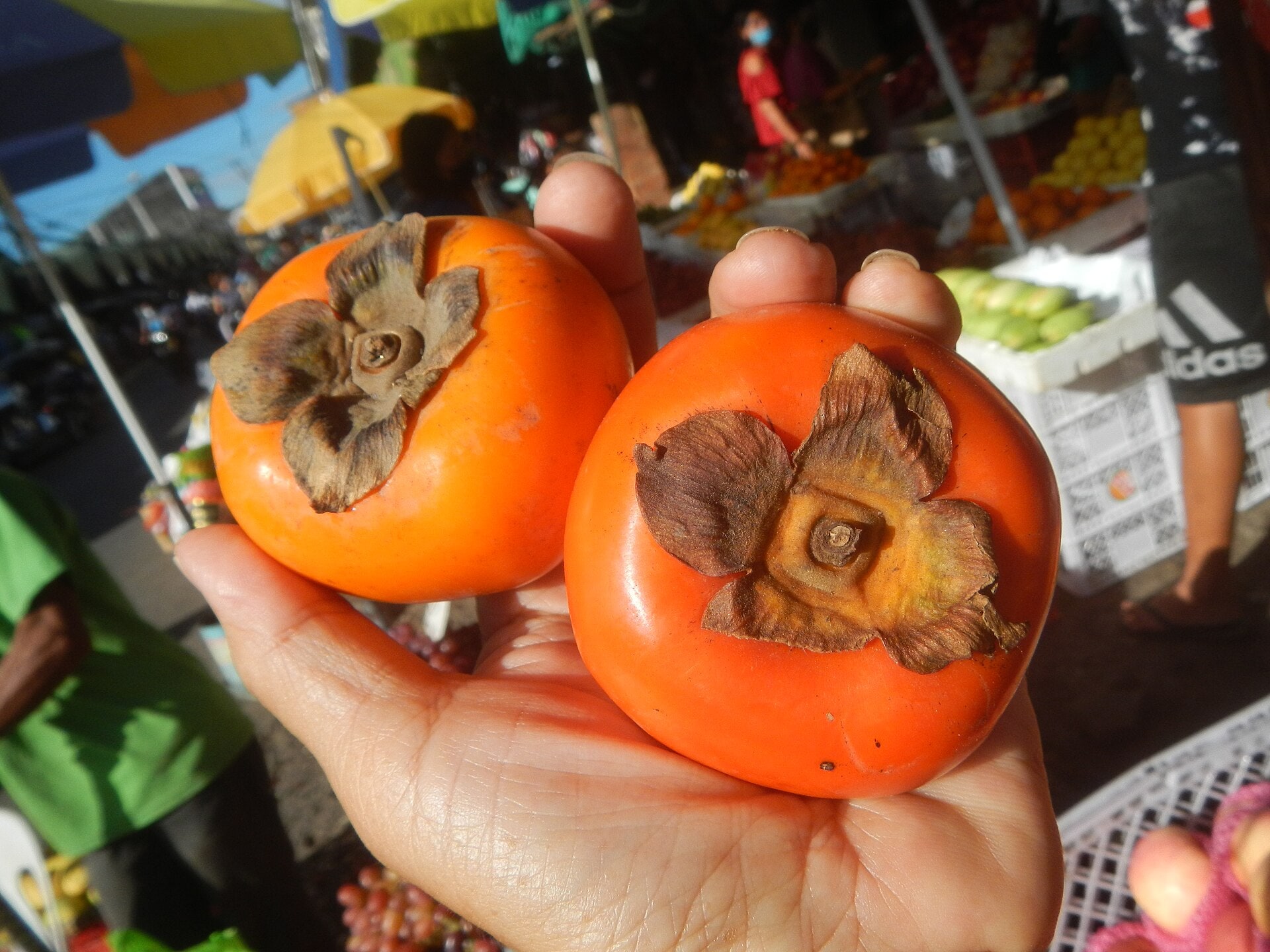
If you are not surfing, mornings are still the best time for walks, boat departures, and market stops. Save the long inland rides for when you know the weather is stable. By late morning, shade becomes more attractive than speed.
Pack light for these hours: water, sunscreen, and a little cash for fruit or pastries. Many guesthouses serve breakfast late, so eating out early is optional. The goal is to use the cool window well, then let the rest of the day unfold without guilt.
How Does Surf Culture Shape Island Life?
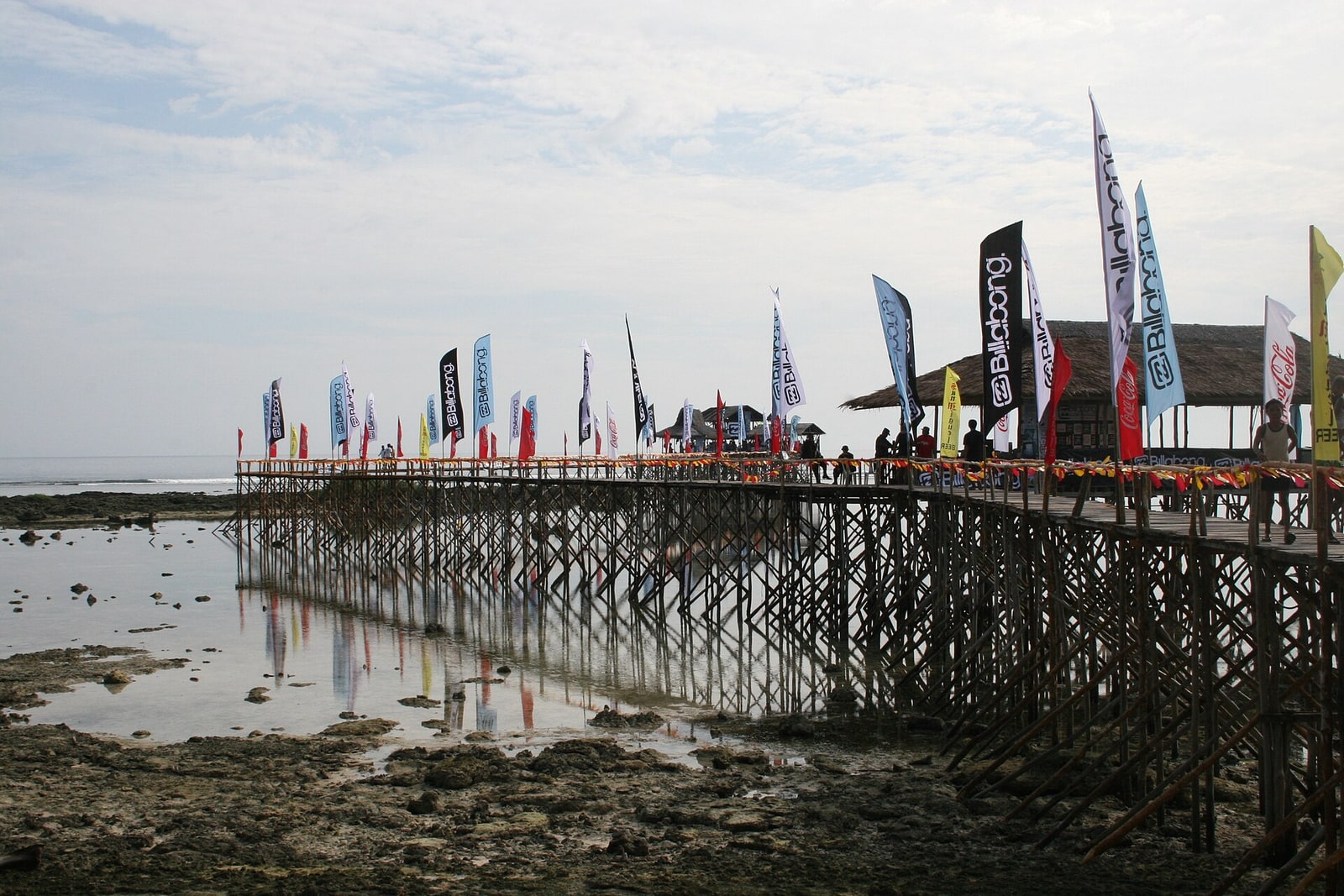
Surfing is not the whole island, but it sets the clock for a large part of Siargao. Swell, wind, and tide decide when people gather at Cloud 9, when instructors are busiest, and when the lineup feels crowded or calm. Even non-surfers notice the rhythm: early movement, a focused few hours in the water, then a slower afternoon while boards dry on porches.
That culture spreads beyond the break. Guesthouses fill with wax and leashes, cafes open early for pre-session coffee, and conversations often begin with conditions rather than schedules. Respect matters in the lineup, and the same courtesy appears in traffic and small shops. Give way, wait your turn, and do not rush someone who is still reading the tide.
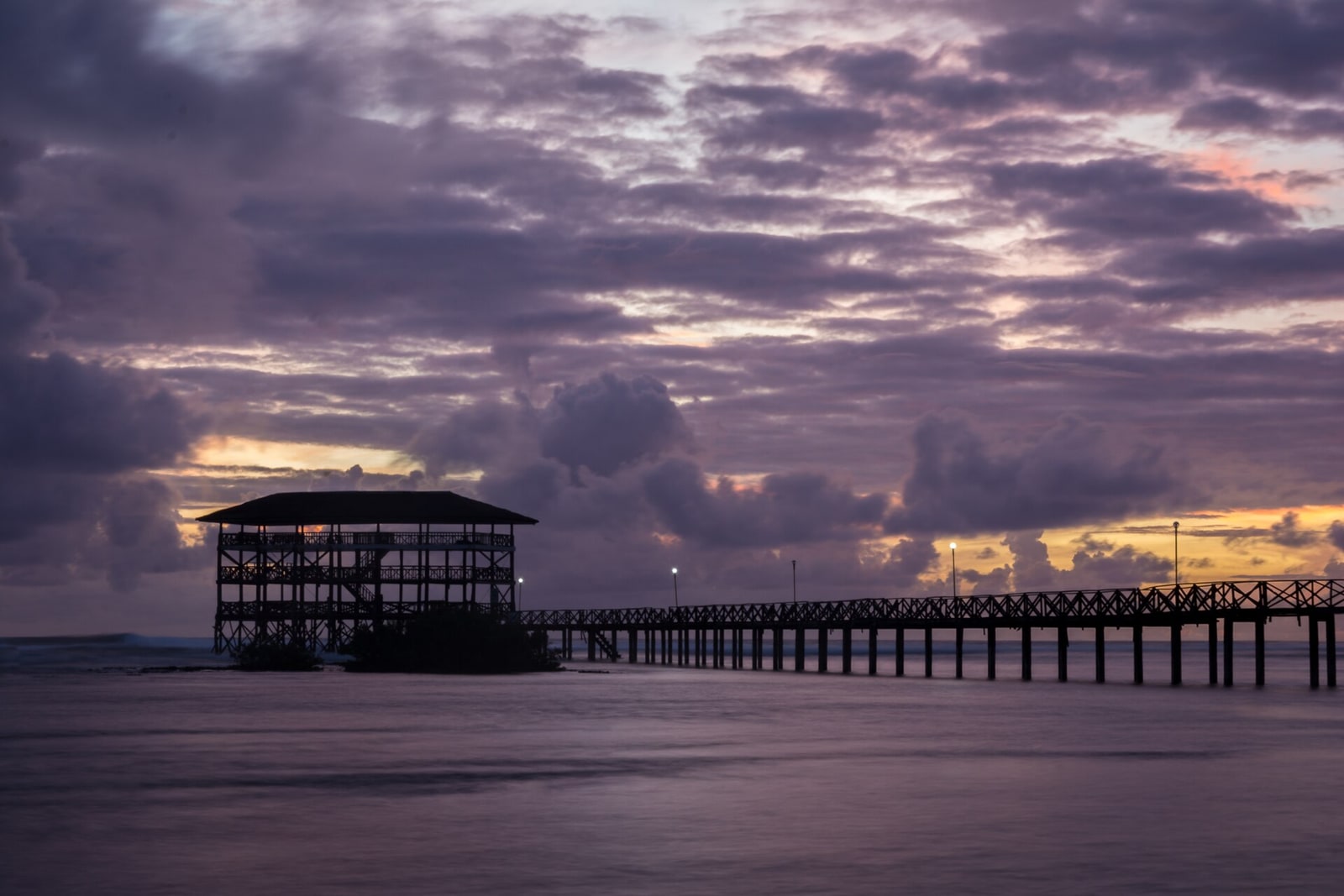
You do not have to surf to benefit from this pace. The surf day creates natural downtime later, which makes it easier to nap, read, or explore without guilt. If you want a deeper look at non-surf days, our guide to Siargao without surfing fits neatly into the same calendar.
Watch how repair shops, board rentals, and small hotels adjust to swell weeks. When the ocean is flat, the island still moves, but the energy shifts toward island trips, cafes, and inland roads. That flexibility is part of why Siargao feels less rigid than resort islands built around a single activity.
Why Are Cafes Such a Big Part of Siargao?
Cafes are where island routine becomes visible. They are offices, meeting points, breakfast spots, and shelter from rain. General Luna has the densest cluster, but you will find coffee shacks and small kitchens along tourist roads and in quieter barangays. Strong local beans, smoothie bowls, and Filipino breakfast plates all belong to the same slow morning culture.
A cafe stop is rarely just about caffeine. It is where you hear about a quieter beach, a cancelled boat, or a road that flooded overnight. WiFi quality varies, so treat cafes as places to connect with people and weather rather than as a city-style workspace. For more on what to order, see our Siargao cafe and food guide.
The best cafe mornings have no deadline. Sit until the sun climbs, chat with staff who remember your order, and let the next activity choose itself. That is one of the simplest ways Siargao teaches you to slow down.
On rainy days, cafes become even more central. You might share a table with strangers, trade book recommendations, or simply wait out a squall while the road steams outside. Those unplanned hours are often when travelers finally stop checking their itineraries.
What Is the Social Scene Like?
Siargao's social life is friendly but not frantic. People meet at sunset, after surf, or over long dinners that start earlier than in a big city. There are bars and live music in General Luna, yet many travelers spend more time on rooftops, beach picnics, and guesthouse common areas than in late-night clubs.
Because long stays are common, conversations repeat. You might see the same faces at a cafe, on a boat trip, or at a laundry shop. That repetition builds a loose community feeling without requiring you to join every group chat or tour. Introverts can keep things quiet; social travelers can find company most evenings if they want it.
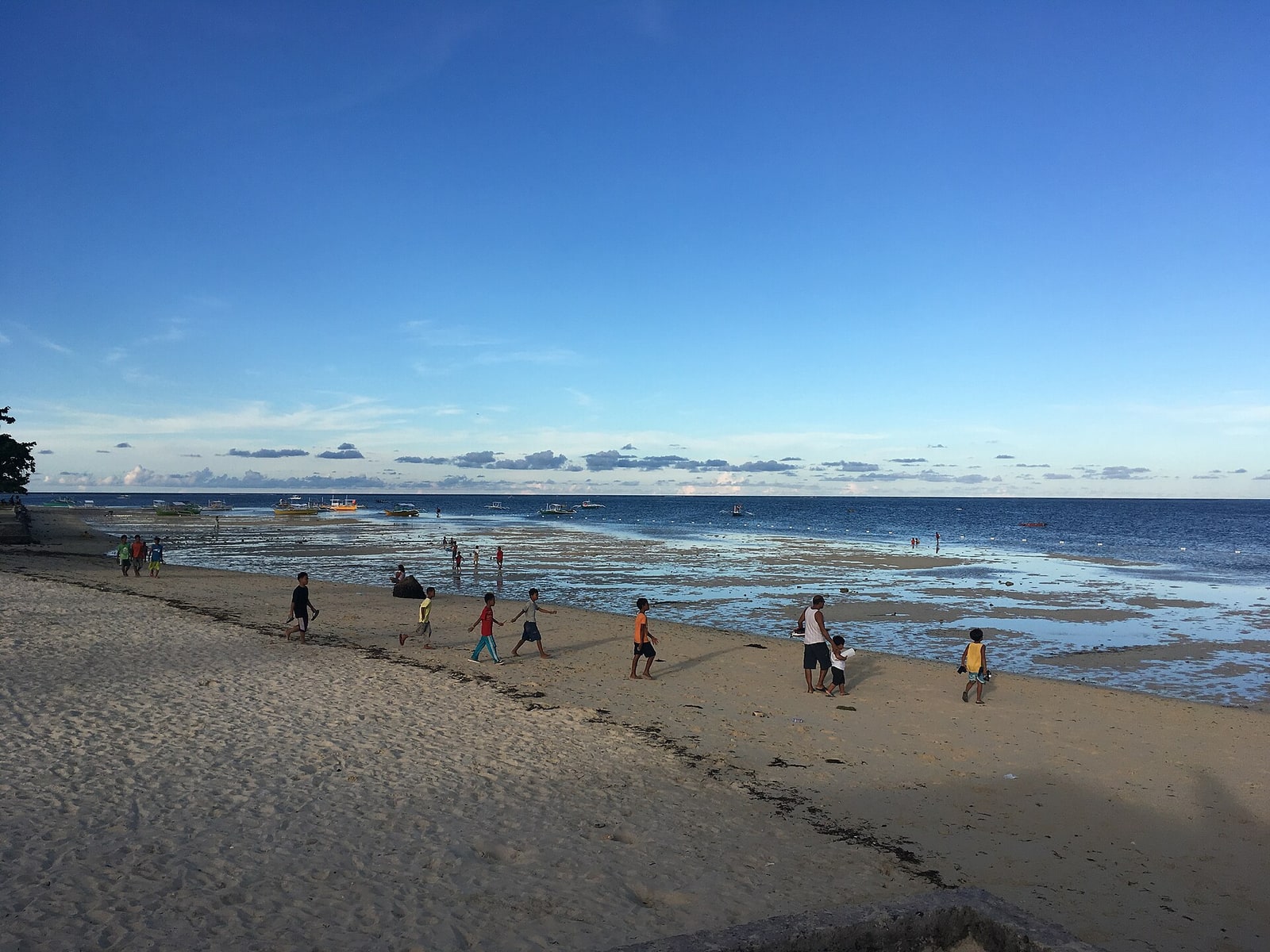
The social scene also includes locals who live here year-round. Fishermen, shop owners, teachers, and hospitality staff shape the tone of the island. A little patience and courtesy go a long way, especially during busy season when tourism pressure is high.
Group trips are easy to join if you want company: island hopping, motorbike tours, yoga classes, and casual beach meetups. None of them require a rigid commitment. You can join for a morning and spend the evening alone with a book. That mix of optional community is part of Siargao's appeal.
Can You Really Slow Down on a Popular Island?
Yes, but you have to choose when and where. General Luna can feel busy near the main road, especially in peak months. Slow travel still works if you accept trade-offs: earlier mornings, side streets instead of the loudest strip, and some days without a fixed destination.
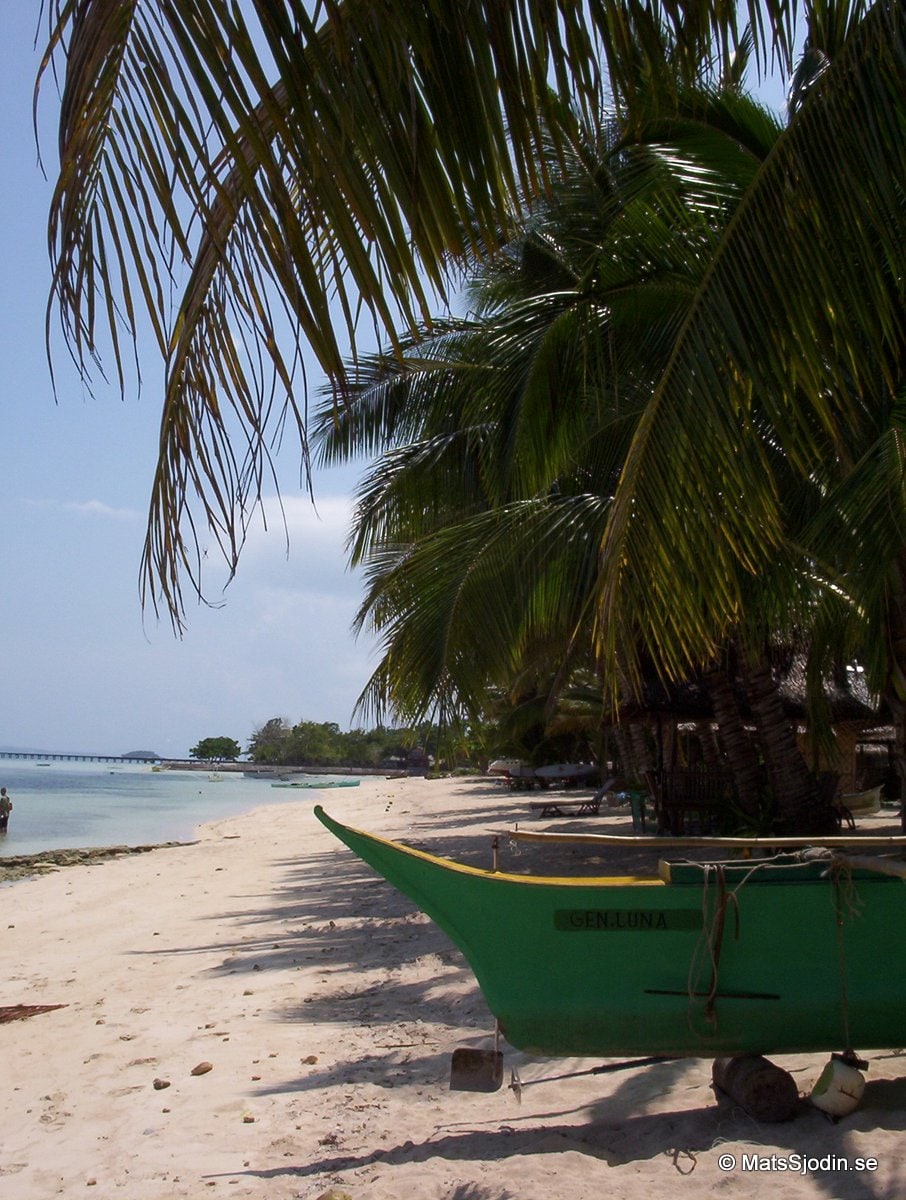
Quieter stretches exist on the northern coast, inland lanes, and west-side mangrove routes. Rainy afternoons naturally reduce the pace. A scooter ride through palms can take longer than expected because you stop for coconuts, photos, or a conversation. Those detours are not failures of planning. They are the point.
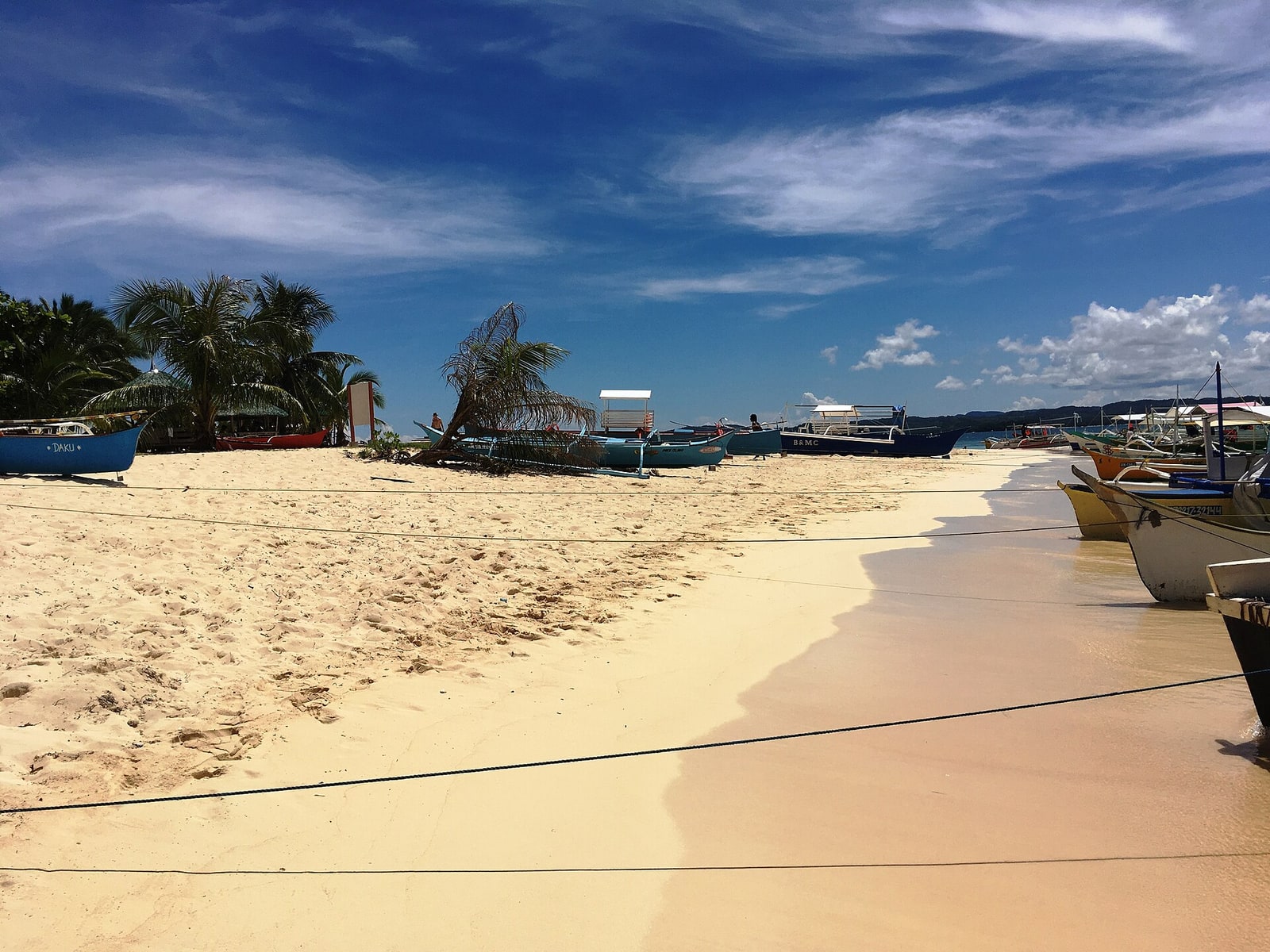
Slowing down does not mean avoiding popular places entirely. It means visiting them at better hours, staying long enough to skip the rush, and balancing social nights with rest days. If crowds stress you, split your stay between General Luna and a quieter northern base, as we outline in General Luna or Pacifico.
Try building one unscheduled day into each week. No tours, no checklist, just a scooter, a map app, and permission to turn around when something looks interesting. Popular islands become much easier to enjoy when you are not trying to win them in a single afternoon.
What Makes People Stay in Siargao Longer?
Extensions happen for practical and emotional reasons. Weather delays boats. A swell week keeps surfers in the water. A cafe becomes a comfortable routine. Someone recommends a road you have not tried yet. The island is small enough to feel knowable, yet varied enough that a second week still offers new stops.
Longer stays also change how you eat, work, and socialize. You cook simple meals, find a favorite laundry rhythm, and stop treating every sunset as a special event. Ordinary days start to feel sufficient: coffee, ocean, food, rest, repeat. That is when Siargao's slow living feels less like a vacation mode and more like a temporary way of life.
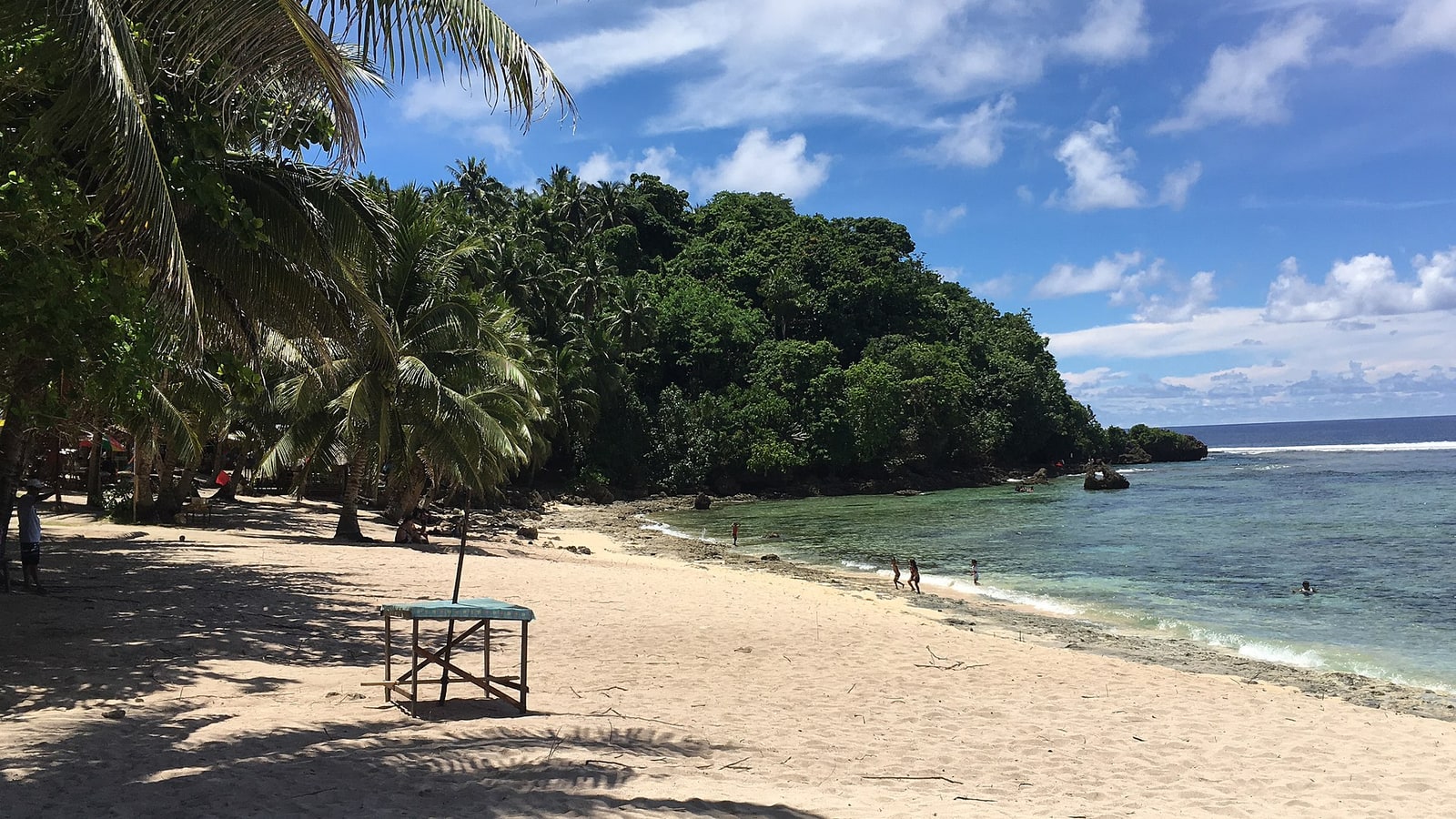
Many travelers leave planning to return. They remember not only Cloud 9 or a lagoon, but the feeling of having time. If you want landscape reasons behind that attachment, read why travelers return to Siargao. If you are ready to lean into the pace, let the island set the schedule for a few more days than you originally booked.
Remote workers sometimes stay a month or more, blending cafe mornings with afternoon calls and sunset swims. Families stretch holidays when children make friends at the beach. Couples defer their flight after one perfect weather week. The reasons differ, but the outcome is similar: Siargao rewards time more than intensity.