Panglao is often sold as Bohol’s beach answer, which is true but incomplete. It is a compact island connected by bridge, lined with dive shops, beach clubs, homestays, and quieter coves, and it works best when you do not try to turn every kilometre into a checklist. A good Panglao day has one water block, one long meal, and one unhurried hour when nothing is booked.
This guide separates the practical choices: Alona, quieter Panglao beaches, the standard island boats, and the east-coast alternative in Anda.
Start With the Beach You Actually Want
Alona Beach is the social center. It has the widest choice of restaurants, bars, dive shops, massage stalls, and transport. If you arrive late or only have one full day, Alona is convenient. The tradeoff is density: sunset can feel like a shared stage rather than a quiet escape.
Doljo and Momo are better if you want space. Doljo has a wide palm-backed shoreline with fewer vendors; Momo is smaller and easy to pair with a nearby resort lunch. Neither gives you complete solitude, but both lower the volume.
Choose one. Beach hopping all of Panglao in a single afternoon mostly proves that sand looks similar from a motorbike.
Plan the Island Boat Intelligently
Balicasag and Virgin Island are the classic Panglao trips. Balicasag is known for reef snorkeling and turtle sightings; Virgin Island is a sandbar that changes dramatically with tide. Both are worthwhile when conditions are right and less magical when boats queue.
Book through a licensed operator, confirm what is included, and ask what happens if marine protections or weather close a section. A smaller boat with a later return window is usually better than the cheapest package with a rigid timetable.
Go early. Not “tour early” at 9 AM, but actual early: gear on by 7 AM if possible. You will share the reef, but you will share less of it.
Take a Dive or Freediving Session
Panglao is one of the easier places in the Philippines to add a discover dive or continue a certification. The reef drops into deeper water close to shore, dive shops are concentrated, and transport is short from most hotels.
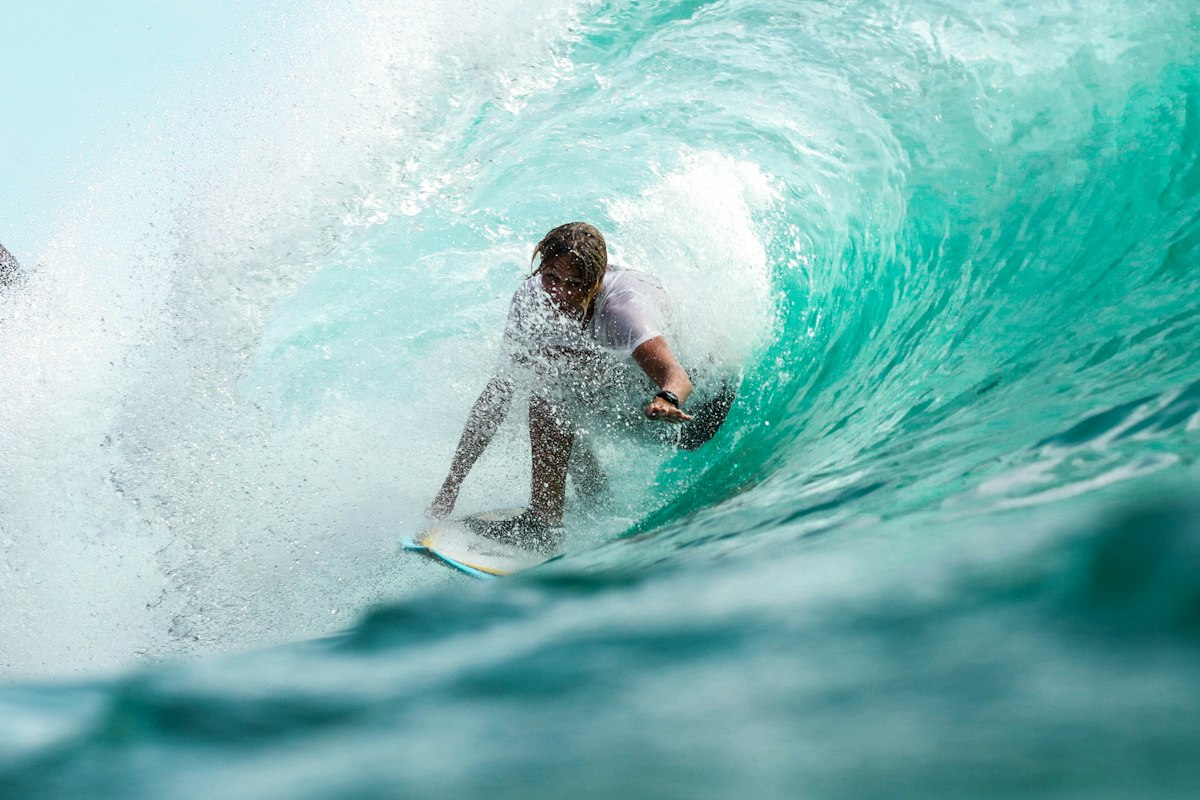
If you are not a diver, freediving intros and snorkel guides can show you how to read current, breathe through the mask anxiety, and move without standing on coral. Choose an operator that talks about buoyancy before it talks about photos.
Drive East to Anda
If boat queues put you off, drive east. Anda is Bohol’s slower coast: limestone cliffs, spring-fed cave pools, and a long beach backed by palm and residential calm.
Cabagnow and Combento are the best-known cave pools. The experience is simple: stairs, clear water, shade, and a swim that feels colder than the sea. Bring water shoes, go before noon, and carry cash.
Anda takes more driving time than Panglao, so treat it as the day’s anchor rather than a side stop.
Build a Countryside Loop
If water is not the priority, a countryside loop gives Bohol texture: hills, bridge viewpoints, forest paths, market snacks, and small towns. The loop works when it is loose. It fails when every halt becomes a photo obligation.
Start with the Chocolate Hills guide for timing, then add two or three stops max: a river viewpoint, Corella’s tarsier sanctuary, and a local lunch. Save the rest for another trip.
Choose Your Base Carefully
Panglao is best for water activities, sunset dining, and dive logistics. Tagbilaran is best for ferries, markets, and reaching inland roads without crossing the bridge at peak times. Your choice shapes the day more than any individual attraction.
For the full comparison, read Panglao or Tagbilaran: choosing where to stay in Bohol.
A Slow Panglao Day
6:45 AM: Coffee and fruit at your guesthouse.
7:30 AM: Small boat for Balicasag snorkel, or drive to Doljo for a long beach walk.
11:00 AM: Shower and unhurried lunch away from the sand.
1:30 PM: Shade, nap, or a slow cafe block. This is not wasted time.
4:00 PM: Swim or beach walk as heat drops.
5:45 PM: Sunset from a quieter stretch or a rooftop rather than the busiest entrance.
That schedule is more enjoyable than three beaches, two boats, and a cave squeezed between noon and sunset.
Practical Tips
- Reef-safe sunscreen only; reapply before swimming.
- Carry cash for boat fees, environmental fees, parking, and cave entrances.
- Check tide charts if the sandbar is your priority.
- Do not touch turtles, coral, or tarsiers.
- Keep one afternoon unplanned; Bohol weather deserves the respect.
If the Weather Changes
Rain does not cancel Panglao; it rearranges it. If the sea is rough and island boats pause, move the cafe or museum morning forward, wait for the forecast to clear, and keep the beach walk for late afternoon. If rain arrives while you are in Anda, stay out of the cave pools during storms and avoid slippery stairs built for dry shoes.
For a full washout, use the day slowly: laundry, a longer lunch, a massage, and one planning session for the countryside. Travelers who build a flexible day lose less than travelers who prepay every hour.
What a Panglao Day Costs
Costs change, but the proportions remain useful. A shared island boat or snorkel trip is often the day’s largest activity expense; a private tricycle or habal-habal is the second. Food can stay modest if you eat where staff and drivers eat rather than only at beachfront tables.
A sensible mid-range day includes one activity, two simple meals, local transport, and a sunset drink. Backpackers can lower that by walking more and choosing a beach day rather than a boat day. Couples can split a private boat and still keep the day calm by limiting the route.
Ask for the total price before departure, including environmental fees, gear rental, parking, and waiting time. Confirm whether payment is cash-only. This removes the awkward arithmetic that ruins the last hour of many beach days.
Packing for a Water Day
Bring a dry bag, a refillable bottle, a hat, and a light long-sleeve shirt for sun protection. Wear rash guards for snorkeling, not only for warmth but for buoyancy and fewer sunscreen layers on the reef. Water shoes matter more for Anda’s cave pools than for Panglao’s sand.
Keep phone charge for maps and communication rather than continuous video. If you want photographs, ask the boat crew where they prefer people to stand, and choose one good minute over ten distracting minutes.
When Not to Do the Boat Trip
Skip the boat if the operator cannot describe the route, the current, or the reef rules. Skip it if the group size makes the deck feel crowded before departure. Skip it if the weather briefing is a shrug. Bohol has enough beaches, springs, forest walks, and food to fill a day without borrowing risk.
The same logic applies to diving and freediving. A professional operator will happily discuss safety stops, current, boat traffic, and your recent experience. A shop that only sells excitement is not a bargain.
Panglao rewards restraint. Pick one water experience, protect the middle of the day, and save the east coast or hills for tomorrow. For more ideas, see the full Bohol attractions guide.