Siargao used to be known mainly for surf. Now many travelers talk about coffee, brunch, and dinner as loudly as they talk about swell. The shift makes sense. Tourism grew, remote workers arrived, and local entrepreneurs opened cafes that fit island mornings. Yet the food scene still tastes like the Philippines: grilled fish, rice, tropical fruit, and coconut everywhere you ride.
The best approach is to mix styles. Enjoy a smoothie bowl when you want shade and WiFi, then eat at a carinderia where the menu is written on a board and the seafood was caught nearby. That balance is what makes Siargao feel like a foodie island without losing its roots.
You do not need a reservation culture here. Most places are walk-in, and busy kitchens are a good sign. Arrive hungry, ask what is fresh, and expect portions meant to fuel real days outdoors rather than small tasting plates.
How Did Siargao's Cafe Culture Grow?
Cafe culture followed the travelers who stayed longer than a surf weekend. Digital nomads needed reliable-ish WiFi and comfortable seating. Surfers wanted early coffee before dawn sessions. Guesthouses began recommending favorite spots, and social media spread images of palm-framed latte art and open-air breakfast tables.
General Luna became the center because it already had the roads, shops, and foot traffic. New cafes opened along Tourism Road and on side lanes where rent was lower. Some owners roast local beans or partner with Mindanao suppliers. Others focus on brunch plates that photograph well but still fill you up before a boat trip.
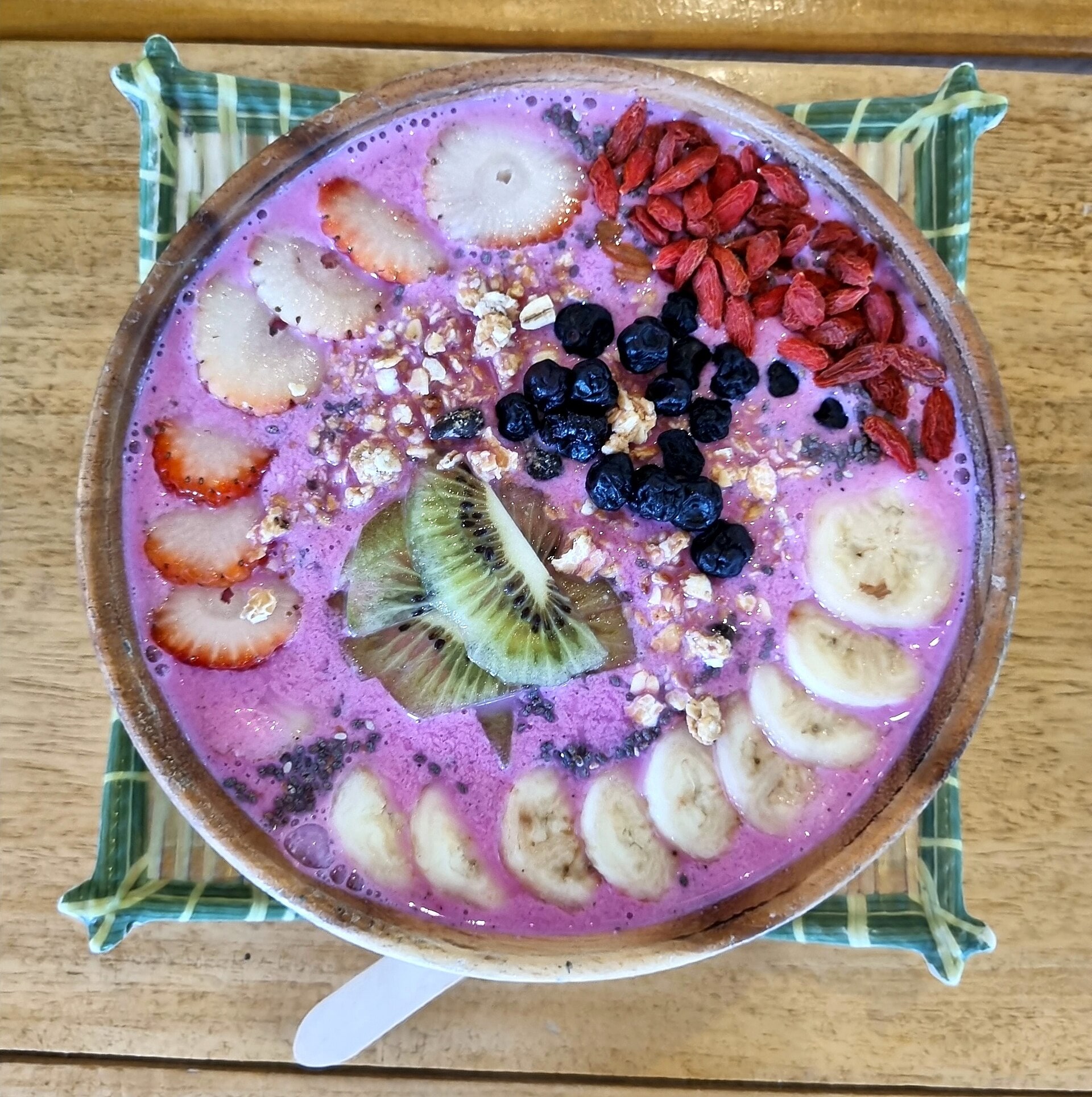
The growth is not only aesthetic. Cafes became community hubs where people share tide tips, tour contacts, and weather updates. That social function matters as much as the menu. Expect variety: minimalist espresso bars, rustic bamboo counters, and hybrid spaces that serve dinner after the lunch rush.
Seasonality still matters. Peak months bring longer queues and louder playlists. Shoulder season can mean shorter hours but more space to linger. Either way, the cafe scene keeps expanding inland and along the northern road as travelers look for quieter corners.
What Should You Eat After a Morning Surf?
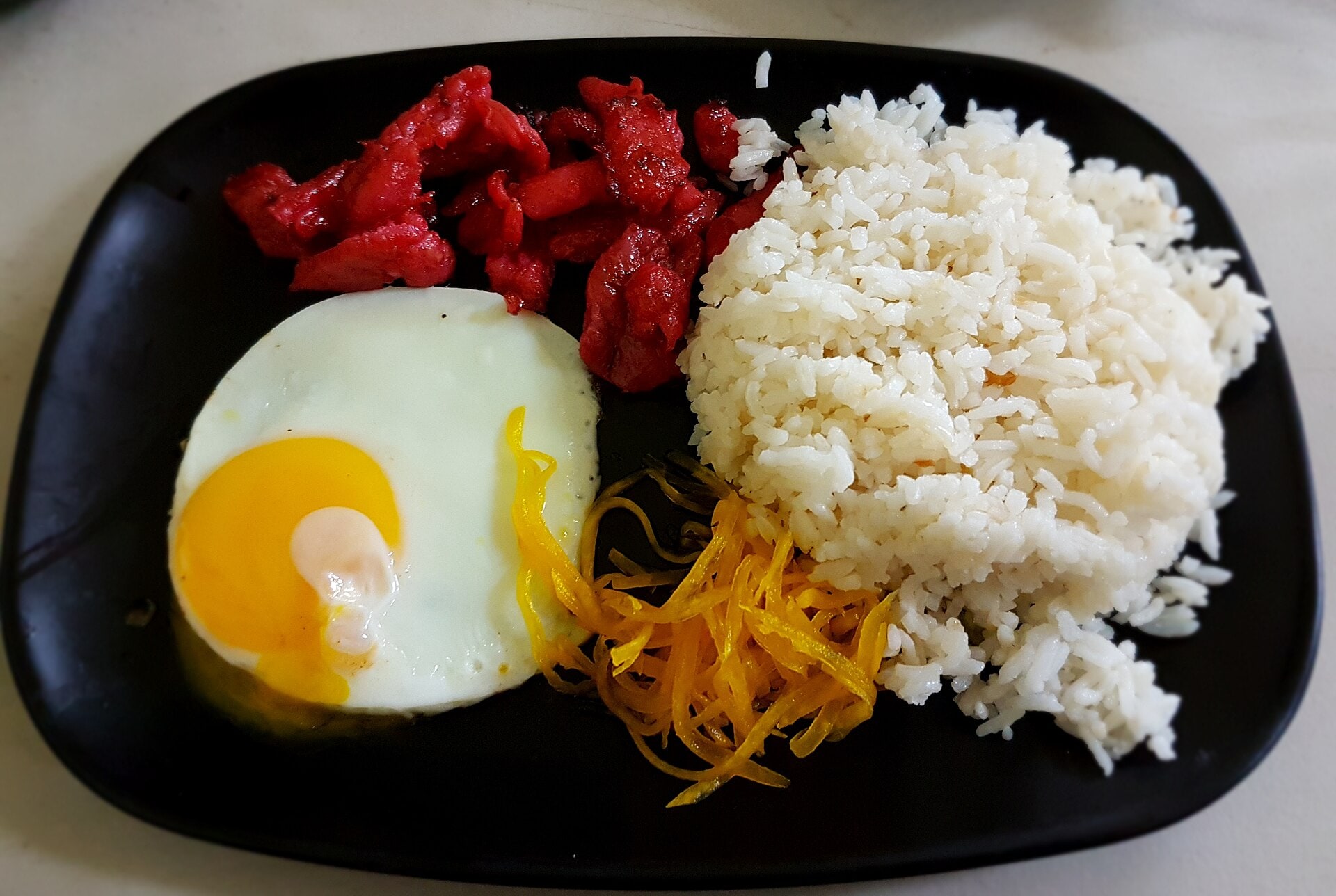
After surf, your body wants salt, carbs, and hydration. Filipino breakfast plates are the classic answer: garlic rice, egg, and a protein such as bangus, tocino, or longganisa. Many cafes serve lighter versions with fruit and yogurt, but the savory option still matches island appetite.
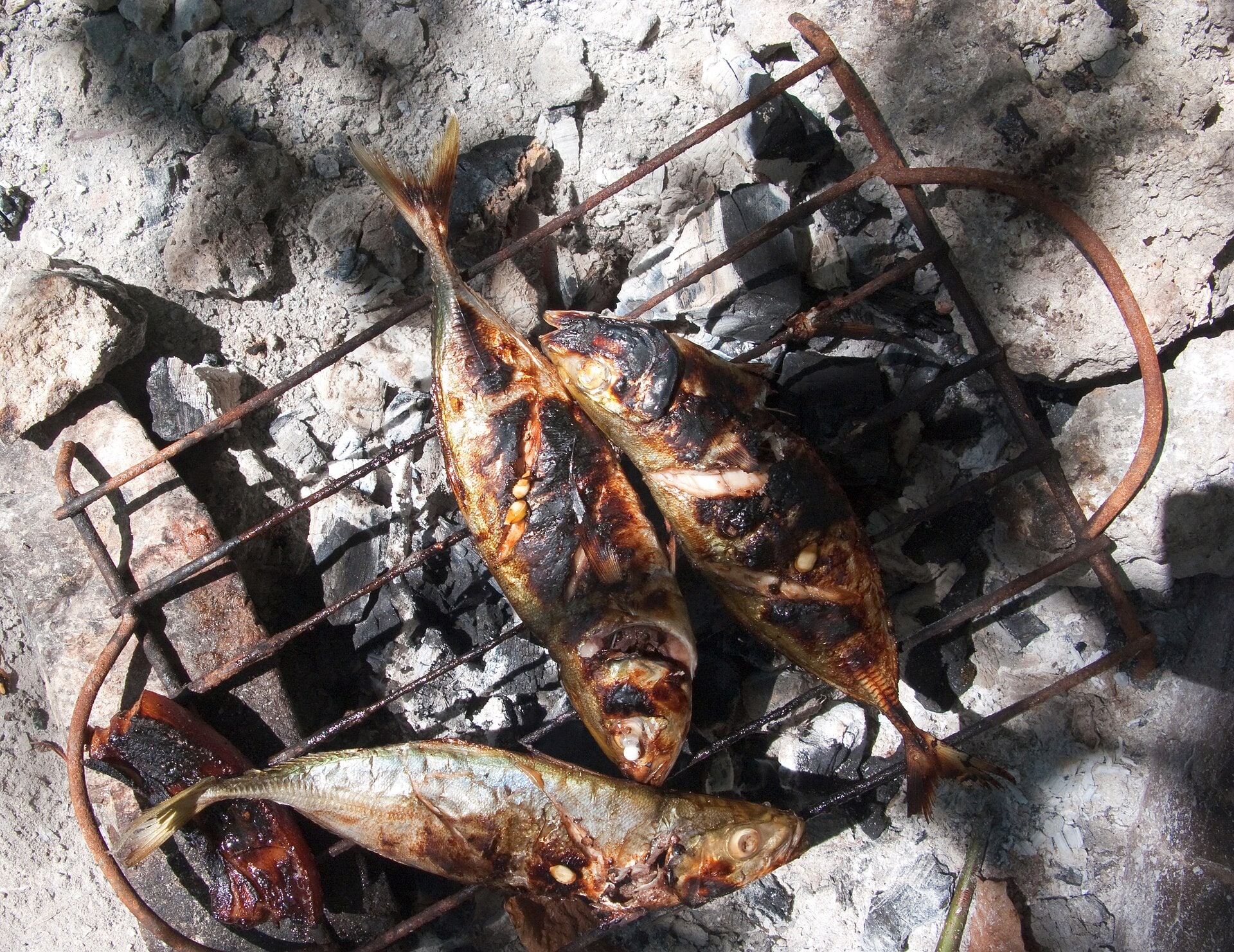
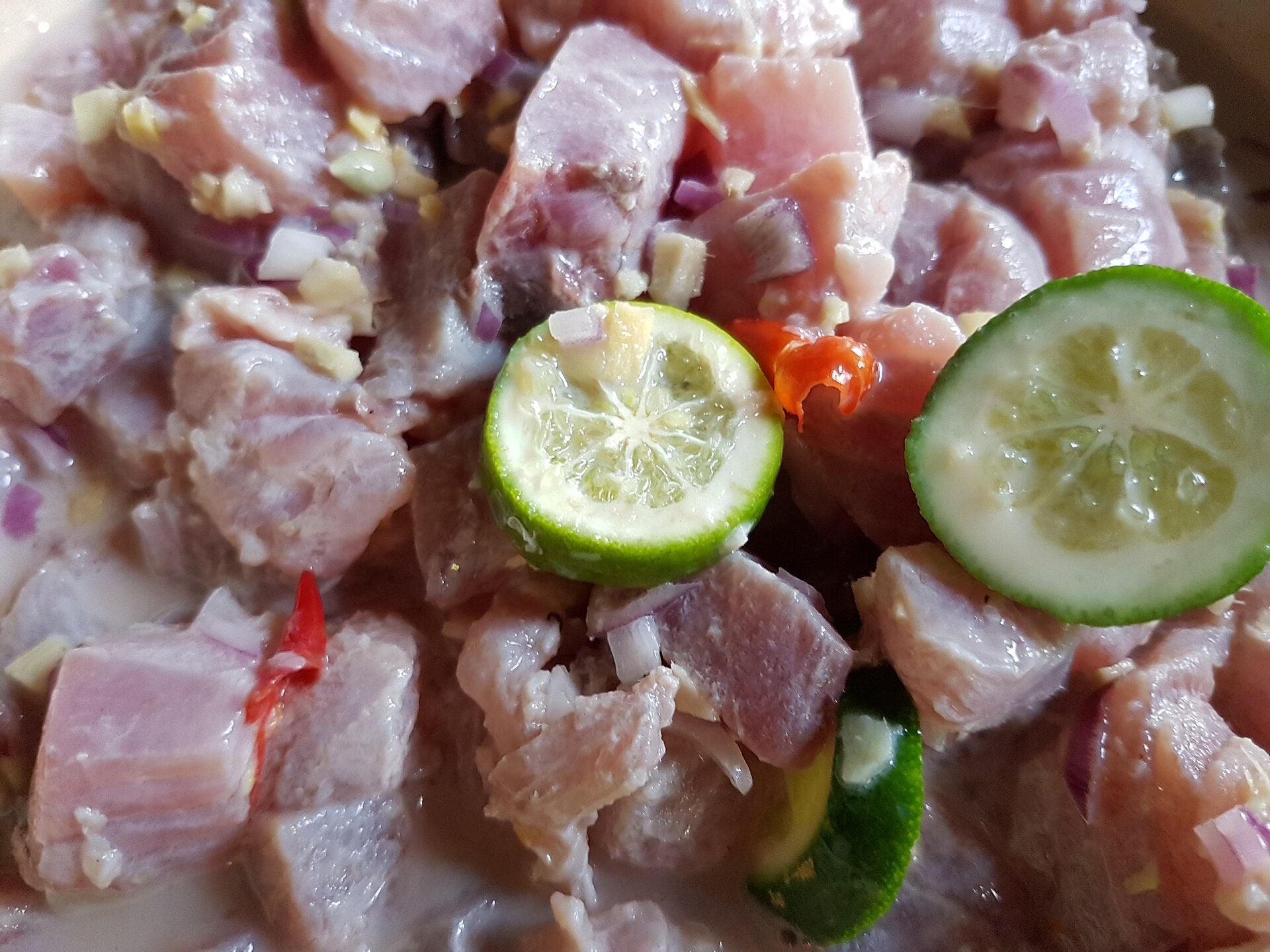
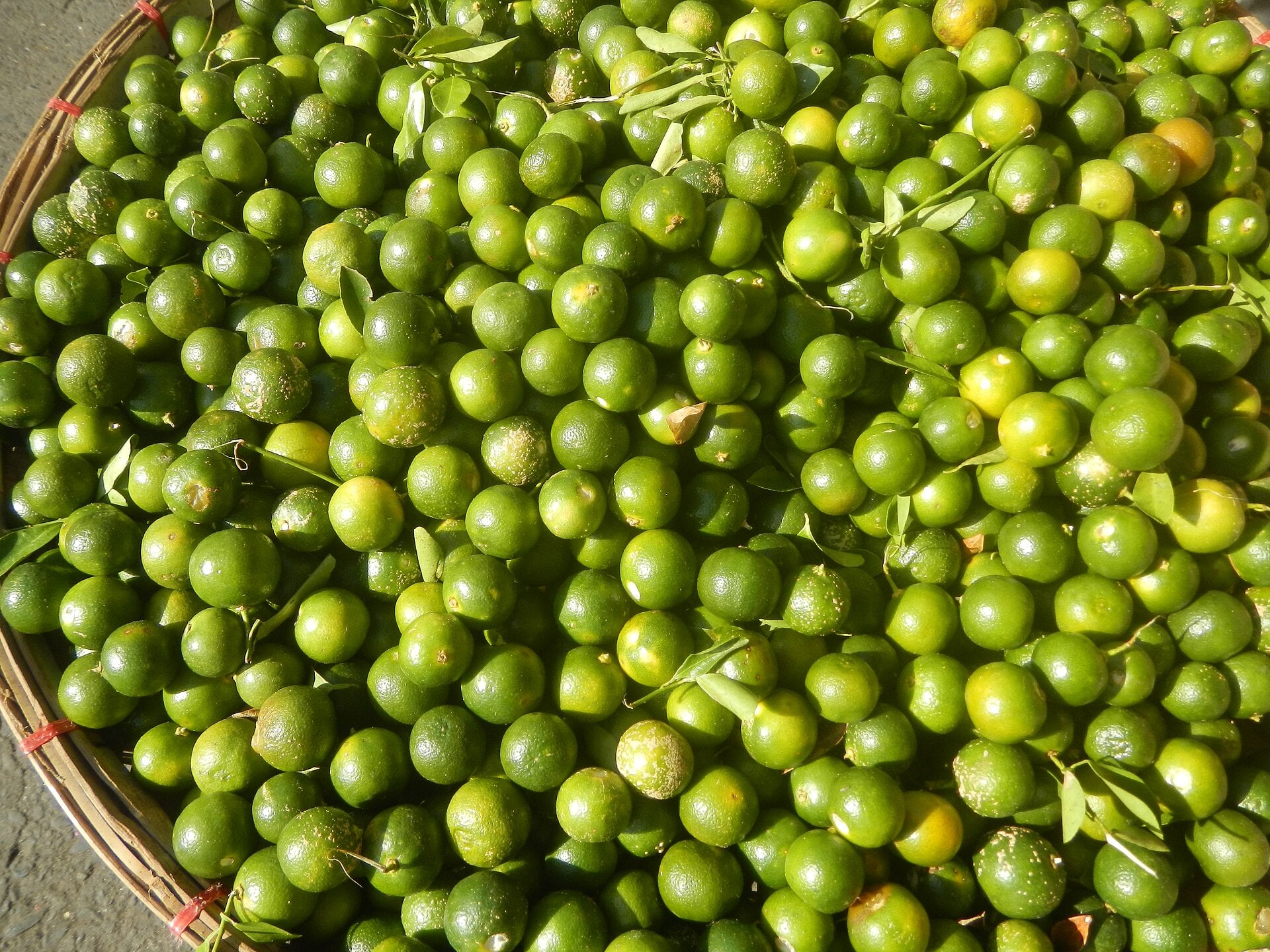
Seafood lunches appear everywhere near the coast. Grilled fish with soy and calamansi, kinilaw when it is fresh, and crab or shrimp on special days. Order what looks busy in the kitchen. If locals are eating there, you are usually in the right place.
Portions are usually generous. Sharing a whole fish between two people is common, especially when you still want room for rice and vegetables. Do not be shy about asking how a dish is prepared if you are sensitive to spice or want something grilled instead of fried.
Smoothie bowls and avocado toast have their place too, especially if you surfed early and want something cold before the midday heat. The trick is not to choose one style every day. Alternate cafe breakfasts with market meals so you taste more of the island.
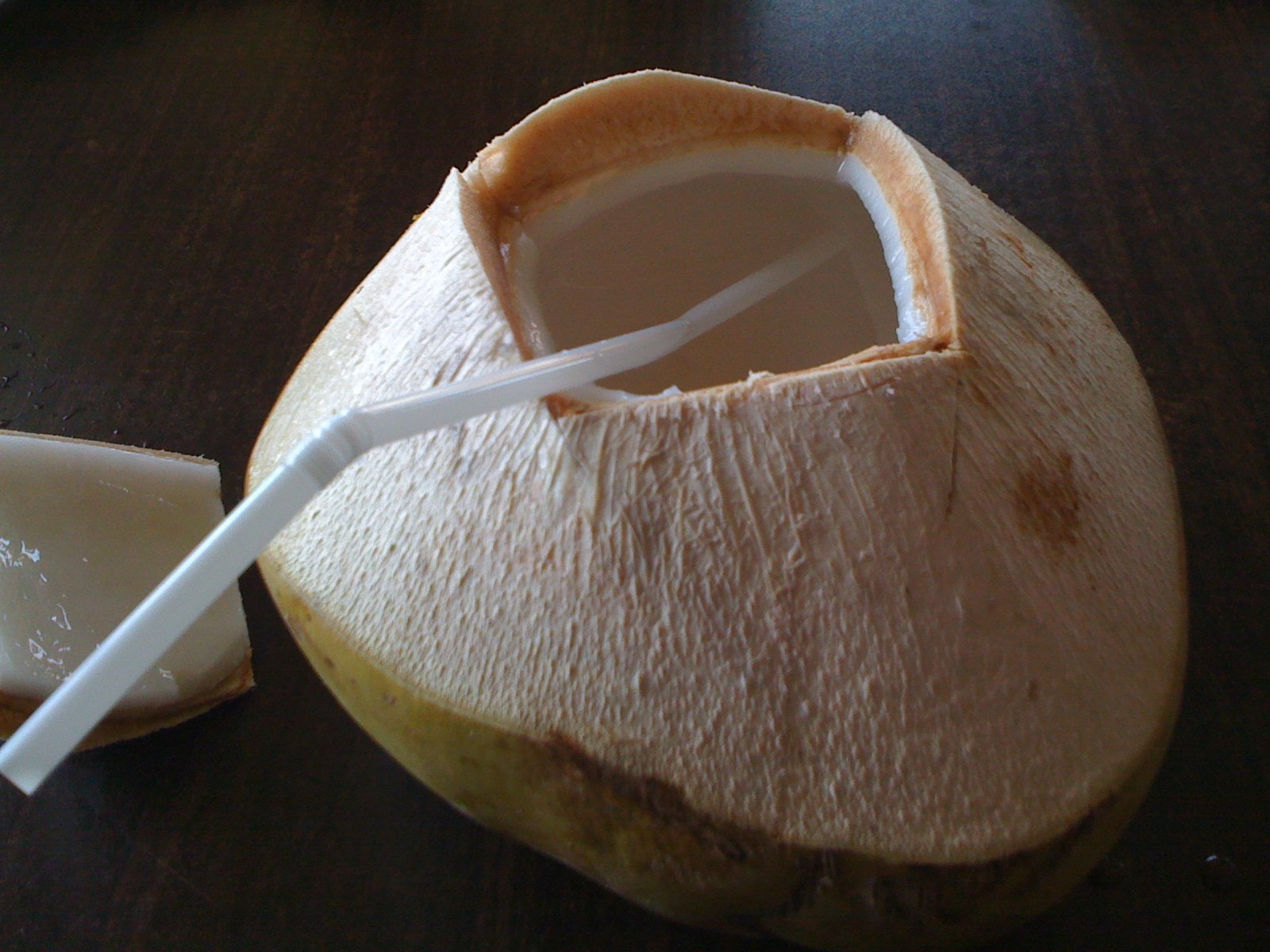
Hydration matters as much as food. Buko juice, watermelon, and simple iced tea appear at almost every stop. After hours in salt water, a large meal and a shaded table can feel like the real reward.
Where Does Local Food Meet Modern Cafe Culture?
The meeting point is often breakfast and coffee rather than dinner. A cafe might serve native hot chocolate alongside flat whites, or offer sinangag with a side of avocado. Some places use local honey, calamansi syrups, and seasonal fruit in bowls that still feel familiar to international travelers.
Lunch is where the split is clearer. Modern cafes may close kitchens early or focus on bowls and sandwiches, while carinderias and seafood grills handle the heartier Filipino plates. Dinner can swing between pizza, Thai-inspired bowls, and simple grilled fish depending on the neighborhood.
Evenings along Tourism Road can feel like a global food fair, but the island still shines when you eat simply. A plastic table, a fan, and a plate of rice with whatever was grilled that afternoon can outperform a carefully styled menu if the catch is fresh.
Look one street back from the busiest strip for better value. The most photogenic facade is not always the best meal. Ask guesthouse staff where they eat on days off. Those recommendations often land at small eateries where cafe culture and home cooking overlap.
Some travelers cook simple breakfasts in guesthouses and save cafe visits for treat days. Others do the opposite, using cafes as a daily anchor. Both approaches work. The island is forgiving as long as you eat well and stay flexible.
Are Siargao's Cafes Good for Slow Mornings?
Yes, if you adjust expectations. A slow morning means shade, a second drink, and time to read the weather. Many cafes open by 7:00 or earlier, fill up after surf, and quiet down before lunch. Rainy days turn them into living rooms with playlists and shared power outlets.
WiFi is inconsistent. Bring a portable router or local SIM if you must work, and have a backup cafe in mind. Noise from scooters and construction can interrupt calls, so plan deep work for early hours or rainy afternoons.
Order slowly on purpose. A second coffee, a shared pastry, or a fruit plate extends the morning without requiring another activity. Staff are used to travelers lingering, especially outside the busiest breakfast rush.
Slow mornings pair well with the island lifestyle described in why Siargao is easy to slow down in. Eat first, decide later. The best plan is often no plan beyond coffee and a short walk.
Bring a book or journal if you want to protect the mood. Phones are useful for maps, but constant scrolling defeats the point of a slow cafe morning. Let an hour disappear without measuring it.
What Local Foods Should You Try?
Start with the basics: fresh mango, buko juice from a roadside stand, and grilled fish eaten with your hands. Try pancit or noodles at a local canteen, lumpia from a snack bar, and kinilaw if you trust the freshness. Coconut appears in candy, oil, and every form of refreshment along the road.
Adventurous eaters can explore market stalls for seasonal fruit and regional snacks. Play it safe with cooked food and busy stalls. Vegetarians can find vegetable plates and tofu dishes in tourist-facing restaurants, but options shrink outside General Luna.
Sauces and condiments tell you a lot about a meal. Calamansi, soy, vinegar with chili, and banana ketchup appear on casual tables throughout the island. Learning a few Filipino dish names before you arrive helps, but pointing at a neighbor's plate works too when language is a barrier.
Do not skip the simple meals. A plate of rice, grilled pork or fish, and vegetables at a carinderia teaches you more about daily Siargao than a styled brunch alone. Save the cafe splurge for mornings when you want comfort and air conditioning.
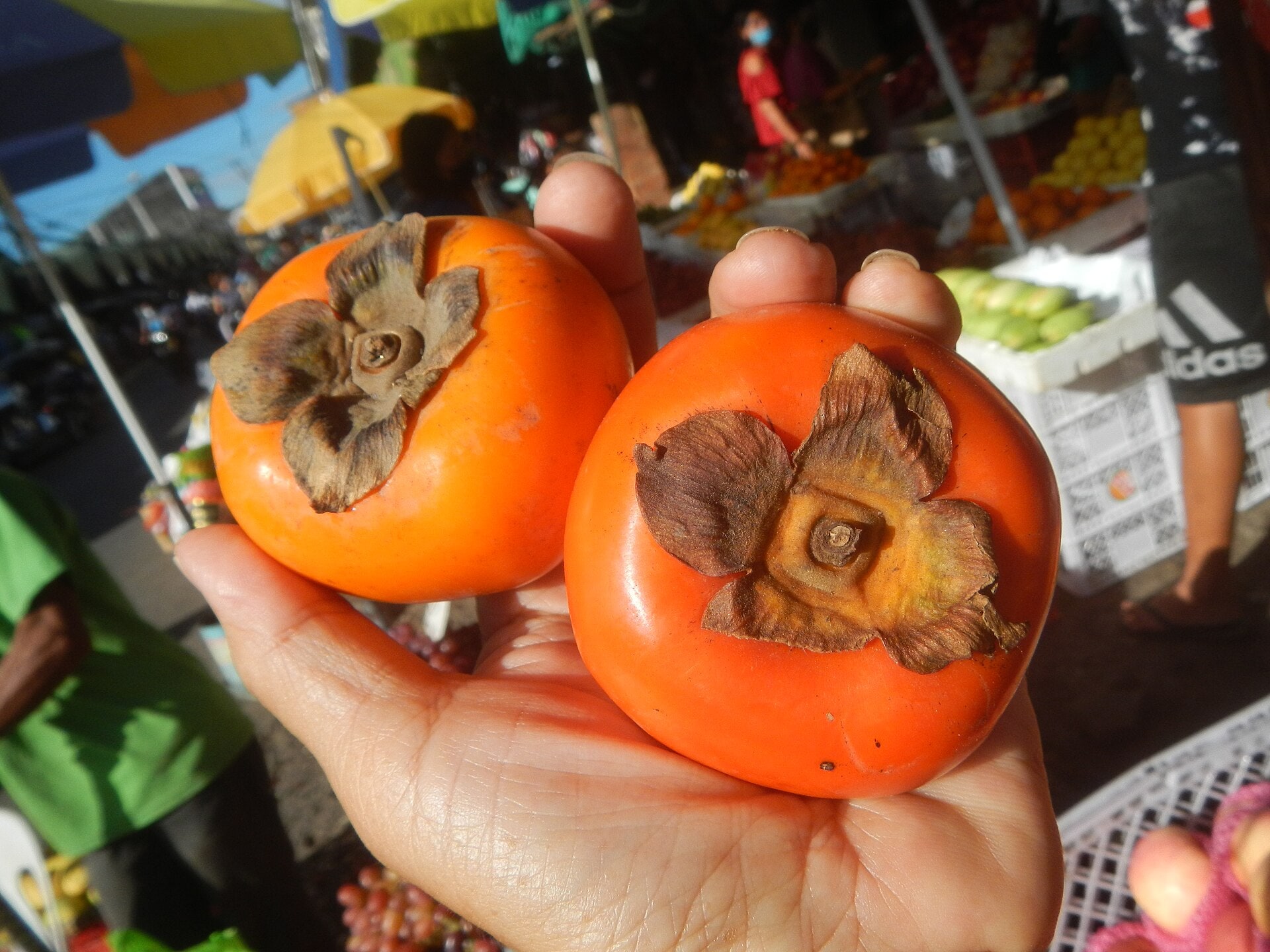
Markets are worth a morning even if you are not cooking. You will see what is in season, how prices shift, and which stalls draw local families. Buy fruit for the room and snacks for scooter rides.
How Much Does Eating in Siargao Cost?
Prices span a wide range. Local eateries and market food can be very affordable, especially for rice plates and short-order meals. Tourist cafes charge more for coffee, bowls, and imported ingredients. Seafood prices depend on catch, season, and whether you are on the main strip.
A practical budget mixes both worlds: cafe breakfast a few times a week, local lunch most days, and a nicer dinner when you want seafood or a social night out. Sharing grilled fish with friends often costs less per person than everyone ordering separate Western plates.
Imported ingredients and alcohol push bills up faster than local plates. Happy hours and lunch menus can help if you want a social night without overspending. Traveling with a reusable water bottle also cuts small daily costs while you ride between food stops.
Tipping is appreciated but not always expected in small local shops. Carry cash for markets and tricycle snacks. Cards work in larger restaurants, but outages happen. If you are comparing neighborhoods for food access, our stay guide for General Luna and Pacifico explains how location affects your daily eating routine.
Food is also how you recover from active days. After island hopping or a long ride north, a heavy Filipino plate and an early night may beat another trendy dinner. Listen to appetite and weather. Siargao's food scene is generous when you let it match the day you actually had.