
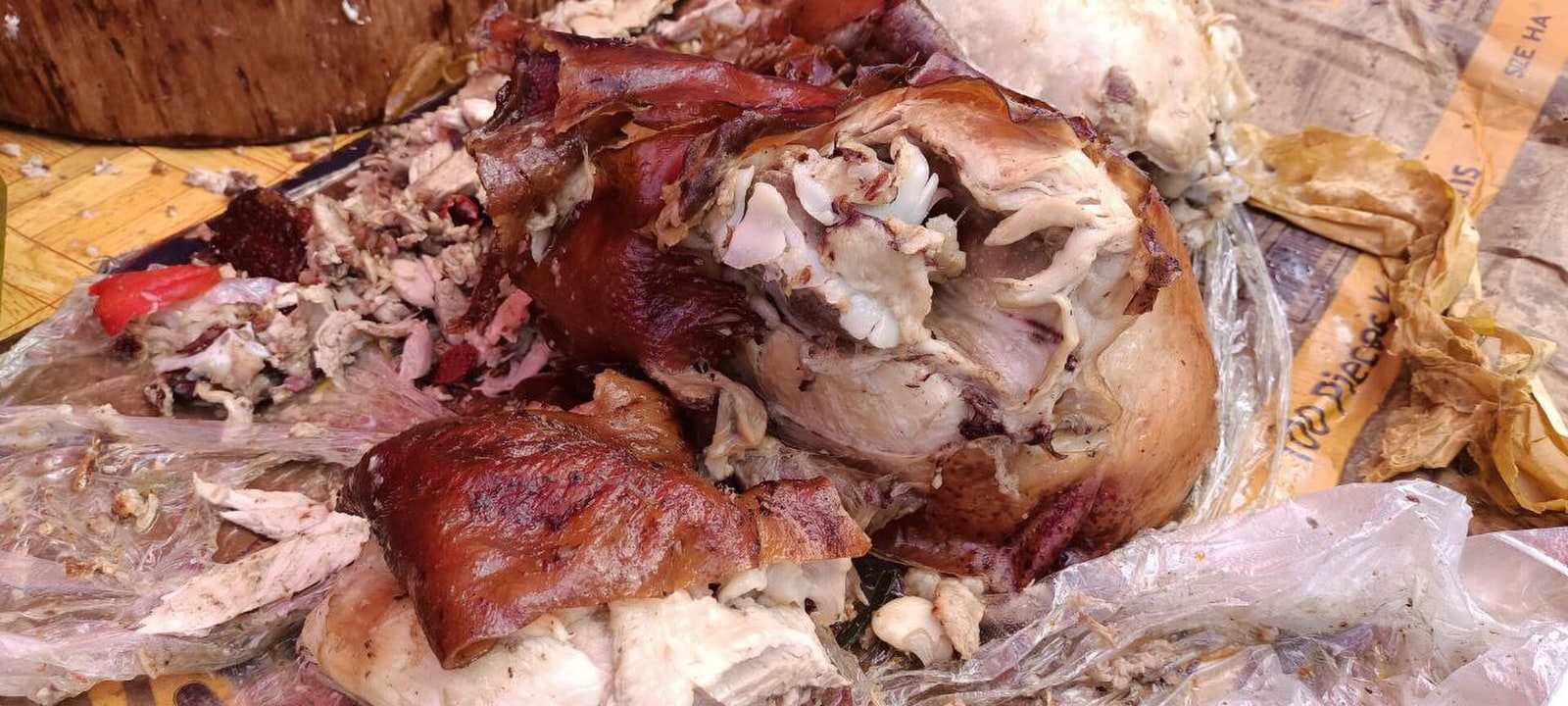
The quick answer is lechon, but Cebu is much more than one famous roast pig. A good food trip should also include puso rice, charcoal-grilled skewers, dried fish, seafood, fruit from a public market, and at least one neighborhood meal away from the tourism strip. The city rewards curiosity, especially when you eat where local families eat.
This guide moves from the dishes Cebu is known for to the places where everyday food still shapes the city. You do not need a long list or a strict schedule. Choose a few specialties, follow your appetite, and leave room for the next meal.
Why Is Cebu Famous for Lechon?
Cebu lechon has a reputation that reaches far beyond the island. The difference is in the cooking. A whole pig is stuffed with lemongrass, garlic, herbs, and sometimes coconut milk or native spices, then roasted slowly over charcoal until the skin turns dark, glassy, and crisp. The meat should be juicy and savoury enough to eat without sauce.
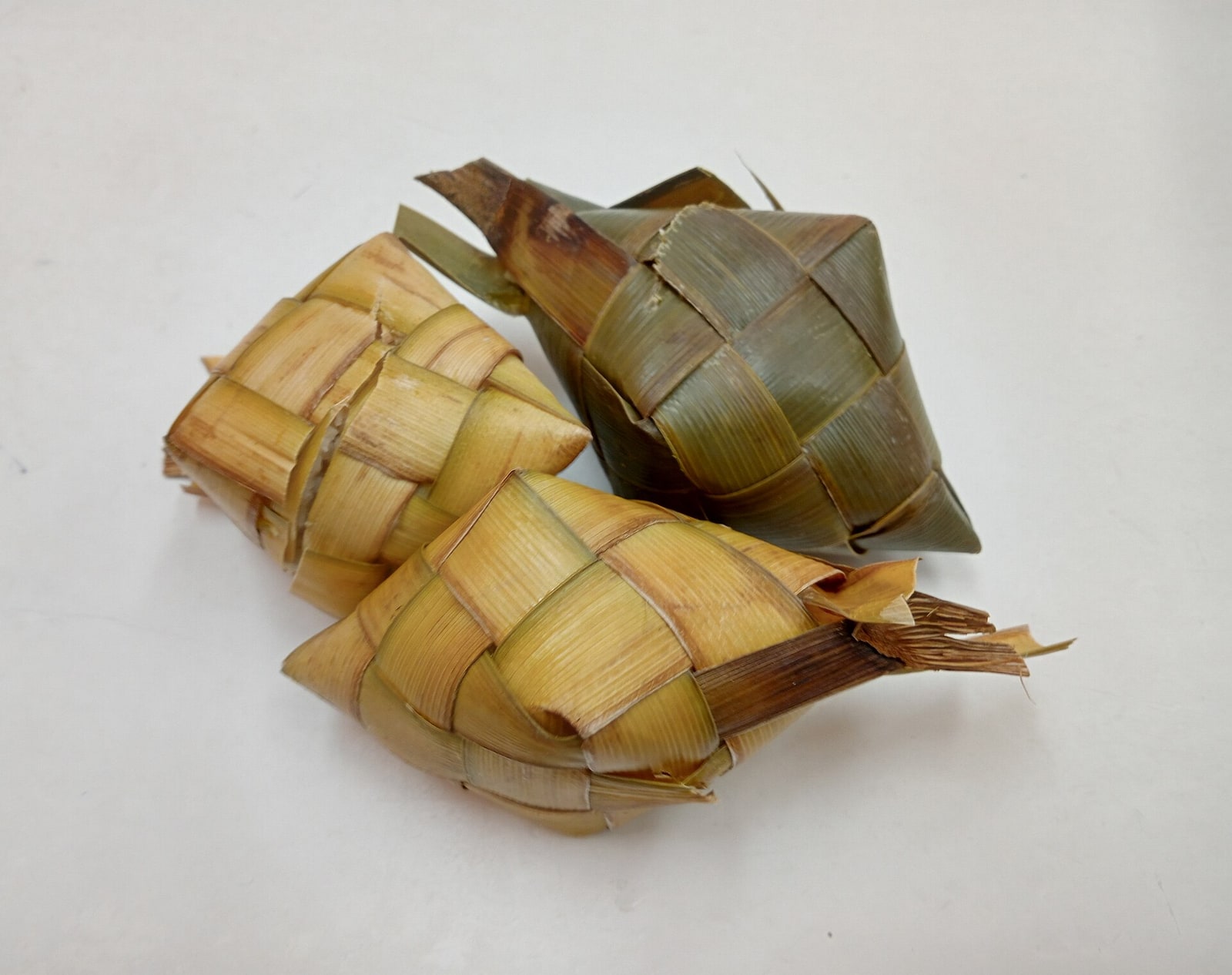
The best introduction is a plain quarter kilo with puso, a portion of rice steamed inside woven coconut leaves. Dip it in vinegar with onion and chilli if you like, but taste the pork first. Cebuano lechon is often less sweet than versions elsewhere in the Philippines, with a stronger herbal aroma and a salty, crisp finish.
You will find lechon at specialist restaurants, takeaway counters, birthday tables, and market stalls. In Cebu City, established lechon houses make ordering easy for visitors. If you go south to Carcar, the public market offers a more local experience, with vendors chopping fresh roast pork to order. Ask for a mix of skin and meat rather than skin alone.
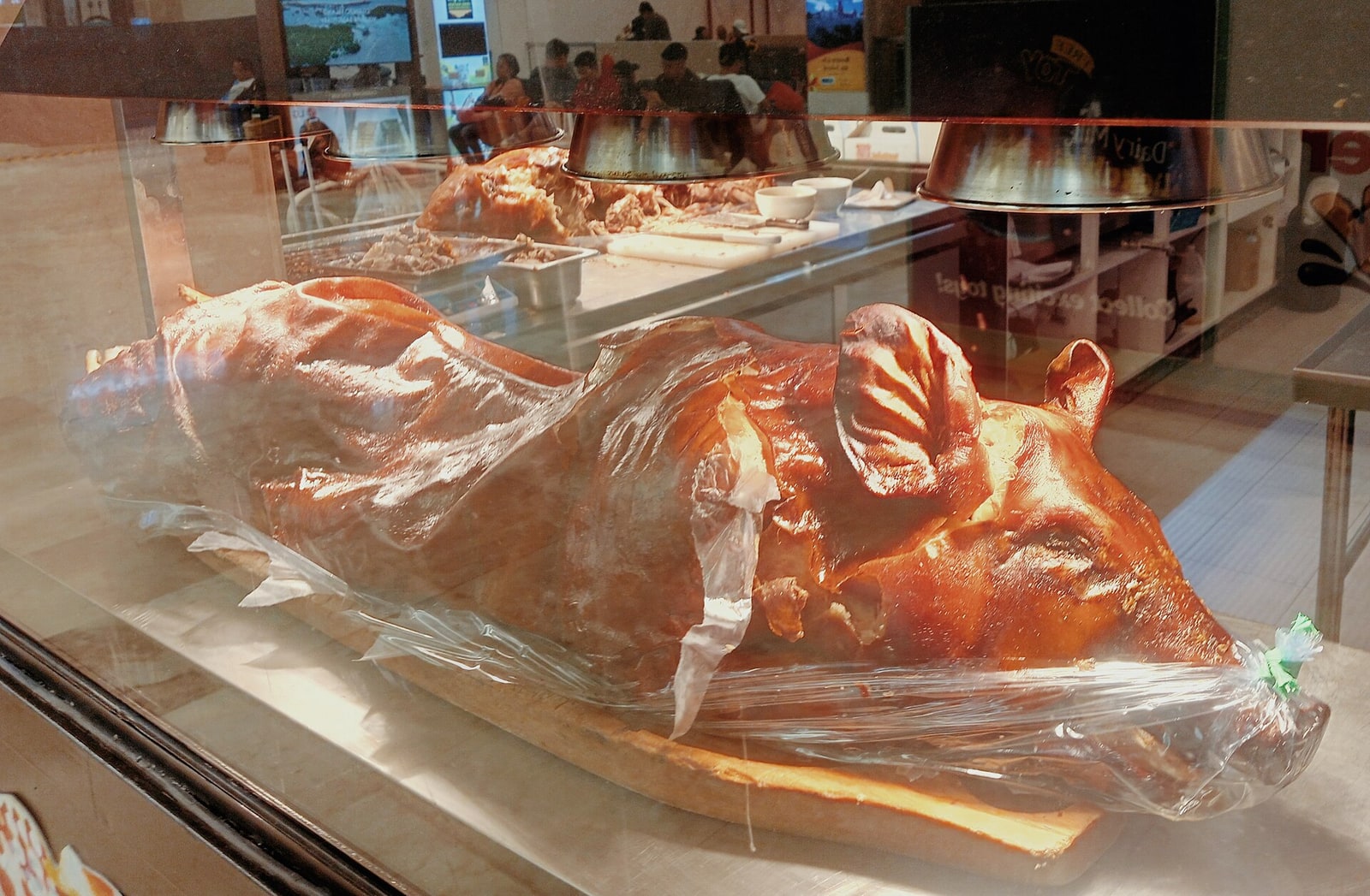
Timing matters. Lechon is best soon after it comes out of the fire, when the skin still crackles and the meat has not dried out. Lunch is usually the safest bet, and popular stalls can sell out before late afternoon. If you are buying by weight, say how much you want before the vendor starts chopping, then add puso and a soft drink.
What Is Larsian and What Should You Try?
Larsian is an open-air barbecue market near Fuente Osmena in Cebu City. Several stalls share one covered space, with long tables in the middle and vendors grilling pork, chicken, sausage, seafood, and offal over charcoal. It is informal, noisy, and more about the experience than a polished restaurant meal.
Walk past the stalls first and look at what is fresh. Pork belly, chicken thigh, chorizo, squid, and fish are easy choices for a first visit. You can also try chicken intestines, pork ear, or other skewers if you enjoy stronger flavours. Point at what you want, confirm the price, and let the vendor grill it while you find a table.
The food usually arrives with puso, vinegar, soy sauce, calamansi, and chilli. Eat the skewers while they are hot and order in small rounds rather than filling the table at once. A cold beer or soda cuts through the smoke and salt. For visitors with sensitive stomachs, choose a busy stall, avoid food that has been sitting, and ask for the grill to be well done.
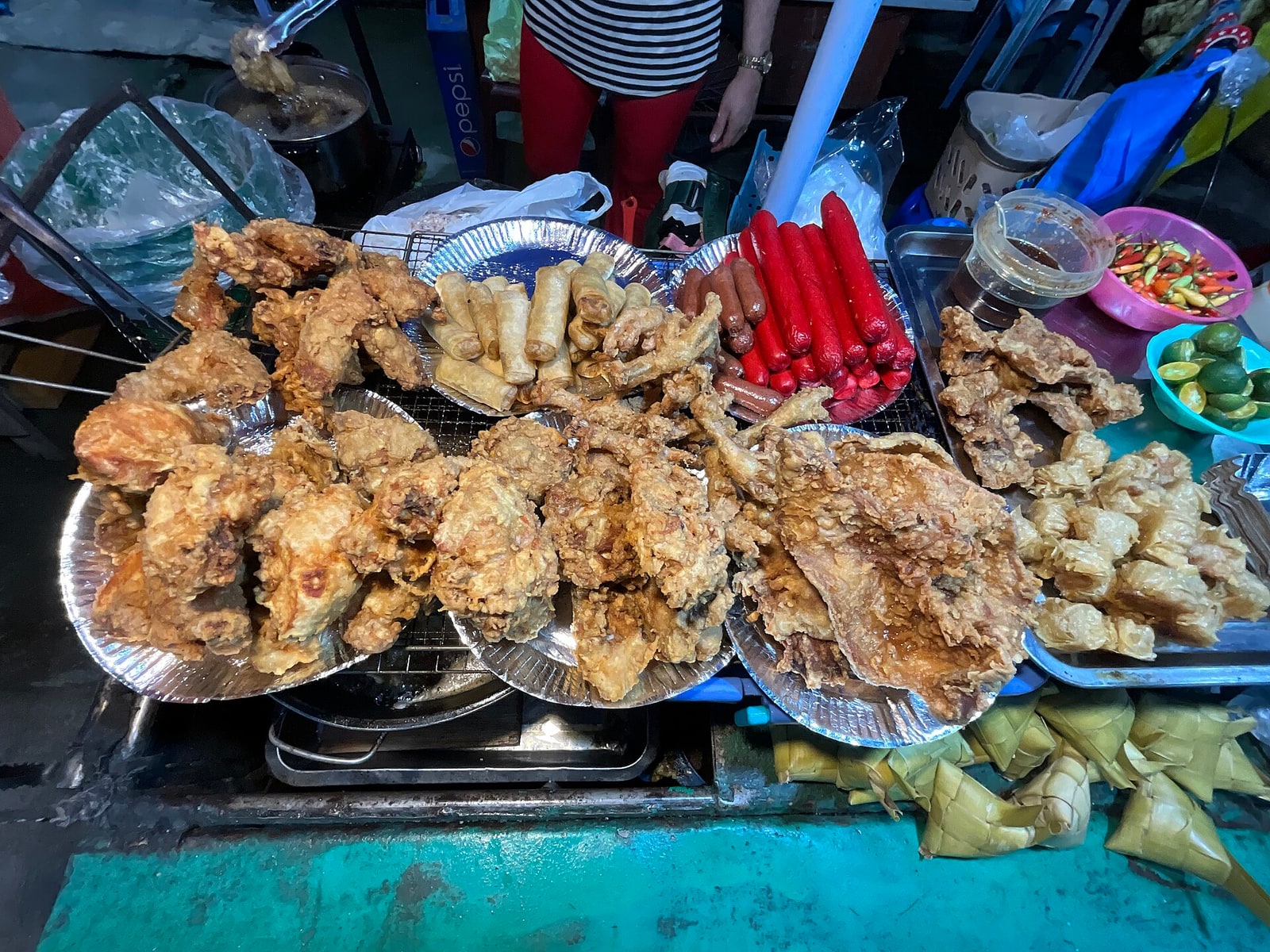
Larsian is not a quiet dinner. It is best when you arrive hungry, bring a little patience, and treat the smoke and conversation as part of the meal. If the main courtyard feels overwhelming, nearby barbecue restaurants serve similar food in calmer surroundings.
Which Cebuano Dishes Are Worth Ordering?
Beyond lechon, look for dishes that reflect how Cebu eats every day. Puso is not just a side; it is the practical heart of many meals. Ngohiong, a fried spring roll filled with vegetables and sometimes pork, is a popular snack with a sweet and sour dip. Kinilaw, raw fish cured in vinegar, calamansi, ginger, and chilli, is bright and refreshing when made with fresh catch.
Seafood is another essential part of the Cebu food map. The local term sutukil describes three ways of preparing fish and shellfish: sugba for grilling, tuwa for soup, and kilaw for ceviche. On the Mactan coast, a table of grilled squid, scallops, prawns, and fish can be one of the island's best meals. Dried danggit and other salted fish are common at breakfast, served with rice, egg, and vinegar.
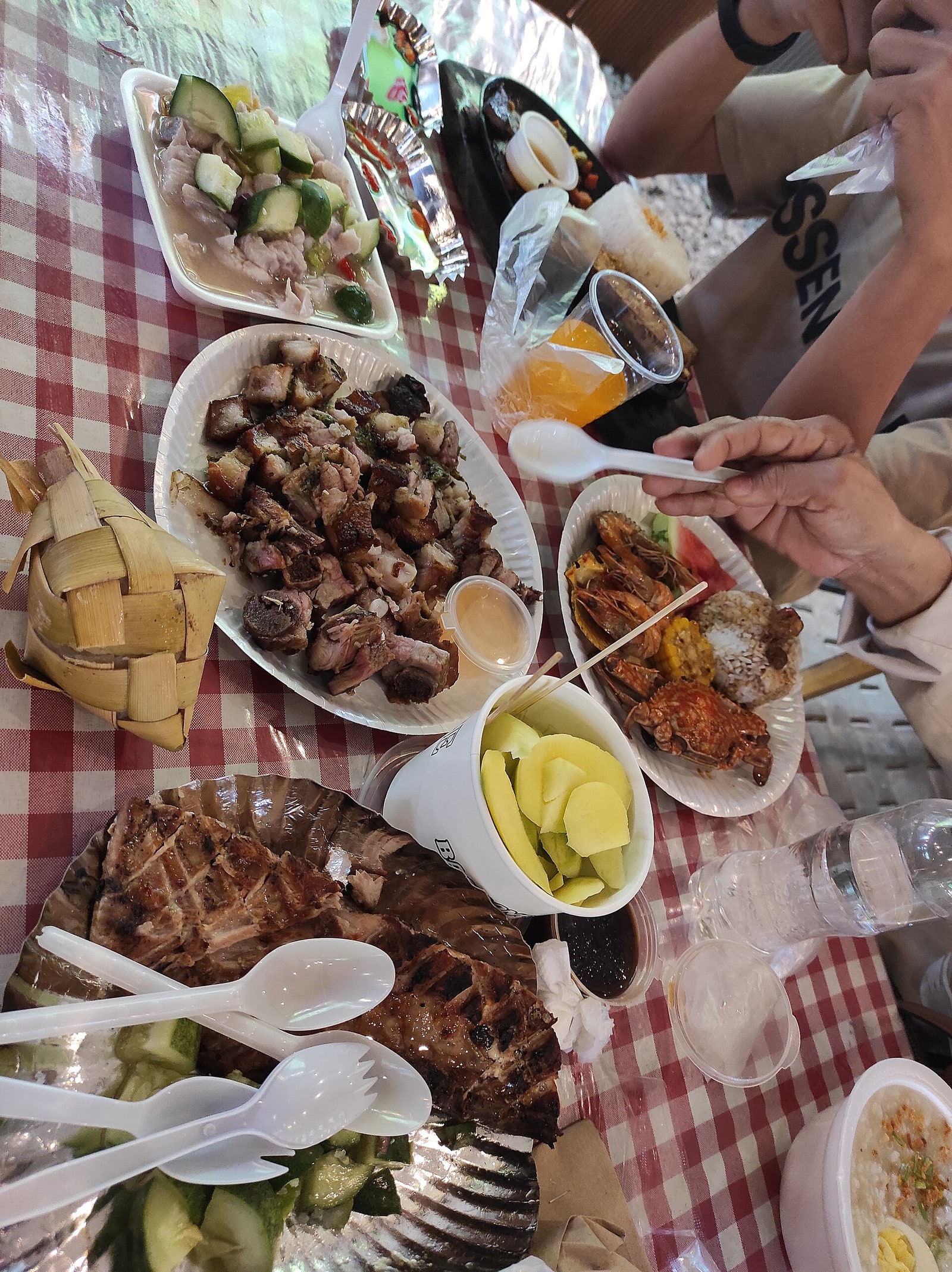
Do not overlook humble snacks. Siomai stalls, chicharon, banana cue, and fresh mango shakes appear across the city. For dessert, ripe mango is superb in season, whether eaten fresh or blended with ice. If you see a bakery, try local breads and pastries for breakfast. The flavours are simple, but they show another side of Cebuano cooking.
Where Do Locals Go for Everyday Food?
Everyday eating often happens in carenderias, small canteens with trays of cooked dishes behind glass. You point at the vegetable, fish, pork, or noodle dish you want, and it is served over rice. These places are fast, affordable, and especially busy around lunch. Look for a steady stream of office workers, students, or tricycle drivers. A full plate usually costs far less than a restaurant meal. Explore more Cebu food ideas before choosing a neighbourhood.
Public markets are equally important. Carbon Market is chaotic, historic, and full of produce, dried fish, meat, and snacks. Carcar Public Market is worth a stop on a southern day trip, especially for lechon and local delicacies. In the city, the streets around Tisa and the older residential districts have long-standing food stalls that rarely appear in guidebooks.
For a slower day, pair lunch with a market visit and an afternoon cafe. Cebu's cafe scene has grown quickly, but the most memorable meals usually come from a specialist lechon shop, a seafood grill, or a neighbourhood eatery with only a few items on the menu. A slow week in Cebu is a useful way to spread those meals across different parts of the island.
What Can You Find in Cebu's Markets?
Cebu's markets sell much more than ingredients. At a wet market, you can see dried fish arranged in neat rows, sacks of rice, tropical fruit, root vegetables, herbs, and small packets of spices. Vendors may also sell prepared snacks, puso, native sweets, and seasonal fruit that never makes it to hotel menus. Mango, pineapple, banana, coconut, and calamansi are common, though availability changes through the year.
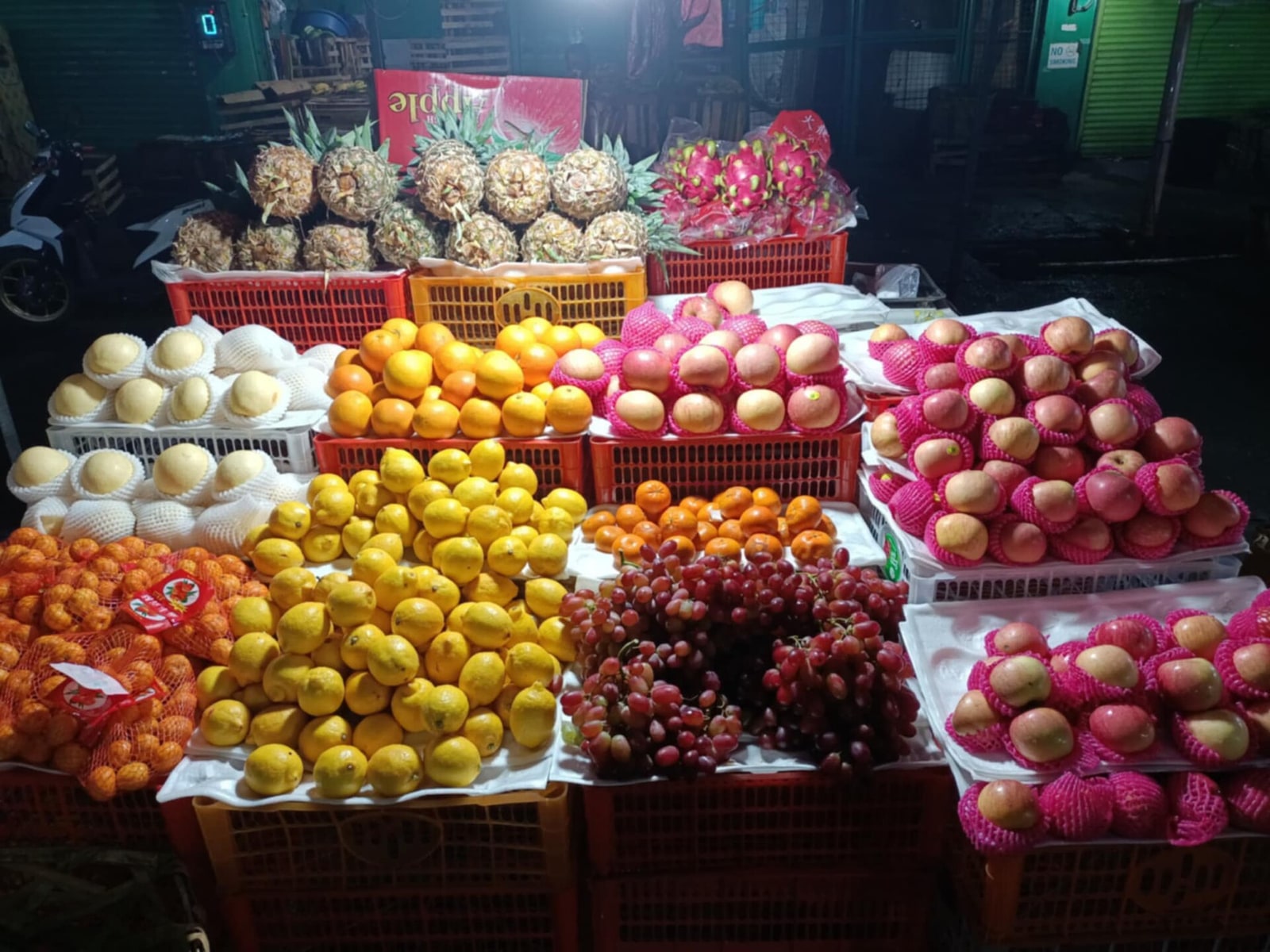
Go early if you want to see the market at its liveliest. Bring small cash, keep bags close, and ask before taking photos of people or stalls. English is widely understood, but a smile and a simple question go a long way. If you are unsure what something is, ask how it is eaten. Vendors often enjoy explaining a local snack or the right way to cook a particular fish.
Market food is also a good introduction to regional differences. The southern town of Carcar is known for its roast pork and crunchy chicharon, while coastal towns lean toward dried fish and seafood. In Cebu City, Chinese, Spanish, and indigenous influences appear in bakeries, noodle dishes, and family recipes. The market is a compact version of that history.
How to Explore Cebu Through Food
Build a food day around one or two anchor meals instead of chasing every recommendation. Start with a local breakfast such as danggit, egg, and rice. Visit a market in the morning, then eat lechon and puso for lunch. Take a long cafe break during the hottest part of the afternoon, when traffic and heat make moving around less pleasant.
For dinner, choose between a seafood meal near Mactan, a barbecue feast at Larsian, or a neighbourhood carenderia. If you are staying for several days, rotate between city food, coastal seafood, and a southern market trip. That gives you a broader picture than staying on one restaurant strip. Cebu is more than island hopping when food and local life are part of the plan.
Vegetarians can eat well, but the menu may require more questions. Look for vegetable dishes, grilled corn, fruit, noodles, and rice meals, and ask whether sauces or stocks contain meat. Anyone with allergies should carry a written explanation in Filipino or ask a local speaker for help. Finally, pace yourself. Cebu's portions are generous, the weather is warm, and the next excellent meal is rarely far away.
If you have only one day, do not try to cover the whole province. Keep the route compact, choose quality over quantity, and return to a favorite stall if time allows. Food is one of the clearest ways to understand Cebu, but the best meals are rarely improved by rushing between them.