Yes — a week in Cebu can feel full without feeling rushed, if you treat the province like a place to live briefly rather than a checklist to defeat. Seven days allow city food, one highland escape, one water day, and several afternoons that belong to nothing in particular.
The trick is rhythm, not volume. You are not trying to see every island, waterfall, and church; you are building a pace that survives heat, traffic, and the temptation to book one more tour. Below is how that week can look in themes, not hourly schedules.
What Does a Slow Morning in Cebu Look Like?
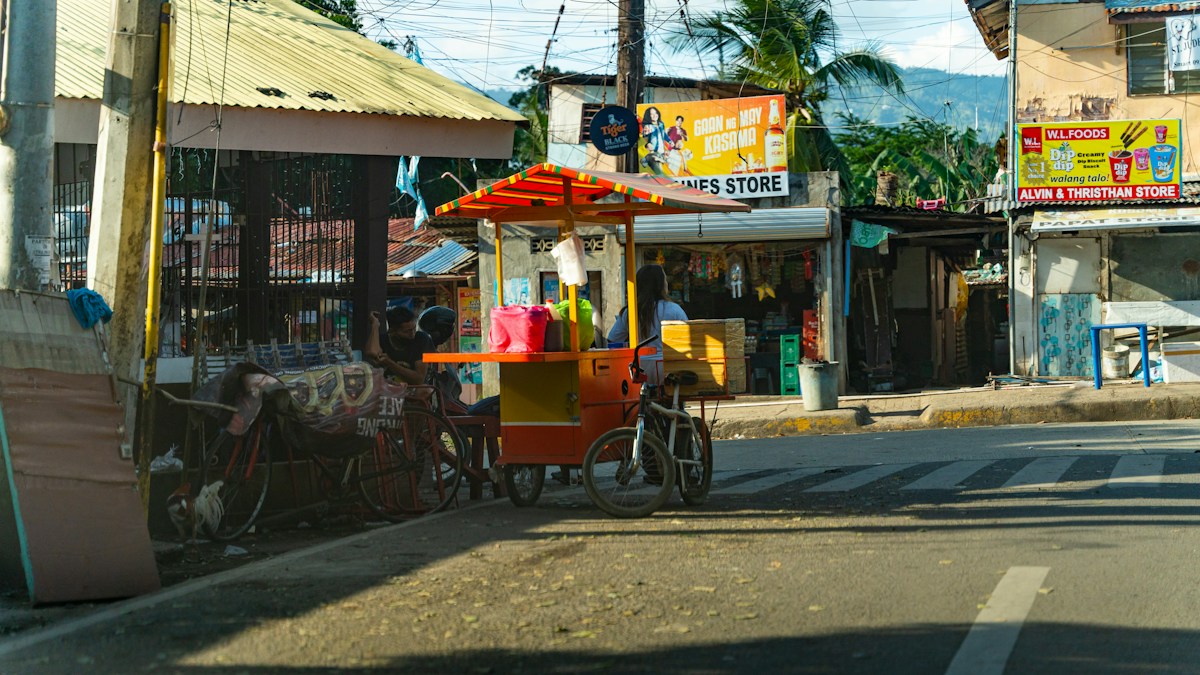
Humidity arrives early, so shade matters as much as coffee. Slow mornings start with shade and caffeine. In the city, that might mean a specialty coffee shop before the basilica opens, or fruit from a market stall while jeepneys still rumble softly. On Mactan, it could be pool quiet and sea breeze before boat engines crank up.
Avoid stacking sunrise tours every day. One early highland departure is enough; other mornings should protect sleep and breakfast. Read the weather from the balcony — tropical skies tell you whether to plan coast or museum.
Slow mornings set honesty for the rest of the day. If you are still at the table at ten, maybe the “big trip” becomes a neighborhood walk instead. Protect at least three mornings per week from alarms.
Journal, read, or people-watch from a cafe window. Those hours count as travel, not wasted time.
Where Do Locals Shop and Eat?
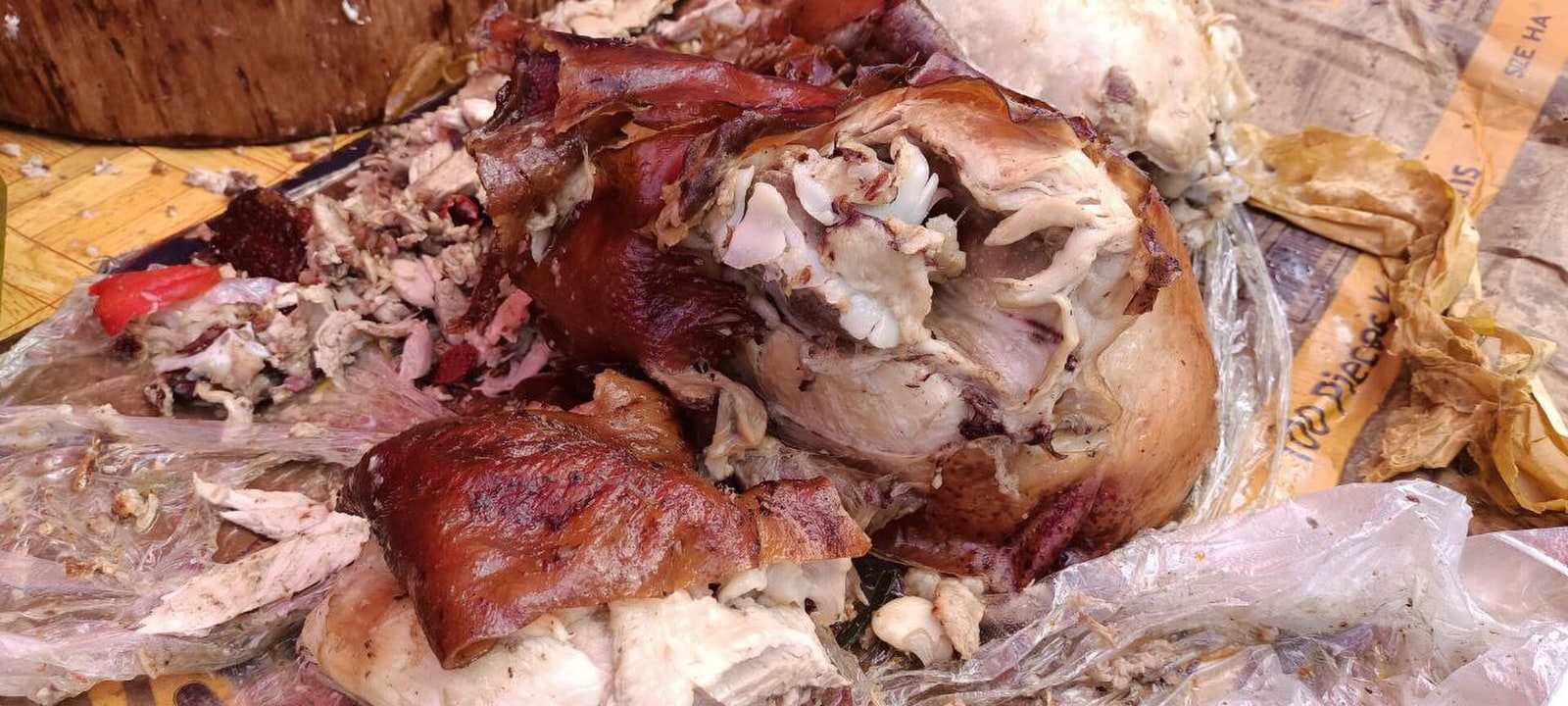
Locals shop at markets like Carbon for produce and dry goods, at supermarkets for routine runs, and at roadside stands for fruit and barbecue. Eating happens at carinderias, lechon counters, mall food courts, and home kitchens — not only at waterfront buffets.
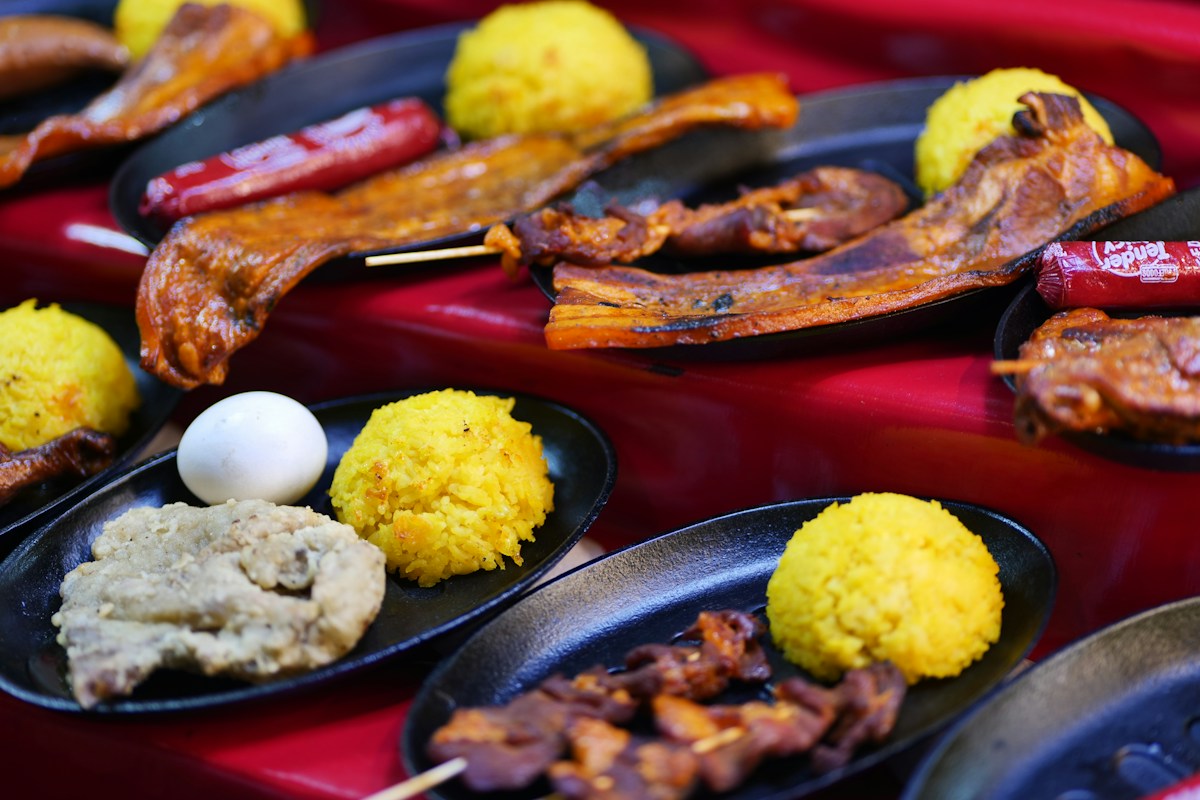
Follow crowds at lunch: busy stalls turn food quickly and safely. Try puso with pork, grilled fish, and whatever mango is in season. Ask hotel staff where they eat on Sundays; answers beat algorithm lists.
Shopping and eating are how you learn Cebu’s neighborhoods. Repeat a stall twice; the vendor remembers, and the portion improves. Carry small bills and patience — lines move at human speed, not app speed.
Weekend markets swell; weekday lunches reveal workaday Cebu. Both are worth one visit each.
Supermarkets and malls are part of local life too — they are where families stock up before Sunday lunch, not “boring” detours from authentic travel.
How Much Time Should You Spend at the Beach?
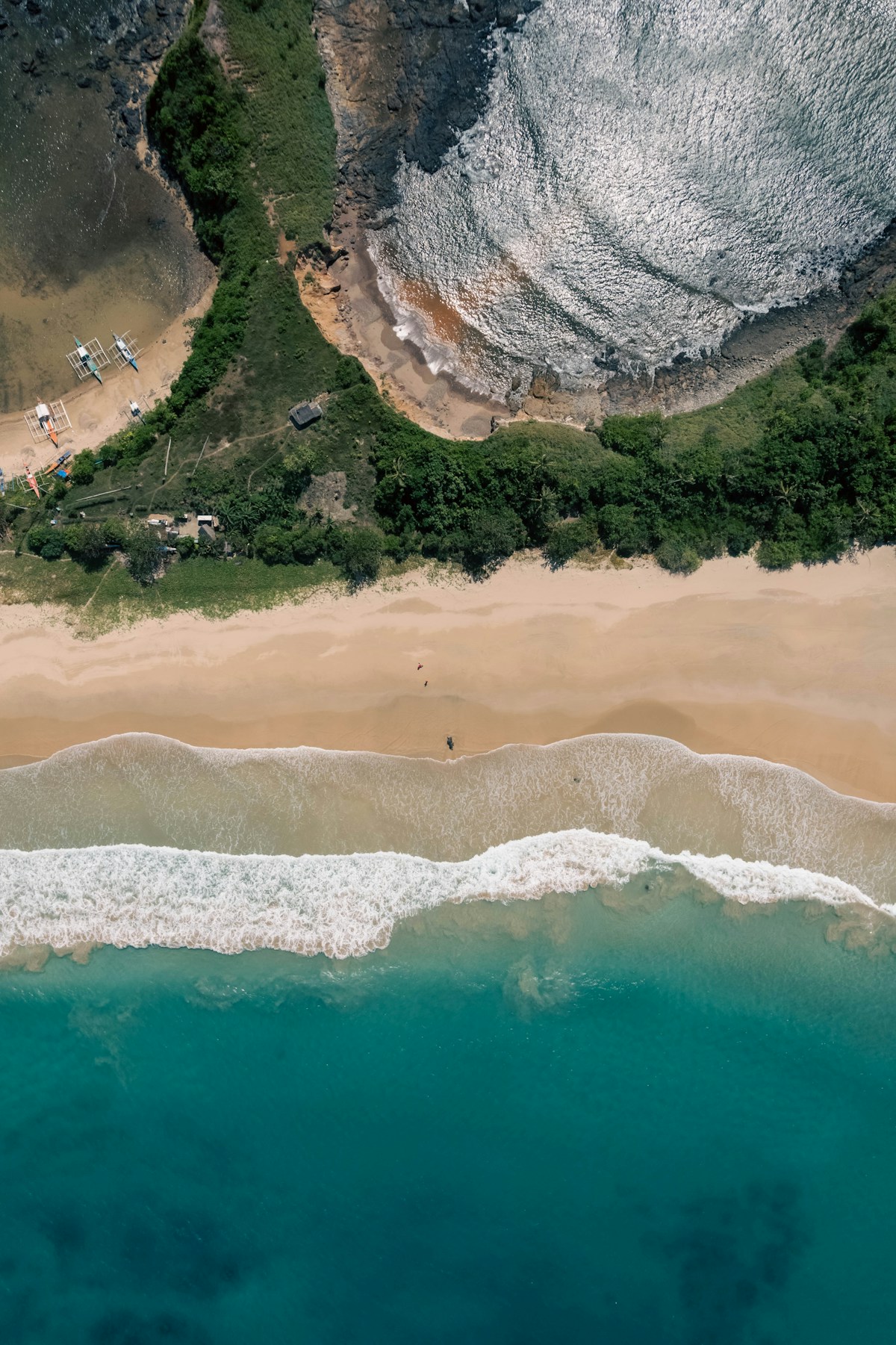
One full beach or island day is enough for many week-long stays. Add a half-day if weather is perfect; subtract if seas are rough. Cebu’s best slow weeks are not “beach every day” unless you came specifically to dive daily.
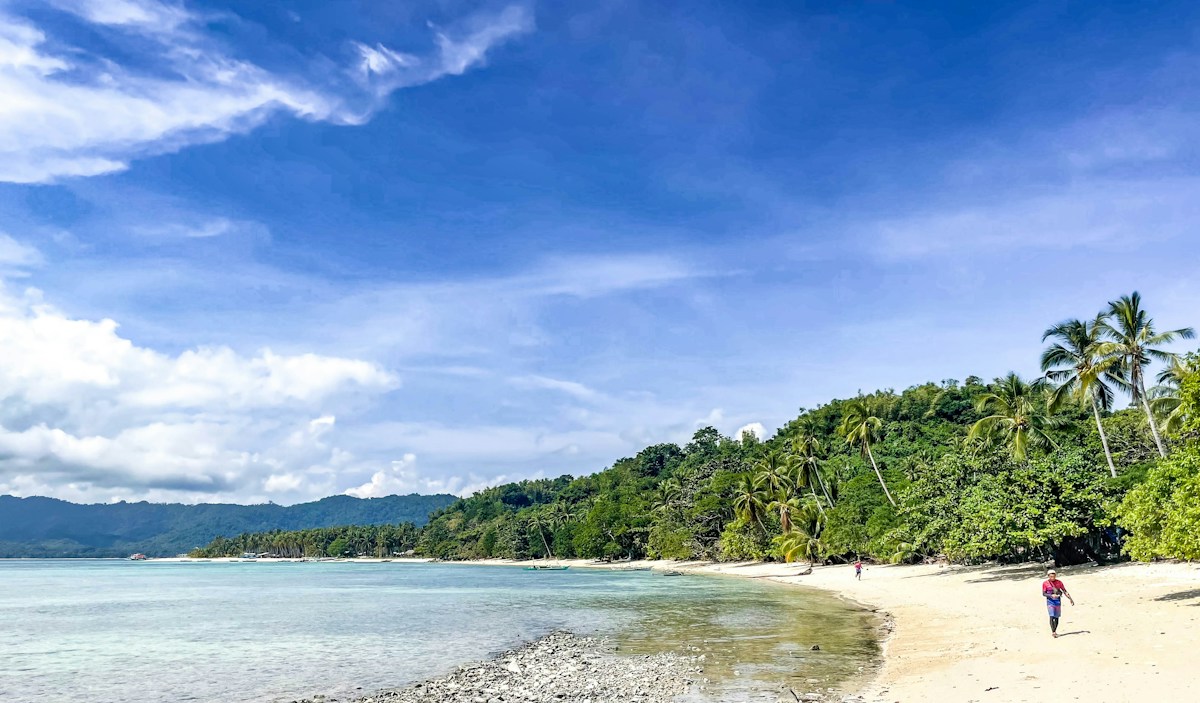
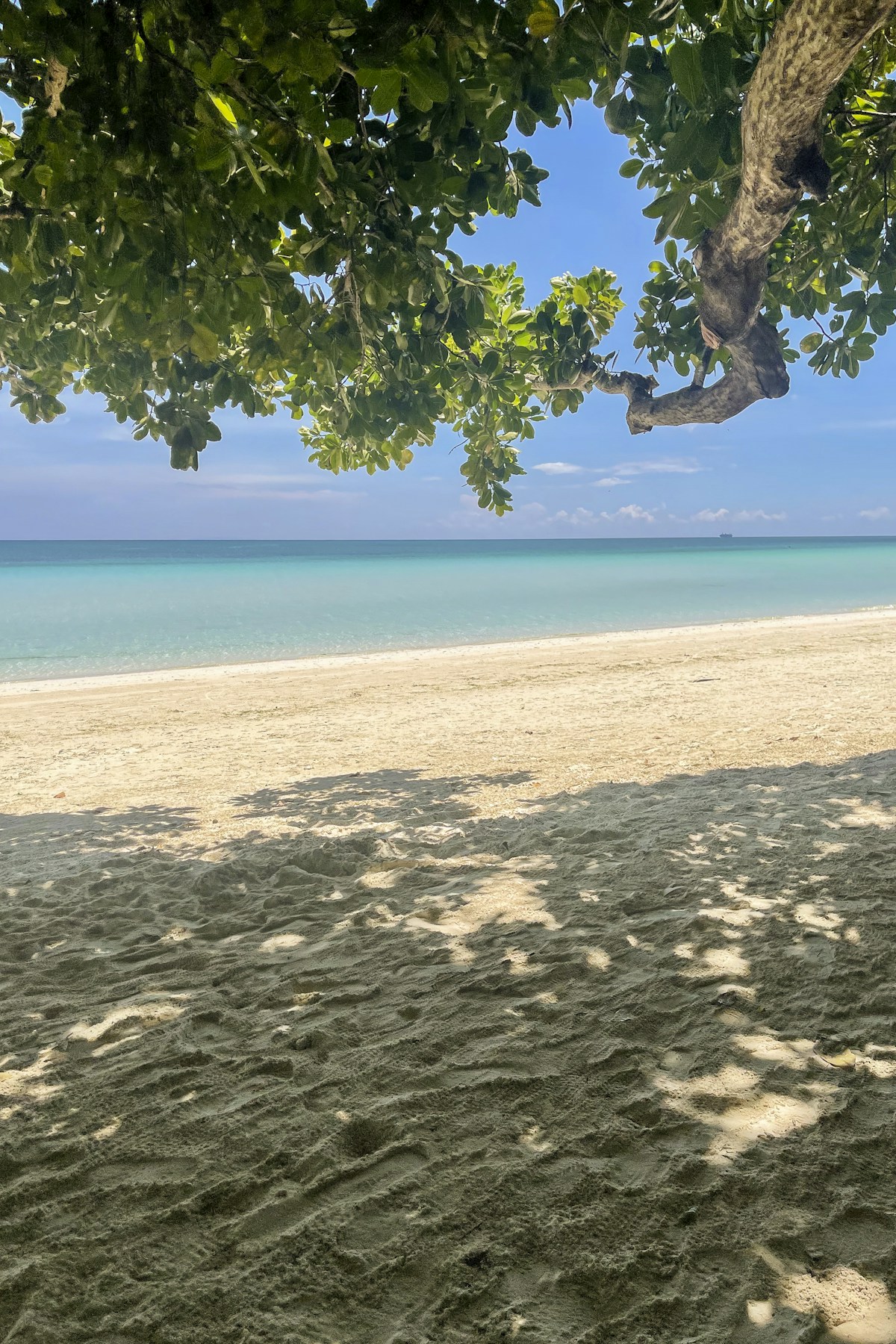
Balance water with city food and highland air. Sunburn and boat fatigue accumulate; the seventh day should not feel like recovery from the third. If you stay on Mactan, micro-beach visits can spread across mornings without a formal “island tour.”
Time at the beach is quality over quantity: one long swim, one shaded lunch, one walk — then leave before you stop noticing the color of the water. Divers may schedule more water time; everyone else should guard against salt-and-sun exhaustion.
Where Can You Take a Break From the City?
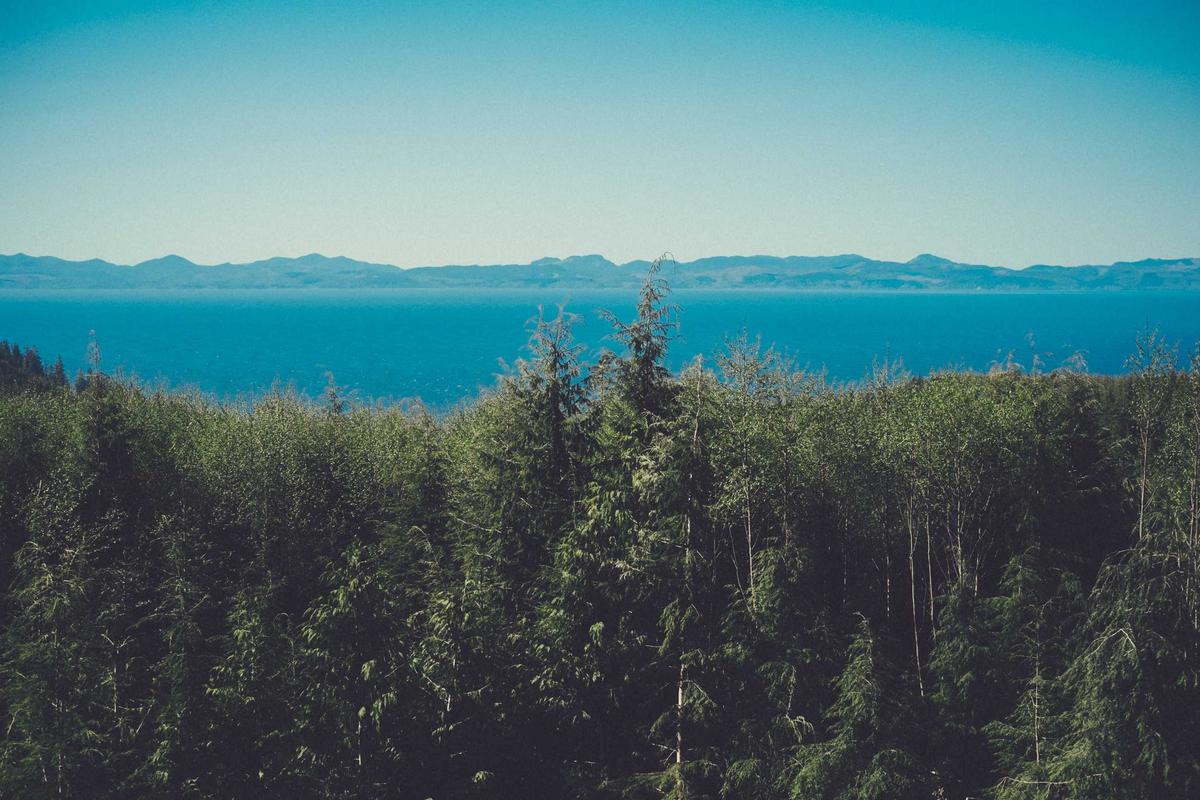
Breaks can be geographic or temporal. Sirao’s flower fields and Carcar’s heritage streets cool the mood without a flight. Taoist Temple and hillside cafes offer elevation above exhaust fumes.

Temporal breaks matter too: an afternoon movie, a spa on Mactan, or simply staying in with room service when rain sheets the glass. Cebu punishes nonstop urban walking; schedule collapse time like you schedule tours.
Link one break day to attractions at a slower pace if you want nature without a packed van schedule. A break can also mean switching bases — two nights on Mactan after five in the city resets your ears and lungs.
What Is Cebu Like After the Day-Trippers Leave?
Evenings soften the edges. Markets wind down; barbecue smoke replaces sun glare. Rooftops and harbor walks feel different after six — less hurry, more families. Resorts quiet early except on weekends; city neighborhoods keep a slower buzz until late.
Night is when conversations stretch — with drivers, hosts, or fellow travelers at a grill. Cebu does not shut at sunset, but it changes register. Let at least two evenings stay unbooked to feel that shift.
Safety is the usual urban awareness: stick to lit streets, use reputable transport, and avoid empty waterfront stretches alone late at night. Evening church services and night markets offer culture without bar culture if that is your preference.
Listen for live music spilling from small bars — not every night out requires a rooftop ticket. Cebu’s evenings can be inexpensive and local if you follow sound and smoke.
A Simple Seven-Day Rhythm in Cebu
Think in blocks, not numbered days. Block one — city anchor: arrive, eat lechon, walk churches and markets, book a driver for later. Block two — highland: Carcar lunch, Sirao or a viewpoint, early night.
Block three — water: one island or south coast day, flexible for weather. Block four — repeat what you loved: the cafe, the stall, the neighborhood you glimpsed from a taxi. Block five — buffer: laundry, gifts, rain plan, optional things to do you skipped.
Leave the last full day light before your flight. Cebu rewards return visits; you do not owe the province every pin on the map in one week.
Within blocks, keep two afternoons completely open. Use them for naps, bookstore browsing, or revisiting a lechon line you dream about. A simple rhythm beats a color-coded spreadsheet.
If you are remote-working, stack calls on buffer days and explore on clear mornings. Cebu supports hybrid weeks when WiFi and air conditioning are chosen as carefully as tour routes.
A slow week here is measurable in meals remembered and mornings not alarmed — not in ferries caught. If you end tired but not depleted, you answered the question the right way.
Bring one reusable bag for market runs and one outfit you are willing to wear twice — laundry services are cheap and slow travel should not mean overpacking. Keep one fancy dinner optional; Cebu’s best meals are often plastic chairs and paper plates.
Share plans loosely with travel partners. One person may want an extra island day; another may want a third lechon stop. A slow week accommodates negotiation when the default is “not today” rather than “we paid for the tour.”
Document one small ritual — same coffee order, same sunset bench — so the week feels anchored even when routes change. Rituals turn a province into a temporary home.
When you fly out, note what you skipped on purpose, not only what you saw. Skips are proof you traveled slowly enough to choose.
Mid-week, check in with your body and your budget. If both feel steady, add one optional tour; if either feels thin, subtract one. Slow weeks are self-correcting when you treat energy as data.
Teach yourself one Cebuano phrase or food name per day — it is a small habit that turns transactions into greetings. Vendors notice, and portions sometimes grow.
Rainy afternoons are gifts: museums, malls with local food courts, or long calls home while storms drum the roof. Fighting weather creates stress; accepting it creates stories.
By day six, you should know your favorite bridge hour, your favorite mango vendor, and whether you prefer city or island mornings. That self-knowledge is the week’s real souvenir.
If someone asks for your itinerary, describe themes instead of timestamps. “We ate well, swam once, and drove the highlands once” is a complete Cebu week when pace matters more than pins.
A week also gives you time to recover from travel lag without guilt. Sleep in once, walk twice, and trust that Cebu will still be there when you are ready — that is the opposite of a rushed port stop, and it is why seven days can feel easier than three.
End the week with one meal you repeat from day two — same dish, same chair if possible. Repetition signals that you found something real, not that you ran out of ideas. That single repeat is often the moment Cebu stops feeling like a tour.