Yes — Cebu’s most memorable attractions are not only on ferry schedules. The province combines highland waterfalls, hilltop memorials, Spanish-era churches, and coastal roads where the sea appears between palm trees and fishing boats. You can see a lot without treating every hour like a tour checkpoint.
The payoff comes when you choose one direction per day, start early for water stops, and leave room for rain, lunch, and slow driving. This guide focuses on what is worth your time, how the coast feels different from the highlands, and how to plan a calmer day on Cebu’s attractions hub.
Which Cebu Waterfalls Are Worth Visiting?
Kawasan Falls in Badian remains the headline act for good reason. The water runs that sharp turquoise color through a forest canyon, and even visitors who skip canyoneering can walk to the main pools for a swim. The experience is best before mid-morning, when tour groups are still on the road and the lower pool feels closer to the quiet place that made Cebu famous online.
Inambakan Falls and Cambais Falls are alternatives if you want blue water with fewer crowds, though they still require a southbound drive from Cebu City. Tumalog Falls near Oslob is often paired with whale-shark trips; if you are not joining those tours, consider whether the detour fits a slower pace. For most first-time visitors, one well-chosen waterfall day — usually Kawasan or a nearby cascade — is enough before you turn toward temples or the coast.
Hire a driver or join a small van if you are not comfortable on mountain roads. Bring dry bags, shoes that handle wet steps, and a change of clothes for the van ride back. Waterfalls are weather-sensitive; a light rain can make paths slick, while a dry week keeps the pools inviting. Fees are collected at official entrances — paying locally supports maintenance more than mystery “package” markups from random touts on the highway.
If you only have one waterfall slot in your trip, prioritize quality of time over a second cascade. A slow hour in clear water beats two rushed selfies at different gates.
What Makes Cebu's Coastal Scenery Different?
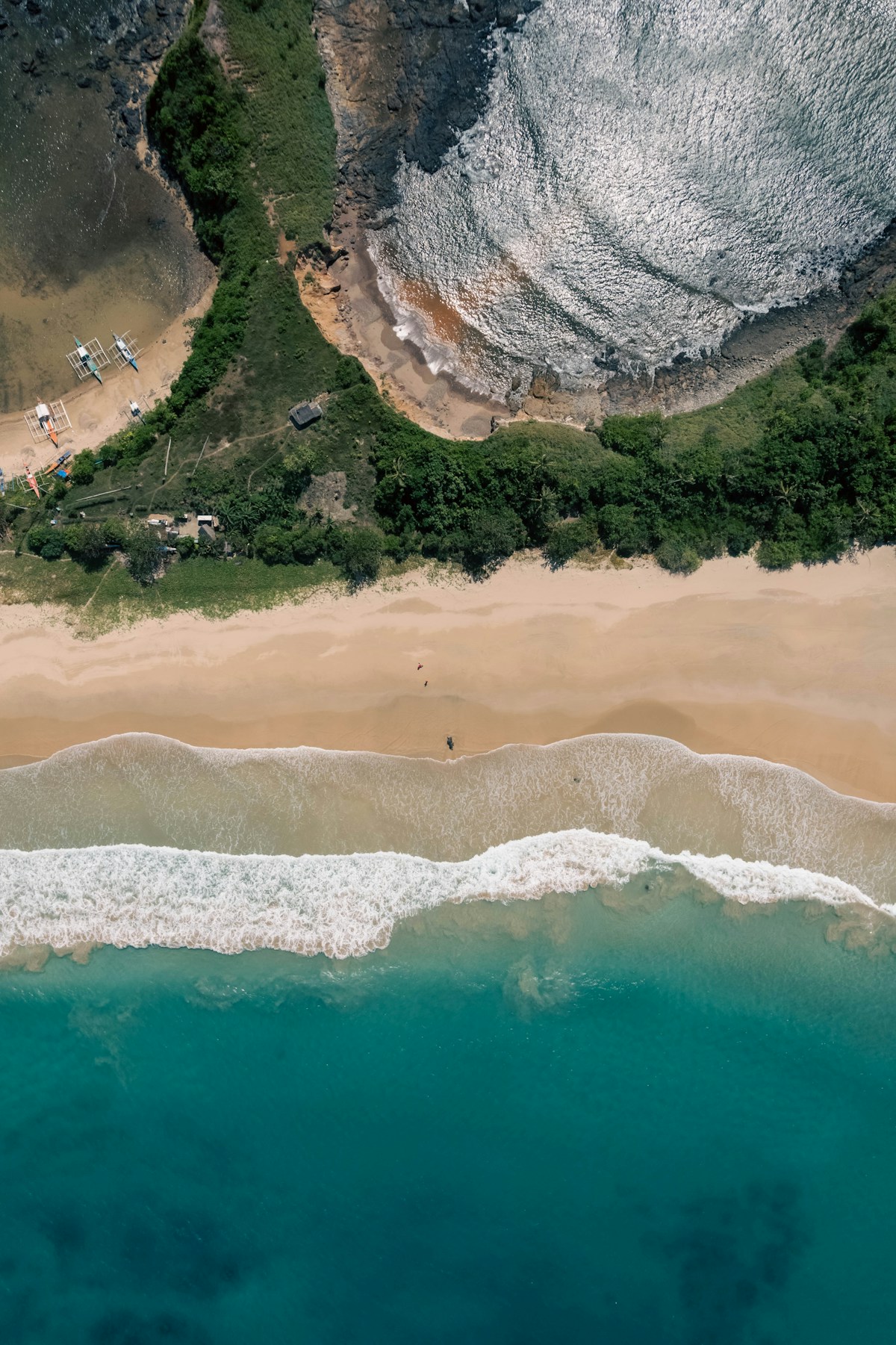
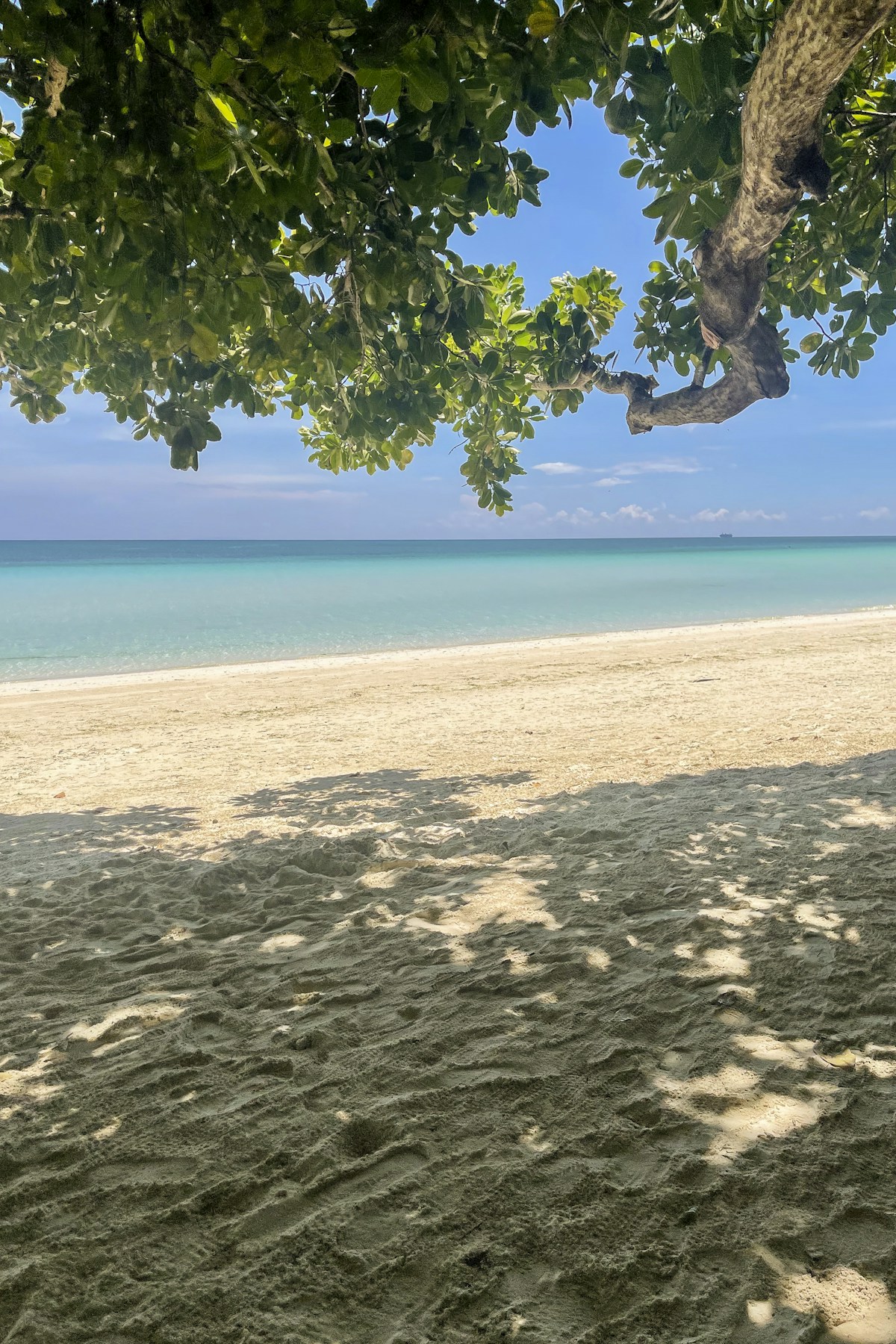
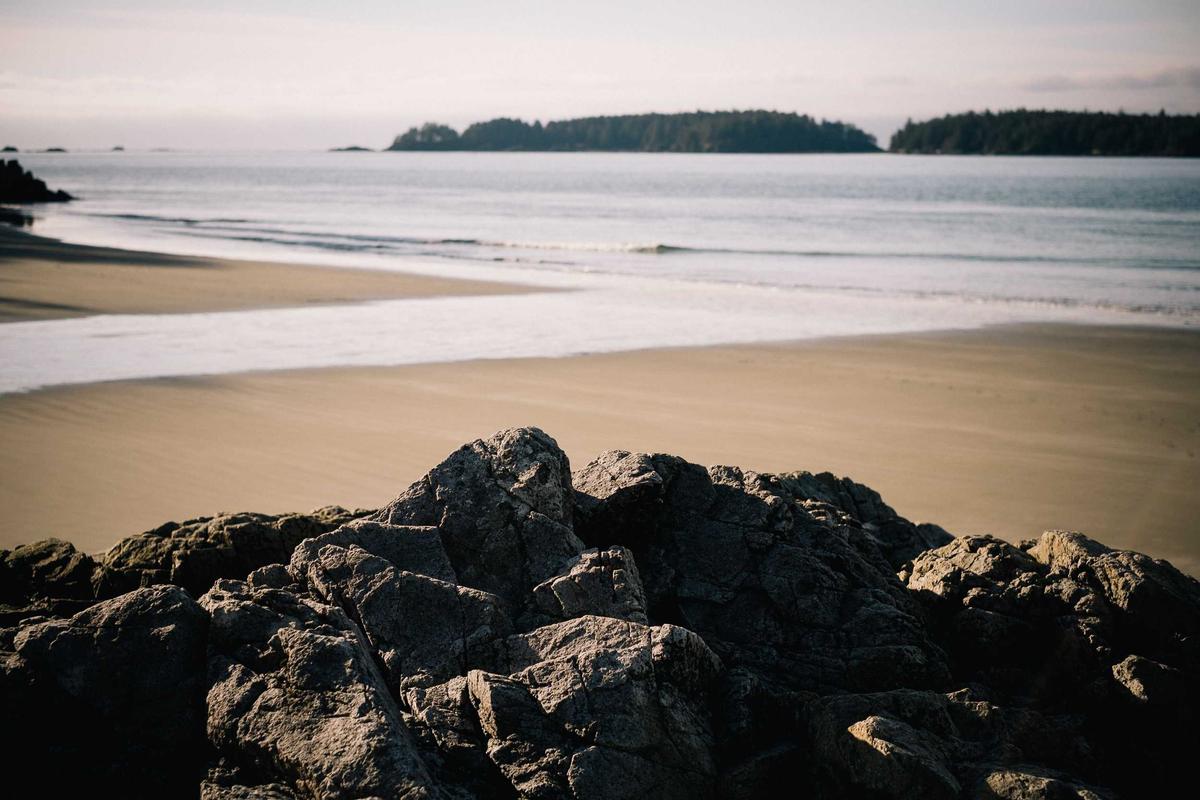
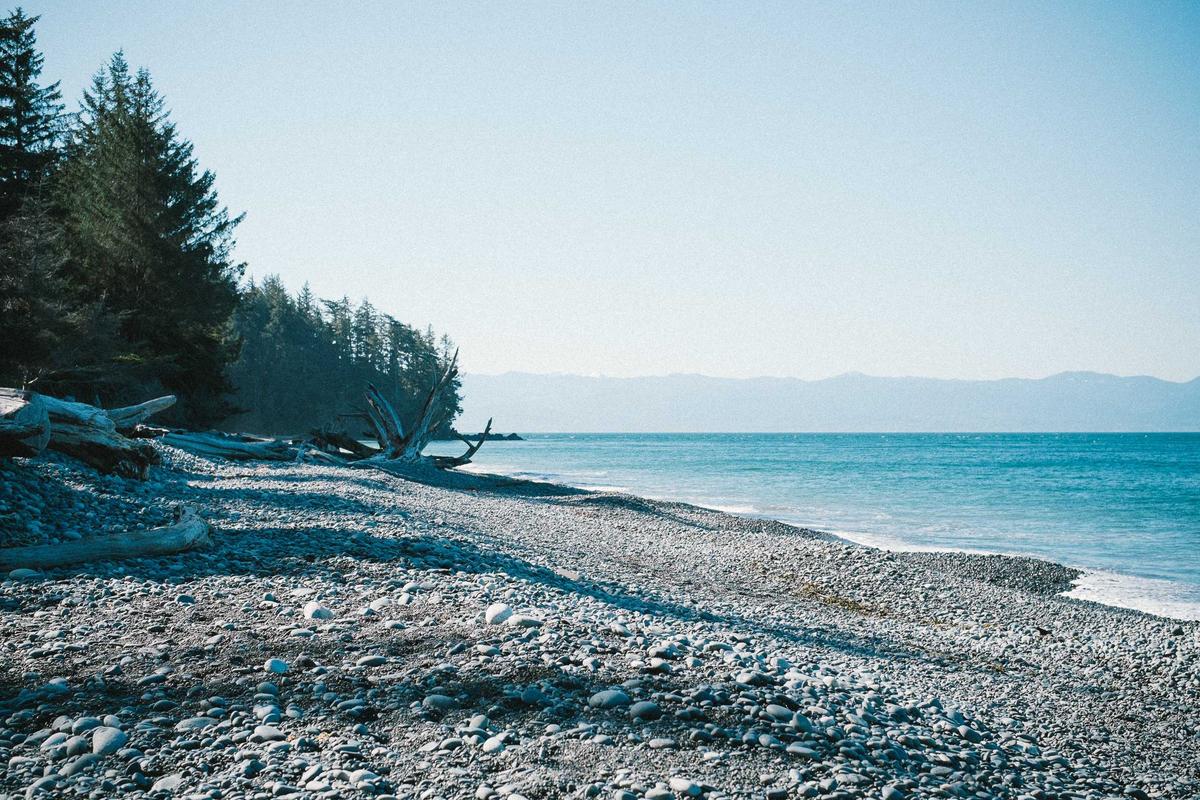
Cebu’s coast is not one long resort strip. South of the city, the road dips past coves, barbecue stands, and villages where boats sit on sand at low tide. The light changes quickly — haze in the afternoon, gold before sunset — and the best views are often from a pull-off rather than a ticketed beach club.
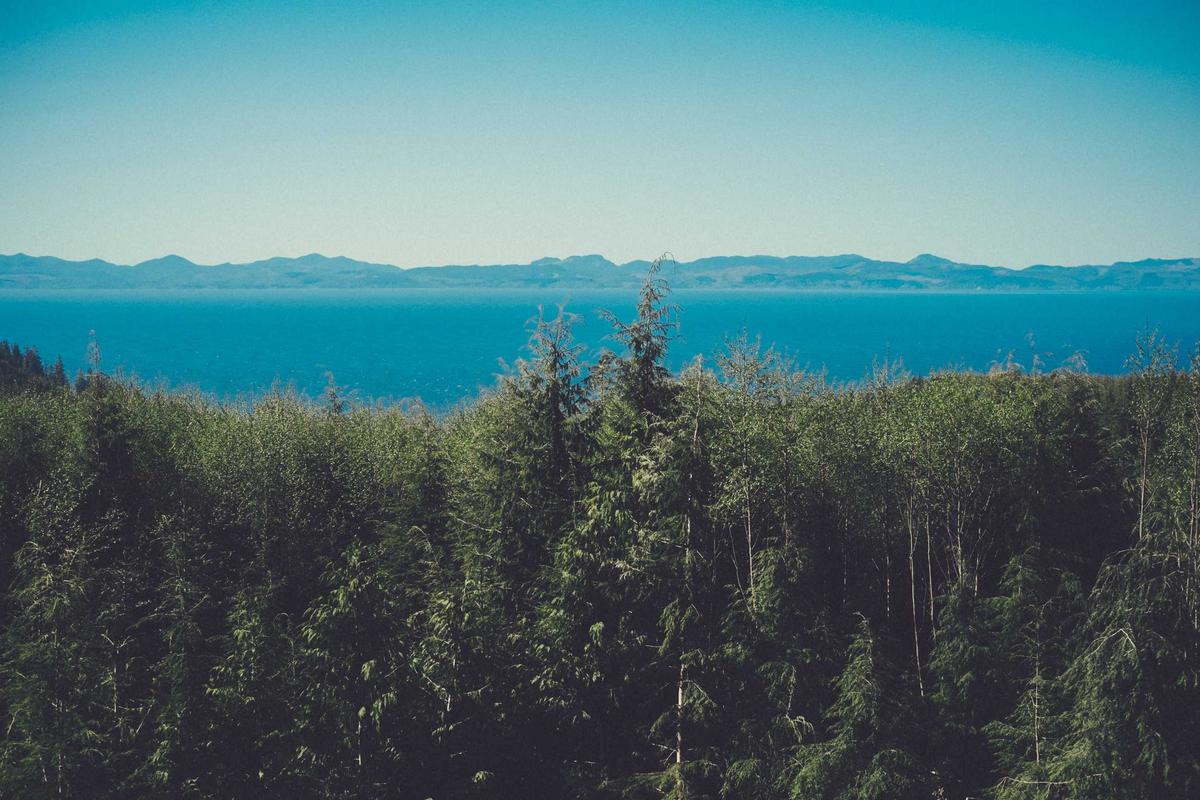
Unlike island-hopping brochures, mainland Cebu rewards drivers who accept imperfection: a gray sky still makes fishing boats photogenic, and a short walk from the road can land you on empty sand. Osmena Peak and the southern ridges add drama from above, while quieter stretches near Moalboal or Santander feel like an exhale after city traffic.
Coastal scenery here is lived-in. You will see schools, churches, and sari-sari stores beside the water. Fishermen mend nets while kids play volleyball on rough courts. That mix is what separates Cebu from postcard-only destinations — the sea is part of daily life, not a separate attraction zone.
Stop for fruit or grilled skewers when a bay looks interesting, even if the beach has no famous name. The coast rewards curiosity more than a pre-printed map of “best viewpoints.”
Which Temples and Cultural Sites Are Worth Your Time?
Temple of Leah above Cebu City is part memorial, part viewpoint. Stone columns and statues face the urban sprawl and the distant sea; late afternoon light softens the theatrics and makes the climb feel worthwhile. It is not a centuries-old heritage site, but it answers a different question: what does modern Cebu build to remember?
For older layers, Basilica Minore del Santo Niño and Magellan’s Cross anchor the city’s Christian story, while Taoist Temple in Beverly Hills offers incense, views, and a calm break from downtown noise. Fort San Pedro provides a compact history lesson near the port. You do not need every site in one day; pick one hilltop temple and one downtown church to avoid checklist fatigue.
Dress modestly for active churches, and expect crowds around Santo Niño on feast days. Cultural stops pair well with a market lunch — faith, food, and heat share the same rhythm in Cebu. Photography is welcome at many outdoor sites, but ask before photographing worshippers up close.
Temples and churches here are working places, not museum dioramas. A few quiet minutes of observation often teaches more than a rapid photo loop.
Can You Visit Cebu's Attractions Without a Packed Schedule?
You can, and Cebu is more enjoyable when you do. A packed schedule usually means pre-dawn departures, skipped meals, and frustration when traffic adds forty minutes to every leg. Slow travel here looks like one major stop before noon, a long lunch, and optionally one lighter stop on the return.
If you are based in Cebu City, block a full day for the south — waterfall or coast — rather than combining Kawasan, Oslob, and a city tour in twelve hours. If you are staying on Mactan, account for bridge traffic when planning highland trips. Build buffer for storms; Cebu’s tropical weather can rewrite plans kindly if you let it.
Skip the guilt about not seeing every pin on the map. Most travelers remember one canyon swim, one temple view, and one coastal pause more than they remember rushing through five ticket counters. Travel forums love “see everything” bragging; your body and your memories prefer fewer transitions.
When a driver suggests adding “just one more” stop, ask what you would drop instead. If the answer is lunch or sunset light, decline politely.
How to Plan a Slower Day Around Cebu
Start with the farthest or most weather-dependent stop. For a waterfall day, leave early, eat breakfast on the road, and swim before crowds peak. For a temple-and-view day, aim for Temple of Leah or Taoist Temple in the late afternoon when heat eases. Keep city churches for a separate morning when you can walk between them slowly.
Match your transport to your comfort. Taxis and ride-hailing apps work in the city; southbound days are easier with a trusted driver who waits at each stop. Scooters are common but demand caution on highways. Pack water, sun protection, and cash for small towns with limited card machines.
Link your day back to broader planning on the Cebu hub — if tomorrow is for food or things to do in town, you do not need to force every theme into one itinerary. Share your route with your hotel so someone knows when you expect to return.
A slower day still has structure: one anchor, one meal worth sitting for, one optional extra. That is enough.
What to Know Before Visiting Cebu's Natural Attractions
Respect local rules at waterfalls and temples: pay official fees, avoid climbing restricted areas, and keep noise low near residential villages. Wildlife encounters — including whale-shark tourism in the south — deserve research on ethical operators; not every popular tour fits a slow-travel mindset.
Altitude and heat matter. Highland roads cool down, but the city and coast can drain you by noon. Hydration and realistic clothing beat trying to power through every site. Rain can arrive fast; a light jacket and dry bag save the day.
Connectivity is decent near towns but spotty in valleys. Download offline maps, share your route with someone, and confirm return transport before sunset on mountain roads. Cebu’s natural attractions are accessible, but they reward preparation more than adrenaline.
Leave no trace at waterfalls: plastic and food waste travel downstream into villages that depend on clean water. Small habits matter in busy canyons.
When you leave room between stops, waterfalls, temples, and coastal views stop competing for attention — they become chapters in the same slow story rather than a race to the next gate.