Yes. Cebu is famous for island boats, but the province holds enough on land to fill several unhurried days — heritage towns, wet markets, waterfall canyons, rooftop cafes, and mountain gardens that cool the air. Island hopping is one chapter, not the whole book.
If your trip is short, you still do not have to spend every daylight hour on a pier. Cebu City alone delivers food, history, and people-watching; the highlands add color and breeze; the south coast offers water without a ferry schedule. Slowing down here means choosing one theme per day and letting meals run long.
Below is how to think about Cebu beyond the boat tours, with ideas that fit the things to do side of the island rather than a packed harbor checklist.
Why Island Hopping Is Only Part of Cebu
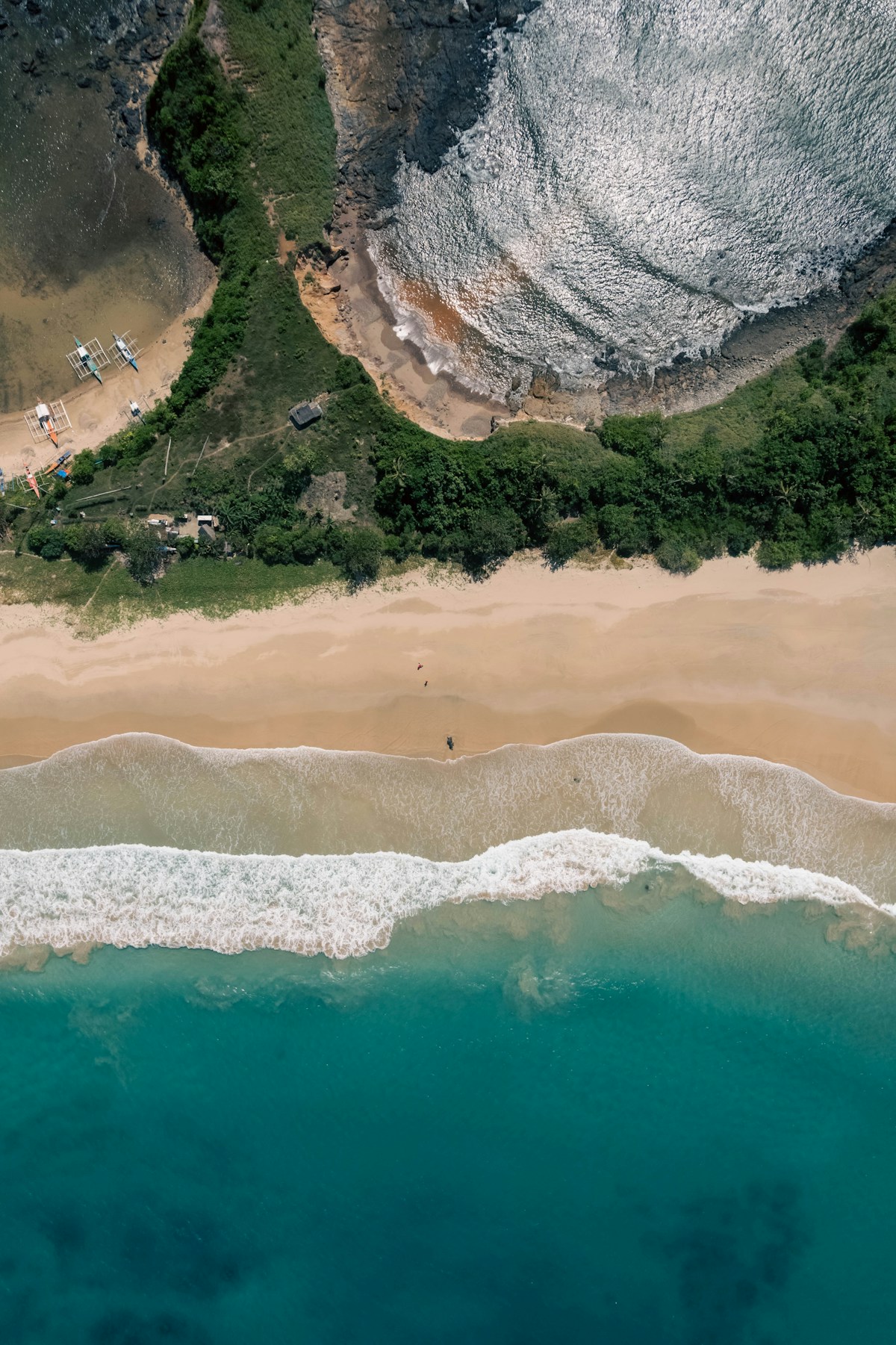
Island brochures promise turquoise grids and lunch on sandbars, and Cebu delivers that when seas cooperate. Ferries and bangka tours sell well because the water is beautiful and the logistics are packaged. They are also repetitive: similar lunch buffets, similar snorkel stops, similar return times. That does not make them bad — it makes them optional.
Cebu’s identity is split between urban energy, Catholic heritage, mountain agriculture, and coast. Islanders live with all of it daily; visitors who only see the sea miss lechon lines, flower farms, and the quiet pride of southern towns. Island hopping answers “what is near Mactan?” while the province answers “what is Cebu when you stay overnight?”
Treat boats as one day, not the framework for the week. Weather cancellations then become a chance to explore city markets instead of a ruined itinerary. Marketing photos cluster on sandbars; your best day might be a rainy afternoon in a market with no view of the sea at all.
Resist measuring Cebu by ferry stamps. Measure it by whether you learned one neighborhood, one dish, and one road you would drive again.
What Can You Do Around Cebu City?
Cebu City is not a polished museum district — it is a working port city with universities, call centers, and churches that still fill on Sundays. Start where people actually live. Walk the area around Colon Street and the basilica in the cooler morning, then retreat to a cafe when heat builds. Carbon Market is loud, fragrant, and honest — fruit, spices, and household goods rather than souvenir stalls.
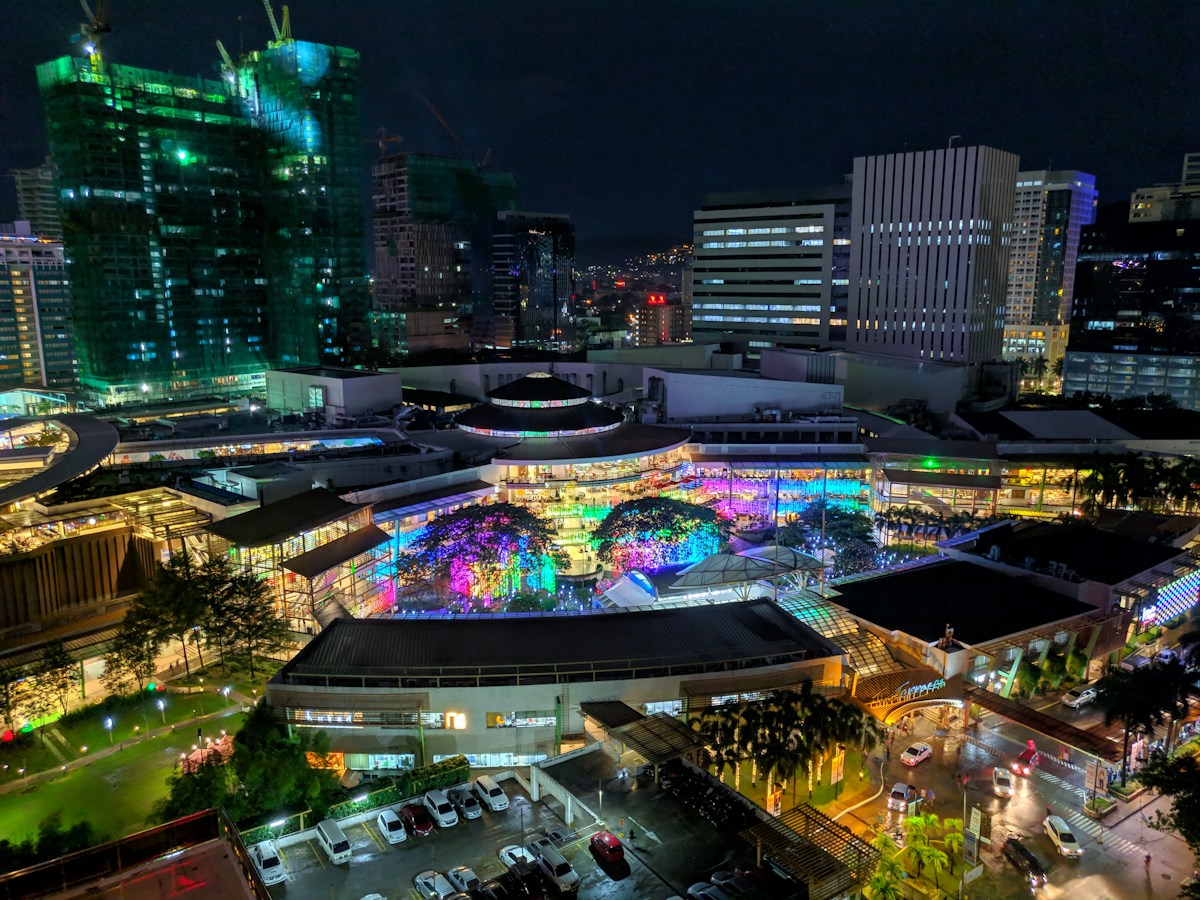
Museums and heritage houses reward short visits between meals. Fort San Pedro and Casa Gorordo scale history to an afternoon; they pair well with siopao or barbecue nearby. Evening is for rooftops, live music, or simply watching traffic thin along the waterfront.
City days are also practical: SIM cards, laundry, coworking if you are remote-working, and booking drivers for southbound trips. Anchor here on the Cebu hub before you scatter to waterfalls or beaches.
Try a jeepney once for the experience, but do not rely on it for tight schedules. Taxis and apps are easier when heat and bags matter.
Where Can You Find a Quieter Side of Cebu?
Noise in Cebu is often traffic, not chaos. Quieter does not always mean remote. Taoist Temple mornings, residential streets uphill from downtown, and certain cafe neighborhoods feel calm even near the sprawl. Farther out, Carcar’s old houses and shoe workshops move at a provincial pace — worth the drive for lunch alone.

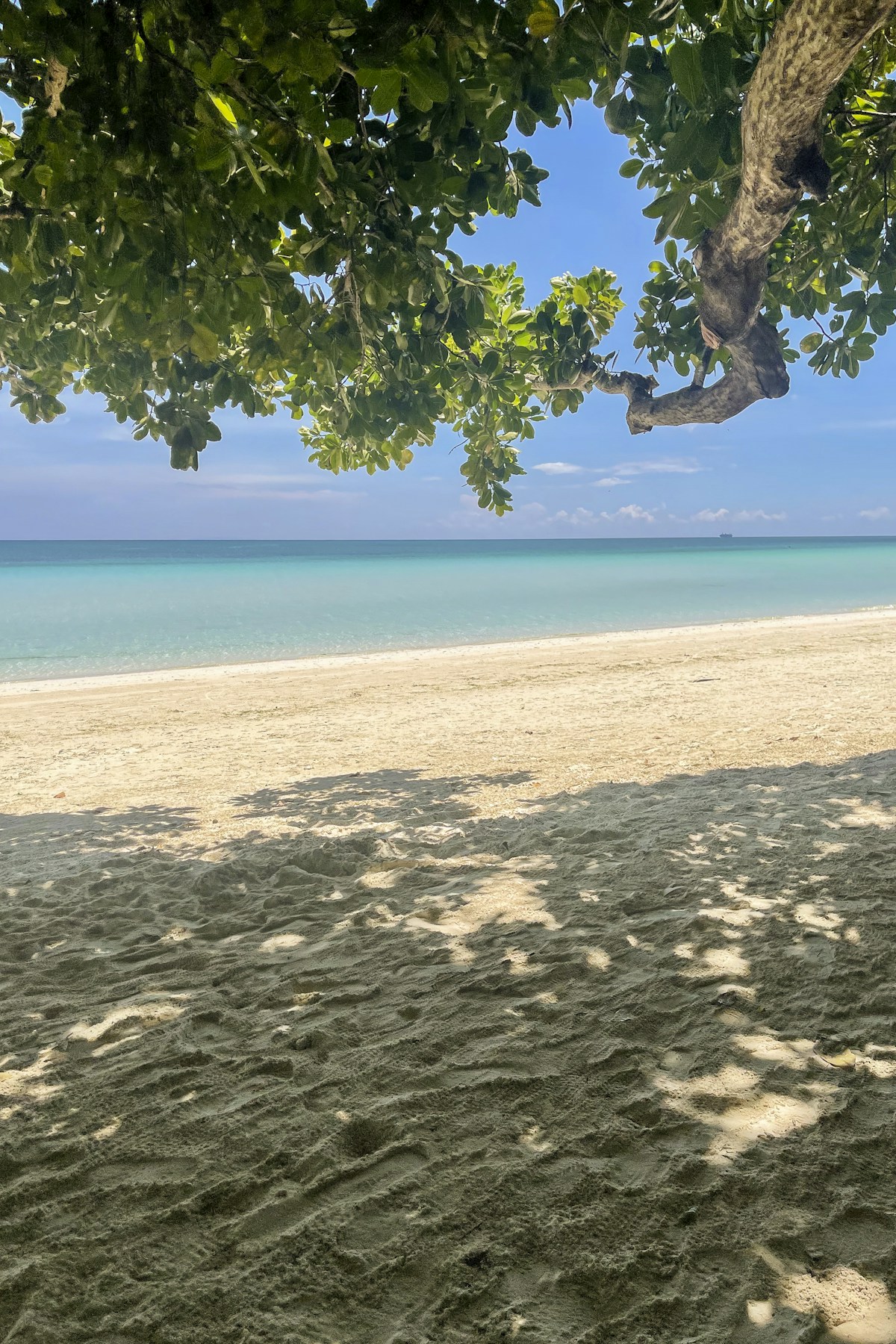
Sirao Garden and the ridges beyond Cebu City cool down quickly; clouds and flower beds change the mood from resort brochure to mountain afternoon. On the coast south of the city, small coves appear between busier strips — ask a driver for a local favorite rather than the most tagged beach.
Quiet in Cebu is often temporal: early hours, weekdays, or the hour after rain. Plan around those windows instead of hunting a mythical empty island. Even popular gardens feel softer when mist rolls in before noon.
Bring a book or a journal for those pockets of calm. Cebu rewards travelers who are willing to sit still for thirty minutes without a ticket in hand.
Is It Worth Visiting Cebu's Waterfalls?
Waterfalls answer a different craving than beaches — shade, canyon echo, and that shock of cold water on hot skin. For many travelers, yes — once, with realistic timing. Kawasan and nearby falls deliver a color and canyon walk you will not find in the city. The key is treating them as a dedicated day, not a side trip squeezed before a flight.
If waterfalls are already on your list, align them with the attractions focus rather than duplicating every pool in the province. One strong waterfall experience plus city food beats two rushed canyon tickets.
When rain is heavy, swap waterfall plans for museums or markets. Cebu forgives flexible days more than it rewards rigid ones. Canyoneering is optional; walking to the main pool is enough for most visitors who want the color without the ropes.
How to Spend a Day Without Chasing Every Attraction
Unstructured days still need a spine. Pick a single anchor: a market morning, a heritage town lunch, or a highland garden. Build outward with one optional stop, not five. Eat sit-down meals — lechon, seafood, or carinderia plates — and let them define the schedule.
Use transport intentionally. A hired car for twelve hours feels productive but exhausting; six hours with a clear stop list often feels richer. Leave two-hour gaps for storms, traffic, or a conversation you did not plan.
Say no to “while we are here” detours unless they replace something, not add to it. The goal is a day you can retell in one sentence: “We ate lechon in Carcar and watched the hills roll in.”
If you finish early, do not fill the gap with another ticket. Walk, nap, or return to a cafe you liked yesterday. Unscheduled hours are part of the product.
A Slower Way to Experience Cebu
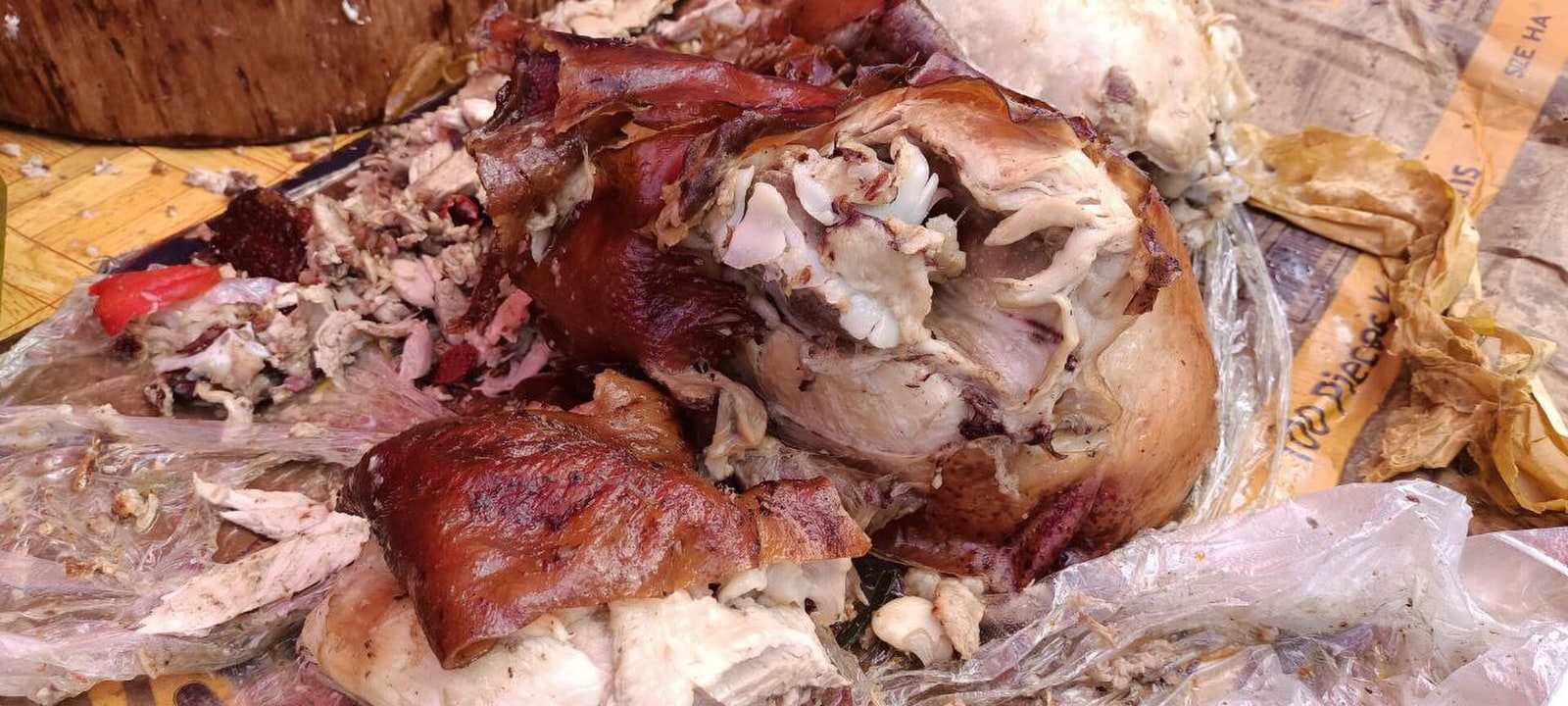
Slow travel in Cebu looks like repeating a cafe, buying fruit from the same vendor twice, and keeping one evening free for nothing. It means linking food with place — puso and pork by the road, grilled fish after a coast drive — instead of photographing five identical resort plates.

Stay long enough to learn traffic patterns and your preferred bridge times. Mix one water day with two land days. Talk to drivers and shop owners; Cebu’s warmth is social as much as scenic.
If you leave with one island tour and three memories on land, you have answered the question fairly. Cebu is more than island hopping because life here is more than the pier — and you do not need to rush to prove it.
Consider staying in two bases if you have a week — city for food, Mactan or coast for one water block — rather than commuting endlessly across the bridge. Slower logistics create slower moods.
Book the boat tour mid-trip, after you know your energy level, not on day one when excitement overrides judgment. Land-first travelers often enjoy the water more when it is a choice, not an obligation.
Pair a city afternoon with a single museum or heritage house so you leave with context, not only calories. Cebu’s story is half Spanish colonial, half modern Filipino port city — both show up in architecture and menus if you look slowly.
Night markets and barbecue alleys are not “lesser” activities than boats. For many visitors, the smell of smoke and vinegar on Colon side streets becomes the memory that outlasts a snorkel stop.
If you travel with family, land days are easier to pace for kids and grandparents than bouncing swells. If you travel solo, land days are where you meet people — drivers, vendors, cafe owners — who reshape your route.
When friends ask whether Cebu was “worth it” without island hopping, the honest answer from slow travelers is often yes, because the province finally had room to introduce itself.
Land-based days also spread your spending — markets, small shops, and provincial lunches keep money closer to neighborhoods than all-inclusive boat packages sometimes do. That is not a moral lecture; it is simply another way Cebu feels richer when you step off the pier.
Before you leave, list three land moments you would repeat on a second trip — a stall, a street, a view. That list becomes your personal answer to anyone who says Cebu is only boats.