Siem Reap is best known as the gateway to Angkor, but planning your first visit can still be surprisingly difficult. There are temples everywhere, the distances between them are larger than they look on a map, and trying to see too much in one day can turn a great trip into a very long one.
If it is your first time in Siem Reap, I would keep the list fairly focused. Start with the temples that give you the clearest sense of Angkor, then leave some space for a different side of the area beyond the main temple circuit.
Here are five Siem Reap attractions I would put near the top of a first-trip itinerary.
Angkor Wat
Angkor Wat is the obvious starting point, and for a first visit, it is difficult to justify skipping it.
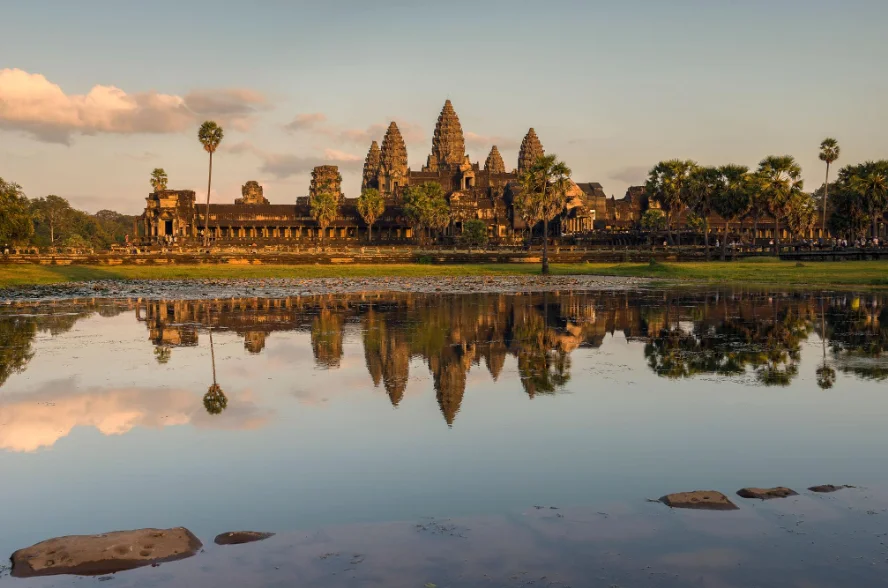
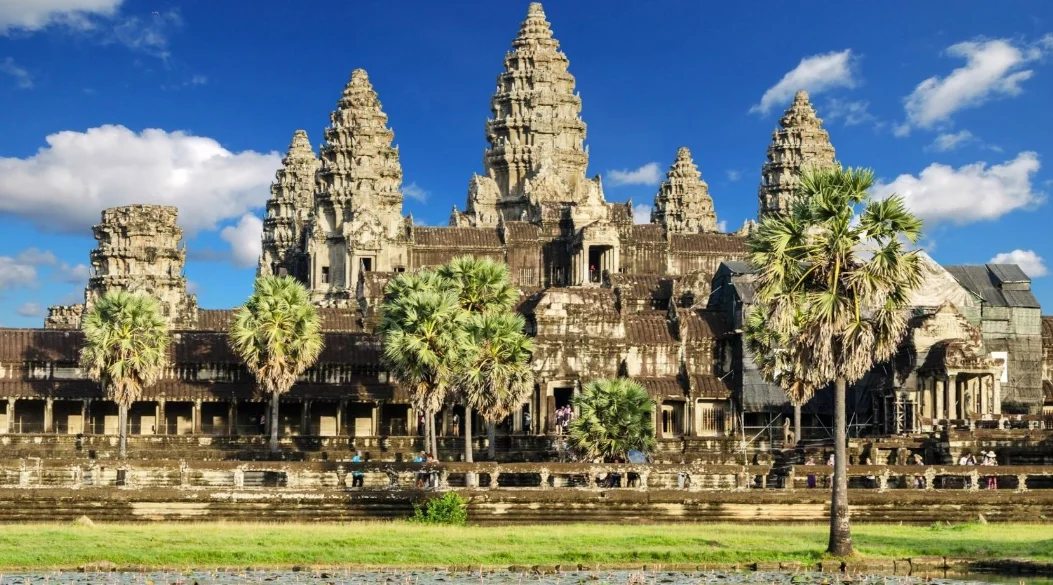
The temple complex is known for its enormous scale, symmetrical towers, galleries and detailed stone carvings. It was built in the 12th century and is one of the defining examples of Khmer architecture.
The experience is different depending on when you visit.
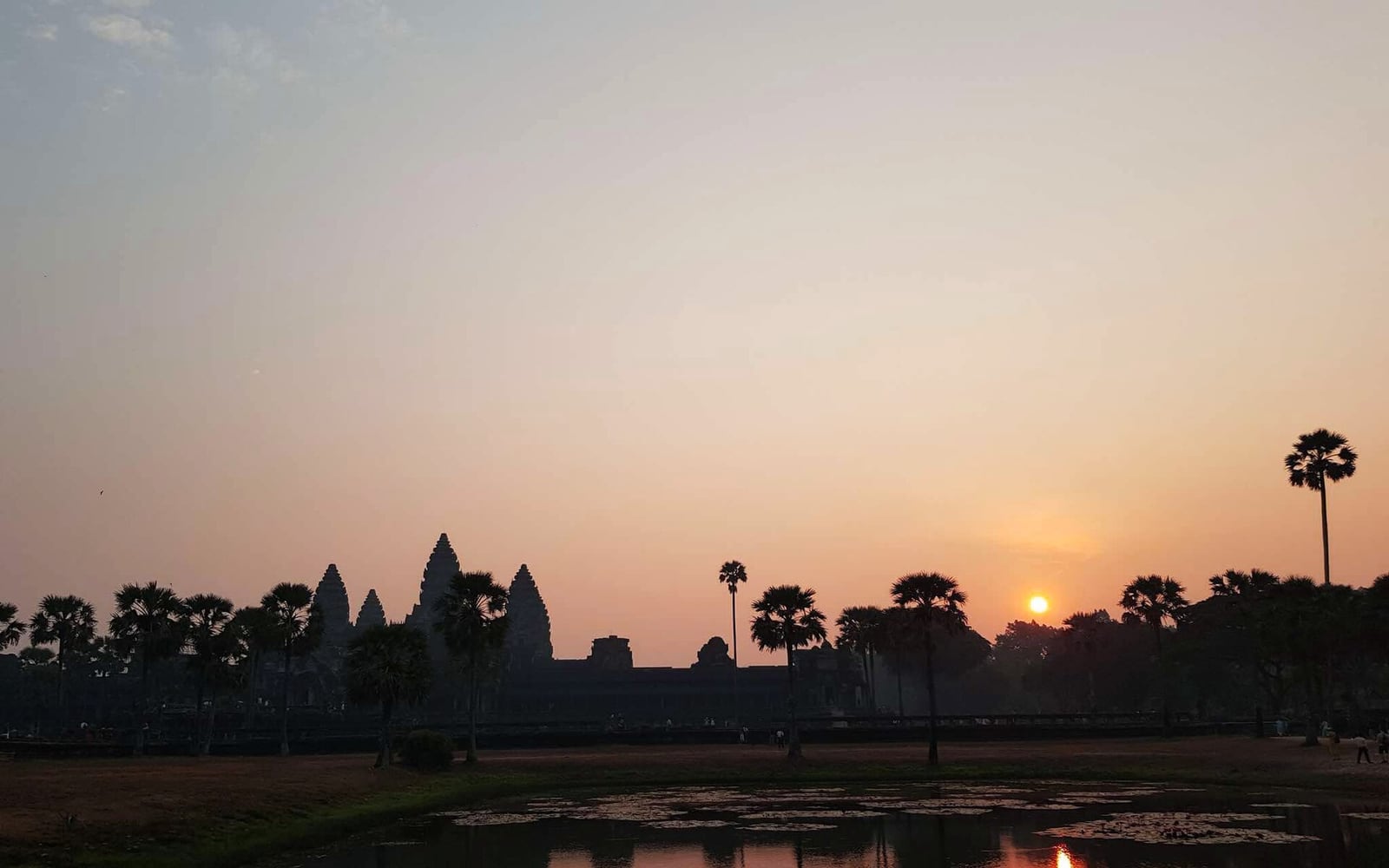
Early morning is popular for the sunrise view across the reflecting pools, while later in the day the light changes the appearance of the towers and outer walls. If you are not particularly interested in sunrise photography, you do not have to force yourself into a very early start. A quieter morning visit can be just as enjoyable.
Give yourself enough time to walk through the main galleries rather than treating Angkor Wat as a quick photo stop. There is a lot to look at once you move beyond the famous front view.
Angkor Wat is also one of the busiest temples in the area, so building your day around it rather than trying to squeeze it between several other temples usually makes more sense.
Bayon Temple
Inside Angkor Thom, Bayon has a completely different atmosphere from Angkor Wat.
Its most recognizable feature is the collection of huge stone faces carved into its towers. As you move through the temple, the faces appear from different angles between the narrow passages and stone galleries.
Bayon is not a place where you need to follow a strict route. Part of the fun is simply walking around and seeing how the structure changes as you move closer to the central towers.
It is also worth looking at the bas-reliefs around the lower sections of the temple. They provide scenes from everyday life as well as historical and military imagery, giving you something different from the religious architecture that dominates many of the other Angkor sites.
Bayon is normally combined with Angkor Thom, making it easy to include on the same morning as several nearby structures.
Ta Prohm
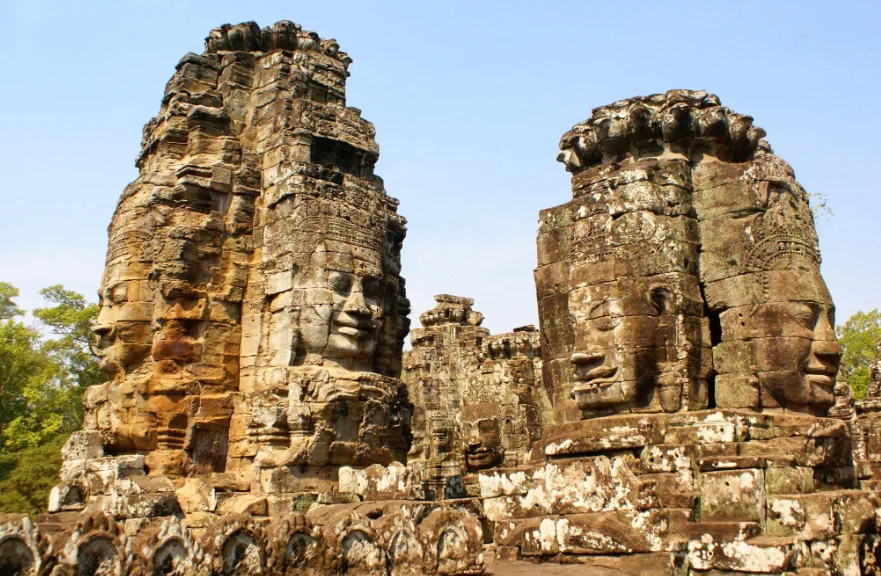
Ta Prohm is probably the temple that feels most different from Angkor Wat.
Trees grow around and over parts of the ruins, with roots spreading across walls and stone structures. The combination of vegetation and architecture gives the site its distinctive appearance and is one reason it has become one of the most photographed temples in Angkor.
The temple is part of the Small Circuit, so it is relatively straightforward to combine with other nearby attractions.
Take your time here rather than rushing from one famous tree to another. Some of the smaller corridors and quieter corners are just as interesting as the sections that appear most often in photographs.
If you are visiting during a busy part of the day, patience helps. The narrow passages can become crowded, particularly around the most recognizable photo spots.
Banteay Srei
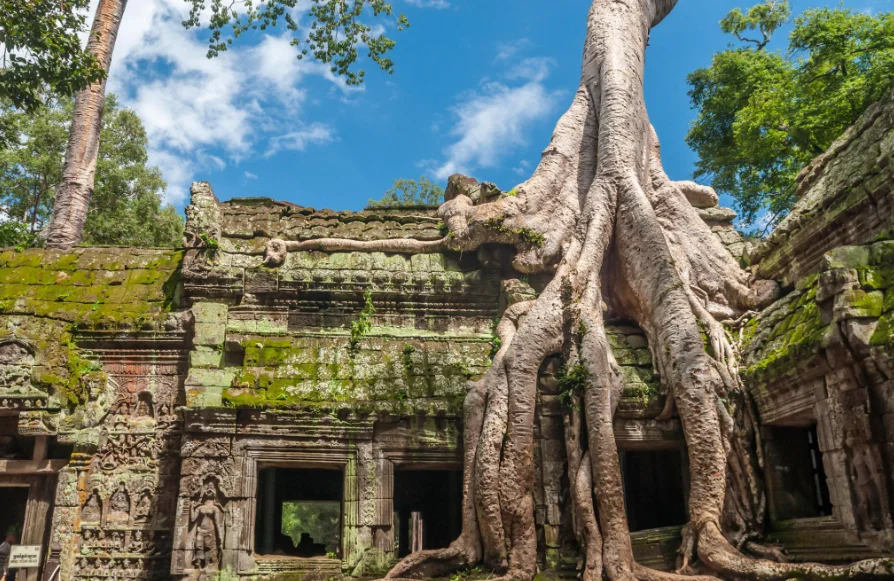
Banteay Srei is different from the three major temples above, which is exactly why I would include it.
Located farther from the main Angkor area, the temple is famous for its detailed carvings and pinkish-red sandstone. The scale is smaller, but the decorative work is unusually intricate.
It takes more planning to reach Banteay Srei than simply moving between Angkor Wat, Angkor Thom and Ta Prohm. Because of that, it works better as part of a half-day or full-day route rather than an unplanned extra stop.
The journey also gives you a chance to see more of the landscape outside the busiest central temple area.
If you have several days in Siem Reap, Banteay Srei is an easy way to make your temple itinerary feel less repetitive.
Tonle Sap
After several hours or days among stone temples, Tonle Sap offers a completely different experience.
The lake is one of the most important natural features of Cambodia, and trips from the Siem Reap area can introduce visitors to life around the water and nearby floating communities.
It is not something I would treat as another temple attraction. Instead, it works as a break from the Angkor circuit.
A boat trip can take up part of an afternoon, depending on the route and conditions. The experience is particularly useful if you want your Siem Reap trip to include more than archaeological sites.
Because water levels and local conditions can affect what you see, it is better to treat Tonle Sap as a flexible part of your itinerary rather than planning your entire day around a fixed expectation.
How Many Days Do You Need in Siem Reap?
For the five attractions above, three days gives you much more breathing room than trying to fit everything into one or two.
A simple three-day structure could look like this:
Day 1: Angkor Wat and the main Angkor area
Day 2: Angkor Thom, Bayon and Ta Prohm
Day 3: Banteay Srei and Tonle Sap
You can obviously change the order depending on the weather, temple opening arrangements and how early you want to start each morning.
The main thing is not to treat every attraction as something that has to be completed as quickly as possible.
Can You See These Attractions Without a Tour?
Yes. Independent travel around Siem Reap is possible, particularly if you are comfortable arranging transport and deciding your own temple route.
Tuk-tuks are useful for moving between the temples, while bicycles can work for travelers who enjoy cycling and are comfortable with the distance and heat.
For a first visit, having a driver for longer temple days can also make the itinerary easier. You can spend less time thinking about transport and more time deciding how long you actually want to stay at each site.
For Banteay Srei and attractions farther from the main Angkor area, arranging transport in advance is particularly useful.
What Should You Not Try to Do?
The easiest mistake in Siem Reap is putting too many temples into one day.
Angkor is much larger than a simple list of five attractions suggests. Walking through the major temples takes time, and Cambodia's heat can make a packed itinerary tiring very quickly.
Instead of trying to collect as many temple names as possible, choose a few that are close together and leave gaps between them.
You will probably remember a quiet corner of Ta Prohm or the changing light around Angkor Wat more than the seventh temple you rushed through before lunch.
A Simple First-Trip Plan
If you only have three days, I would keep the itinerary straightforward:
Day 1: Angkor Wat → nearby temples → relaxed evening in Siem Reap
Day 2: Angkor Thom → Bayon → Ta Prohm → return to town
Day 3: Banteay Srei → countryside → Tonle Sap
This gives each day a different rhythm instead of making every morning and afternoon feel like another version of the same temple tour.
Siem Reap is at its best when you leave some room for that slower pace. The temples are the main reason to come, but the surrounding landscape, lake and town make the trip feel much more complete.