Choose the Old Market area if you want restaurants, cafes, the river, and temple transport within a short walk, and if some evening energy is part of the appeal. Choose Wat Bo if you prefer a quieter residential rhythm and do not mind walking or taking a short tuk-tuk ride to reach the busiest streets. The right answer depends less on sightseeing logistics than on how you want your mornings and evenings to feel.
What Is the Old Market Area Like?
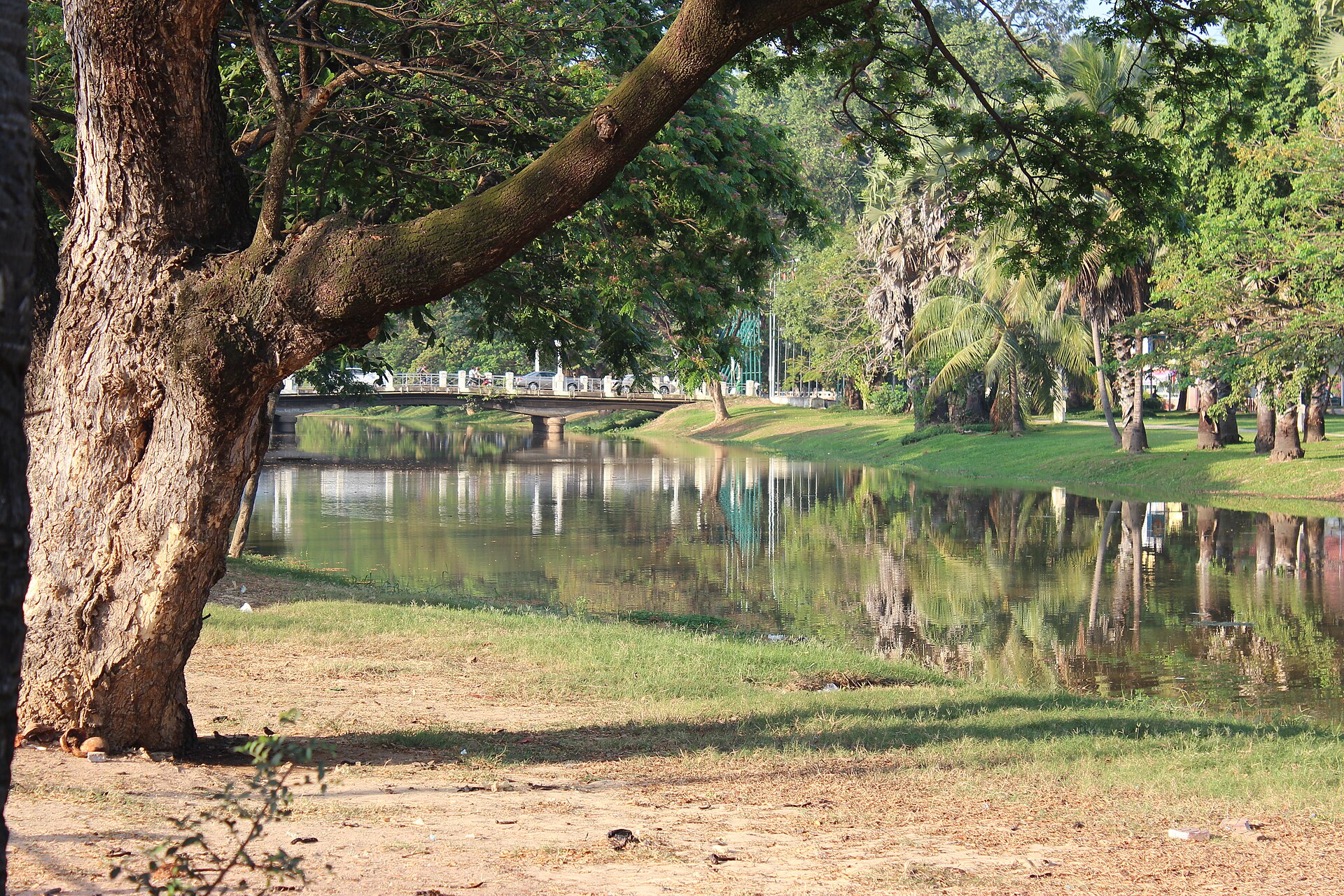
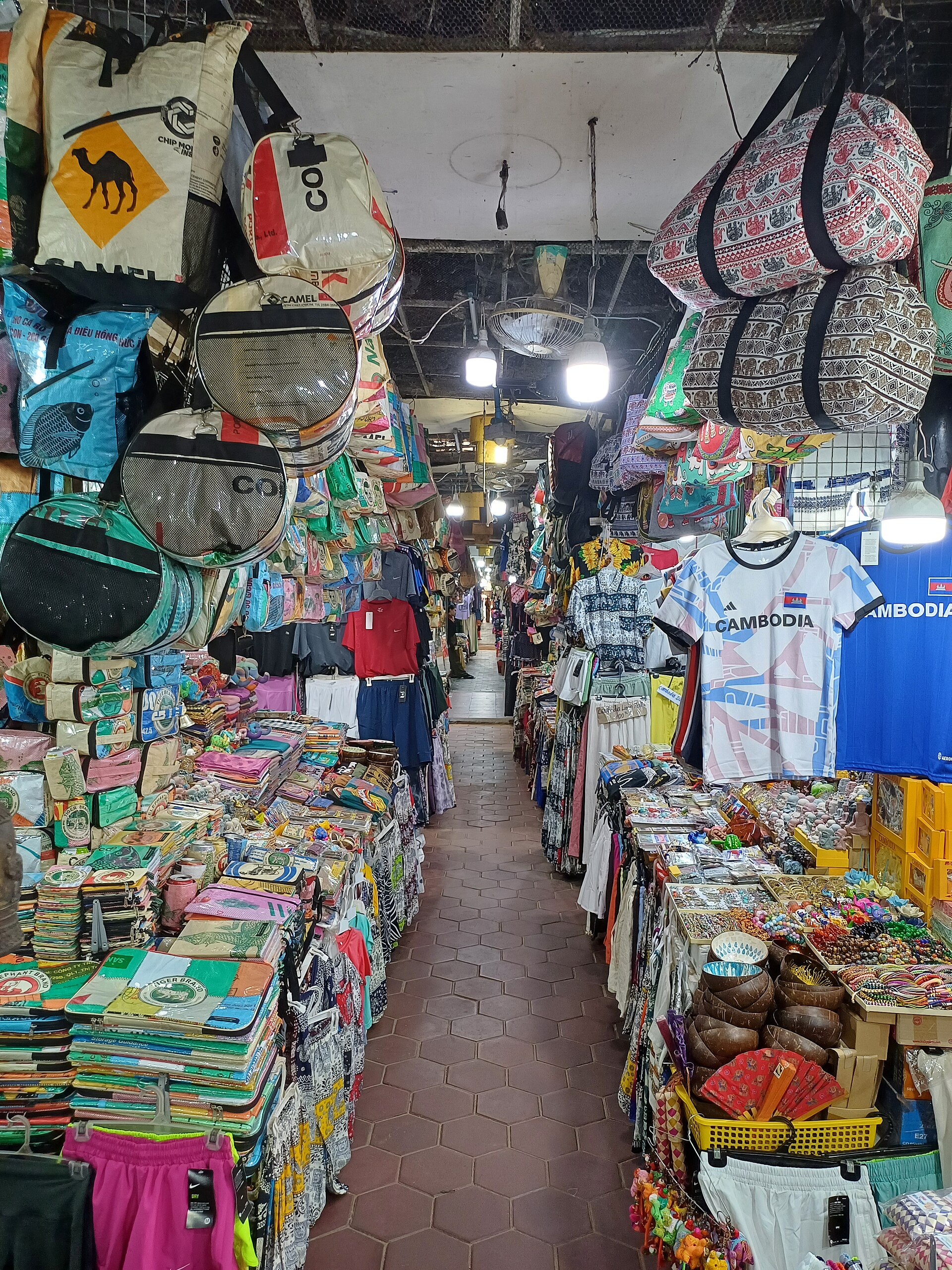
The Old Market area is the compact, high-energy core most visitors mean when they say central Siem Reap. Psa Chas, the old market itself, sits close to the Siem Reap River, while Pub Street, Sivatha Boulevard, and a dense network of side lanes are all within easy walking distance. That concentration makes daily life unusually practical. You can leave your room for breakfast, arrange a temple driver, buy sunscreen, return for a shower, and go out again without planning every move.
The trade-off is that convenience comes with traffic, tour groups, and a commercial pace that can feel intense after a quiet morning at the temples. Some streets are designed for visitors rather than residents, and prices around the main dining strip reflect that. Step one block away from the busiest corners, however, and you still find small Khmer kitchens, repair shops, guesthouses, and families going about ordinary routines.
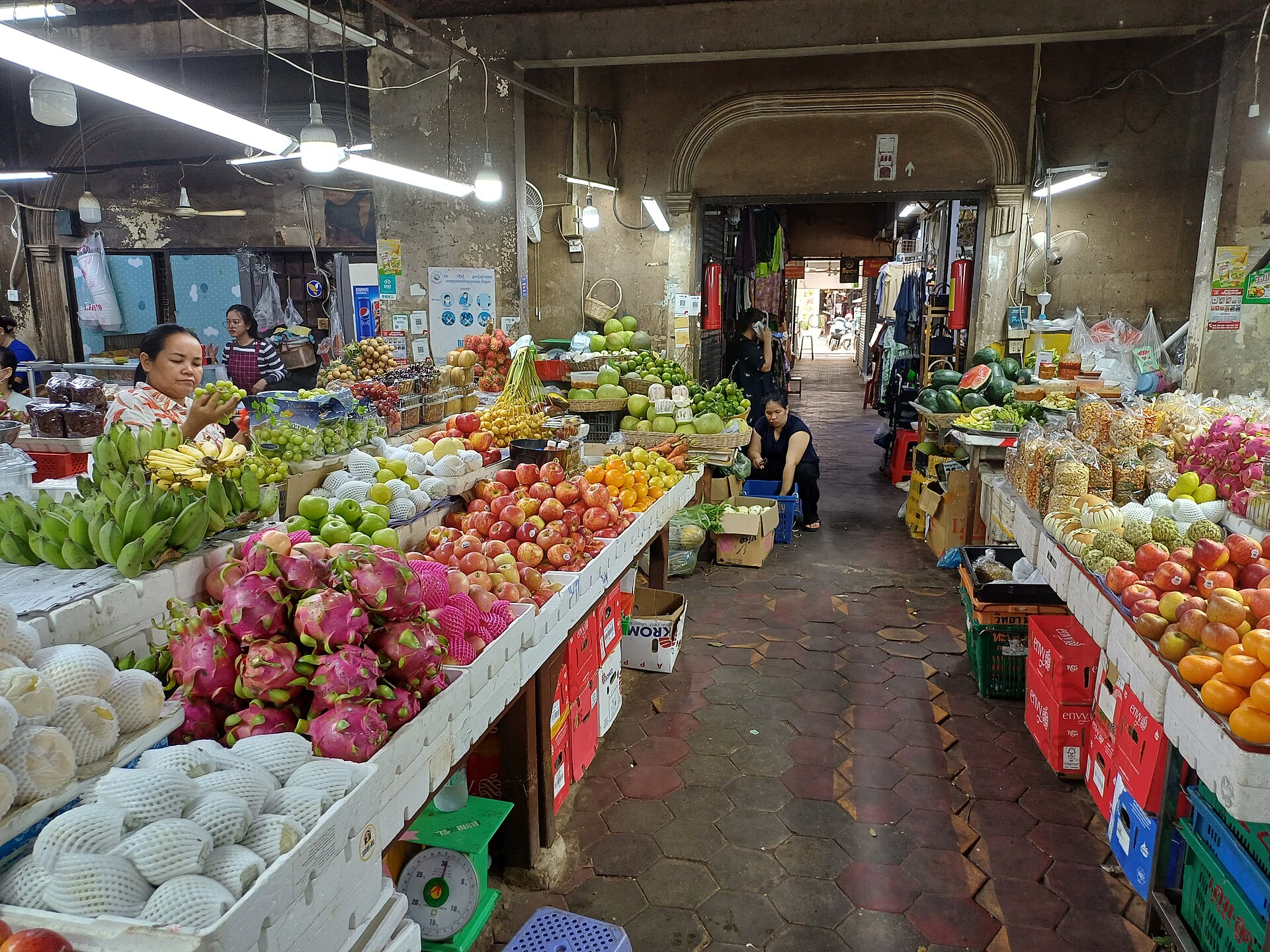
Photo: Radosław Botev, Wikimedia Commons.jpg), CC BY 3.0 PL.
The area works best when you treat proximity as the main luxury. You are paying for time saved and choices close at hand, not necessarily for space or a sense of retreat. If you like being able to wander out without a plan, that trade can be excellent value.
What Makes Wat Bo Different?
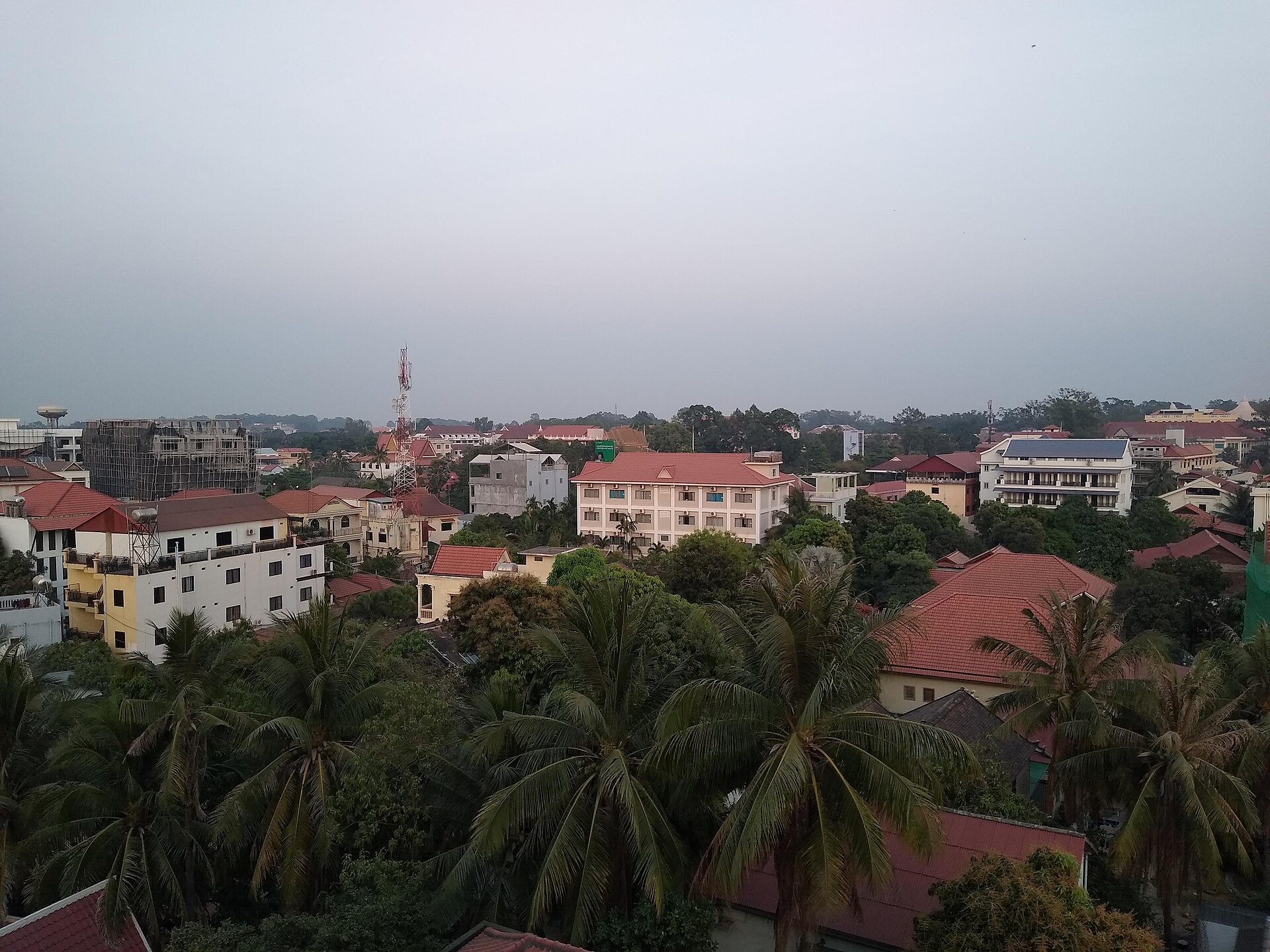
Wat Bo begins on the east bank of the river, but its character changes quickly once you move away from the main road. The neighborhood takes its name from Wat Bo, one of Siem Reap's important pagodas, and the surrounding streets mix homes, schools, guesthouses, small shops, and low-rise hotels. Trees create more shade, traffic is usually lighter, and the pace feels less organized around visitors.
That does not mean Wat Bo is remote. From many addresses, the walk across the river to the Old Market area takes roughly ten to twenty minutes, and a tuk-tuk is only a few minutes more. Wat Bo Road itself can be busy, especially during school hours and at the start and end of the working day, so the exact lane matters. A room on a quiet side street can feel calm; a room directly on the main road may still carry constant motorbike traffic.
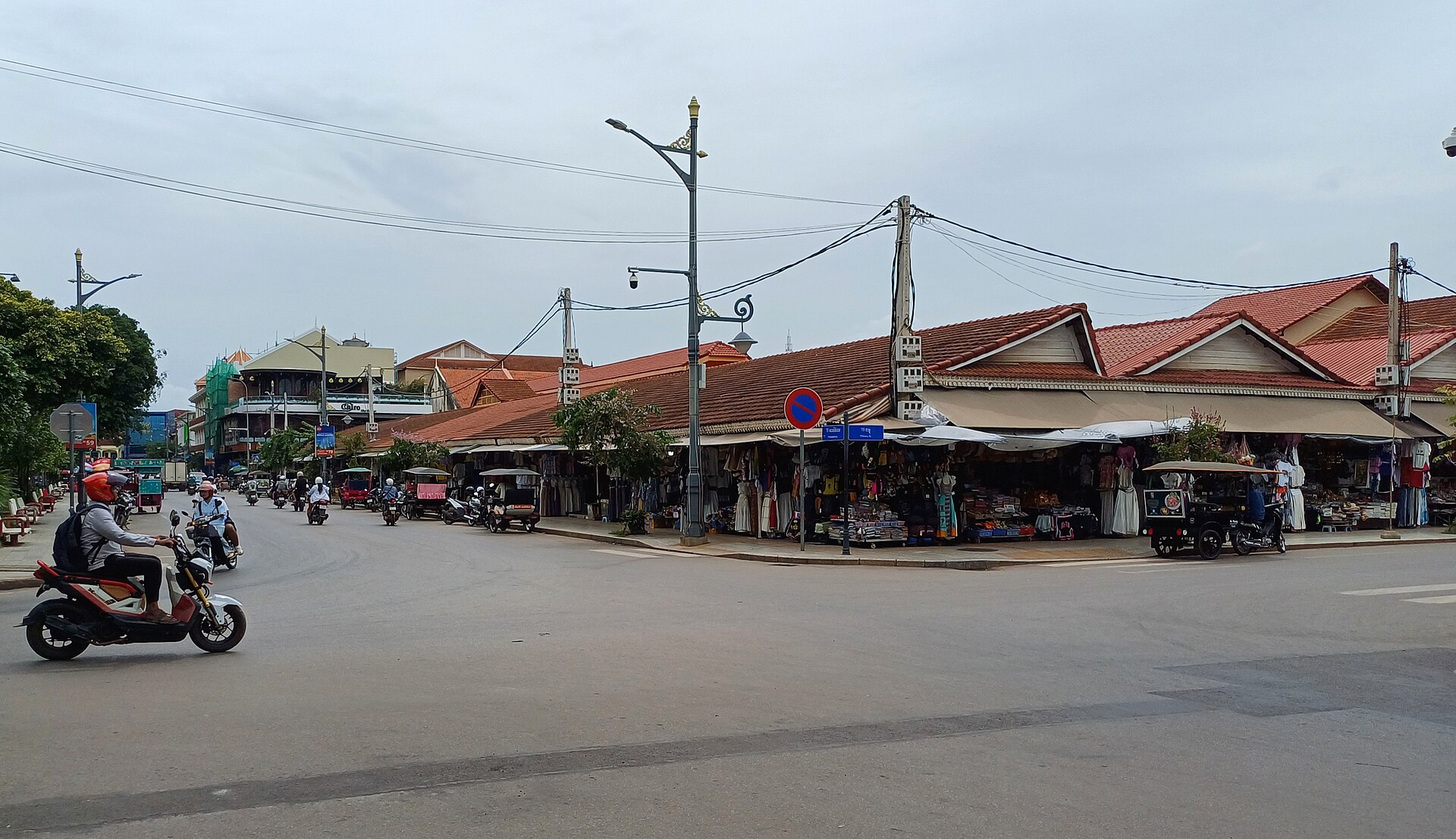
Photo: Radosław Botev, Wikimedia Commons.jpg), CC BY 3.0 PL.
Wat Bo suits travelers who want to leave the tourist center without leaving the city. You can eat locally, find a laundry or grocery stop nearby, and return after dark to streets that feel noticeably less performative.
Which Area Is Better for Food and Cafes?
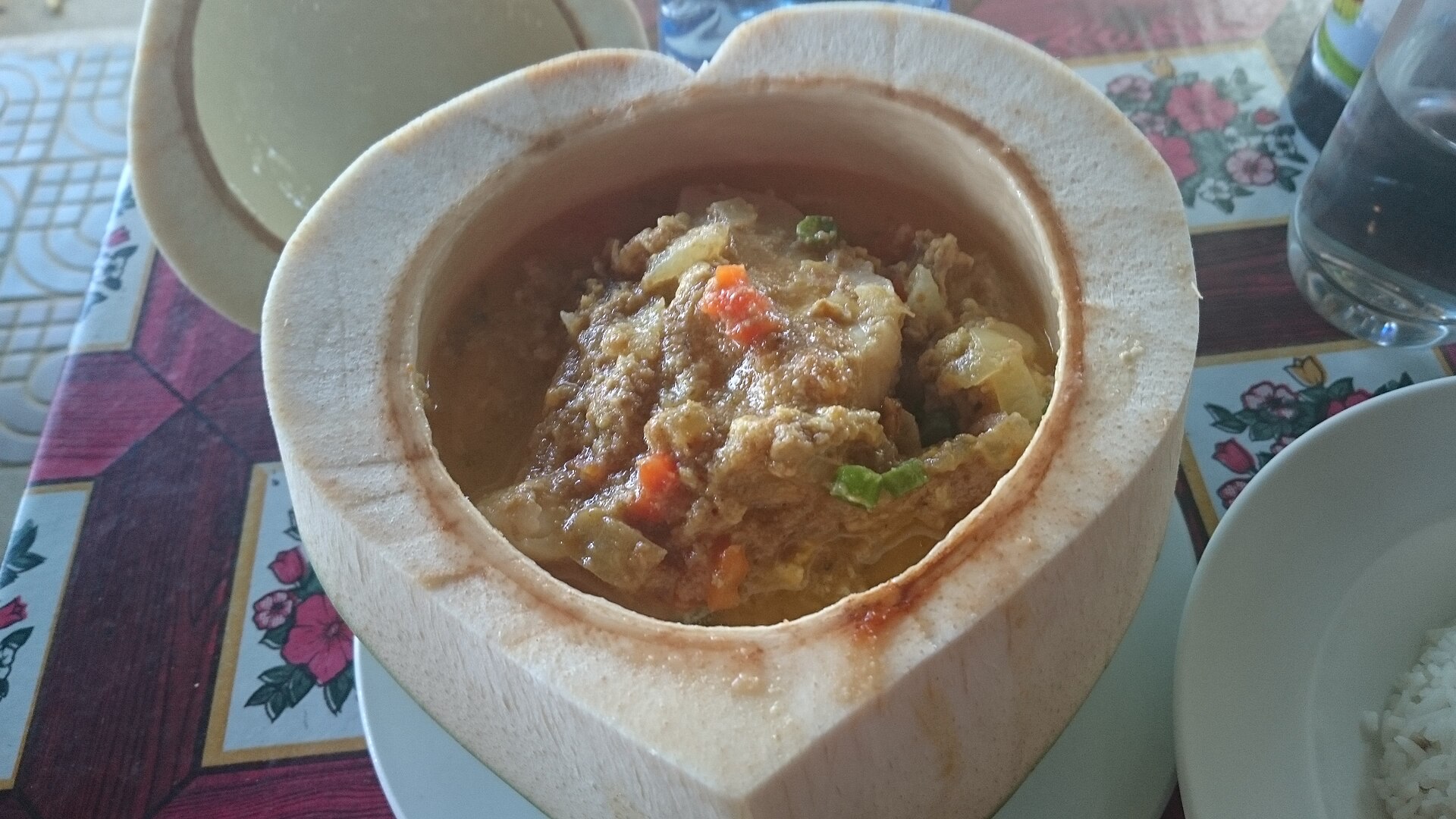
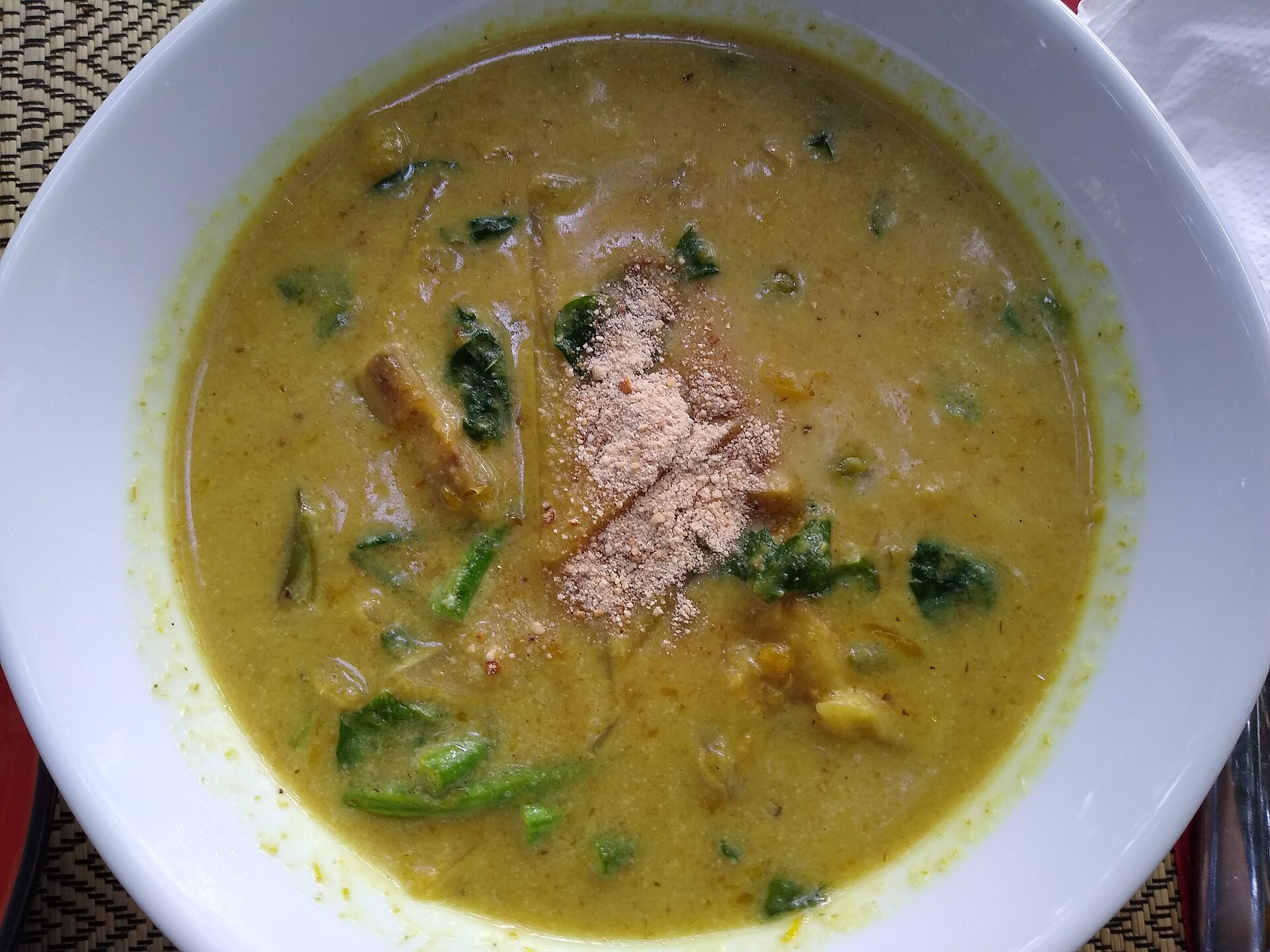
The Old Market area wins on sheer variety. Within a few blocks you can find Khmer rice and noodle shops, vegetarian kitchens, bakeries, cocktail bars, specialty coffee, and international restaurants. This is the easier choice if you want to decide dinner while walking or if everyone in your group has different preferences. It is also the better base for trying several Khmer dishes in a short stay, from amok and lok lak to grilled fish and herb-heavy soups. The Siem Reap Khmer food guide can help you choose beyond the standard tourist menu.
Wat Bo has fewer obvious choices, but its food scene feels more woven into daily life. Local breakfast stalls open early, small family restaurants serve familiar rice and noodle dishes, and independent cafes are scattered along the main road and nearby lanes. You may need to walk farther between options, yet the meals often cost less and come with less pressure to hurry. For a long stay, that ordinary repetition can matter more than having twenty menus within five minutes.
Coffee is a good example of the difference. The Old Market area offers more places designed for remote work, air conditioning, and extended stays at a table. Wat Bo tends to have a quieter mix, with neighborhood shops and cafes that fill for breakfast and then settle down.
Where Is Quieter at Night?
Wat Bo is generally the quieter choice after dark. Most streets become residential relatively early, and the loudest activity stays close to the main road or specific venues. That does not guarantee silence: a nearby party, karaoke bar, construction site, or rooster can still interrupt sleep. Ask about the immediate block rather than assuming the entire neighborhood is calm.
The Old Market area can also be quiet if you choose the right room. A small lane away from Pub Street may be peaceful by ten or eleven at night, while the riverside and central blocks remain active longer. When booking, look beyond the neighborhood name and check the exact address against the places that stay open late. A room at the back of a property, behind a courtyard, or on an upper floor is usually a better defense against street noise than a few extra blocks of distance.
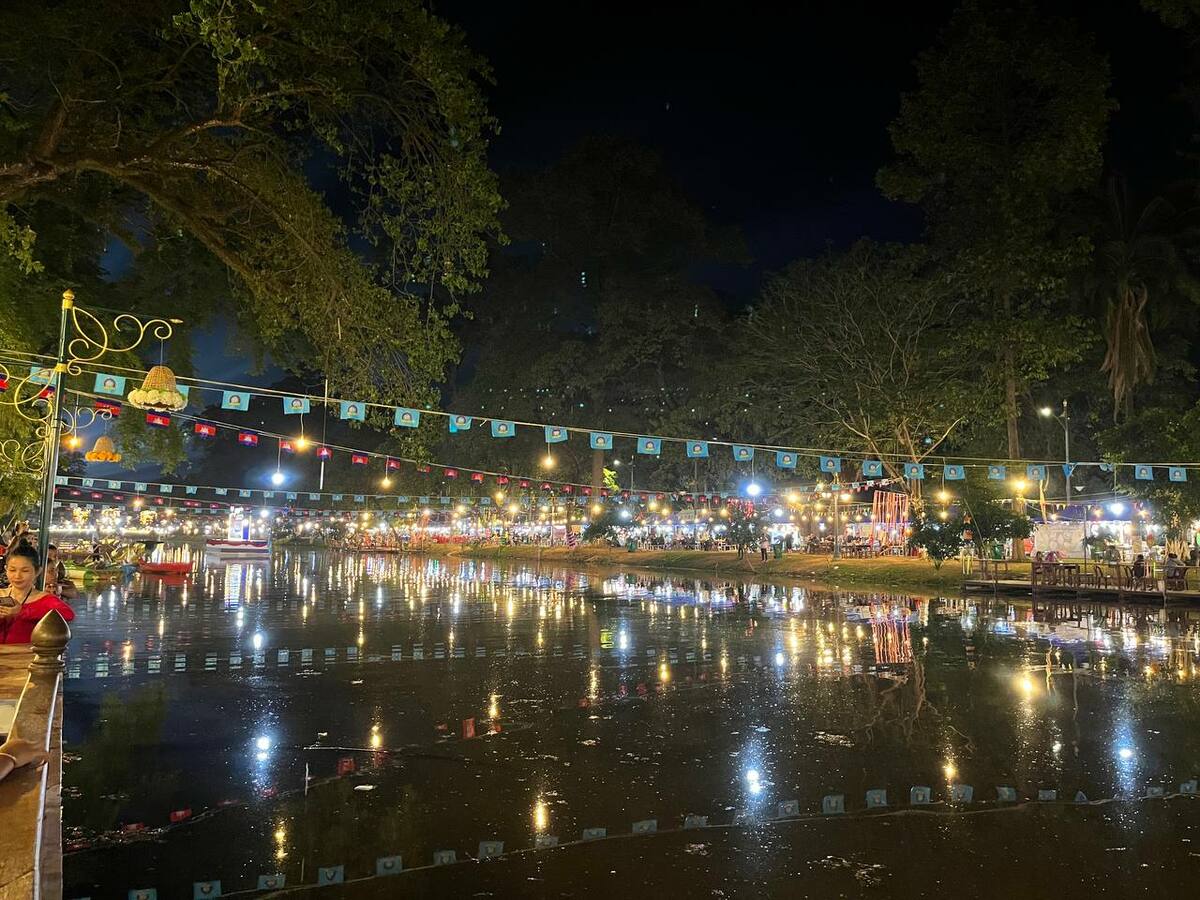
Both areas remain close enough for an evening out. The useful strategy is to separate the place you sleep from the place you socialize. You can stay in Wat Bo and take a short ride to the center, or stay near the Old Market and retreat to a quiet side lane when the night becomes too loud.
Which Area Works Better for Longer Stays?
For a week or more, Wat Bo often offers the more comfortable balance. Rooms are frequently larger for the same budget, and the surrounding streets are better suited to errands, exercise, and everyday routines. You are more likely to find a local laundry, a simple breakfast spot, and a quieter place to work. This matters when Siem Reap stops being a short sightseeing stop and becomes a temporary base.
The Old Market area remains a strong choice for a longer stay if walkability is your priority. You can live without a scooter, meet people easily, and choose a different restaurant every day. The disadvantages show up gradually: higher prices in the most central blocks, limited outdoor space, and the mental fatigue of constant movement outside your door. Inspect the room, not just the map pin, and ask whether construction or late-night music is nearby.
If your stay includes remote work or frequent rest days, a calm morning matters. Wat Bo gives you more chances to start slowly, while the Old Market area makes it easier to fill an unstructured afternoon. The Siem Reap things-to-do guide is useful once the major temples are no longer enough to structure every day. The right base should support those in-between hours, not only the sightseeing ones.
Old Market vs Wat Bo: Which Should You Choose?
Choose the Old Market area for a first visit, a short trip, or any stay where walking to dinner and the river is more important than quiet. It is also the simpler choice if you do not want to use tuk-tuks for ordinary errands or if you enjoy staying close to the city's social center.
Choose Wat Bo for longer stays, early temple mornings, remote work, or a calmer residential atmosphere. It rewards travelers who are happy to walk across the river or take a short ride whenever they want the energy of the center.
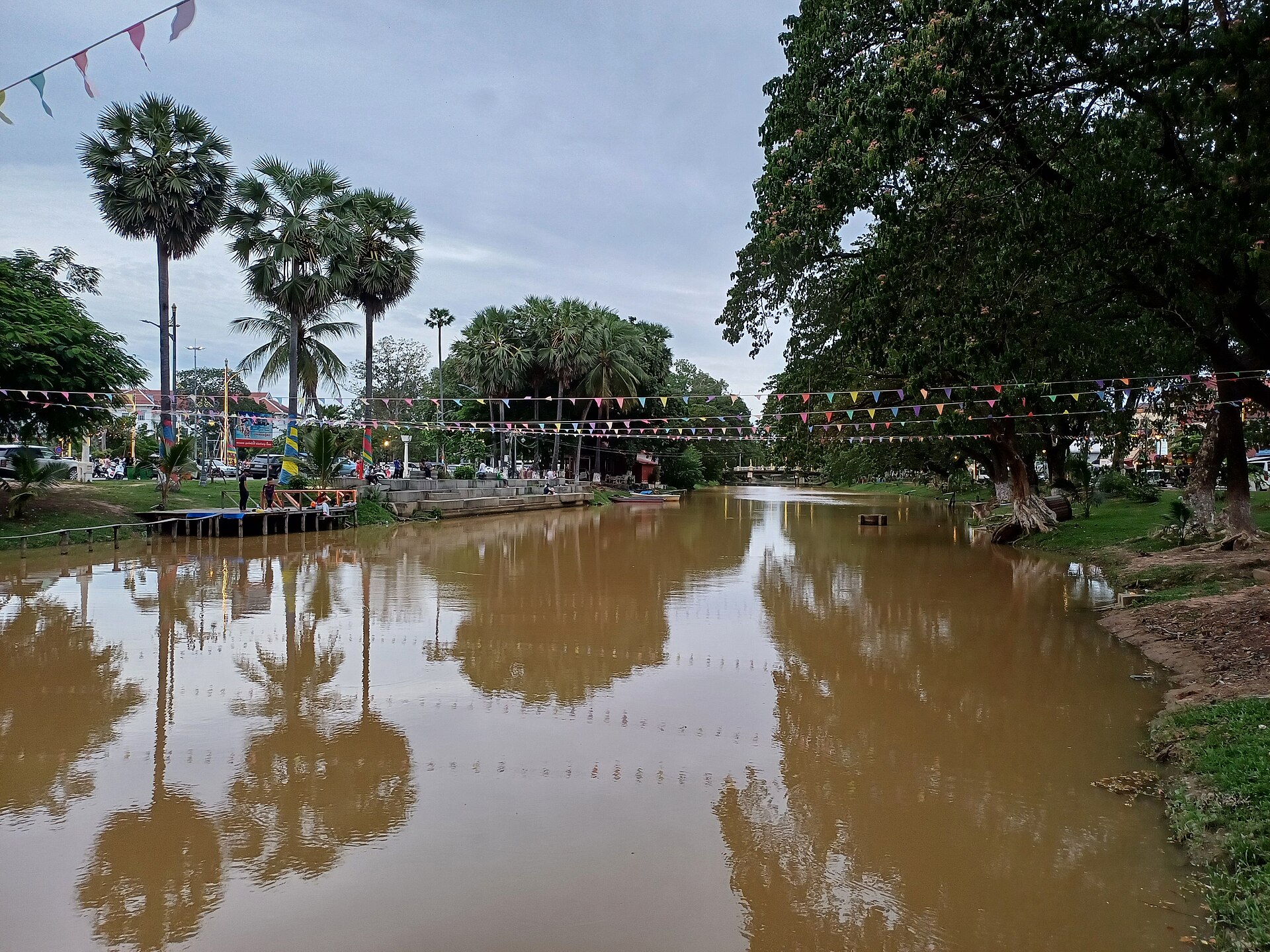
Photo: Radosław Botev, Wikimedia Commons.jpg), CC BY 3.0 PL.
| Your priority | Better choice |
|---|---|
| Walk to dinner, cafes, and the river | Old Market |
| First visit with only two or three nights | Old Market |
| A room for remote work and daily routines | Wat Bo |
| Quiet nights after early temple starts | Wat Bo |
| More space for a week or longer | Usually Wat Bo |