Siem Reap is a good place to learn Khmer food. The flavors are less internationally known than Thai or Vietnamese, but they are distinct: fresh herbs, lime, fish, and a savory depth that comes from long practice rather than heavy spice.
What Makes Khmer Food Distinct?
Khmer cooking often balances rather than overwhelms. A curry may be fragrant with lemongrass and galangal instead of fiercely hot; a plate of grilled meat arrives with a sharp lime-and-pepper dip; and a bowl of noodles comes with enough fresh herbs to change every bite.
What flavors should you expect?
Look for prahok, a fermented fish seasoning used in small amounts to build depth, along with palm sugar, tamarind, lime, garlic, and turmeric. The result is savory, aromatic, and often less spicy than visitors expect. Chili is usually served separately, so you can adjust the heat yourself.
Start with Fish Amok
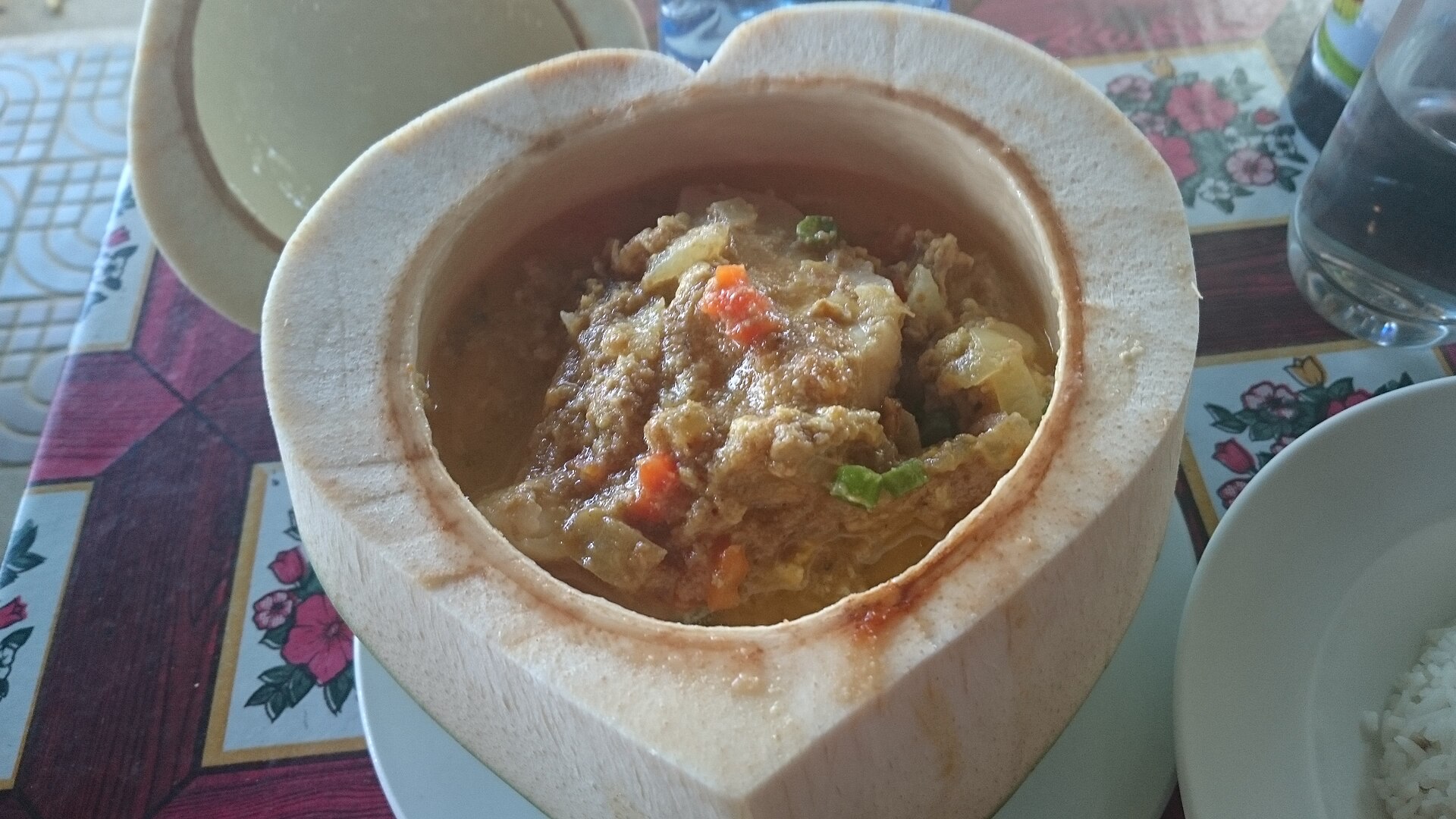
Fish amok is the classic introduction. The fish is steamed in a fragrant coconut curry paste, often served in a banana leaf cup or coconut shell. It is creamy, herbal, and gentle enough for a first Khmer meal.
How should you choose a good version?
Look for a restaurant that steams amok to order and uses a firm freshwater fish. The texture should be soft but not watery, with the aroma of lemongrass and kaffir lime coming through the coconut. If the menu offers a vegetarian version, banana blossom or tofu can work well, but fish remains the traditional choice.
Try Lok Lak and Nom Banh Chok
These two dishes show different sides of Khmer cooking: one is a quick grill-and-rice plate, while the other is a breakfast ritual built around noodles and herbs.
Lok Lak: beef, rice, and pepper-lime sauce
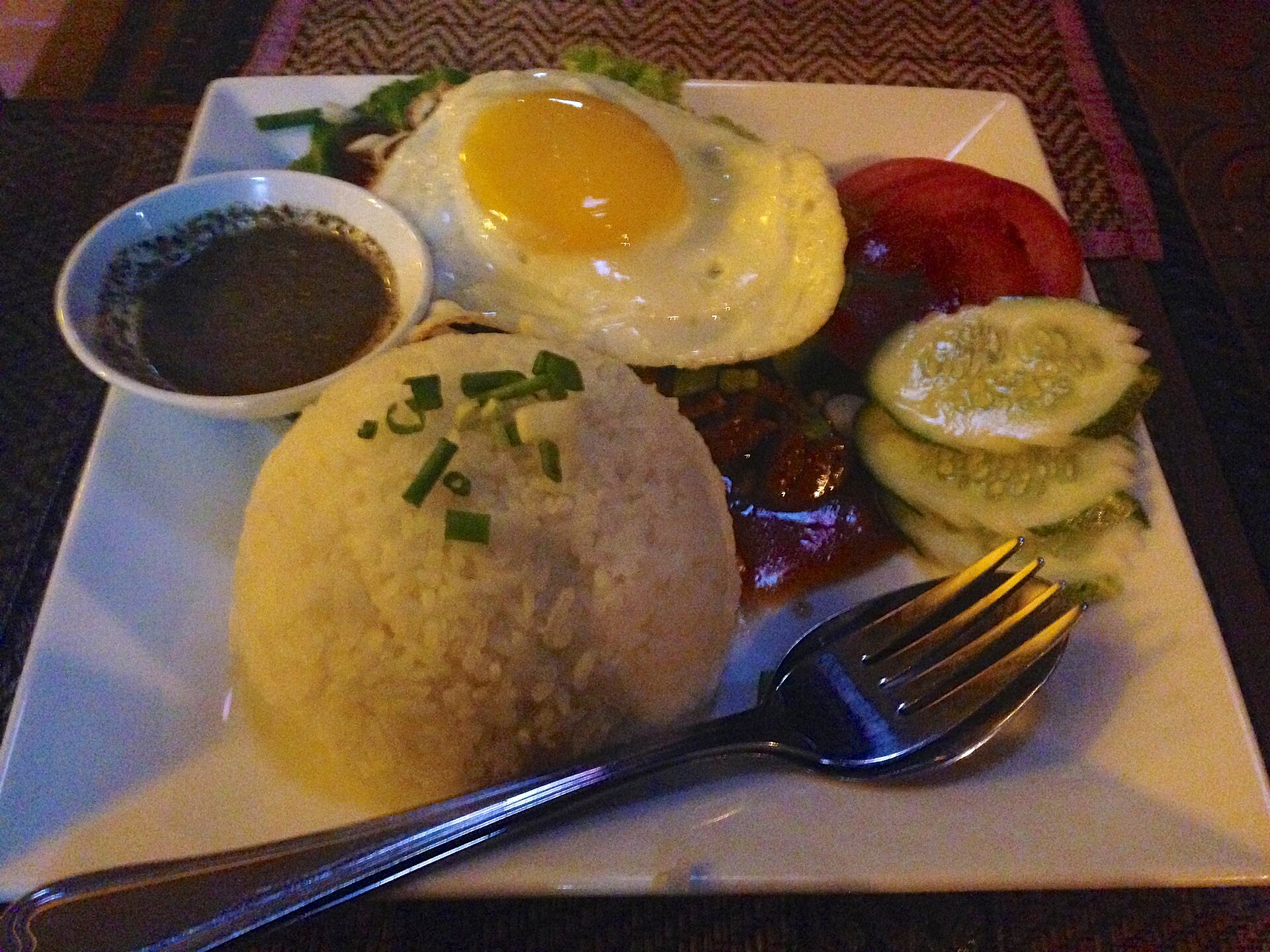
Lok lak depends on good meat and a peppery, citrus sauce. The beef is usually seared quickly, then served with rice, tomato, cucumber, onion, and a fried egg. Mix the egg into the rice, dip the beef into the sauce, and eat the cool vegetables alongside each rich bite.
Nom Banh Chok: a Cambodian breakfast
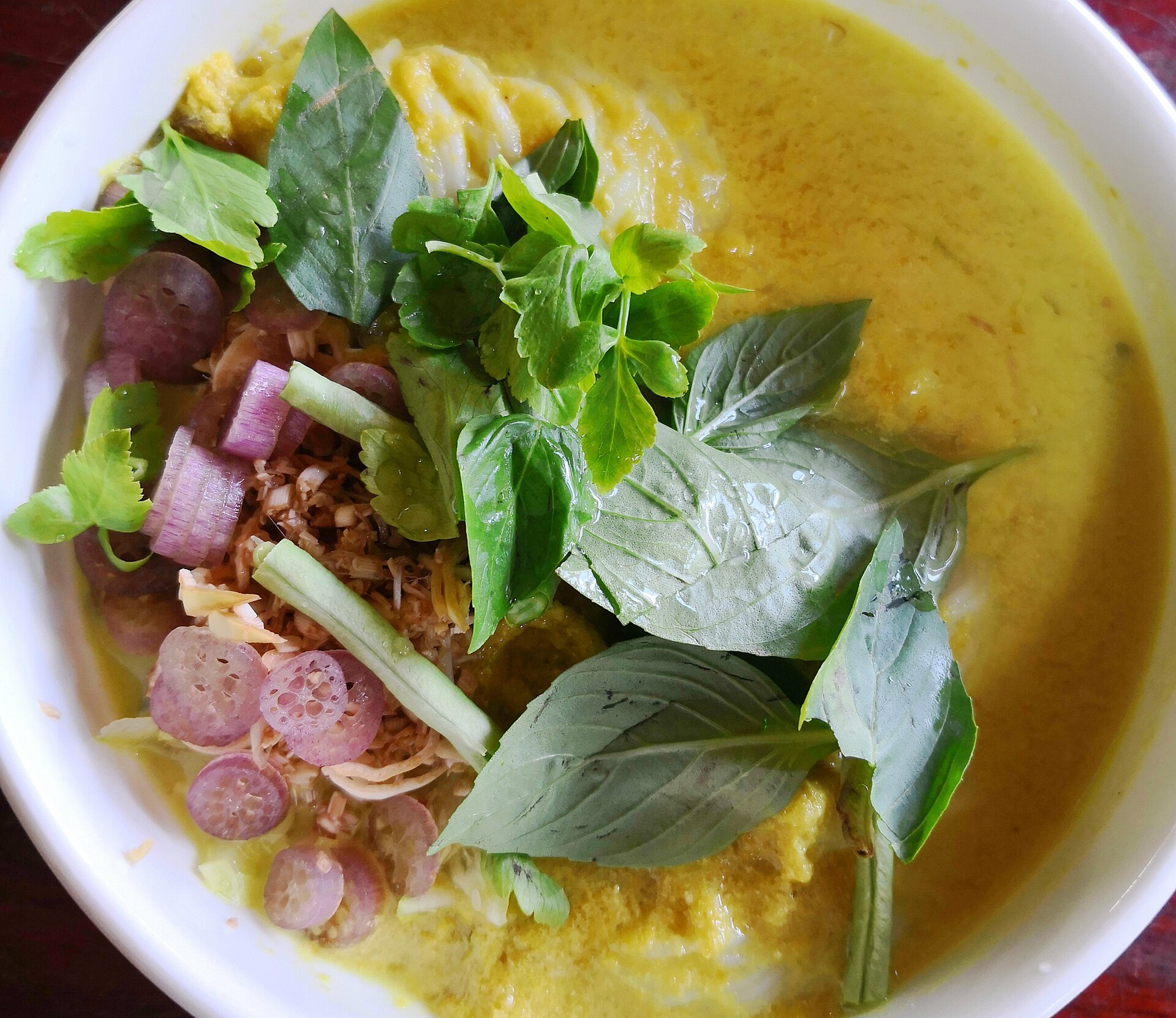
For breakfast or lunch, nom banh chok is the essential local noodle dish. Rice noodles come with a light fish-based gravy and a pile of herbs, cucumber, banana blossom, and long beans. It tastes like the Cambodian morning: fresh, savory, and meant to be assembled at the table.
Eat Through the Old Market
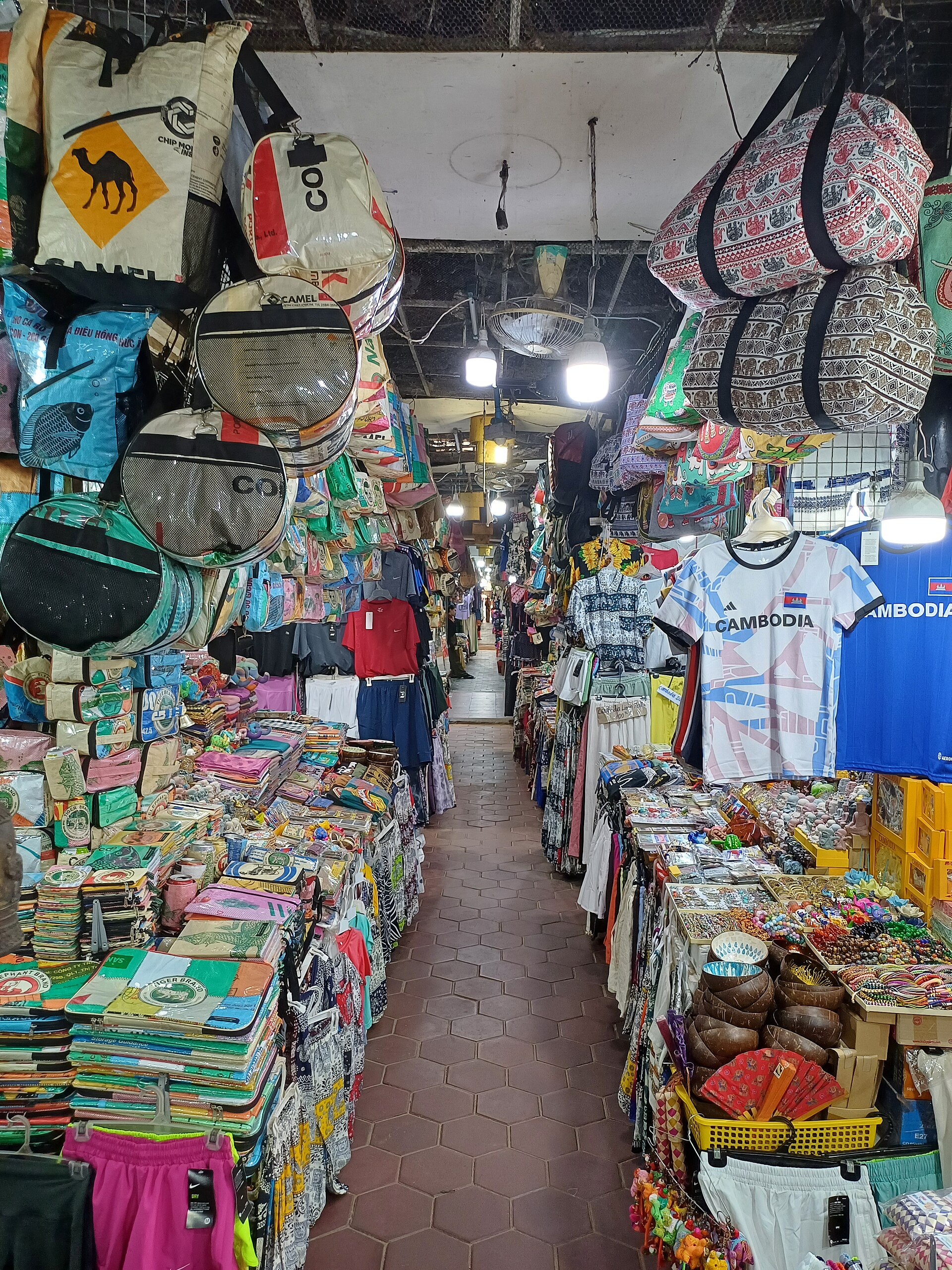
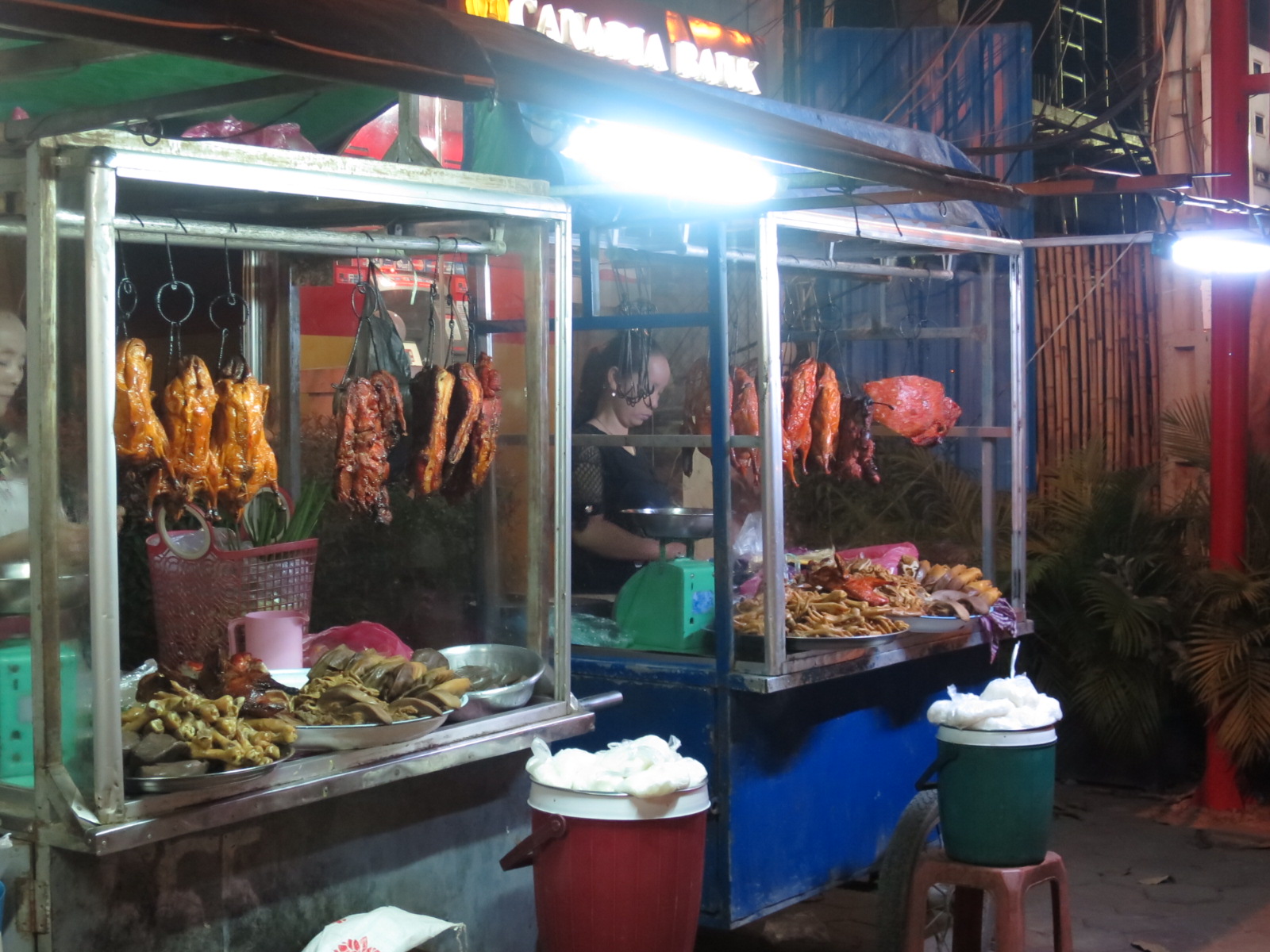
The Old Market is full of things you can eat while walking: grilled skewers, fresh fruit, fried snacks, and sweets. Some stalls are set up for a quick meal, while others sell ingredients for the city's home cooks. Follow the busiest local stalls, where turnover keeps the food fresh.
What should you try first?
Start with grilled meat or fish, then add a small plate of pickles or fresh vegetables. Fruit shakes and coconut water are reliable, and the dessert stalls often sell steamed cakes, sticky rice, and colorful sweets by the piece. Keep an open mind, carry small bills, and point at what looks good; the best market food is rarely on a printed menu.
A Simple Plan for Eating Well
Try one curry, one noodle dish, and one grilled dish before repeating a favorite. Ordering several small plates is often more rewarding than choosing a large main course, especially when you want to compare the herbs, sauces, and textures that define Khmer food.