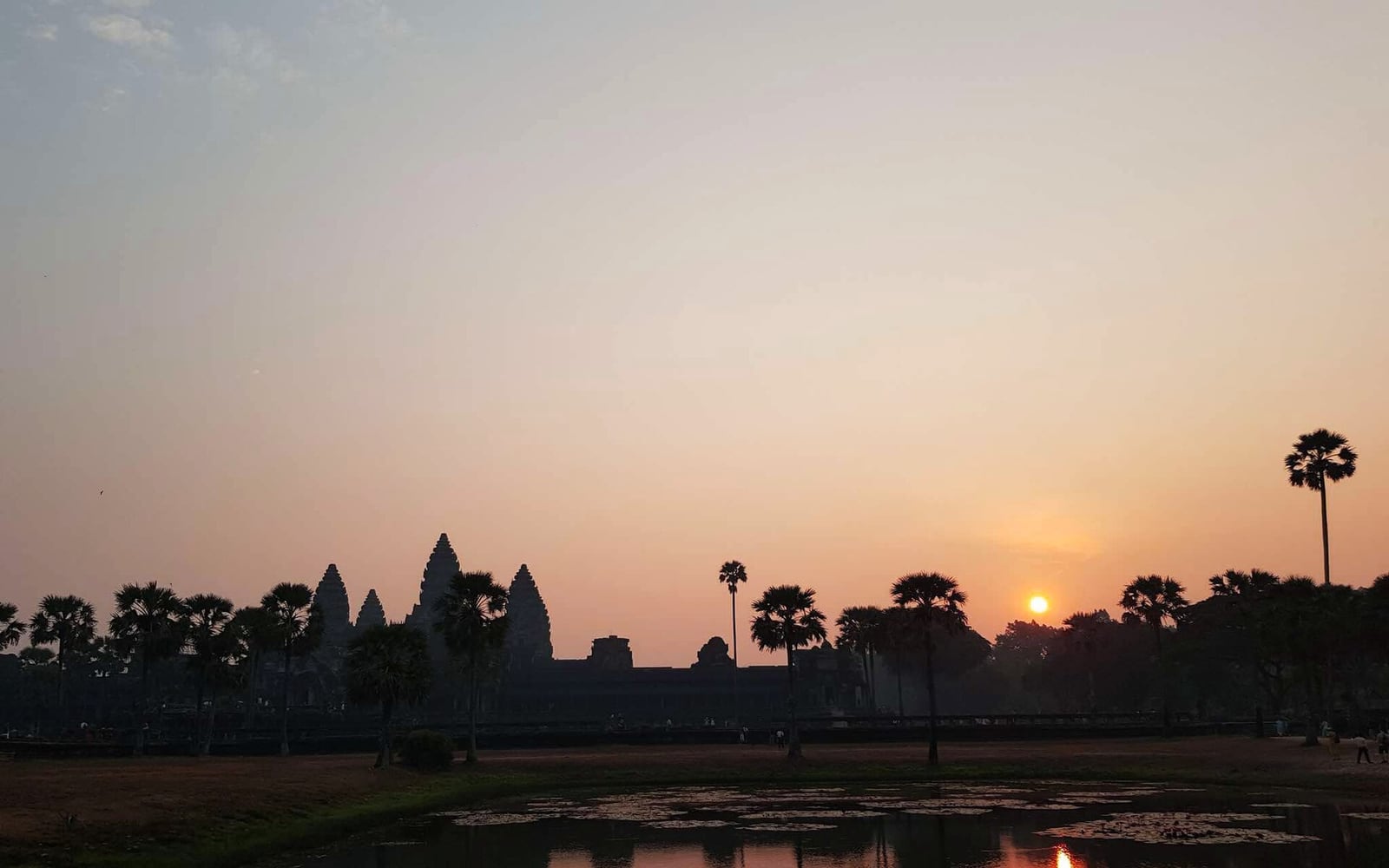
Yes, Angkor Wat is the main reason many travelers come to Siem Reap, but it is not the only reason to stay. The city rewards people who leave space around the temple circuit. You can eat a long Khmer lunch beside the river, cycle past rice fields, listen to a storyteller at a small theater, or spend a morning at a market where almost nothing is aimed at tourists. Angkor is the headline, but Siem Reap is also a living town with its own pace. This guide looks at what else makes the destination worth several days.
Why Is Angkor Wat So Important?
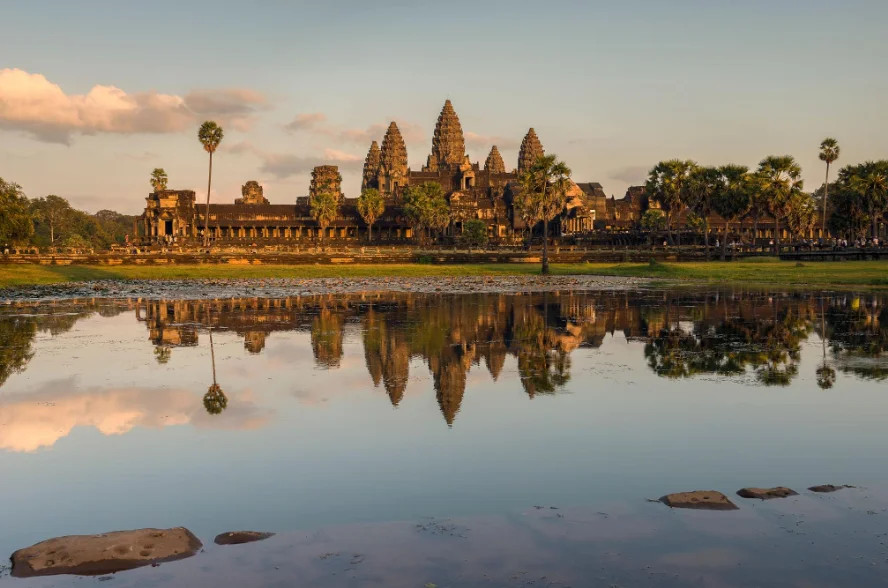
Angkor Wat is important because it is not simply a large ruin. It is the best-preserved temple in the Angkor archaeological park and the largest religious monument in the world. It was built in the first half of the 12th century under King Suryavarman II, first as a Hindu temple dedicated to Vishnu, and later used as a Buddhist site. The complex is a model of the Khmer universe in stone: a central sanctuary representing Mount Meru, surrounded by galleries, courtyards, towers, and a broad moat.
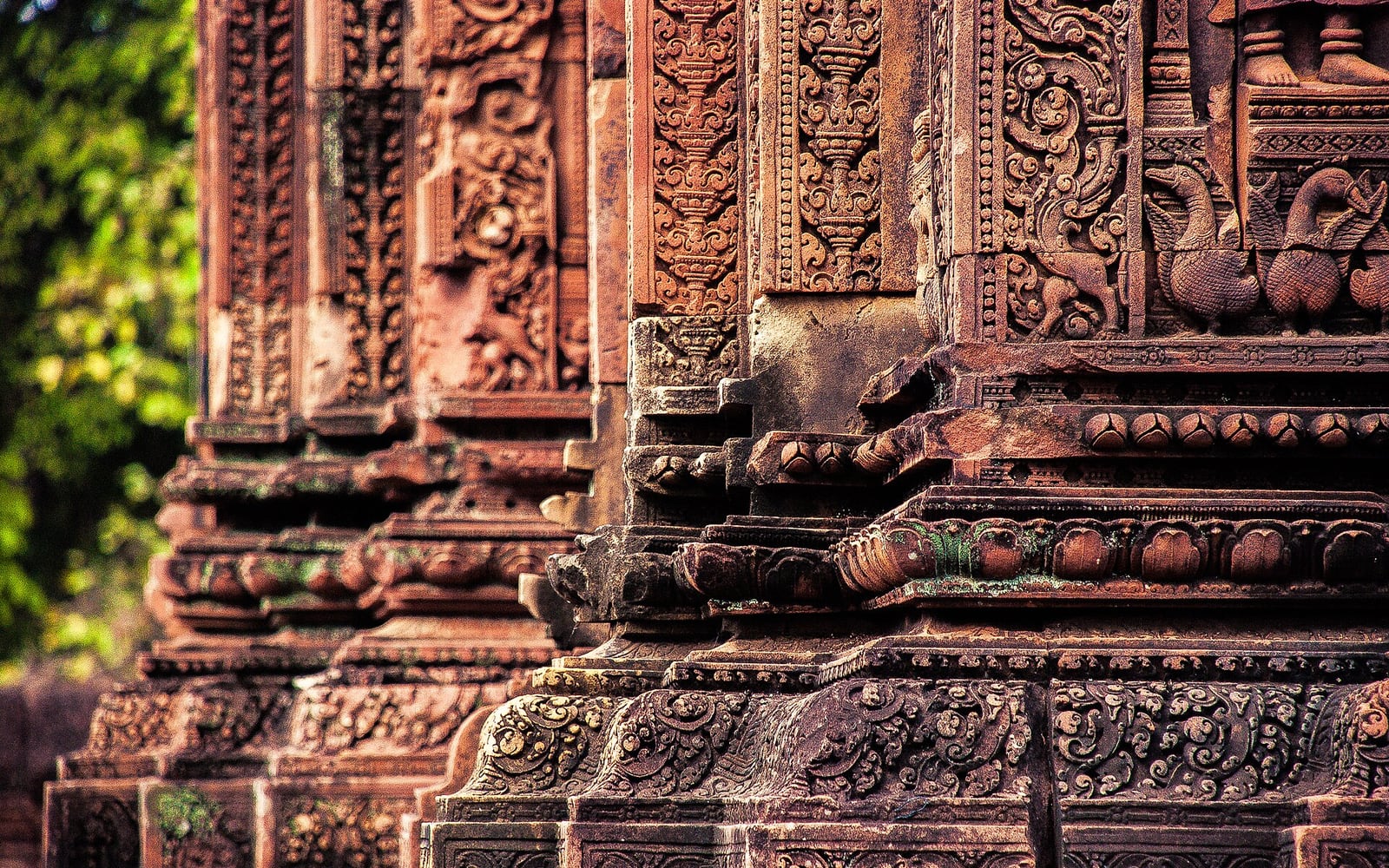
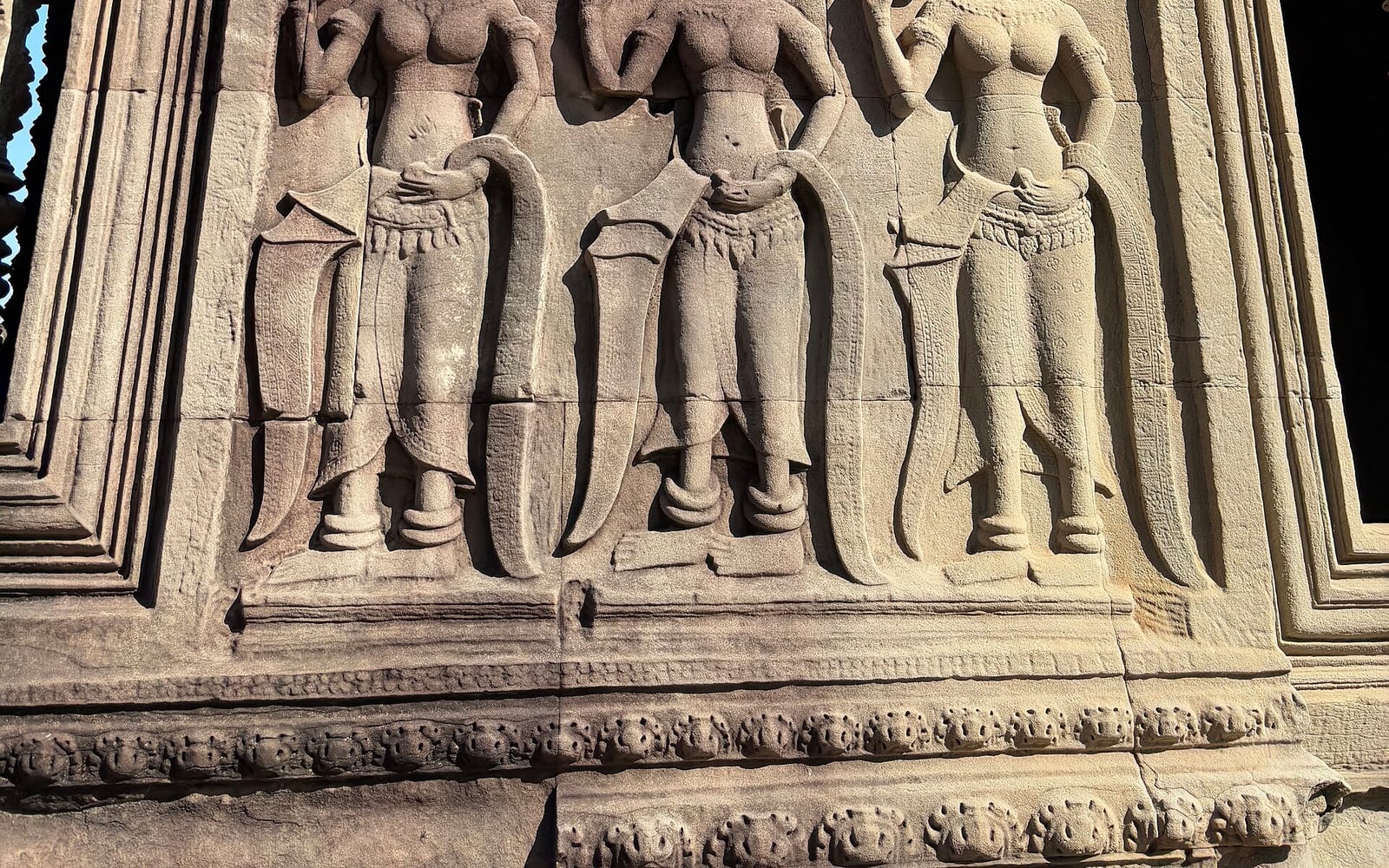
The details are what make a visit last. Nearly two thousand square meters of bas-reliefs tell stories from Hindu epics, royal processions, heaven and hell, and the famous Churning of the Ocean of Milk. Devata and apsara figures line the walls, each with subtly different ornament, posture, and expression. The scale is impressive, but the craftsmanship rewards a slower second look.
Angkor Wat matters for Cambodia, too. Its towers appear on the national flag and have become a symbol of Cambodian identity after decades of conflict. UNESCO recognition in 1992 placed the wider Angkor complex among the world's most important cultural landscapes. Arriving at sunrise remains popular, yet the site can also feel thoughtful in the afternoon when the largest groups have moved on. Give it at least three hours, ideally more, and use the Siem Reap travel guide to plan the rest of your time.
What Other Temples Are Worth Visiting?
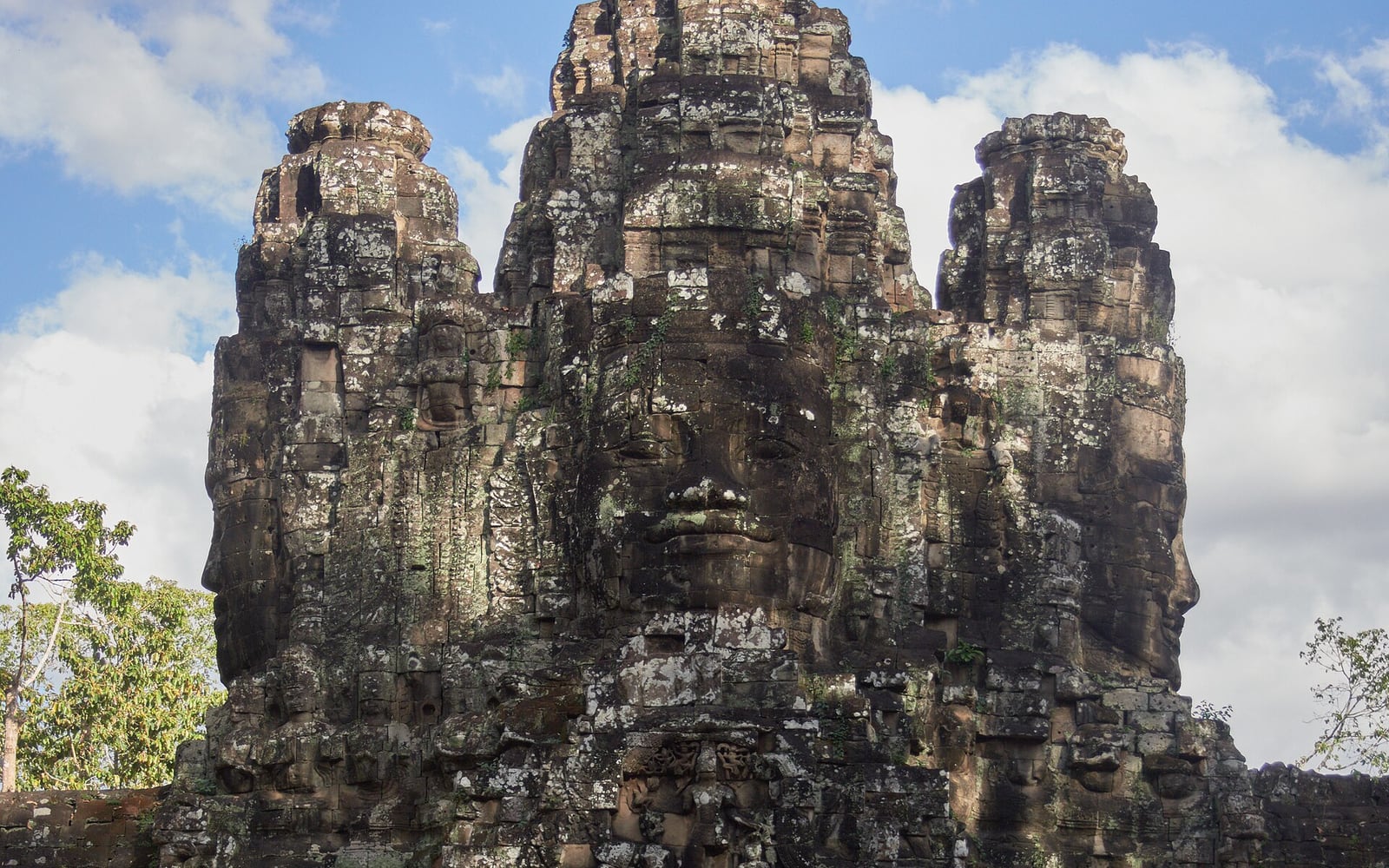
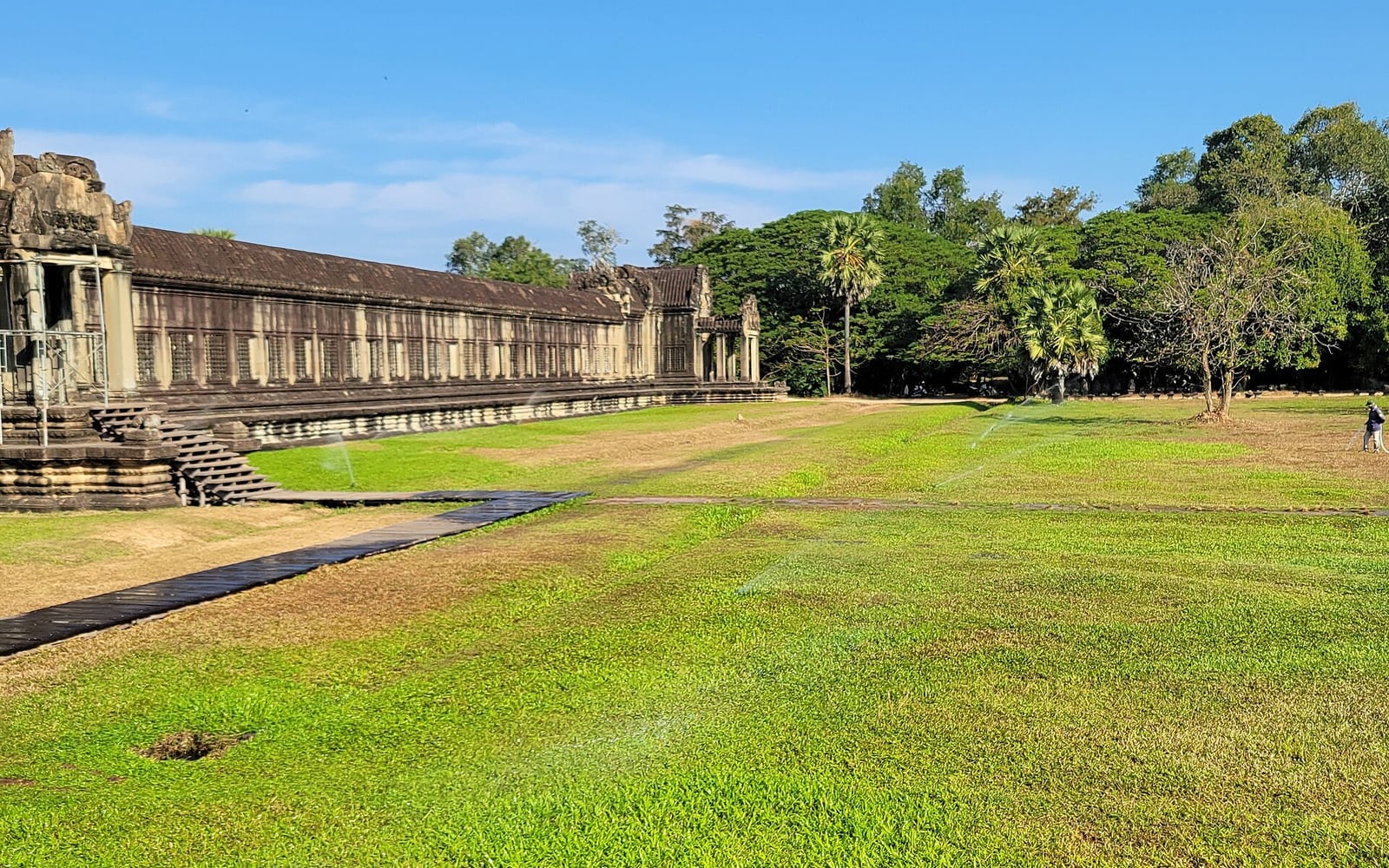
The wider Angkor park is far more varied than Angkor Wat alone. Bayon, inside Angkor Thom, is known for its towers carved with calm, enigmatic faces. Preah Khan feels like a long sequence of stone corridors and courtyards, with fewer bottlenecks than Ta Prohm. Ta Som ends in a photogenic gate swallowed by tree roots. Banteay Kdei is quieter and easier to combine with a stop at Srah Srang.
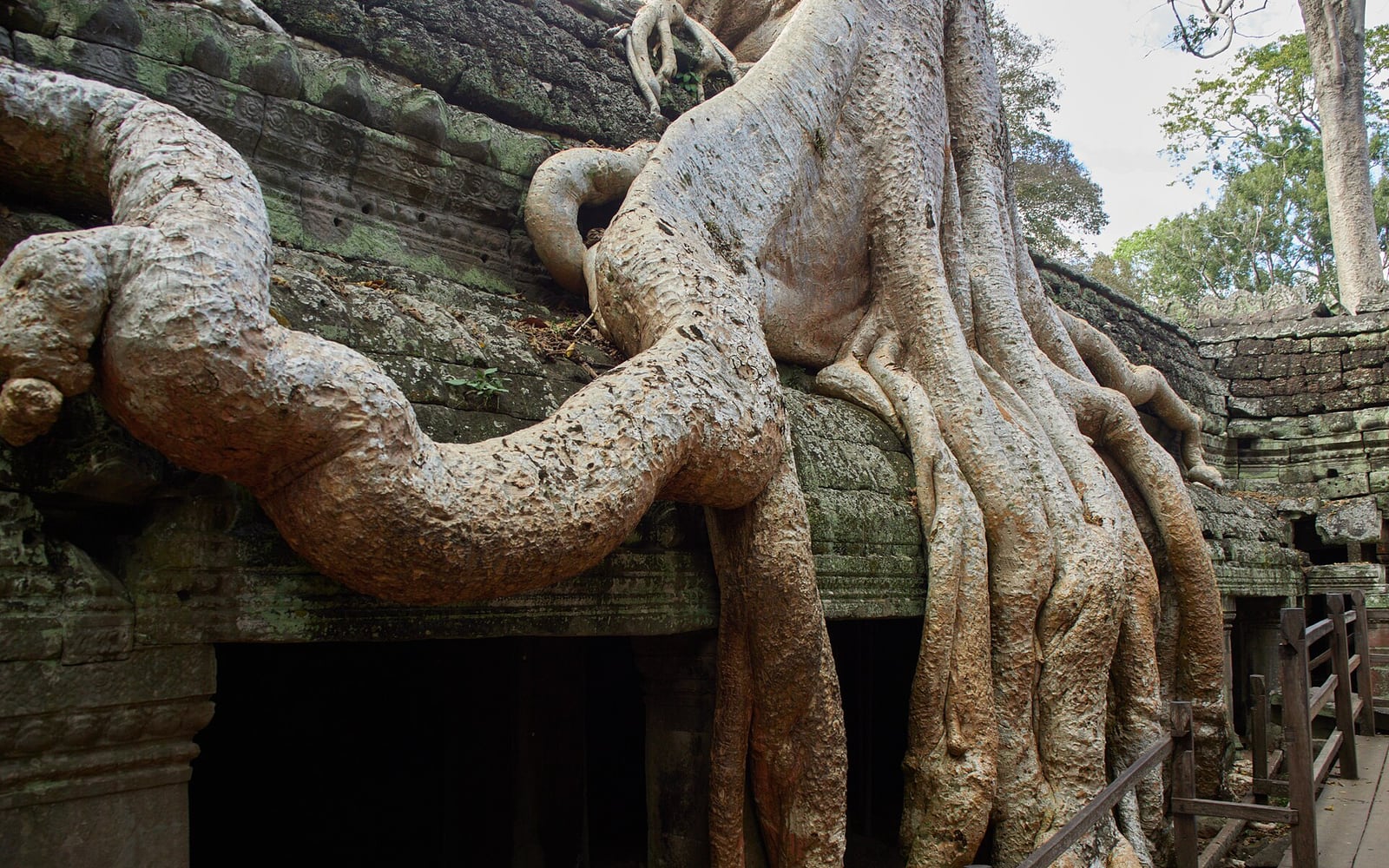
Ta Prohm is popular because nature and architecture meet so dramatically. Silk-cotton and strangler-fig roots wrap around doorways and spill across galleries. Early morning is the best time to see it without the heaviest crowds. Banteay Srei is another essential stop, though it sits about 40 minutes farther from town. Its pink sandstone carvings are unusually fine, especially around the central shrines and pediments.
Trying to collect every temple is a mistake. Choose two or three that offer different experiences: faces at Bayon, roots at Ta Prohm, and carving at Banteay Srei. This approach leaves time to notice details instead of walking from one photo stop to another. It also makes it easier to avoid the hottest part of the day and to return for a second pass at whichever temple you enjoy most.
What Can You See Away From the Main Temple Route?
The main circuit gets most of the attention, but the outlying sites show a different side of the Angkor period. Banteay Srei is the obvious starting point, and a responsible guide can turn the drive into a fuller day by adding Banteay Samre or a stop at a local village. Beng Mealea, roughly an hour and a half from Siem Reap, is much more ruined and atmospheric; visitors walk through collapsed stone on wooden platforms.
The Kulen plateau is another option, best treated as a full day rather than a quick add-on. Its riverbed carvings, waterfall, and wide views explain why the area held spiritual importance long before the great city temples were built. Roluos, southeast of Siem Reap, contains earlier brick temples that mark the beginning of the Khmer empire's move into the region. They are modest in scale but historically significant.
Transport and time matter. Some remote sites require a car rather than a tuk-tuk, and visitors should never approach restricted religious areas without permission. A good operator will explain distances, entrance fees, and which sites fit comfortably in one route. The reward is a quieter day in which the landscape, villages, and smaller monuments matter as much as the famous stops.
Where Can You Experience Local Culture?
Khmer culture is not confined to a performance or museum. It is present in pagodas, cooking, craft workshops, music, and the way families use public space at the end of the day. A traditional Apsara performance can be a useful introduction if you choose one that presents Khmer dance as living culture rather than a hotel dinner show. Ask whether the performers are paid fairly and whether the program explains the stories behind each dance.
Artisans d'Angkor and smaller workshops around town offer another view, particularly for visitors interested in silk, stone carving, or lacquer. Cooking classes can be worthwhile when they begin in a market and explain how ingredients change by season. Local pagodas also welcome respectful visitors, but clothing should cover shoulders and knees, voices should stay low, and worshippers should never be treated as background for a photograph.
For a more contemporary side of the city, look at Phare's circus schedule or the small galleries and community spaces that host Khmer artists. The experience is strongest when you spend locally and ask questions without expecting a performance of authenticity. Siem Reap's culture is not a stop between temples; it is part of what makes those temples meaningful.
Is the Siem Reap Countryside Worth Exploring?
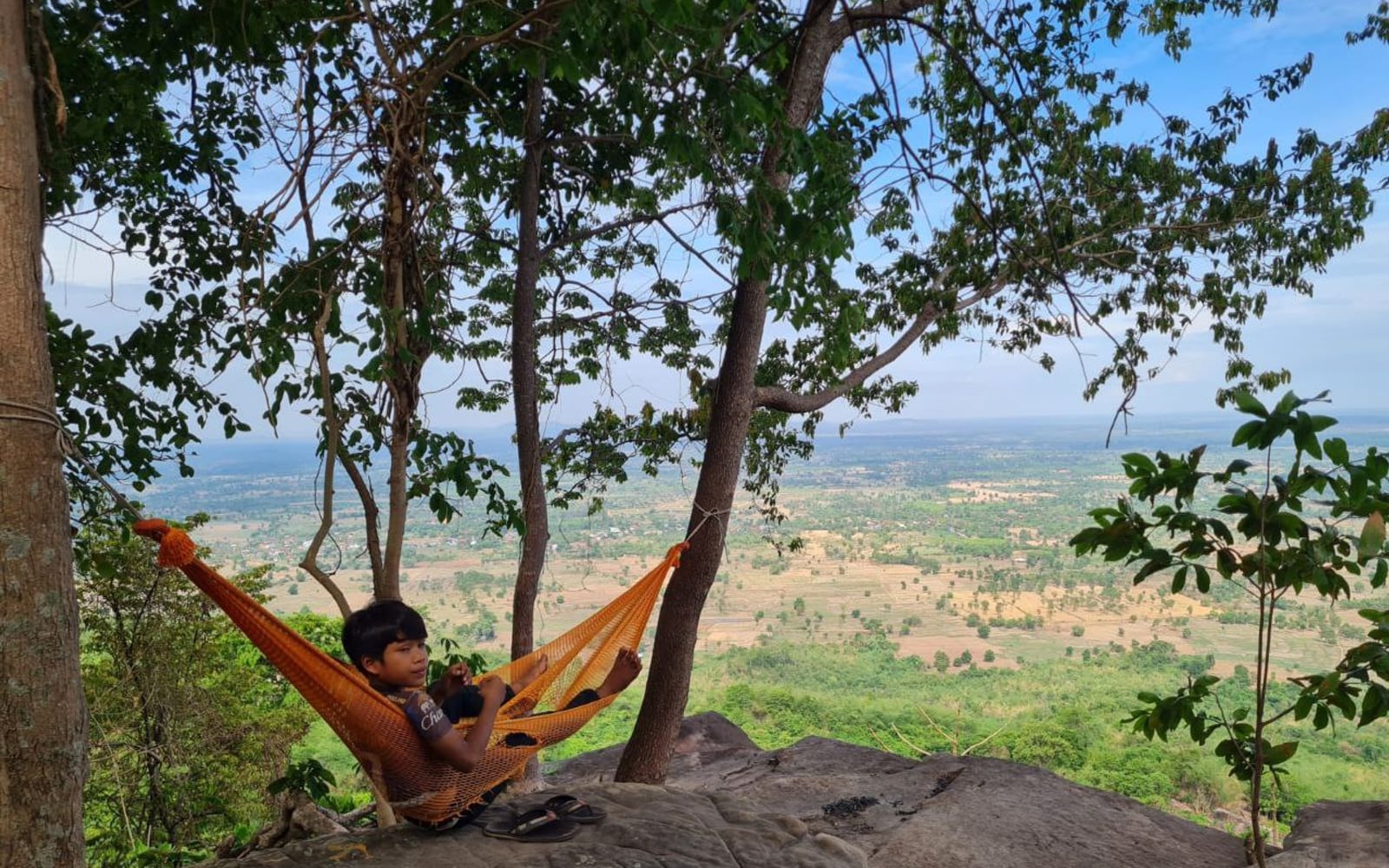
Yes, especially if you want a break from monumental stone. Within a short ride of the center, the city gives way to rice fields, sugar-palm trees, small farms, and villages where daily life follows the water and growing season. A bicycle loop is ideal for a half day because the pace is human and the scenery changes slowly. Stick to quiet roads, start early, carry water, and avoid riding at dusk when traffic becomes harder to read.
Farther out, the Kulen plateau offers forest, waterfalls, and wide countryside views. The Tonle Sap floodplain is different again, with stilted and floating communities adapted to a lake that expands and contracts dramatically through the year. Kampong Phluk and Kampong Khleang are often visited by boat; choose a responsible local operator, avoid pressuring children to pose, and understand that water levels change the experience.
The countryside is not an attraction park. It is where people work, fish, farm, and raise families. Buy snacks and drinks locally, ask before taking close portraits, and do not support elephant rides or venues that present children as entertainment. With that care, a country day adds context to the temples and shows how one of Southeast Asia's most visited destinations remains rooted in rural Cambodia.
How Can You See Angkor Without Rushing?
Build the temple days around one major anchor each morning and keep the afternoon flexible. Start early to use the cooler hours, but avoid chasing sunrise and sunset on the same day. A three-day rhythm works well: one day for Angkor Wat and nearby highlights, one for the wider circuit, and one for an outlying site or a return to a favorite temple. Between them, leave at least one slower day in town.
The Angkor pass and transport choices shape the plan. A tuk-tuk is comfortable for the main circuit, while a car makes more sense for distant sites. Guides are valuable not only for dates and symbols but also for helping you avoid the largest groups. Carry water, wear shoes with grip, use sun protection, and remember that many surfaces are uneven. Sitting quietly for ten minutes inside a temple often teaches more than hurrying to the next viewpoint.
Most importantly, decide what kind of day you want before you leave. If you want to photograph sunrise, make that the main event and go back to town afterward. If you care more about carvings, spend longer at Banteay Srei or Angkor Wat's galleries and skip a lesser stop. For quieter hours between temple visits, the Siem Reap things-to-do guide covers markets, cafes, and countryside trips. Angkor is vast enough to resist a checklist. Its best moments often arrive when you give one place enough time to become familiar.