Temple mornings in Siem Reap can be magnificent and exhausting. The heat, early start, uneven floors, and concentration required by a large temple all add up. Rather than treating every empty afternoon as a problem to solve, use it to reset. The best break is usually close to town, simple to reach, and different enough from the morning that you stop comparing one temple with another. These options work especially well when you have several days in Siem Reap and do not need to rush straight into another archaeological site.
Where Can You Go After a Morning at Angkor?
After a morning at Angkor, go somewhere with shade, food, and no pressure to take photographs. A long Khmer lunch is a good start. Order something cooling such as a salad, a sour soup, or fresh spring rolls, then add an iced coffee and let the hottest hours pass. Restaurants around Wat Bo and the river are often quieter than the busiest Pub Street blocks, while places near the Old Market are convenient if your hotel is in the center.
A massage is another practical choice. Look for a clean, established spa rather than accepting an unsolicited roadside offer, and confirm the price and duration before treatment. If a full massage is not appealing, a foot treatment works well after hours on stone. Back at the hotel, a shower and a real rest can make the difference between enjoying the evening and merely enduring it.
The key is to lower the ambition of the afternoon. You do not need a second major attraction. A late swim, a few chapters of a book, and an early dinner can be the most useful travel decision of the day. If you still have energy, save it for an evening walk after the heat has gone instead of adding another pickup and guided stop.

What Is Worth Exploring in the Old Town?
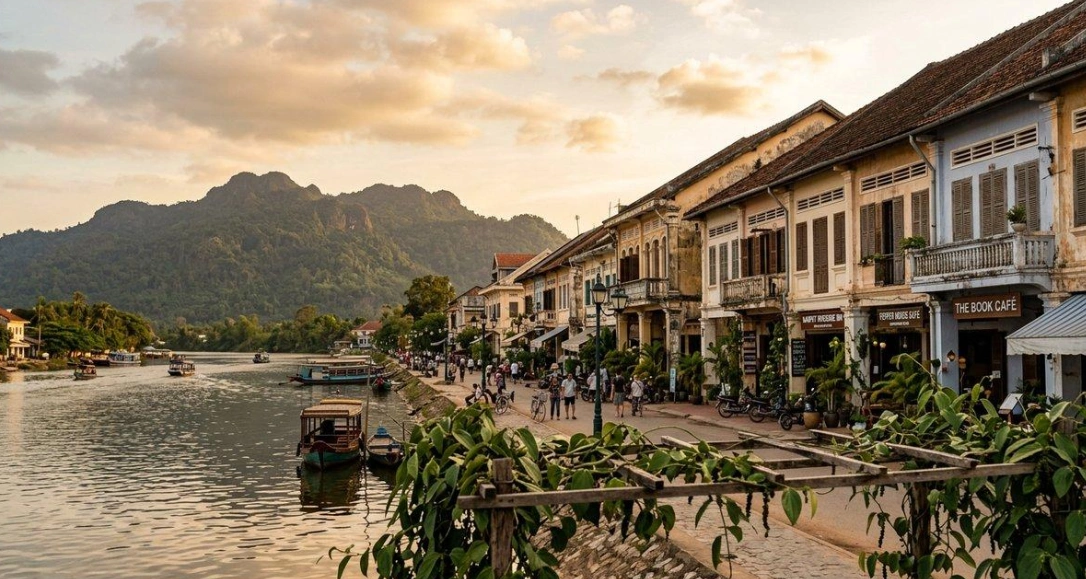
Old Town is compact enough to explore without a rigid plan. Start near the river, where the streets become walkable in the late afternoon and the light softens on the shophouses. Wat Preah Prom Rath and Wat Bo show that this is still a working city rather than a themed tourist district. Small courtyards, schools, repair shops, and family restaurants sit close to hotels and galleries, giving the center a useful mix of local and visitor life.
The area around Pub Street changes character through the day. In the morning it is quiet and practical; after dark it becomes loud and commercial. If nightlife is what you want, arrive with a clear idea of your budget and keep an eye on your belongings. If it is not, explore the same streets before dinner, then move toward the river or the smaller lanes north of the market. The contrast is part of understanding Siem Reap.
Leave time to look at details rather than searching for one perfect street. Shop signs, food carts, colonial-era proportions, and the way buildings open onto the pavement reveal how the town grew around tourism. The Siem Reap attractions guide can help you place the Old Town within a wider itinerary, but the neighborhood itself is best experienced slowly and without a checklist.

Which Markets Are Worth Visiting?
Psar Chas, commonly called the Old Market, is the most central option. It is busy, practical, and best in the morning when locals are shopping for meat, vegetables, spices, and household goods. The tourist stalls are easy to find, but the food section is the more interesting part. Go with a modest purchase in mind, keep bags close, and ask before photographing vendors or their displays.
Psar Leu is farther from the center and feels more everyday, with household goods, clothing, food, and repair stalls spread across a large site. Angkor Night Market and Made in Cambodia Market are easier evening choices, though they cater strongly to visitors. They can still be useful for crafts, snacks, and gifts, especially if you want fixed prices and a relaxed atmosphere.
Market etiquette is simple. Bargain politely if you enjoy it, but do not turn a small purchase into a contest. Remember that the first price may include a tourist premium, while aggressive bargaining over a dollar matters much more to the seller than to most visitors. Drink stalls, fruit stands, and simple food counters are good places to try local flavors without committing to a full restaurant meal.

Where Can You Find a Quiet Cafe?
The quietest cafes are usually a short walk from the main nightlife streets, on the Wat Bo side of the river or along smaller lanes where traffic is lighter. Look for a shaded courtyard, ceiling fans, reliable Wi-Fi, and enough space between tables to read or work. Coffee culture has grown quickly in Siem Reap, so you can find strong espresso, Khmer iced coffee, pastries, and simple rice or noodle dishes in the same place.
Morning and early afternoon are the best times for quiet. Once tour groups return to town, central cafes can fill quickly. If you are working, charge your devices before leaving and confirm whether power outlets are available. If you are escaping the rain, accept that a short shower may turn into a longer stop; this is one of the easiest places to practice slow travel without feeling that you are missing anything.
Use the cafe as a genuine pause rather than another item on a list. Write a few notes, study the next day's route, or simply watch the street wake up. A small local coffee or tea shop can be just as rewarding as a polished specialty bar, particularly when the person behind the counter is willing to explain what is in the glass.

Is a Countryside Trip Worth Adding?
Yes, if you have at least two full days in Siem Reap and want to understand the landscape beyond the temple park. The Tonle Sap floodplain is the classic half-day or full-day trip. Kampong Phluk is relatively close to town; Kampong Khleang is farther but often feels less crowded. Stilted houses, boats, flooded forest, and seasonal water levels make the visit completely different from a temple morning.
Water levels change the experience. In the wet season, boats may pass through flooded trees and reach villages surrounded by water. In the dry season, you may see tall stilts, exposed lakebed, and a more working-village atmosphere. Ask the operator what is actually possible on your date rather than relying on a generic tour description. Bring sun protection, water, and a small amount of cash for local purchases.
Rice fields and the Kulen plateau offer another version of the countryside for travelers who prefer dry land. Bicycles work well on quiet back roads, but distances add up and heat is a serious factor. Choose a short loop or a guided ride if you are not confident in local traffic. The countryside deserves the same care as a temple: go with a responsible operator, avoid exploitative animal activities, and treat villages as communities rather than attractions.

How to Balance Temples With Slow Travel
Balance begins with accepting that Siem Reap cannot be completed. Give each day one clear anchor, then leave room for meals, rests, and changes of plan. A good pattern is a temple morning, a long lunch, a quiet afternoon, and a short evening walk. The next day can begin later if you are tired or move in a different direction if one area has already given you enough.
Three temple days do not need to be equally intense. One day can focus on Angkor Wat and Angkor Thom, one on Ta Prohm and the smaller circuit, and one on an outlying site. Between them, add a market morning, a cafe afternoon, or a countryside trip. This keeps the trip varied and makes it easier to remember individual places instead of a blur of sandstone.
Travel pace is personal. If you are happy to wake at four, chase sunrise, and sleep in the afternoon, do it. If you prefer to start at eight, skip the famous viewpoint, and spend longer in one gallery, that is equally valid. The Siem Reap things-to-do guide offers more local options, but the best plan is the one that leaves you curious at the end of the day rather than finished.