My routine usually disappears the week I move. The gym habit, the normal breakfast, the evening walk, the quiet work start - all of it gets interrupted by keys, maps, groceries, laundry, and the mild confusion of being new again.
I used to fight this with strict plans. Now I build wellness routines from the city outward. The routine has to fit the neighborhood, not just the version of me who made a schedule before arriving.
Why My Routine Usually Disappears When I Move
Moving breaks the invisible supports around a routine. You lose the familiar shop, the known walking loop, the gym route, the kitchen setup, and the sense of how long errands take.
That does not mean the routine was fake. It means it depended on an environment. A new city needs a new set of supports before habits feel natural again.
Once I accepted this, I stopped judging the first few days so harshly.
Start With the Neighborhood, Not a Perfect Schedule
The neighborhood tells me what kind of routine is realistic. Is it walkable? Are there shaded streets? Is breakfast nearby? Does traffic make evening plans annoying? Is there a gym close enough that I will actually go?
I spend the first days observing instead of optimizing. A perfect schedule that ignores the neighborhood will fail quickly.
In Chiang Mai, the routine might be cafe, walk, gym, market. In a beach area, it might be swim, work, early dinner, sleep.
Find Your Everyday Places First
Every new city gets easier when I find everyday places: one coffee spot, one simple meal, one grocery option, one laundry place, one walking route, and one backup workspace.
These places are not glamorous, but they reduce friction. Once I know where breakfast comes from, I stop spending the morning negotiating with maps.
Wellness is often hidden inside boring reliability. The body relaxes when the day has fewer unknowns.
I write these places down during the first week because memory gets noisy when everything is new. A short note like "quiet lunch near apartment" or "laundry closes at seven" saves energy later. The list becomes a small operating manual for the city.
Build a Routine Around What You Actually Enjoy
I do not build routines around aspirational habits anymore. If I hate running in humidity, I do not make running the foundation. If I like walking at sunset, that becomes the anchor.
Enjoyment matters because travel already uses willpower. A routine that requires constant self-control usually collapses when work gets busy.
The best routine is not the most impressive one. It is the one I repeat without needing to become a different person.
This also makes the routine more local. In one city I may want yoga because the studio is nearby and friendly. In another, the best habit may be buying fruit after an evening walk. I let the place suggest a few options, then choose the one that feels easiest to continue.
How Walking Can Become Part of Your Routine
Walking is my easiest wellness habit in a new city. It helps me learn the neighborhood, reset after work, notice food options, and feel less trapped in laptop life.
I choose one loop and repeat it for a few days. Repetition turns unfamiliar streets into a mental map.
In hot places, I walk early or late. This connects naturally with staying healthy in a tropical climate because timing matters as much as motivation.
Finding Gyms, Yoga Studios and Other Activities
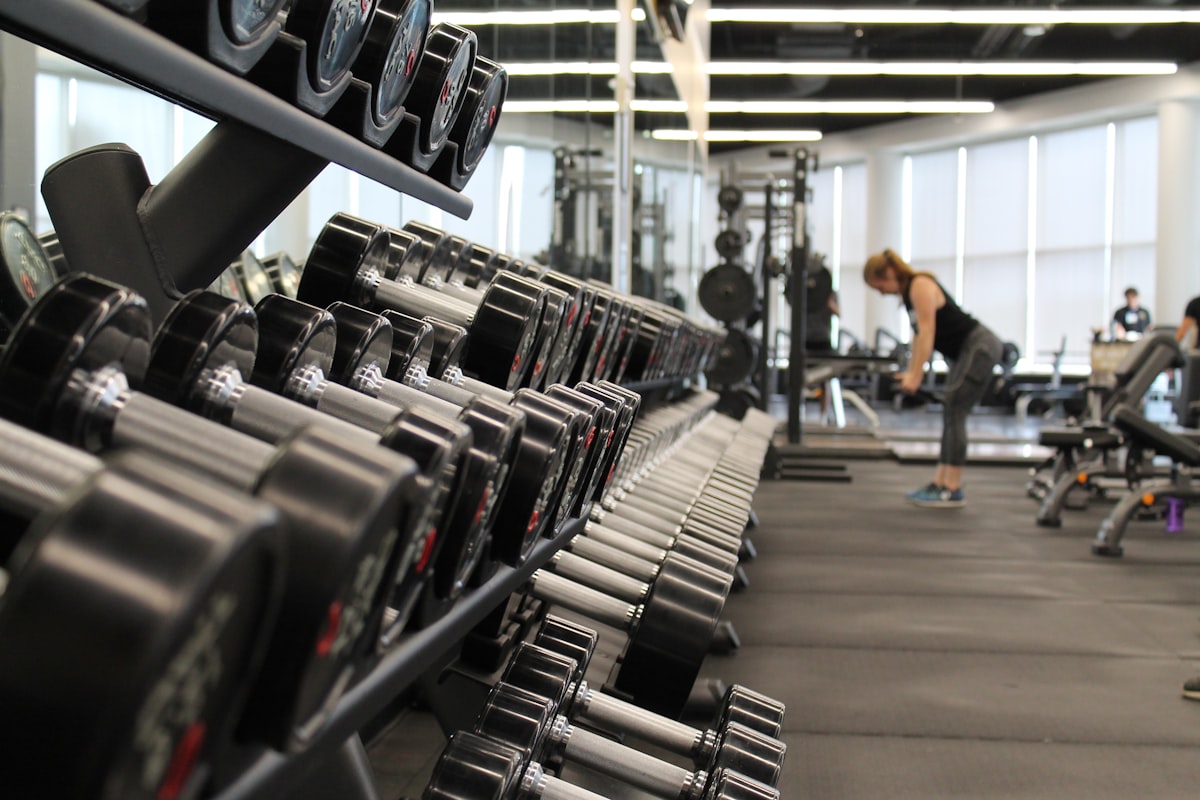
For gyms or yoga studios, distance beats perfection. A basic gym ten minutes away is better than a beautiful studio across town that I visit once.
I look for day passes before committing, check class times against work calls, and notice whether the route feels easy after dark. If the activity adds stress, it is not supporting the routine yet.
Sometimes the best first-week movement is simple: walking, stretching, swimming, or bodyweight exercises in the room.
Making Food and Coffee Part of Your Routine
Food routines settle a city quickly. I find one reliable breakfast, one light lunch, one grocery stop, and one place for relaxed local food.
Coffee also needs boundaries. A lovely cafe can become an expensive habit if it replaces water, meals, and movement. I like cafes as rhythm markers: morning work, afternoon reset, occasional social time.
This is where eating healthy as a digital nomad becomes practical rather than theoretical.
Give Yourself a Few Days to Settle In
I do not judge a new routine on arrival day. The first days are for setup: sleep, unpacking, groceries, WiFi, laundry, and learning how the street sounds at night.
After that, I add one habit at a time. Walk first. Then food. Then exercise. Then social plans.
Trying to build everything at once makes the city feel like a test. Settling in should feel more like tuning.
This patience matters most when the city looks easy online. Photos make arrival seem instant, but routines need boring evidence: which street floods after rain, when the cafe gets loud, whether the mattress is actually fine, and how far the gym feels after a workday. A few days of noticing prevents a month of forcing.
What a Good Routine Looks Like After the First Week
After the first week, a good routine is usually simple. I know where to work, where to walk, what to eat when tired, how to move my body, and when the day should stop.
It does not need to look productive from the outside. It needs to make the city livable from the inside.
That is the quiet win of slow travel. A new place stops being a puzzle and starts becoming a day I know how to live.
FAQ
What should I prioritize first in a new city? Sleep, food, walking routes, and a reliable workspace. These basics make every other habit easier.
Should I join a gym immediately? Try a day pass first. Distance, opening hours, and comfort matter more than the best-looking facility.
What if my routine keeps breaking? Make it smaller. Keep one anchor habit for a week before adding more.