My first month in Chiang Mai, I told myself I finally had the freedom to get healthy. I had a smoothie bowl photo on day two. By day twelve I was eating pad thai over Slack at 3 PM, sleeping at 1 AM, and calling Grab for an 800-meter trip because "it was hot." The healthy routine lived in my Notes app. My actual week lived in the laptop glow.
That is the gap most nomads hit. Freedom looks like a blank calendar. Health needs a few edges you carry between cities.
The Hardest Part of Nomad Life Is Creating Stability
At home, the day had doors. I left for work. I came back. The kitchen was mine. Abroad, the bed and the office share one room. Without edges, work leaked into everything.
I watched the slide happen in real time:
- Wake drifted from 7 to 10
- Lunch became "whenever the call ended"
- My only movement was walking to a cafe
- I fell asleep with Slack still open on the pillow
What Changed When I Started Staying Longer in One Place
I used to hop every seven to ten days. Great for photos. Terrible for habits. Every Monday I was learning a new supermarket and testing WiFi again. Of course the gym plan died.
After I started staying three to six weeks, small things stuck. In Da Nang I found a beach walk before 7 AM that I could do half-asleep. In Chiang Mai I reused the same Nimman cafe for morning deep work instead of hunting a new bowl daily. Bali forced early movement or I skipped it — heat does not negotiate.
Longer stays also cut decision fatigue. I bought a month gym pass once instead of debating day passes every afternoon. Health stopped being a project and started being Tuesday.
The Small Daily Habits That Keep Me Balanced
I dropped the twelve-step wellness fantasy. What survived packing:
Same wake window. Even when bedtime slipped, I got up within the same hour. My body followed wake time more than bedtime.
One meal without screens. Usually lunch. Phone face down. Ten minutes. Sounds childish. It stopped me from inhaling food while answering clients.
Ten to fifteen minutes of movement. Stretch on a towel, walk to the market, stairs instead of the elevator. A full travel stretching routine fits in zero bag space.
Water before the second coffee helped more in tropical heat than any supplement I bought at Boots. So did changing clothes after work — even in a studio — so my brain got an "evening" signal.
Creating a Work Schedule That Leaves Time for Life
"Flexible" almost ruined me. Flexible meant available from breakfast to midnight because someone, somewhere, was awake.
What worked better:
- Morning: deep work, Slack muted if I could get away with it
- After lunch: admin and lighter tasks
- Calls bunched into one or two windows
- Hard stop most nights — laundry, groceries, walk
How I Stay Active Without a Regular Gym
I stopped waiting for the perfect CrossFit box. Room circuits — squats, push-ups, planks, lunges — twenty minutes. Resistance bands weighed almost nothing. Stairs counted. Beach paths in Da Nang counted. Carrying grocery bags counted.
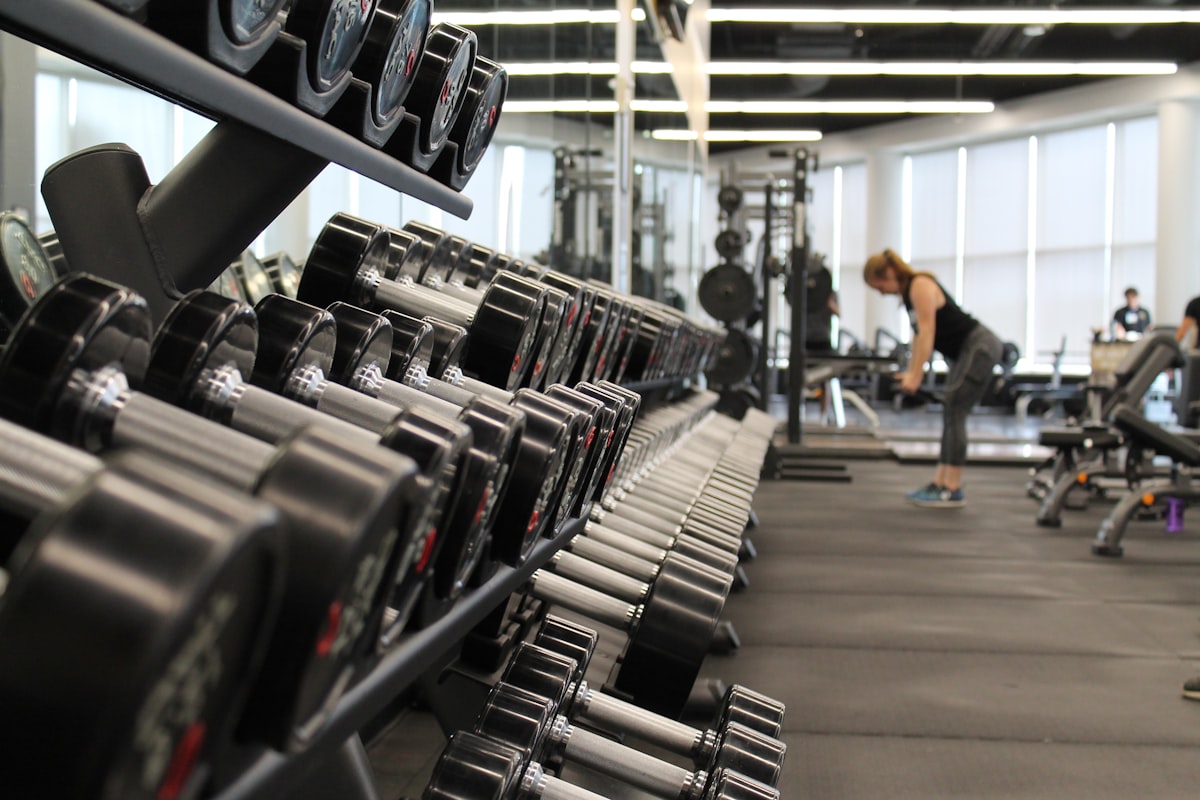
When a city had a cheap month pass, I bought it. Day passes created friction and I skipped. More of that coastal setup is in fitness in Da Nang. The win was showing up, not looking impressive.
Eating Well When Every City Has Different Food
Street food was never the villain. Random food at random hours was.
My rules got simple: protein once a day I could identify, vegetables at least at one meal, one or two lunch spots I reused, cook twice a week if the kitchen had a stove. Eggs, rice, greens, fruit from the market. In Chiang Mai I rotated a few healthy cafe spots instead of turning lunch into a scavenger hunt. Late-night noodles stayed as a planned treat, not the default after work.
Why Slow Travel Makes Healthy Routines Easier
When I moved every five days, every habit felt temporary. "I will start next city" became a permanent delay.
Stay longer and the cafe staff learn your order. The walk becomes autopilot. Skipping sleep for one more temple feels optional. That permission — to rest without feeling like I wasted a trip — mattered more than any new app.
A Simple Digital Nomad Routine That Works Anywhere
This is what I actually run. Adjust times for heat and client timezone:
- Wake, water, short outdoor light if possible
- Deep work block (90–120 minutes)
- Move — walk, stretch, swim, or gym
- Lunch, preferably not over the keyboard
- Afternoon admin and calls
- Hard stop, short walk, dinner
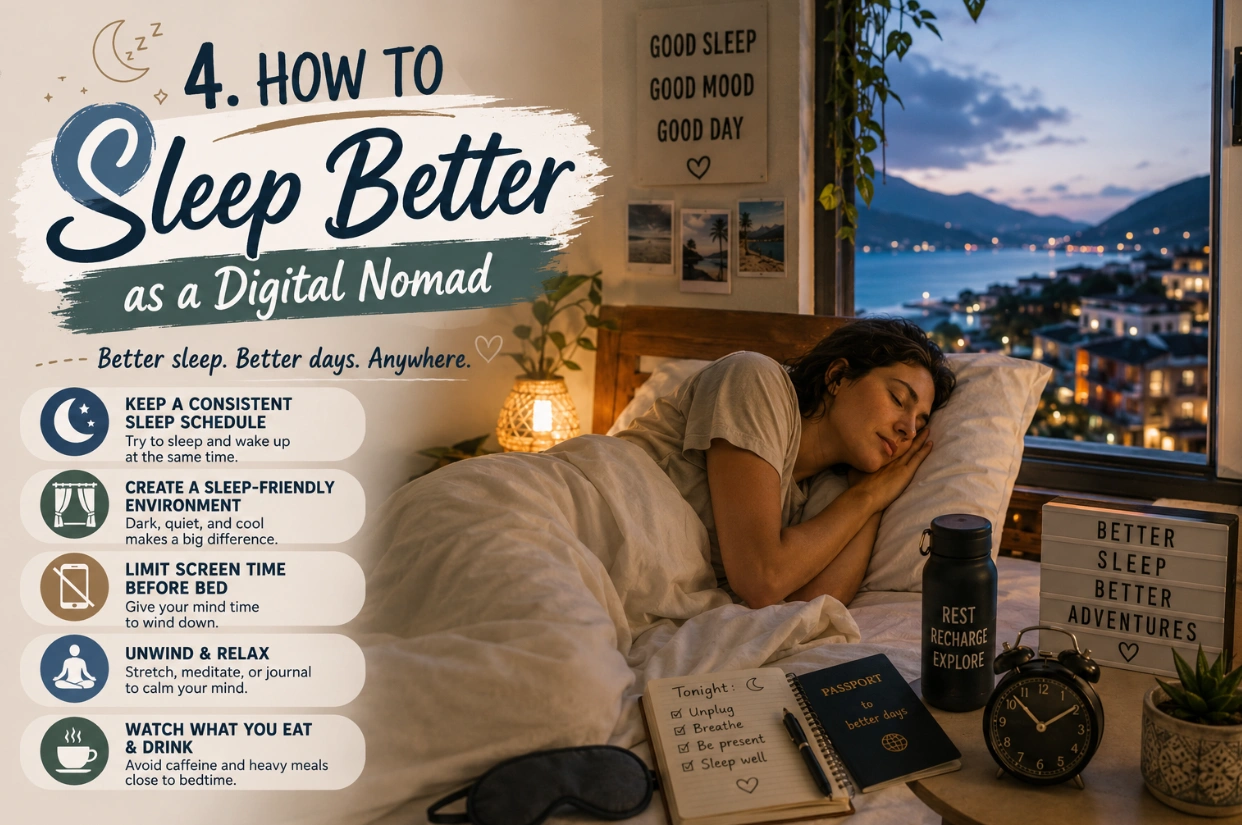
- Wind down — shower, book, phone away from the bed
I give a routine two weeks before I judge it. One broken day is not a reset. Keep wake time and the hard stop, rebuild the rest tomorrow. The goal is a week I can live inside — not a perfect week I abandon after the first delayed flight.
What My Week Looks Like When It Works
Monday: wake around 7, walk for coffee, deep work until lunch, laundry after the hard stop. Tuesday: beach walk or gym before calls. Wednesday: market for eggs and fruit, cook once. Thursday: free afternoon for SIM top-up and pharmacy. Friday: lighter work, one social plan max. Weekend: one outing, one empty half-day on purpose.
The weeks that failed usually shared the same mistake — I waited for a "perfect" apartment or a new city before starting. Start with one cafe, one walk, one stop time. Add more only when those three feel automatic.