Tropical weather changes the way a day feels. It is not only warmer. It affects sleep, appetite, walking speed, exercise, laundry, work energy, and how ambitious a plan should be after lunch.
I learned this slowly in Southeast Asia. The climate was not an obstacle to defeat. It was a condition to live with. Once I stopped fighting the heat and humidity, my days became much easier.
Tropical Weather Changes More Than Your Packing List
Before arriving, I thought tropical preparation meant lighter clothes and sunscreen. After a few weeks, I realized the bigger adjustment was behavioral.
I walked slower. I planned fewer midday errands. I changed when I exercised. I drank more water. I accepted that some afternoons were better for indoor work than outdoor exploring.
The climate shapes the schedule. Ignoring that made me tired. Respecting it made daily life feel less dramatic.
Give Your Body Time to Adjust to Heat and Humidity
The first week in a tropical city is not the time to prove toughness. Heat adaptation takes time, especially if you arrive from a cold or dry place.
I keep the first days simple: short walks, shaded routes, earlier mornings, and fewer stacked plans. If I need to work, I choose a cool room and save exploring for gentler hours.
That slower landing pairs well with building a wellness routine in a new city because both start with observation rather than force.
The Hydration Habit That Becomes Important
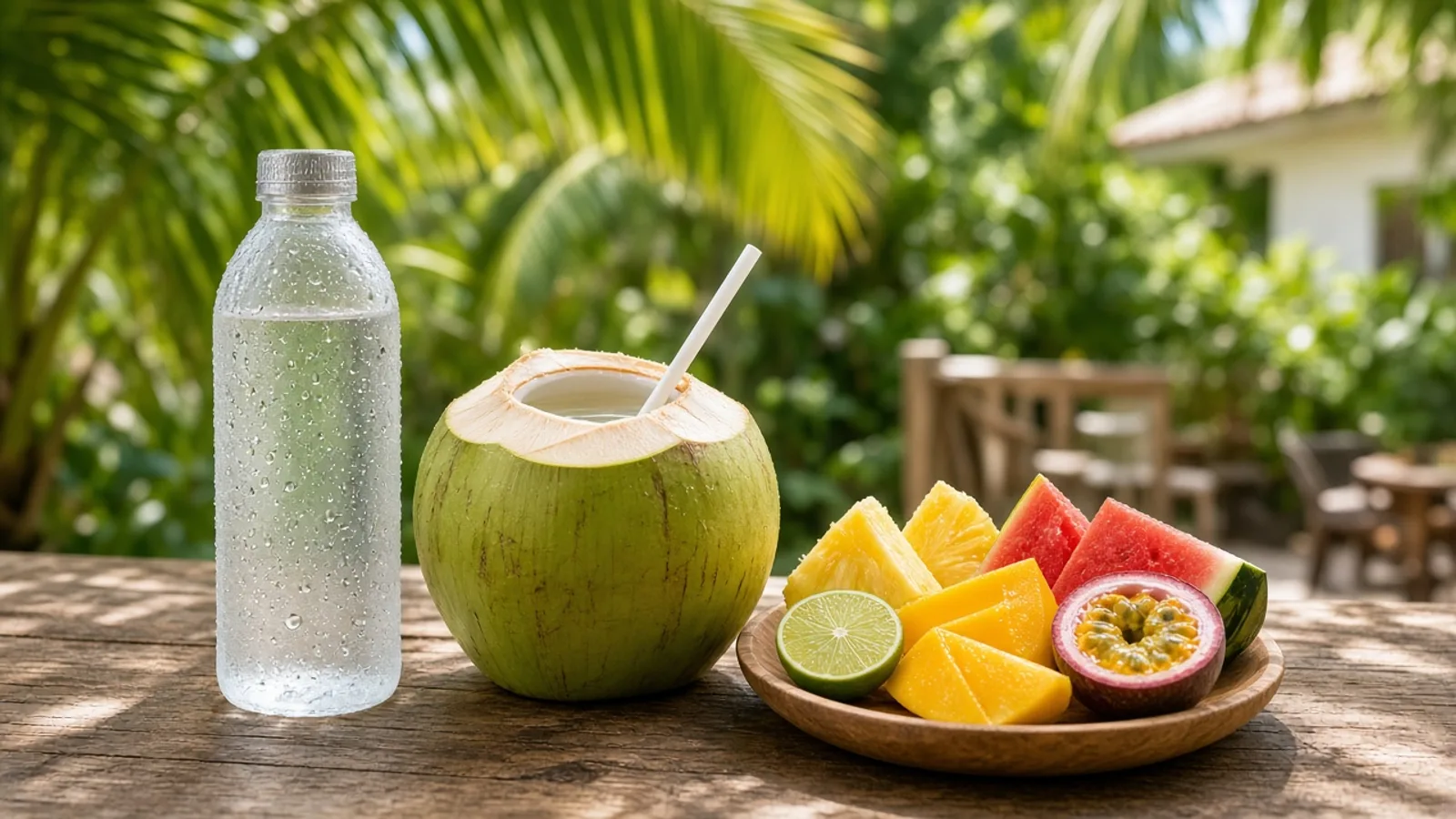
Hydration sounds obvious until iced coffee becomes the main fluid of the day. In humid weather, sweat can be constant and sneaky. I do not always feel thirsty until my energy drops.
My simple habit is water before coffee, water after walks, and extra fluids on travel days. In very hot weather, I add electrolytes sometimes, especially after long walks or sweaty workouts.
This is not complicated wellness. It is basic maintenance.
I also pay attention to the first signs that I am behind on fluids: dull headache, irritability, heavy legs, or the sudden belief that every small errand is impossible. Sometimes the answer is not motivation. It is shade, water, and twenty quiet minutes before making the next plan.
Rethinking Exercise in Hot Weather
Exercise routines need adjustment in tropical climates. A noon run that felt fine in Europe can feel punishing in Thailand or Vietnam.
I move workouts to early morning or evening, choose gyms with airflow, swim when possible, and accept shorter sessions. Walking also counts more than I used to admit.
The goal is consistency, not heroic suffering. A lighter routine I actually repeat beats a perfect plan that collapses after two overheated days.
Choosing the Right Time to Be Outdoors
Morning and late afternoon are my favorite outdoor windows. Midday is for shade, lunch, work, or rest unless I have a specific reason to be out.
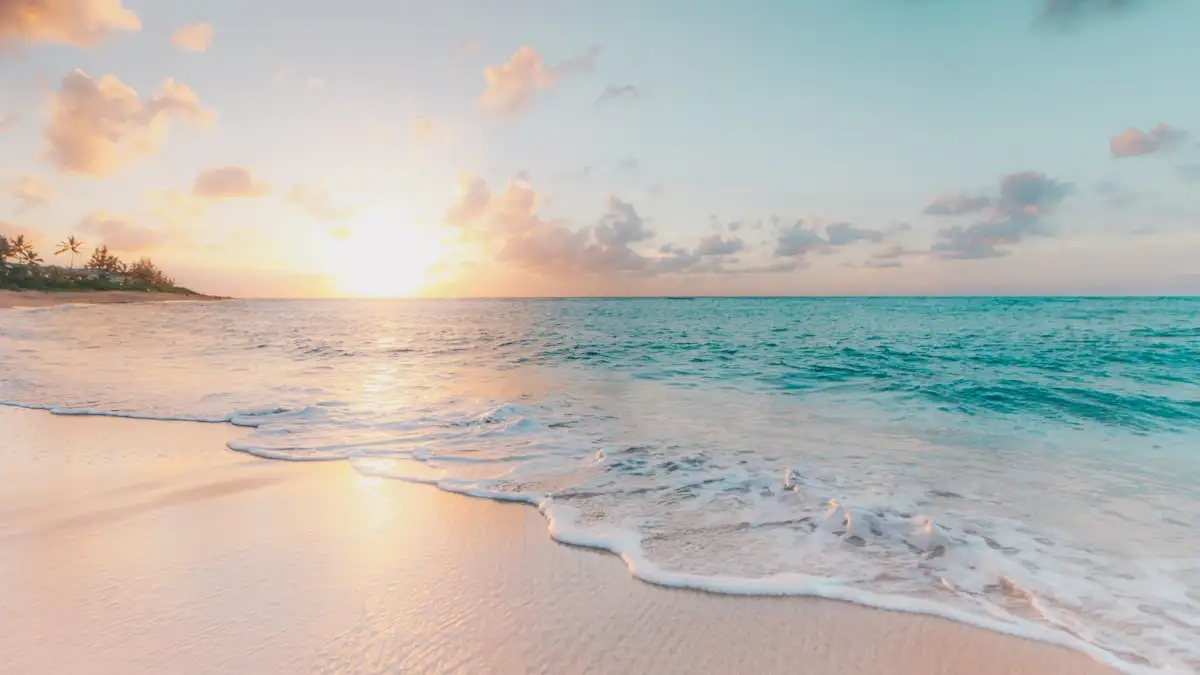
In Da Nang, this often means beach walks early and laptop work during the hottest hours. In inland cities, it may mean planning markets before the sun gets aggressive.
Weather apps help, but local rhythm helps more. Watch when residents choose to walk, eat, and rest.
On workdays, I treat outdoor time like a limited resource. If I spend it all on errands at noon, I rarely have much left for an evening walk. Choosing one good outdoor window often feels better than forcing three sweaty ones. Tropical cities reward timing more than ambition, and that lesson took me longer than it should have.
Sleep, Air Conditioning and Humidity
Sleep can get strange in humid places. Too much air conditioning dries me out or makes the room icy. Too little leaves the sheets damp and the night restless.
I look for rooms with decent ventilation, working AC, curtains, and reviews that mention comfort. I cool the room before bed, then avoid turning it into a refrigerator.
Good sleep is the base layer for everything else. Without it, heat feels hotter and small problems feel personal.
Humidity also changes laundry and bedding. If clothes never dry, the room starts to feel damp and unsettled. I choose places with a balcony, dryer access, or fast laundry nearby when I can. It sounds minor, but dry clothes and a dry bed can make a tropical month feel much more livable.
What to Carry on Long Hot Days
My hot-day bag is small but deliberate: water, sunglasses, sunscreen, a light layer for cold malls or buses, a small towel, and enough battery to use maps or call a ride.
If I am going far, I check the route back before leaving. Heat makes bad planning feel worse.
I also avoid carrying too much. A heavy bag in humid weather turns a casual walk into a negotiation with my own shoulders.
Food and Daily Routines in Tropical Cities
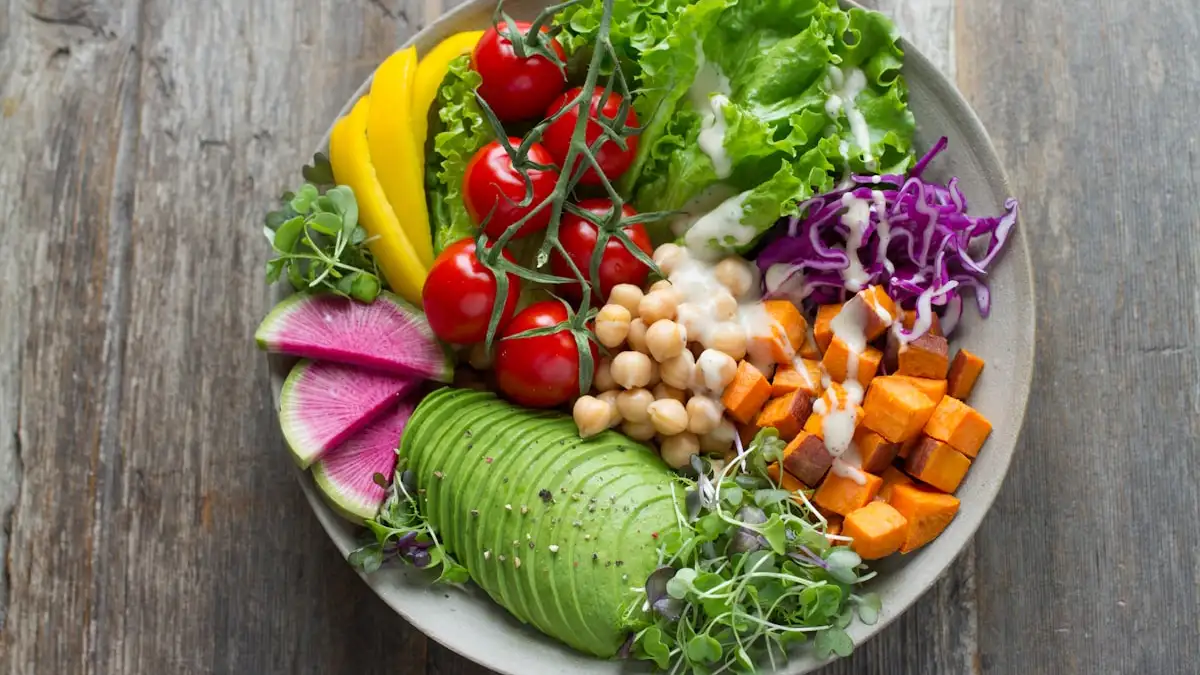
Heat changes appetite. Heavy meals at the wrong time can slow the whole afternoon. I tend to eat lighter during the day and save richer meals for evening.
Fruit, soups, rice dishes, grilled food, and simple breakfasts work well for me. This overlaps with eating healthy as a digital nomad because tropical routines often start with hydration and food timing.
I also plan laundry more often. Humidity is not kind to damp clothes.
Learning to Slow Down When the Weather Demands It
The biggest lesson was emotional. Tropical weather taught me to stop measuring a good day by how much I completed.
Some days are hot, wet, or heavy. A good day might be two focused work blocks, one shaded walk, enough water, and early sleep. That is not a failed travel day. It is a sustainable one.
The climate is part of the place. Learning its rhythm is part of living there.
FAQ
How long does it take to adjust to tropical weather? It varies, but the first week is usually easier if you keep plans lighter and avoid peak heat.
Can I exercise outside in tropical climates? Often yes, but early morning or evening is usually more comfortable. Listen to your body and choose shade when needed.
Do I need medical preparation? For destination-specific vaccines, medication, or health risks, check qualified medical guidance before travel. This article is practical routine advice.