Managing money when you live in multiple Southeast Asian countries is mostly about reducing failure points. Thailand, Vietnam, Malaysia, and Indonesia each have different payment habits, so a single money routine will not work everywhere. Use more than one card, keep a small amount of local cash, understand ATM and currency conversion fees, track spending by country, and maintain an emergency fund that is not tied to one bank or one phone.
The goal is not to chase the perfect exchange rate every day. The goal is to avoid being stranded when a card is blocked, an ATM fails, or a border day costs more than expected.
Why Managing Money Gets Complicated When You Move Between Countries
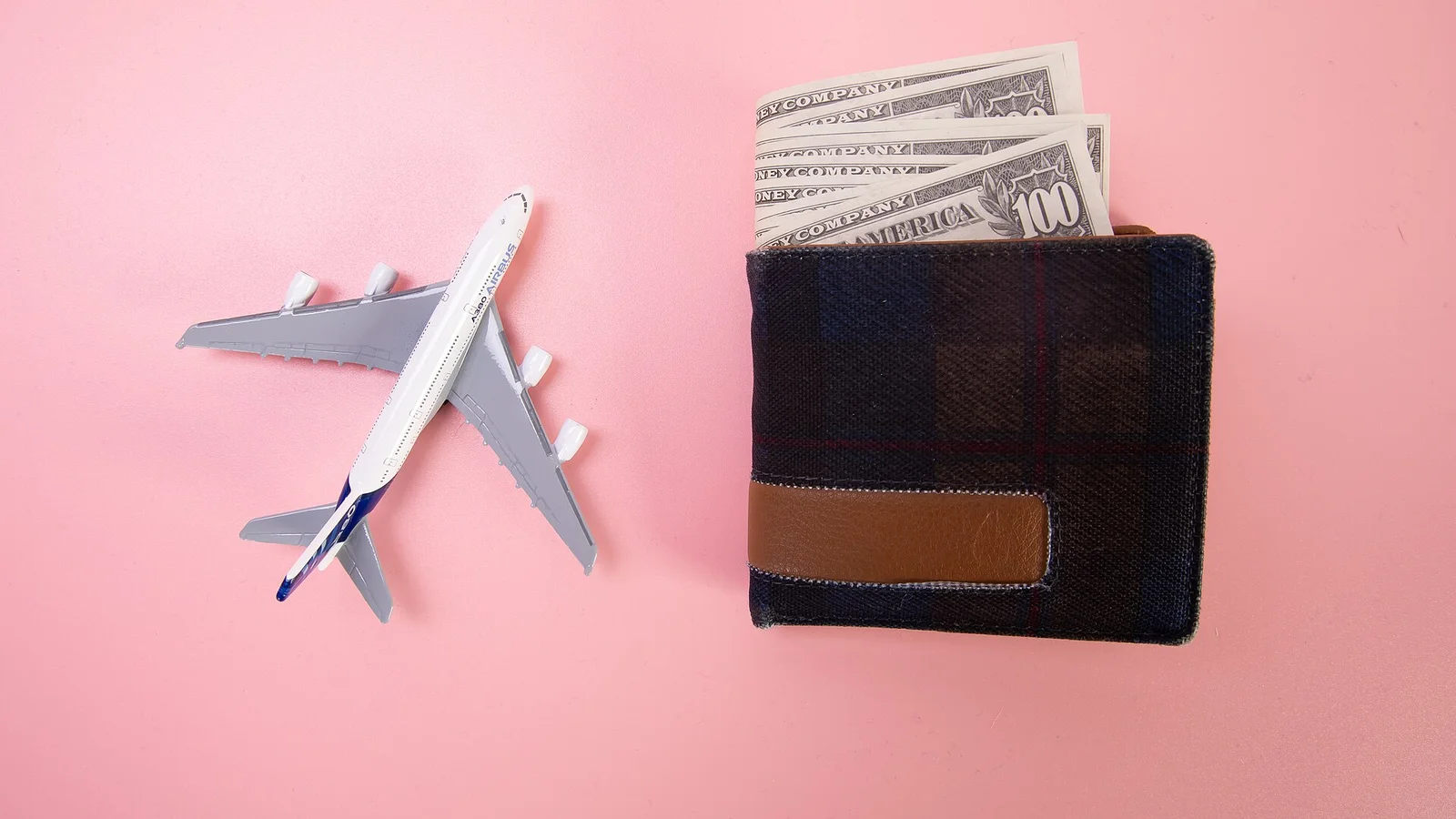
Moving countries creates costs that do not appear in daily budgets: flights, baggage, visas, arrival transport, deposits, SIM cards, first grocery shop, and leftover currency.
Payment culture also changes quickly. Singapore and Malaysia are card-friendly in many urban settings. Thailand uses cash and QR payments widely. Vietnam can be mixed. Indonesia varies heavily by island and business type. Do not assume a card will work at markets, small restaurants, local buses, guesthouses, or rural attractions.
Keep Track of Multiple Currencies
A monthly budget becomes blurry when you move often. Track spending by country and by category: rent, food, transport, coworking, visas, insurance, mobile data, flights, and entertainment.
This helps you see whether a destination is truly cheap for your habits. For baseline planning, our guide to how much money digital nomads need gives a wider budget framework.
How Much Cash Should You Carry?
Carry enough cash for a normal day plus transport back to your accommodation. Many places accept cards or QR payments, but cash is still useful for markets, transport, small towns, and emergencies.
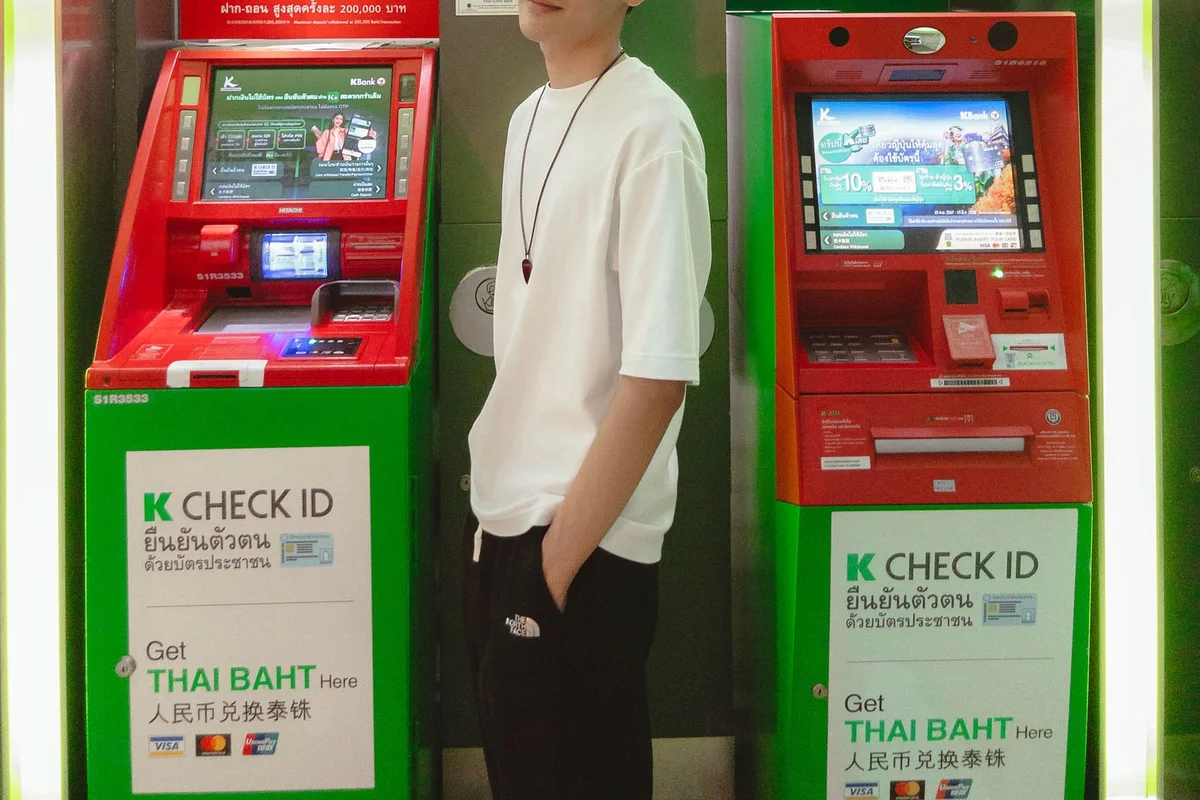
Withdraw sensible amounts rather than tiny amounts every day, but do not carry your entire monthly budget in cash. Use ATMs attached to banks when possible, cover the keypad, and avoid machines that look damaged or isolated.
Using Cards and Digital Payments While Traveling
Carry at least two cards from different providers if possible. Keep one in your wallet and one separate in your luggage or room safe. Banks block transactions, ATMs swallow cards, networks fail, and wallets get lost.
ATMs and card terminals may offer to charge you in your home currency. This is called dynamic currency conversion, and it often gives a poor exchange rate. In most cases, choose to be charged in the local currency.
For card comparison basics, see our guide to multi-currency cards for travel.
How to Avoid Losing Track of Small Daily Expenses
Small rides, coffees, SIM top-ups, and market snacks add up when you change countries. Track them by country, not only as one mixed "Asia" total.
Slow travel reduces these costs because you move less often. Visa rules also affect money planning. Check our visa application checklist before building a multi-country route.
Managing Money When Moving to a New Country
Before a border day, know how you will get local cash, whether your cards usually work, and how much you need for the first 24 hours.
Handle leftover currency calmly. Use it for airport food, transport, tips where appropriate, or keep it if you plan to return. Avoid exchanging tiny amounts at poor rates unless you need to. Coins may not be exchangeable.
Keep an Emergency Fund for Long-Term Travel
Keep emergency money separate from daily spending. This could be a second account, savings account, backup card, or trusted transfer method.
Emergency funds cover medical care, urgent flights, lost devices, deposit disputes, visa problems, or sudden accommodation changes. Do not invest or lock all spare cash if you may need it quickly abroad.
How to Organize Your Accounts and Payment Methods
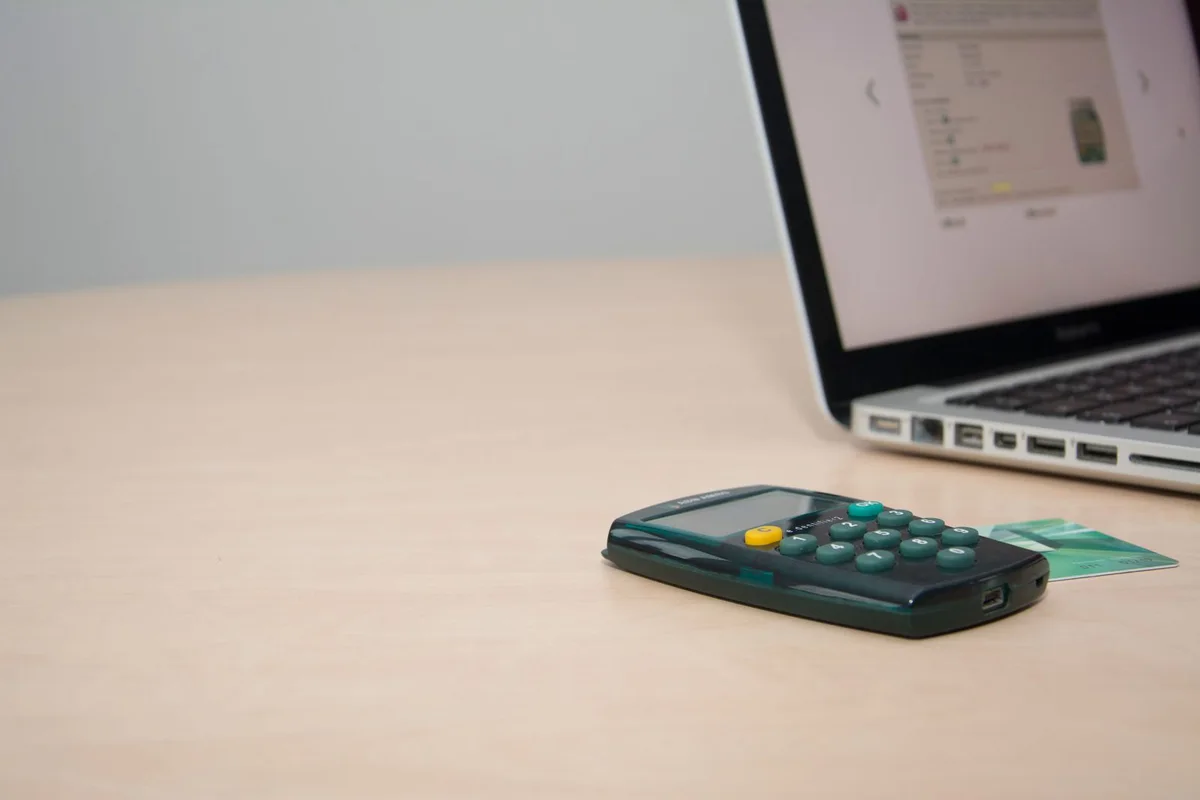
If your phone controls all banking access, protect it carefully and know how to regain access if it is lost. Banking apps often rely on SMS, email, authenticator apps, or device approval.
Before leaving, set up secure access that works abroad. Keep recovery codes offline. Make sure your home SIM can receive critical messages if needed. If you change local SIM cards often, avoid tying all account access to a number you may lose.
Create a Simple Money System for Southeast Asia
Use two or more cards, carry moderate cash, decline poor conversion, track spending by country, protect banking access, and keep emergency money separate.
This system will not make every transaction perfect. It will make problems survivable. That is what long-term travel finance needs most: fewer single points of failure and enough visibility to make calm decisions.