
The best way to save money on long-term travel in Southeast Asia is to slow down. Stay longer in each place, rent monthly, use local transport, eat repeat everyday meals, reduce flights, avoid unnecessary banking fees, and track the full cost of moving. Southeast Asia can be affordable, but it is not automatically cheap if you change countries every week, book last minute, work from expensive cafés daily, or choose neighborhoods that require constant rides.
Saving money does not mean making travel miserable. It means designing a rhythm where ordinary days are affordable and occasional splurges are intentional.
Why Slow Travel Can Cost Less Than Constantly Moving
Fast travel is expensive because every move creates costs: flights, luggage, taxis, new SIM cards, booking fees, first-night mistakes, laundry, and lost groceries.
Staying one to three months can lower average rent, reduce transport, and make daily life easier. Slow travel also helps routines, which can reduce impulse spending caused by tiredness and confusion.
Stay Longer to Reduce Your Daily Travel Costs
The cheapest city is not always the best value. A slightly more expensive base with walkable food, reliable internet, and good housing may cost less overall than a cheaper area that requires rides everywhere.
Compare lifestyle cost, not just rent. Our guide to choosing a remote work base in Southeast Asia can help you judge the full picture.
Choose Accommodation for Monthly Value
Accommodation is usually the biggest cost. Monthly rentals, serviced apartments, and negotiated longer stays can reduce nightly rates.
Inspect before committing when possible. A cheap room with bad WiFi or noise can cost more if it forces coworking, taxis, or an early move. Use the checklist in our guide to long-term rentals for digital nomads before paying a deposit.
Save Money on Food Without Eating Poorly
Food budgets fail when every meal becomes an event. Choose a few local places for normal days and save restaurants for planned nights.
Markets, simple rice or noodle shops, grocery fruit, eggs, and basic cooking can keep costs stable. Do not try to optimize every meal. A repeat lunch that fits your budget is worth more than endless searching.
Use Local Transport Instead of Tourist Options
Short rides add up. Choose housing near groceries, workspaces, and daily food. Walk when weather and safety allow. Use public transport where practical.
Scooter rental can be economical in some places but adds risk, fuel, parking, insurance questions, and accident exposure. Do not rent unless you are licensed, insured, and confident. The cheapest transport choice is often a better neighborhood.
Avoid Small Expenses That Add Up Over Time
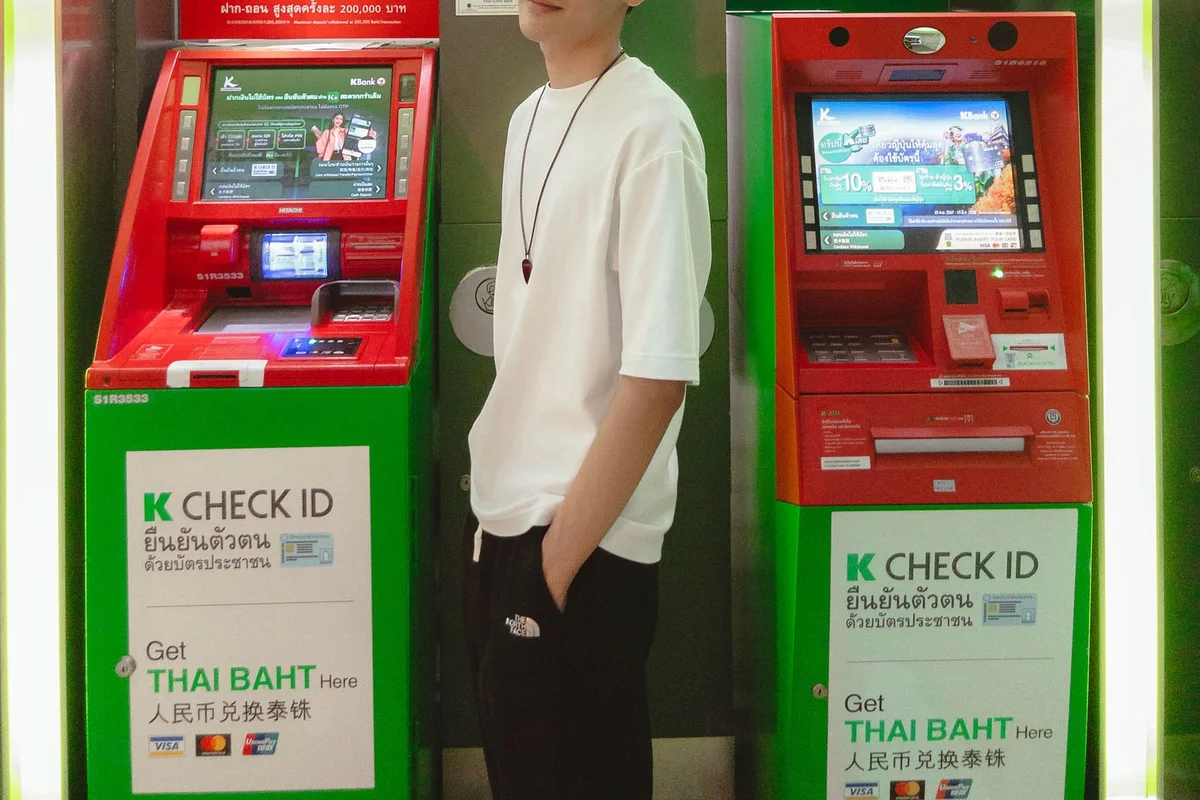
Foreign transaction fees, ATM fees, bad exchange rates, and dynamic currency conversion can quietly tax every week.
Use travel-friendly cards, withdraw sensible amounts, choose local currency at card terminals, and keep backup access to money. Our guide to managing money across Southeast Asia gives the full system.
Coffee every day, delivery fees, and last-minute airport taxis also add up. Track them so they stay visible.
Compare Costs Before Moving to a New City
Visa costs are part of long-term travel. Fees, extensions, border runs, document printing, photos, transport to immigration offices, and missed work time all matter.
Rules vary by nationality and change over time, so check official sources before building a cheap-looking route. A country with higher rent but simpler stay rules may be better value than one requiring frequent exits.
Prices also rise during holidays, festivals, school breaks, and popular weather windows. If you are flexible, shoulder seasons can offer better housing prices and calmer daily life.
Leave Room in Your Budget for Unexpected Expenses
Strict budgets often fail because they leave no room for why you traveled. Create a monthly fun budget for trips, meals, classes, diving, tours, or social events.
Spend it deliberately. When it is gone, wait until next month. Also leave room for medical care, a sudden move, or a replacement device. This keeps enjoyment from turning into vague guilt and surprise credit card balances.
How to Build a Sustainable Long-Term Travel Budget
Stay longer, rent carefully, eat repeat meals, choose walkable bases, reduce flights, manage fees, budget visas, and track spending weekly.
Long-term travel savings come from structure, not deprivation. When ordinary days are affordable, you can spend on the experiences that actually matter instead of leaking money through avoidable friction.