
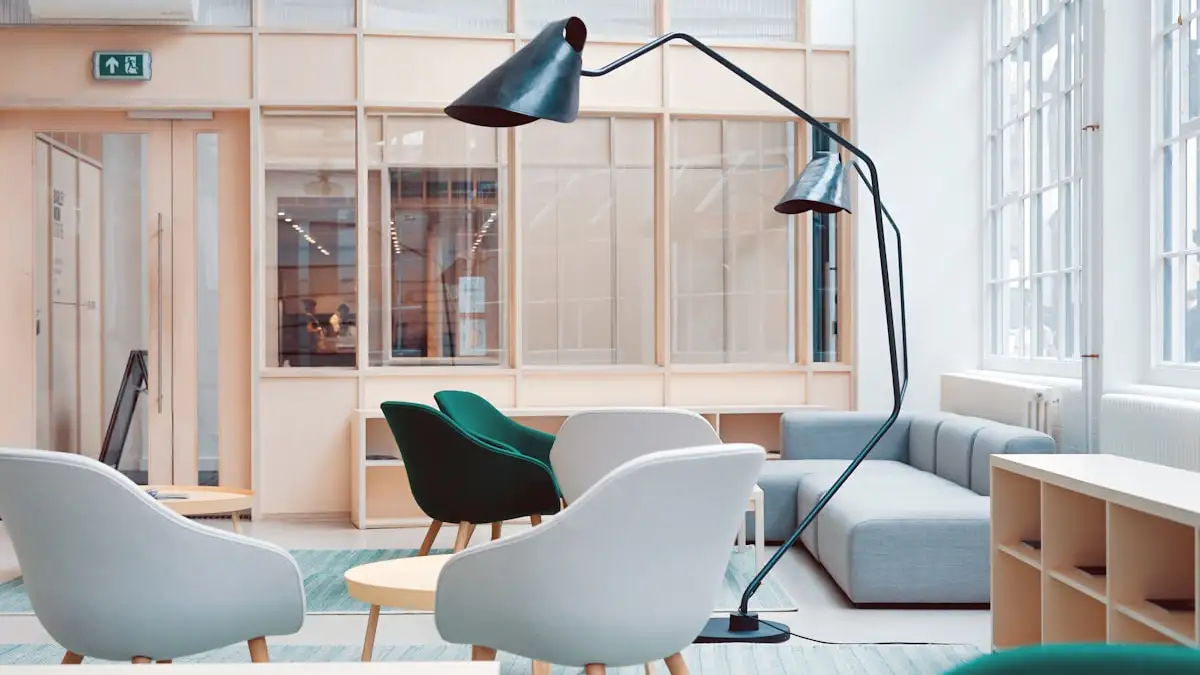
A beautiful destination is not automatically a good place to work. I learned that in rooms with ocean views and bad chairs, in cafes with perfect lighting and unusable WiFi, and in neighborhoods that looked dreamy until every errand required a ride.
Choosing a remote work base in Southeast Asia is less about finding the best city and more about matching a place to your actual work life.
A Beautiful Destination Is Not Always a Good Work Base
Travel photos reward views. Remote work rewards boring reliability. The best base is often the place where breakfast, internet, laundry, transport, and sleep stop demanding attention.
That does not mean choosing a dull place. It means looking past the first impression. A beach town can be excellent if daily life is easy. A famous nomad hub can be frustrating if your apartment is noisy and your calls happen during rush hour.
I start by asking whether the place supports ordinary Tuesdays, not only impressive weekends.
Start With Your Actual Work Requirements
Before comparing cities, I list what work requires. Do I need video calls? Quiet recording space? Late-night overlap with Europe or the US? Fast uploads? A second monitor? A desk for eight hours?
Those answers change everything. A writer can work from more places than a consultant with daily calls. A designer uploading large files needs different internet than someone mostly in documents.
The clearer the work requirements, the fewer romantic mistakes I make.
Internet Should Be Your First Check
Internet is not the most exciting topic, but it is the foundation. I check accommodation reviews for WiFi comments, ask hosts for speed tests, and confirm mobile data coverage before committing.
I also assume one connection will fail eventually. That is normal. A good base gives me options: apartment WiFi, phone hotspot, nearby cafe, coworking space, and a quiet backup for urgent calls.
Vietnam is often strong for fiber in city apartments, which is one reason Da Nang works well for many remote workers.
Where You Stay Matters More Than You Think
The city gets attention, but the building shapes the day. A poor apartment can ruin a great destination.
I look for natural light without street noise, a real table, air conditioning that works, and a location close enough to groceries and coffee that errands do not swallow the afternoon. Elevators, construction, thin walls, and scooter noise matter after the novelty fades.
For stays longer than two weeks, I care less about decor and more about whether I can wake up and start work without negotiating the room.
Coworking Space or Cafe?
Coworking is useful when I need predictability: calls, deep work, community, or a boundary between home and work. Cafes are better for lighter work and city rhythm.
I do not need a coworking space every month. In Chiang Mai, cafes can carry a lot of the routine. In Bali, coworking can be worth it because social life and distractions are stronger.
The question is not which is cooler. The question is which one helps you finish work and still like the place afterward.
Think About Transport Before You Book
Transport decides how big the city feels. If every grocery run, gym visit, or coworking session needs a long ride, the base becomes tiring fast.
I check walking routes, ride-hailing availability, scooter comfort, and rainy-season reality. A cheap apartment far from everything can become expensive in time and energy.
Good bases shrink the day. You should be able to solve simple needs without turning each errand into a project.
Cost Is More Than Rent
Rent is the obvious number. The real cost includes coworking, transport, coffee, laundry, gym access, visas, mobile data, delivery fees, and the premium you pay when the neighborhood is inconvenient.
I compare monthly life, not just nightly rates. Sometimes a slightly more expensive place near workspaces and food is cheaper overall because it removes taxis and wasted time.
Thailand and Vietnam can both be affordable, but the better value depends on your habits, not a generic budget spreadsheet.
Match the City to Your Work Style
If I need focus, I choose quieter, practical bases. If I need community and networking, I choose established hubs. If I need recovery, I choose somewhere with walking, water, and fewer events.
The best base for a launch week may not be the best base for a creative month. Bali can be inspiring, social, and distracting. Da Nang can feel calmer. Bangkok offers convenience but more stimulation.
Matching the city to the season of work has helped me more than chasing rankings.
Test a Place Before Staying for Months
I rarely commit long before testing. A week can reveal noise, commute patterns, WiFi behavior, food options, and whether the neighborhood feels good after dark.
My usual approach is simple: book short, test the workday, walk errands, try one coworking space, and only then negotiate a longer stay.
The right remote work base should make work feel possible and travel feel unforced. If both happen, staying longer becomes an easy decision.
FAQ
Which Southeast Asia city is best for remote work? There is no single best city. Chiang Mai, Da Nang, Bangkok, Kuala Lumpur, and Bali all work for different personalities and work styles.
How long should I test a base? One to two weeks is enough to understand internet, noise, transport, and daily costs before committing to a month or more.
Is coworking necessary? Not always. It is useful for calls, structure, and community, but many nomads mix apartment work, cafes, and occasional coworking passes.