I didn't really think about visas the first time I came to Thailand. I just booked a one-way flight, planned to stay a few weeks, and figured I'd "sort it out later."
A few weeks turned into a few months—and that's usually when people start realizing Thailand doesn't really work on a one-size-fits-all visa system.
Thailand is part of Thailand, and in 2026, its long-stay options are flexible—but also slightly confusing if you're trying to stay longer than a typical holiday.
So instead of guessing, it helps to actually understand what each visa is designed for.
🇹🇭 The reality of long stays in Thailand
Most people don't arrive in Thailand thinking long-term. They come for travel, food, beaches, or remote work—and then slowly realize they might want to stay longer.
Thailand doesn't give you "one path" for long stays. Instead, it gives you multiple options depending on:
- your income
- your age
- your work situation
- and how long you actually want to stay
Tourist stay: how most people actually start
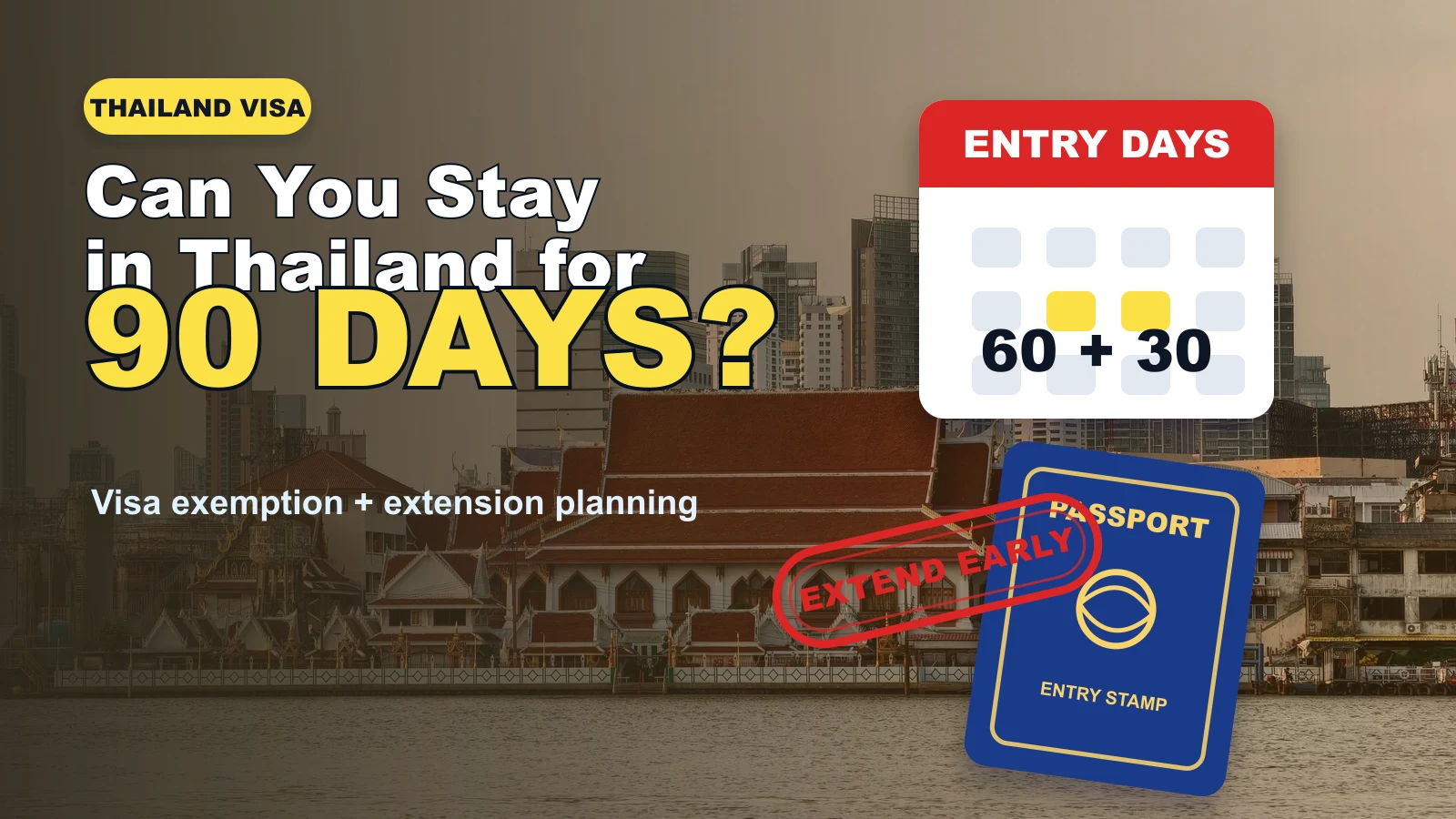
The most common way people begin is simple: they enter as tourists.
You get a limited stay period, and many travelers extend once they are already in the country.
It works fine for short-term living, especially if you're:
- testing remote work life
- traveling slowly across Southeast Asia
- or just staying flexible
Long-stay visas: where Thailand becomes more serious
Once you decide to stay longer, Thailand starts offering more formal pathways.
Some are premium, some are practical, and some are tied to employment or life stage.
The important thing is that each visa is built for a different type of person—not just "long stay travelers" in general.
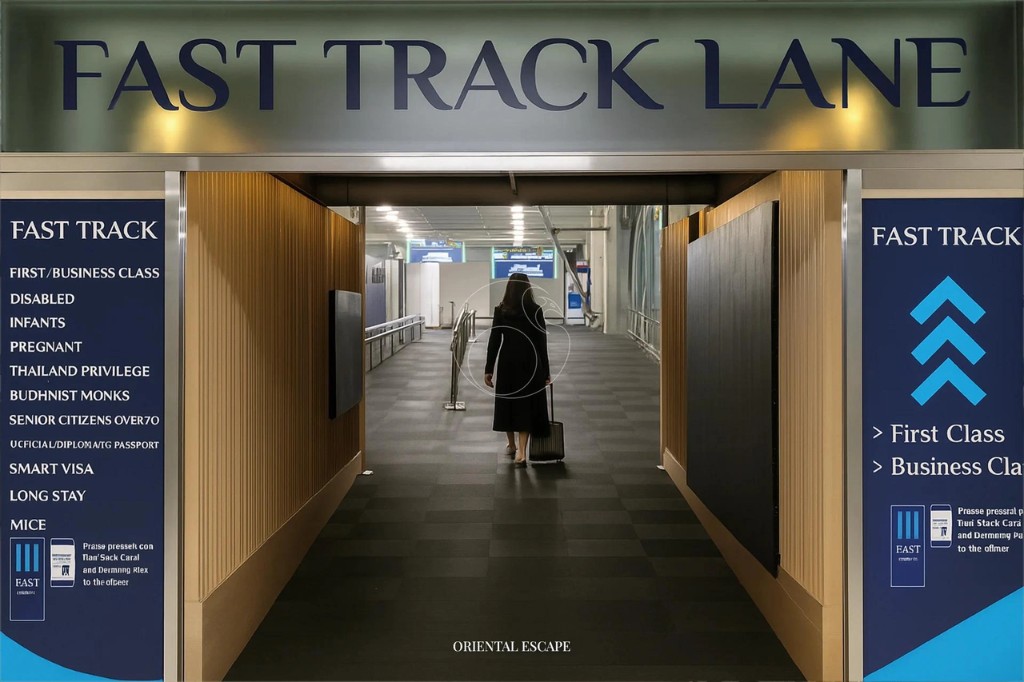
Elite-style residency options
This category is designed for people who want convenience more than anything else.
It's not about working or settling down—it's about staying in Thailand without worrying about constant visa logistics.
Retirement-based residency
This is for people who treat Thailand as a lifestyle destination rather than a travel stop.
It requires financial stability and is built for long-term residence rather than mobility.
Work-based visas
These are tied directly to employment or business activity in Thailand.
They are the most structured option, but also the least flexible if your lifestyle changes.
What about digital nomads?
This is where things get interesting.
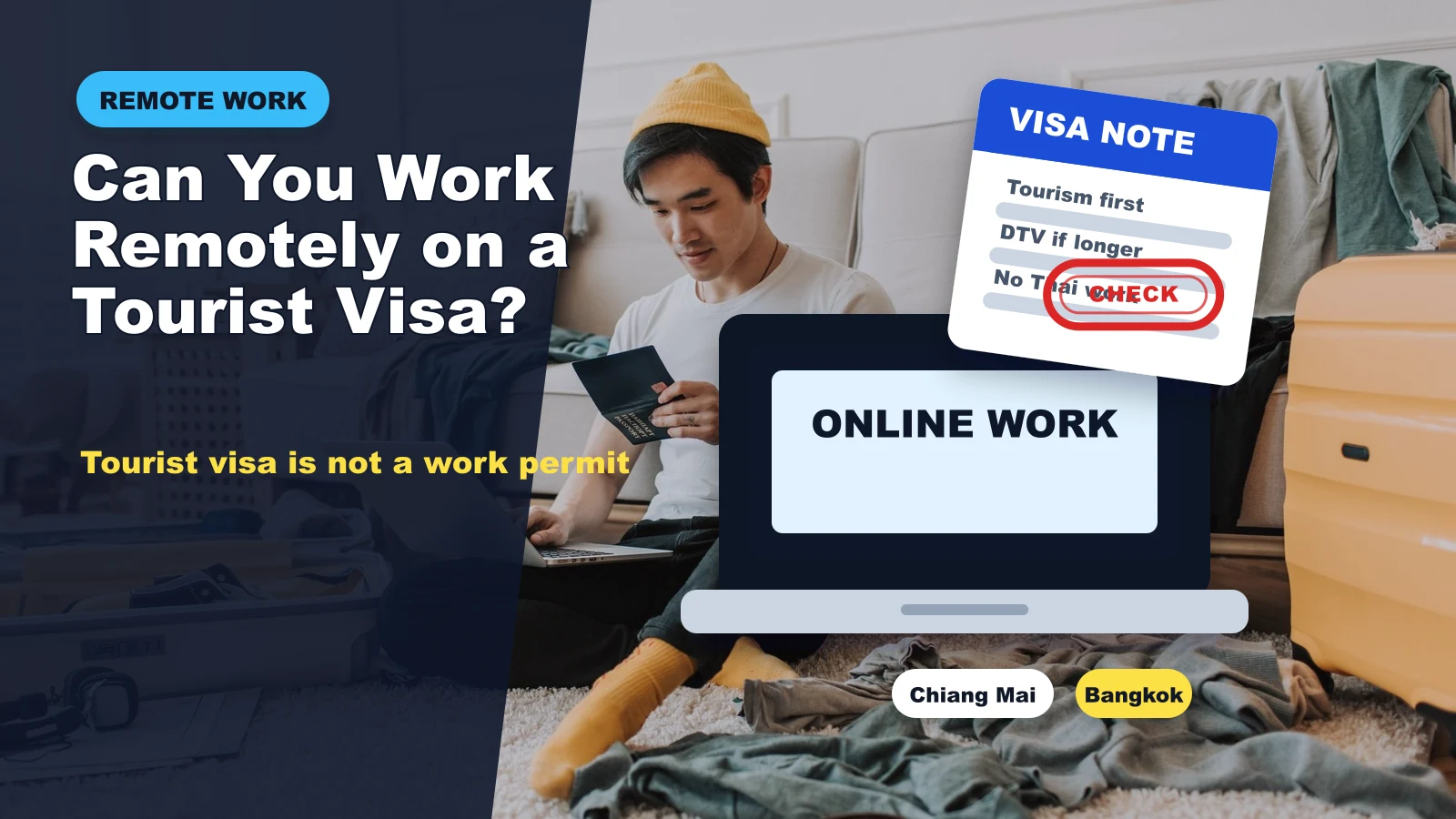
Thailand is one of the most popular digital nomad destinations in the world, but it still doesn't operate like a fully "nomad-visa country."
Most remote workers combine:
- short-term visas
- regional travel
- and flexible stays between nearby countries
So which visa actually makes sense?
There isn't one correct answer, but there is a realistic way to think about it:
- If you're just exploring → tourist stay works
- If you want long-term comfort → premium residency options
- If you're working locally → employment visa
- If you're fully remote → flexible regional strategy
Regional contrast: Singapore short stays
When people compare Thailand with nearby Singapore, the difference becomes obvious.
Singapore is efficient, structured, and extremely clean—but it's not built for long-term flexible living. Most people only stay short term, especially remote workers passing through Southeast Asia.
That contrast is exactly why many travelers use Thailand as their main base and Singapore as a short stop along the way.
Final thought
Thailand isn't difficult once you understand it—but it also isn't designed around a single long-stay path.
It's more like a system you adapt to, not one you simply "enter."
And for most travelers in 2026, that flexibility is exactly what makes it one of the most livable countries in Southeast Asia.