Singapore looks perfect for digital nomads at first glance—fast internet, clean streets, and world-class infrastructure. But when you actually try to stay longer than a few days, the rules become less "nomad-friendly" than expected.
The real question in 2026 isn't whether you can enter Singapore as a digital nomad. It's whether Singapore is designed for you to stay for long at all.
Singapore is part of Singapore, and its immigration system is built more for business travelers and short visits than long-term remote living.
You can enter easily—but that's where it ends
For most travelers from India and many other countries, entry into Singapore is straightforward. You typically receive a short stay period on arrival or through visa-free access depending on nationality.
But here's the key detail many digital nomads misunderstand:
Singapore doesn't block entry—it just doesn't extend stays easily.
So you can arrive, work remotely for a short time, enjoy the city… but you are still operating under a temporary visitor status.
Remote work in Singapore: tolerated, not designed
Spend a few days in cafés around Marina Bay or coworking spaces in the CBD, and you'll notice something interesting: digital work is everywhere.
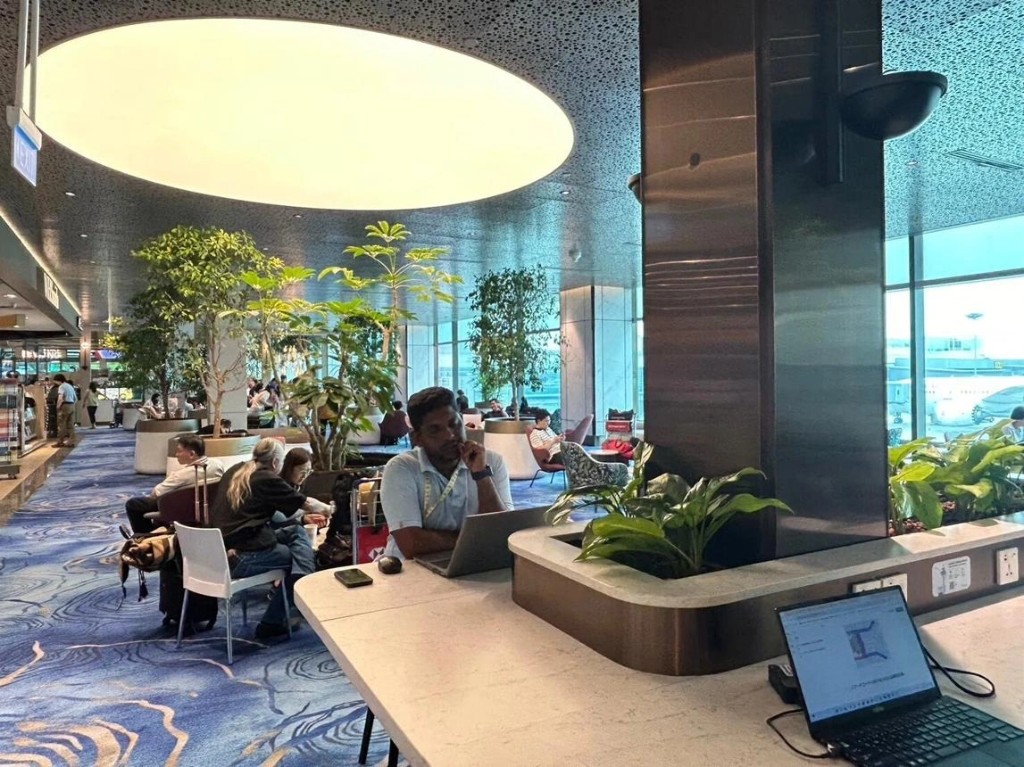
- Working remotely for overseas clients → generally tolerated for short stays
- Working for Singapore-based companies → requires proper work authorization
The real stay pattern most digital nomads follow
Instead of long stays, most digital nomads use Singapore in a very specific way:
They don't "base" themselves here. They "pass through."
Typical patterns look like this:
- A few days for meetings or networking
- 1–2 weeks of focused remote work
- A stopover between Bali, Thailand, or Vietnam
- Occasional return visits for business connections
Why Singapore feels restrictive for long stays
There are three main reasons digital nomads rarely stay long term here:
First, cost. Accommodation and daily expenses are significantly higher than nearby Southeast Asian hubs.
Second, visa structure. There is no dedicated long-stay or digital nomad visa framework in 2026.
Third, policy clarity. Singapore prefers clearly defined categories: tourist, student, employee, or business visitor.
There isn't much space for the "in-between lifestyle" that digital nomads rely on.
So what's the realistic answer in 2026?
If you strip everything down to reality:
- Yes, you can stay short term
- Yes, you can work remotely during that time
- No, Singapore is not built for long-term nomad residency
A practical nomad strategy (how people actually use Singapore)
Most experienced remote workers don't try to "live" in Singapore.
Instead, they:
- Use Singapore for business access and networking
- Combine it with long-stay bases in Southeast Asia
- Move between countries with more flexible visa systems
One of the more flexible alternatives for longer stays in the region is the Vietnam E-Visa, which allows fully online application and more predictable entry planning for remote workers.
Final thought
Singapore isn't a digital nomad base in 2026—it's a high-performance stopover.
If you treat it like a short-term hub rather than a long-stay destination, it becomes extremely valuable. But if you expect long-term nomad freedom, Southeast Asia offers better fits elsewhere.