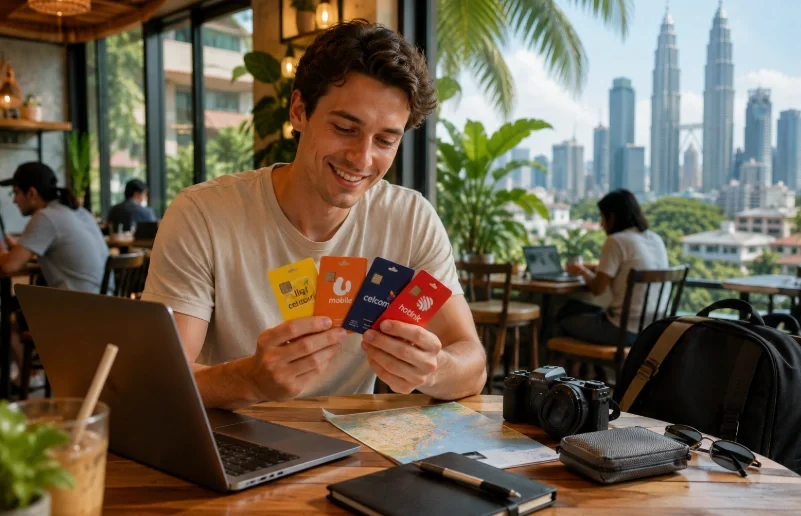
For most digital nomads, CelcomDigi offers the best overall balance of coverage, speed, and value in Malaysia, while Maxis Hotlink is a strong choice for reliability and Yes 5G can be attractive if you mainly stay in cities with strong 5G coverage. U Mobile and Unifi Mobile can also make sense for budget users, but coverage should be checked in the exact area where you plan to live and work.
What Makes a Good SIM Card for Digital Nomads?
A good SIM card is not just about cheap data. Remote workers need stable coverage, enough hotspot allowance, easy top-ups, clear fair-use limits, and a network that works inside apartments and cafes.
Malaysia has good mobile infrastructure in many urban areas, but performance still changes by building, neighborhood, and island. A plan that works perfectly in Kuala Lumpur may feel weaker in a rural beach area or hill town.
For digital nomads, hotspot rules are especially important. Some plans advertise generous data but limit tethering, reduce speeds after a fair-use threshold, or separate 5G data from normal data. Read the plan details before assuming your phone can replace home Wi-Fi for a full workday.
Coverage also depends on your travel style. A city-based remote worker has different needs from someone moving between islands, national parks, beach towns, and border crossings. If you are traveling widely, reliability matters more than the cheapest promotional bundle.
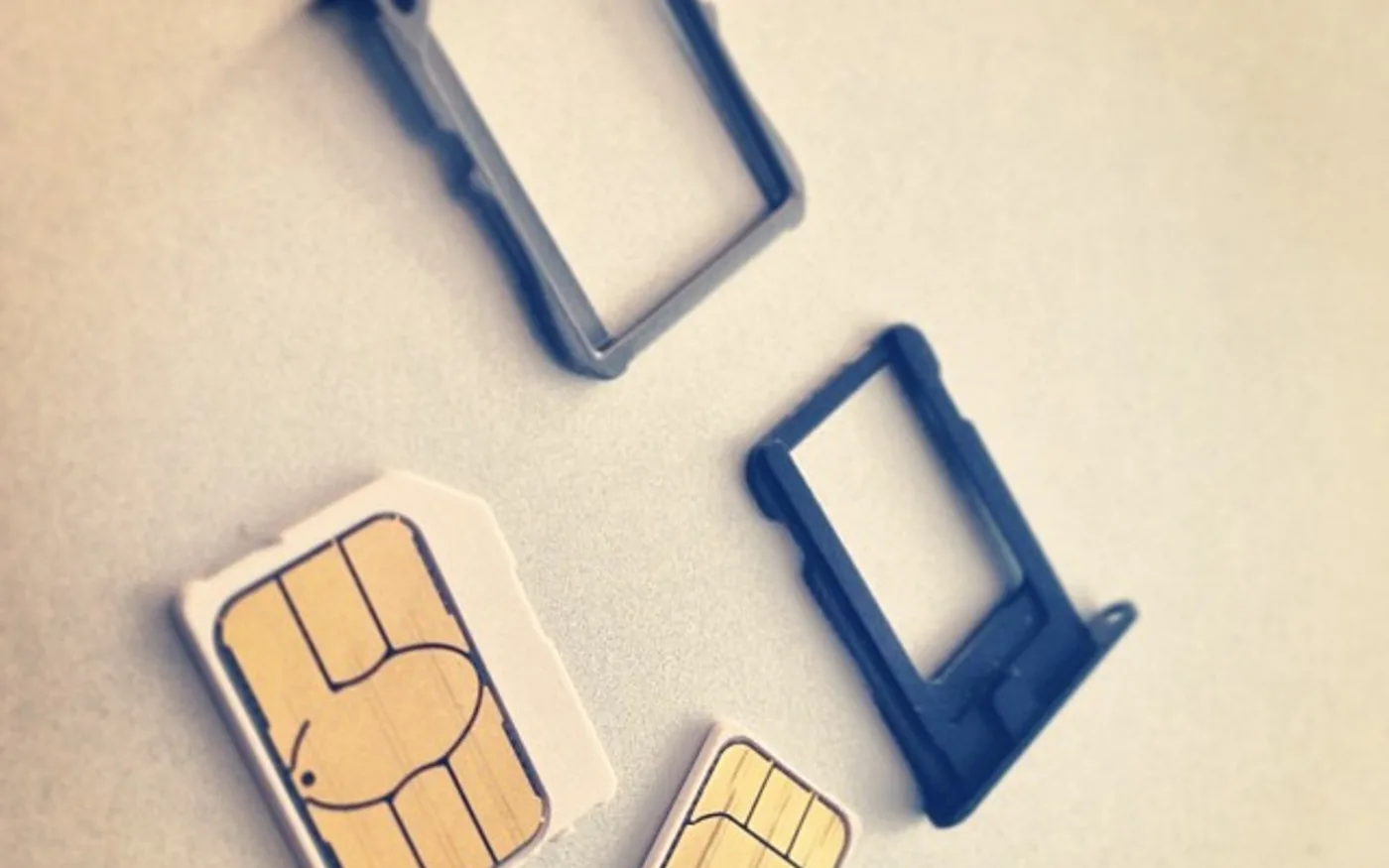
CelcomDigi
CelcomDigi is often the safest all-round recommendation because the combined network has broad reach and practical prepaid options. Many digital nomads choose it when they want one SIM that works reasonably well across cities, islands, and transit days.
It is a good first choice if you are moving around Malaysia rather than staying in one neighborhood. Check the current prepaid plan details before buying, especially hotspot limits and speed caps.
Maxis Hotlink
Maxis Hotlink is popular with travelers who care about reliability. It may not always be the cheapest option, but many users like its coverage quality, app experience, and availability.
For work calls, paying slightly more for a dependable connection can be worth it. If you plan to use your phone as a hotspot during meetings, review the plan terms carefully rather than only looking at the headline data amount.
U Mobile
U Mobile can be good value, especially for people staying in urban areas with strong coverage. It often appeals to budget-conscious users who want generous data without paying premium prices.
The trade-off is that coverage can be more location-dependent. Before committing to a long plan, test it around your accommodation, coworking space, and daily routes.
Unifi Mobile
Unifi Mobile can work well for some users, especially those already connected to the Telekom Malaysia ecosystem. It is worth comparing if you care about home internet bundles or local promotions.
For short-term visitors, it may not be the most obvious first stop unless the plan is clearly better for your needs. Digital nomads should focus on real coverage and hotspot usability, not just promotional pricing.
Yes 5G
Yes 5G can be attractive if you mainly stay in strong 5G areas and want fast mobile data. In the right location, performance can be impressive.
The key phrase is "in the right location." If your apartment, hotel, or coworking space sits outside the strongest coverage zone, the experience may not match the marketing. It is a good candidate for city-based nomads, but test before relying on it as your only connection.
Should You Choose a Physical SIM or eSIM?
An eSIM is convenient when you land because you can connect before leaving the airport. It is great for maps, messaging, and the first day. For longer stays, a local physical SIM or local eSIM often gives better value.
Some phones support dual SIM, which is ideal. Keep your home number active for banking codes, then use a Malaysian SIM for data and local calls. This setup reduces stress when dealing with transport apps, deliveries, and accommodation hosts.
Where to Buy a SIM Card
You can buy prepaid SIM cards at airports, telco shops, malls, convenience stores, and official brand outlets. Airport counters are convenient but may not always offer the best-value long-stay plan.
For a stay of several weeks or more, visit an official store in town and ask about current prepaid data, hotspot, and validity options. Bring your passport because SIM registration is required.
Keep the packaging or receipt until the SIM is working properly. It can help if registration fails, the app does not recognize your number, or you need staff to confirm which plan was activated. A few minutes of checking at the counter is easier than troubleshooting later from a hotel room.
My Recommendation After Using Them
For most digital nomads arriving without local knowledge, start with CelcomDigi or Maxis Hotlink. They are easy to find, broadly reliable, and suitable for travel around the country.
Choose Yes 5G if your daily life is in a strong 5G zone and speed is your priority. Consider U Mobile if budget matters and you have confirmed coverage. Keep a backup plan if your work depends on video calls.
Practical Setup for Remote Work
Do not rely on one connection. Use home Wi-Fi, a local SIM, and a nearby coworking or cafe backup. Save the telco app, learn how to top up, and set a reminder before your plan expires.
Run a speed test inside your actual room, not just in the lobby. Thick walls, high-rise buildings, and rainy weather can all affect performance.
If your work involves calls, test upload speed as well as download speed. Video meetings, cloud backups, and screen sharing can fail even when browsing feels fast. Keep a small emergency data buffer for deadline days instead of using every gigabyte on streaming.

Final Thoughts
The best SIM card in Malaysia for digital nomads is the one that works where you actually live. CelcomDigi is the best all-round starting point, Maxis Hotlink is strong for reliability, and Yes 5G can be excellent in the right city zones. Buy for coverage first, price second, and always keep a backup if your income depends on staying connected.