Malaysia is fairly easy to navigate without a car, especially if your trip is focused on Kuala Lumpur, Penang, major airports, and popular city centers. The simplest setup for most tourists is to use trains for longer urban routes, Grab for the last few kilometers, and buses only when they clearly fit your route. In Kuala Lumpur, a Touch n Go card makes daily movement much smoother because it works across many rail and bus services.
Getting Around Malaysia Is Easier Than You Think
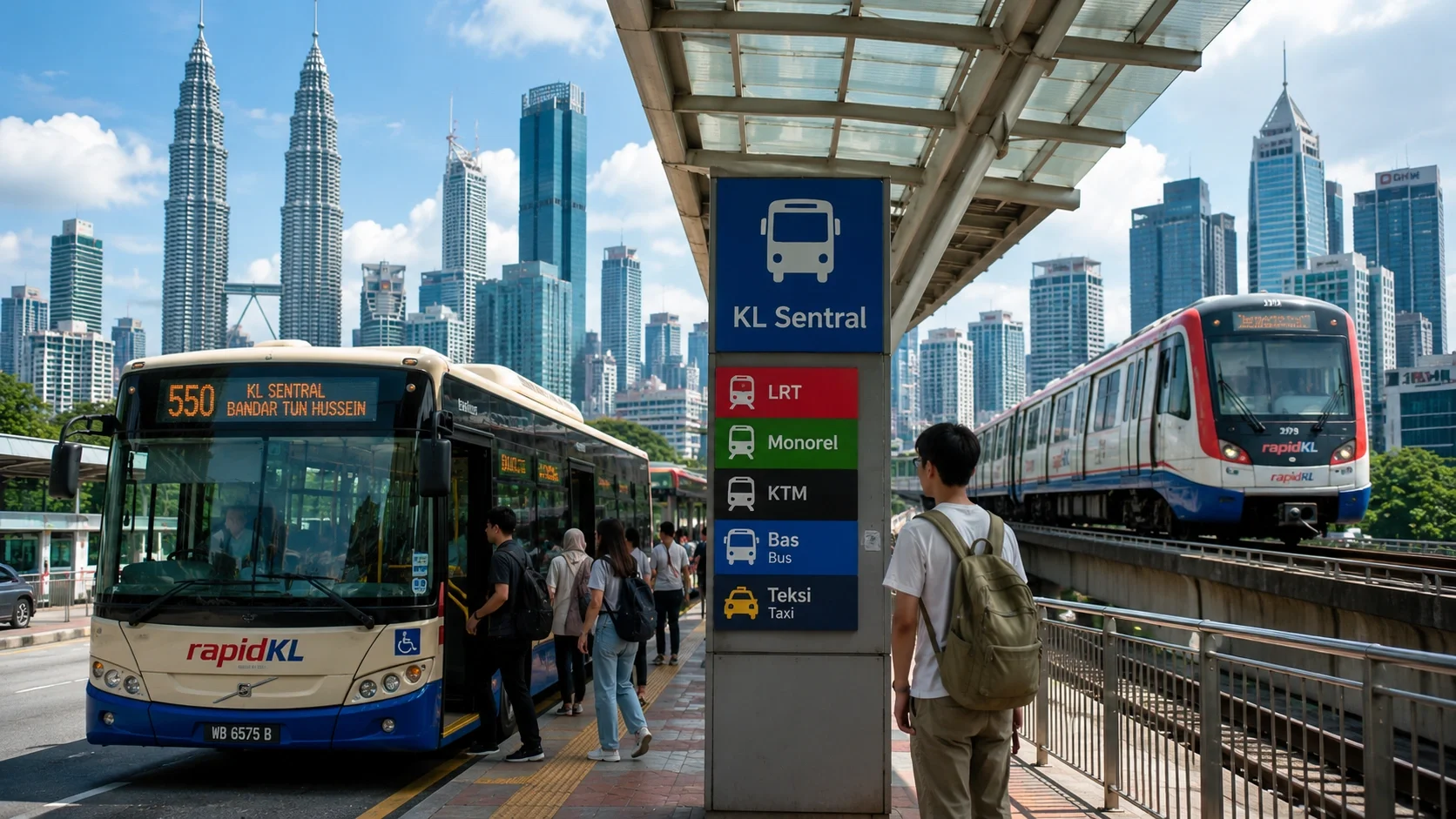
The first thing to understand is that public transport in Malaysia is uneven but useful. Kuala Lumpur has the strongest system, with MRT, LRT, monorail, KTM Komuter, airport rail, and city buses. Penang and other cities rely more heavily on buses and ride-hailing.
For tourists, this means you do not need to master the whole network. You only need to know which tool fits the day. Trains are best for predictable routes. Grab is best when you have luggage, rain, heat, or a destination away from stations. Long-distance buses work well between cities if you are patient with traffic.
What Types of Public Transport Are Available in Malaysia?
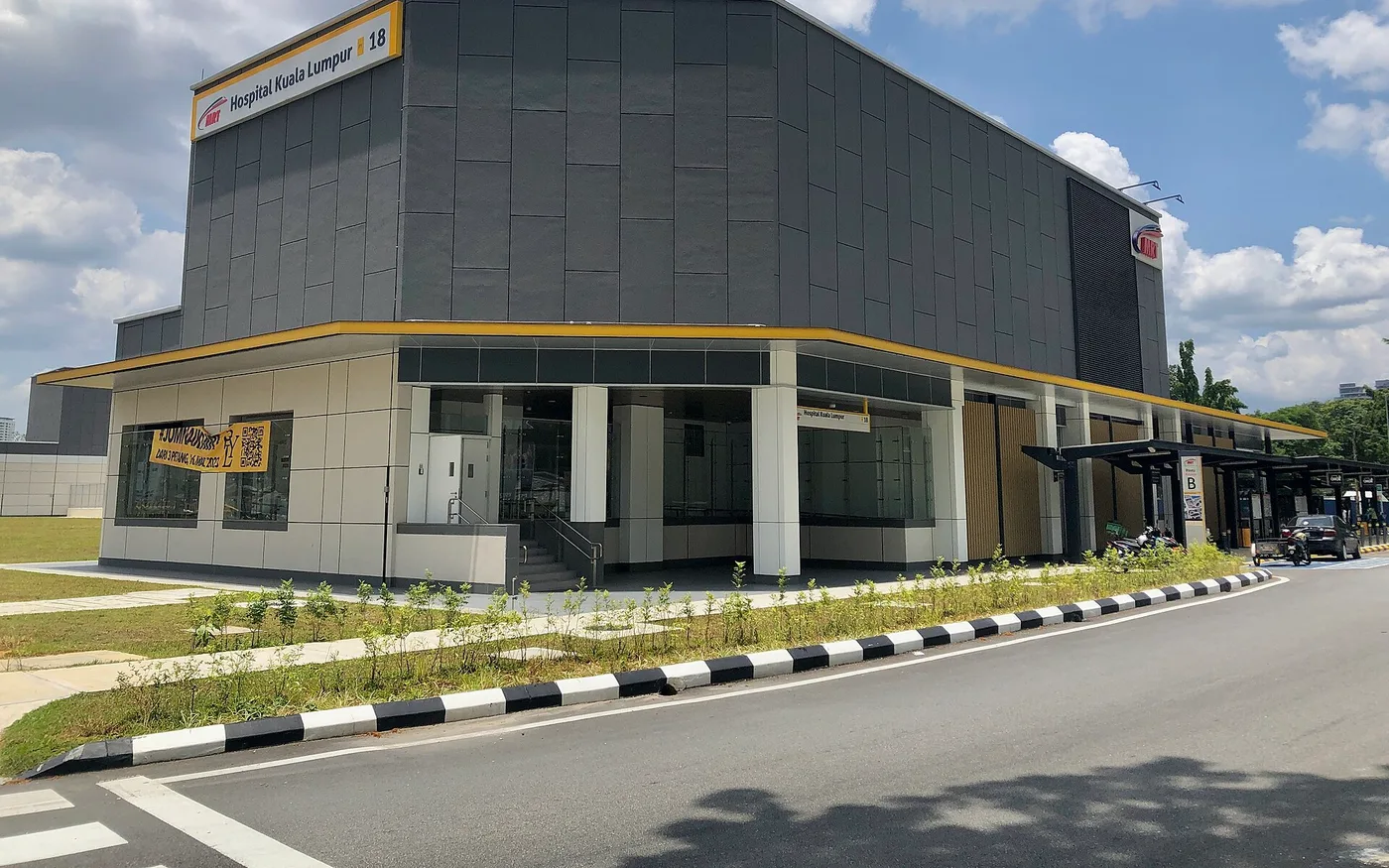
The main options are MRT, LRT, monorail, KTM Komuter, airport trains, public buses, intercity buses, ferries, and ride-hailing. MRT and LRT are the easiest for visitors because stations are clear, trains are frequent, and maps are simple to read.
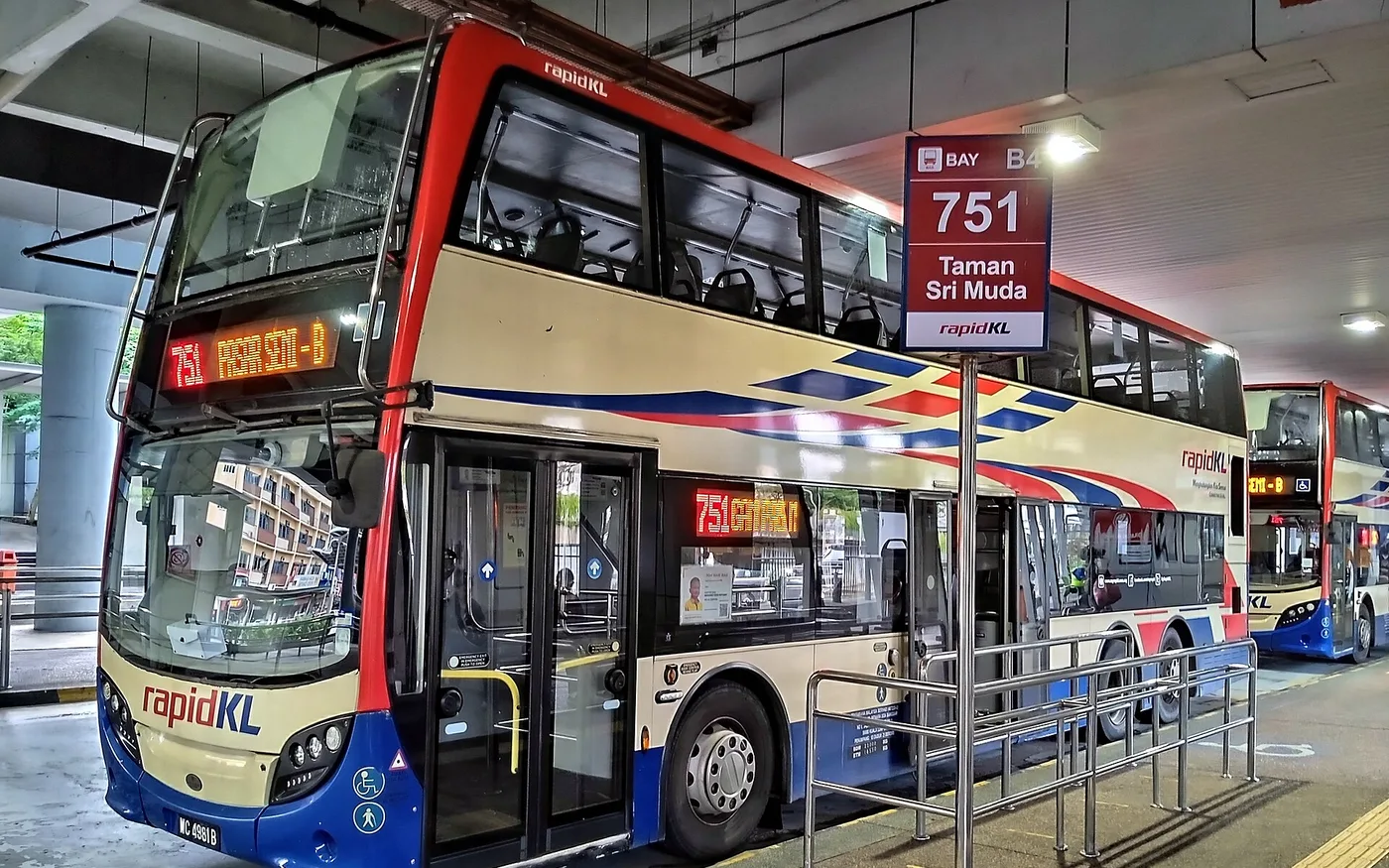
KTM Komuter is useful for some suburban routes, but it can feel slower and less intuitive. Buses fill the gaps, especially in areas not covered by rail. For longer travel, intercity buses connect Kuala Lumpur with places like Melaka, Ipoh, Penang, and Johor Bahru.
Which Public Transport Should Tourists Use?
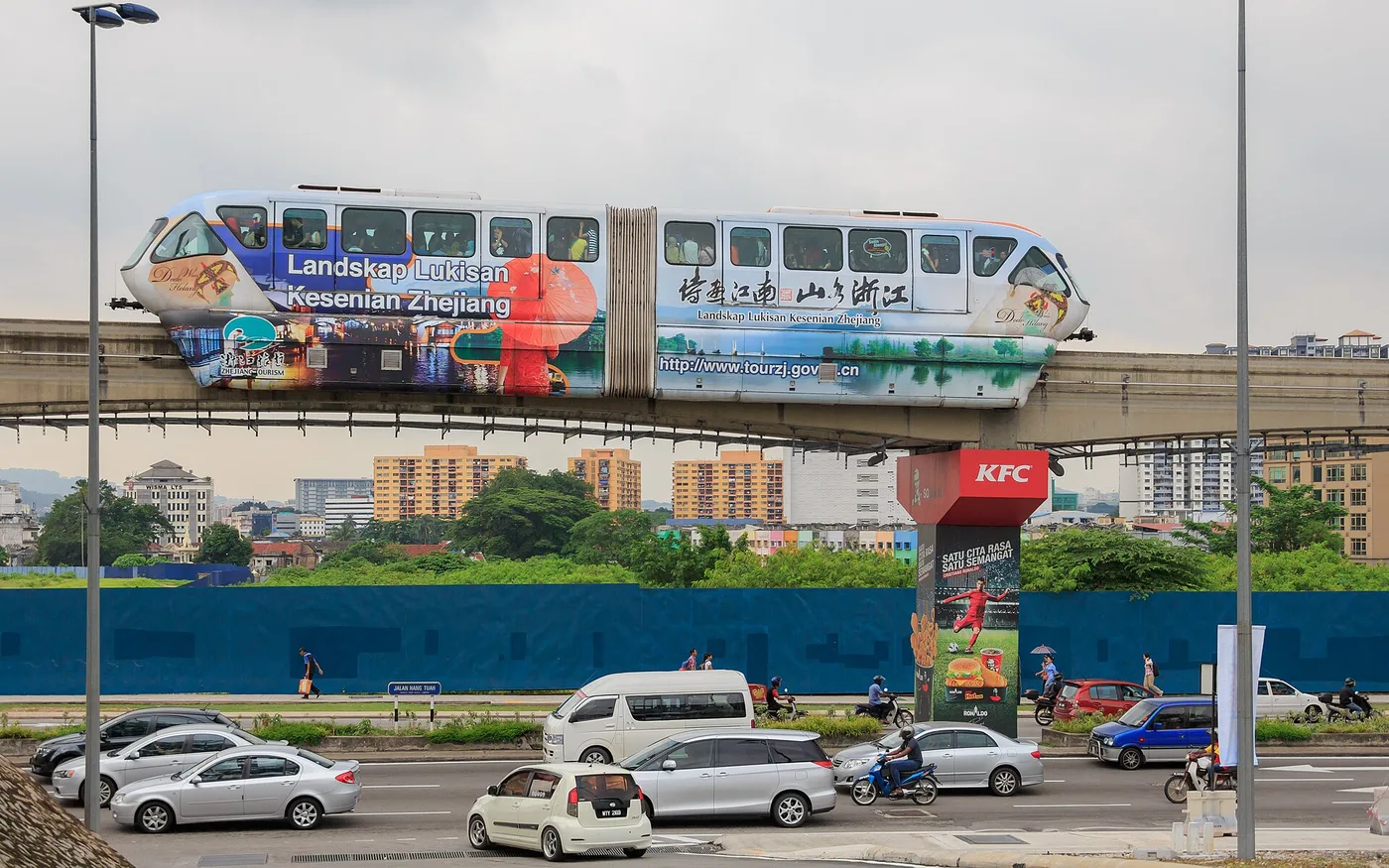
In Kuala Lumpur, use MRT and LRT whenever your destination is near a station. They avoid traffic and are usually cheaper than ride-hailing. The monorail helps around Bukit Bintang and central shopping areas, but it can get crowded during peak hours.
For airport transfers, KLIA Ekspres is the fastest rail option between KLIA and KL Sentral, though buses are cheaper. If you are traveling with several people, compare the total cost with Grab before deciding. For Penang, buses are useful, but many visitors combine them with Grab because attractions are spread out.
How to Pay for Public Transport in Malaysia
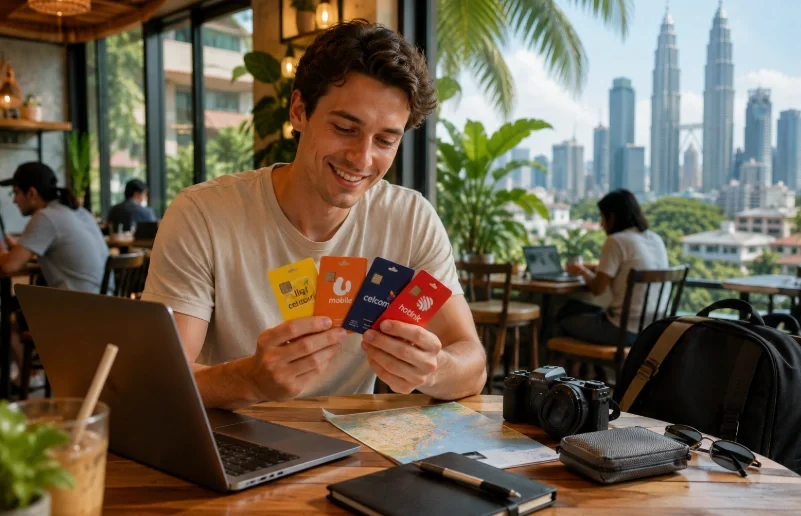
The easiest payment tool is a Touch n Go card. It is widely used for Klang Valley trains, buses, tolls, and some parking. You tap in and tap out at station gates, and the fare is deducted from the stored balance.
Single-trip tokens are available on many rail lines, but buying them repeatedly becomes annoying if you move around all day. Keep some cash or a bank card as backup, because small stations, older buses, or reload counters may not always work the way you expect.
How to Plan Your Route Easily
Use Google Maps as the starting point, then cross-check with station signage when you arrive. Google Maps is usually good for rail routes, walking transfers, and estimated travel time, but buses can be less reliable in heavy traffic.
For Kuala Lumpur, plan around stations rather than pure distance. A hotel that looks close on a map may still require awkward crossings or long walks in humid weather. Staying near an MRT or LRT station usually saves more energy than choosing a slightly cheaper hotel far from transit.
Public Transport Costs in Malaysia
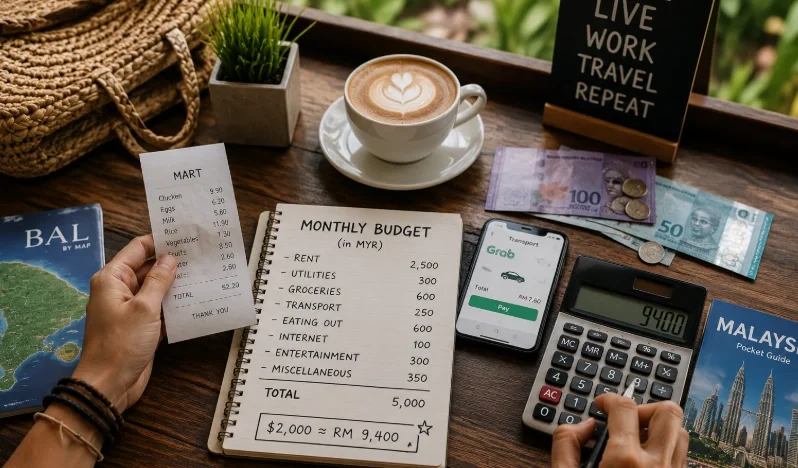
Local train rides in Kuala Lumpur are usually inexpensive by international standards. Short urban trips often cost only a few ringgit, while longer cross-city journeys still remain budget-friendly. Airport trains cost more, and intercity buses vary by distance, operator, and comfort level.
Grab costs more than rail but can still be reasonable for short hops, especially with two or more people. The mistake many first-time visitors make is using Grab for every trip. A mixed strategy keeps costs down without making travel feel difficult.
Is Public Transport Safe for Tourists?
Public transport in Malaysia is generally safe for tourists. Trains and major stations are well used, and central areas are familiar with foreign visitors. Normal city awareness still matters: keep bags closed, avoid flashing valuables, and be more careful late at night.
Women traveling alone often prefer trains during busy hours and Grab at night. Families with children may find Grab easier when carrying luggage, strollers, or shopping bags. Safety is less about fear and more about choosing the right mode for the moment.
Do You Need to Rent a Car in Malaysia?
You probably do not need a car for central Kuala Lumpur. Parking, traffic, and one-way roads can make driving more trouble than it is worth. A car becomes useful for road trips, rural areas, Cameron Highlands, parts of Langkawi, or beach destinations where public transport is limited.
In Langkawi, for example, many travelers rent a car or scooter because attractions are spread across the island. In Kuala Lumpur, the same choice would usually be unnecessary.
Common Mistakes First-Time Tourists Make
The biggest mistake is assuming every Malaysian city works like Kuala Lumpur. Rail coverage drops quickly outside the capital region. Another common mistake is booking accommodation far from transit to save a small amount, then spending the difference on rides every day.
Some visitors also confuse the Touch n Go card with the eWallet. They are related but not always interchangeable for every transit use. Check the actual payment method before boarding, especially if you are depending on the app alone.
Practical Tips for Using Public Transport in Malaysia
Avoid peak commuting hours if you have luggage. Reload your card before it gets too low. Carry a little cash for backup. Screenshot your destination name and address, because drivers and station staff may know landmarks better than full street addresses.
For rainy afternoons, build in extra time. Heavy rain can slow traffic and make Grab prices rise. If your route is rail-friendly, the train is often the calmer option.
Final Thoughts
Public transport in Malaysia works best when you use it flexibly. Trains are excellent in Kuala Lumpur, buses are useful but slower, and Grab fills the gaps. With a Touch n Go card, a route app, and realistic expectations, tourists can move around comfortably without renting a car for every day of the trip.