I didn't expect Cambodia to be the kind of place where visa rules would matter that much. Most people arrive thinking about temples, cheap rent, or slow travel—and only later realize that staying longer actually depends on how you handle the visa side of things.
For Indian passport holders from India, Cambodia is relatively easy to enter, but it's not visa-free. And once you start thinking beyond a short trip, the "business visa" conversation usually comes up.
Cambodia itself is part of Cambodia, and its visa system is more flexible than strict—but also less clearly labeled than people expect.
It starts simple, then becomes something else
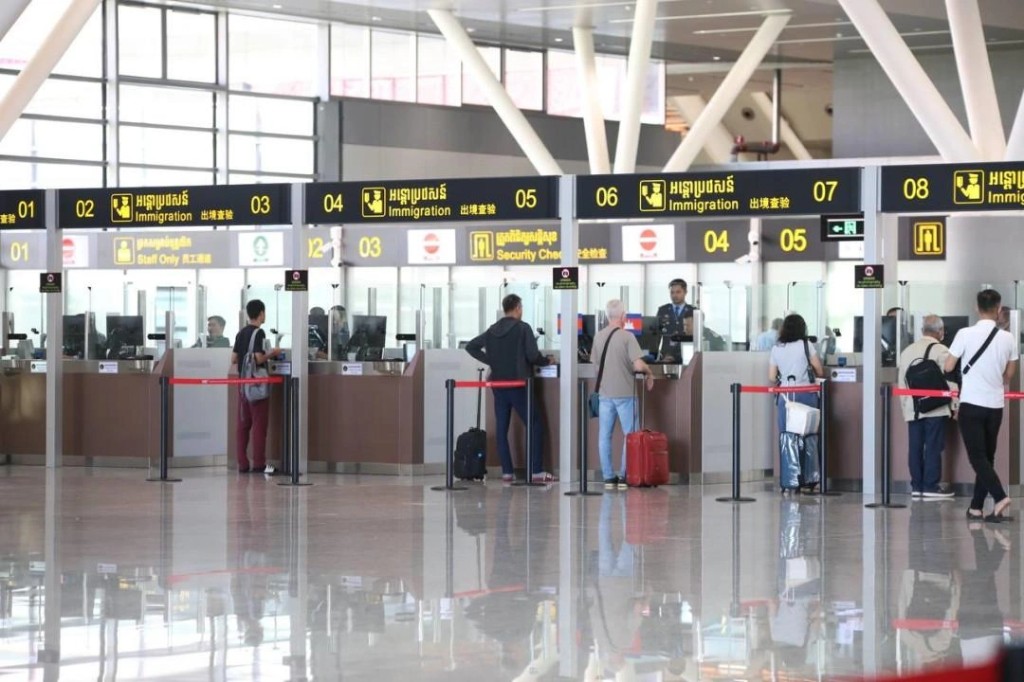
Most Indians arrive the same way: a visa on arrival or an e-visa, usually for around a month. At that point, everything feels straightforward.
The confusion starts later, when people decide they don't want to leave yet.
That's where Cambodia's "business visa" label appears—but it's not really a separate visa at the beginning. It's more like a continuation of your stay inside the country.
The "business visa" is not what most people think
In Cambodia, what people call a business visa is usually tied to the E-class visa system. It doesn't always start as a special category you apply for in advance—it often becomes your status after you're already in the country.
So instead of thinking:
"I need to apply for a business visa before I go"
It's more accurate to think:
"I enter first, then extend depending on how long I stay"
That shift in thinking is important because Cambodia doesn't force everything into strict pre-planned categories.
What actually happens after you arrive
After entering Cambodia, many travelers eventually move into longer stays by extending their visa locally. This is where the EB-type business visa extension comes into play.
It's not something you "feel" immediately as a different lifestyle—it's more of an administrative shift that happens when you decide to stay longer.
The extensions can allow longer presence inside the country, depending on paperwork and eligibility.
Where Indians usually get confused
A lot of misunderstanding comes from mixing up three things:
- Entry visa (what you get when you arrive)
- Extension status (what allows you to stay longer)
- Work legality (separate permission entirely)
That's why some travelers end up staying for months without fully realizing they've switched categories along the way.
Why do people still choose Cambodia for longer stays
Even with this slightly unclear structure, Cambodia attracts long-stay travelers for simple reasons:
- It's easy to enter compared to many countries
- Cost of living is relatively low
- You can extend your stay inside the country
- The pace of life is slow and flexible
A quick contrast: Singapore short stays feel completely different
If you compare this with nearby Singapore, the difference is almost the opposite.
Singapore is very structured:
- Short stays are clearly defined
- Work and tourism are strictly separated
- Long-term flexibility is limited
Cambodia Business Visa for Indians isn't really a single "thing" you apply for—it's more like a system you grow into once you stay longer.
If you understand that, the whole process stops feeling confusing.
You enter simply, you extend when needed, and you adjust based on how your trip evolves rather than following a fixed plan from the start.