
Co-living in Ipoh is less developed than in Kuala Lumpur, Bangkok or Chiang Mai. There are serviced apartments, guesthouses, hotels with long-stay rates and a small number of shared properties, but the city does not have a large purpose-built nomad campus. That is not a weakness for every traveler. It means accommodation is often quieter, cheaper and closer to ordinary neighborhood life, as long as you choose the right base and do not assume every listing offers coworking.
The first task is deciding what co-living means for your stay. Do you want a private room with shared kitchen space, a social house with other residents or simply a monthly hotel room with reliable internet? Those are different products. A property can look attractive in photographs and still fail as a work base if the desk is tiny, the Wi-Fi is weak or the nearest cafe closes in the afternoon.
What Is Actually Available
Some properties describe themselves as co-living because they offer a common lounge or kitchen. Others provide only a room and cleaning service. Read the facility list carefully. Ask how many people share each bathroom, whether the kitchen has a stove and refrigerator, whether laundry is included and how often common areas are cleaned.
For a longer stay, request the exact room rather than accepting a generic property photo. Ask for a current speed test, a picture of the desk and confirmation that the internet is wired or shared. Video calls need upload speed and stability, not just a high download number. If the host cannot answer, treat the internet as unknown and carry a local SIM or backup hotspot.
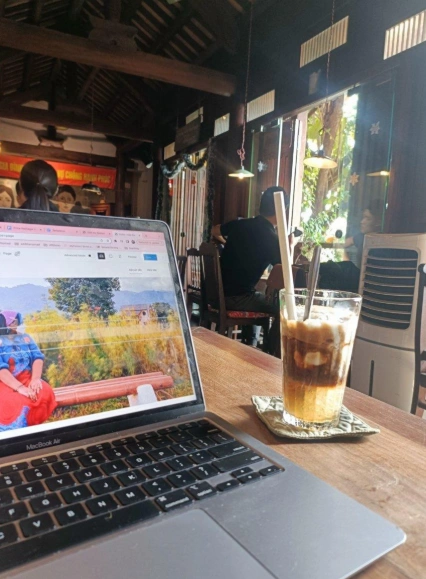
Coworking in Ipoh tends to be smaller and more scattered than in major capitals. Some cafes welcome laptops, but a food-focused shop may not. A hotel room or apartment can be more reliable for meetings, with cafes used for shorter sessions. The Ipoh remote-work hotel guide explains the practical differences between neighborhoods and property types.
Internet and Work Setup
Confirm three things before booking: the monthly price, the internet arrangement and the cancellation terms. Short trials are useful. Book three nights first, test the room during a normal working day and extend only if the setup holds up. Speed can vary by floor, time and the type of router, so a lobby test does not guarantee the bedroom.
Mobile data is a sensible backup. A local prepaid plan is inexpensive and can handle calls, maps and emergencies. For important meetings, use a headset, join a few minutes early and keep a phone hotspot ready. If the property has a shared workspace, check whether calls are allowed. A quiet lounge can be a poor place for a two-hour presentation.
Power outlets, chair height and desk depth matter more during a long stay than during a holiday. A beautiful room with a stool and a coffee table may be comfortable for a weekend and painful for a month. Ask about air-conditioning hours, fan placement and natural light. In Ipoh, a room that stays cool without running the air conditioner all day is more comfortable and cheaper.
Choosing a Neighborhood
Old Town offers heritage atmosphere, walkable food and a strong sense of place. It also brings traffic, weekend visitors and older buildings with thin walls or limited lifts. Greentown and the newer commercial districts are more practical for errands, malls and modern apartments. They are less scenic but often better for a long work stay.
Stay near the parts of daily life you will repeat. A laundry, grocery store, gym or reliable breakfast shop within a short walk can matter more than being beside one famous attraction. Use the Old Town guide if heritage streets are the priority, and the Greentown guide if you want a calmer base with easier services.
Ride-hailing fills the gaps, but frequent trips add up. Check the route from the exact property to your usual cafe or coworking space. A place can be technically in the right district and still sit on a busy road with no shaded walk. Look at street-level images before booking.
Food, Laundry and Daily Costs
Ipoh makes routine food easy. Hawker centers, kopitiams and neighborhood restaurants are affordable, and markets provide fruit and basic groceries. This reduces the pressure to cook every meal. If you do want a kitchen, confirm that it has the equipment you actually use. A shared refrigerator with no labeled shelf space can become frustrating.
Laundry is another cost to check. Some apartments include a washing machine, while others charge per kilogram. A weekly service may be cheaper than running several small loads. Keep a simple budget for accommodation, transport, food, coffee and laundry rather than trying to predict every expense from an online cost-of-living average.
Health and comfort also shape the stay. Confirm that the room has reliable hot water, mosquito screens or air-conditioning, and a pharmacy within easy reach. If you need a long-term gym or a specific diet, test the options during your first week before committing to a monthly contract.
Making the Stay Social
Smaller co-living markets require more effort to meet people. Join a class, spend time at a regular cafe or use local activity groups rather than expecting the property to organize everything. Respect that many residents are working or living in Ipoh permanently. A friendly hello and a shared meal can go further than forcing a networking event.
Balance social time with privacy. Shared houses work best when residents agree on quiet hours, cleaning and guest rules. Ask those questions before paying, not after a conflict. If you need deep focus during the day, choose a private room and a separate workspace rather than relying on a lively communal lounge.
Questions to Ask Before Booking
Co-living in Ipoh is not a standardized product, so the details are worth confirming in writing before you pay. Ask whether the room has its own bathroom or shares one, and how many people share each bathroom. Ask whether the kitchen is genuinely available to residents, what equipment it has and who cleans it. A kitchen that exists on paper but is used as storage is a common surprise.
Ask about the internet directly rather than accepting "fast WiFi" as an answer. Request the provider, the plan's speed and whether the connection is shared across the whole building. Then ask what happens during an outage, because a backup line or a mobile hotspot changes a bad afternoon into a minor inconvenience. Confirm the minimum stay, the deposit, the notice period and whether utilities are included. Ask if guests can visit and whether there is a quiet-hours policy. Finally, ask for the exact address and check the walk to the nearest food, laundry and convenience store.
Costs and Contracts
Expect co-living in Ipoh to cost considerably less than the same setup in Bangkok, Kuala Lumpur or Bali, but read the contract rather than the headline rate. A low monthly figure may exclude electricity, water, cleaning or a maintenance fee, and air-conditioning can dominate the bill in a hot climate.
Ask how electricity is metered. A flat fee is predictable but can hide heavy usage rules, while per-unit billing is fair but requires discipline if you run the air-conditioning all day. Get the deposit terms in writing, along with what counts as damage and how the deposit is returned. Pay in a way that leaves a record. A bank transfer with a clear reference is easier to trace than cash, and it gives both sides a document. If you are negotiating a discount for a longer stay, confirm the final figure and the dates in a message rather than verbally.
A Sensible Long-Stay Plan
Book a short trial, work two normal days and explore one neighborhood on foot. Check the internet at peak hours, eat at nearby stalls and calculate the real cost of transport. If the base feels easy after three nights, extend for a week. A month-long commitment is safer once the daily routine has been tested.
Use the Ipoh cafes guide to find verified daytime options and the daily life guide for a realistic weekly rhythm. The Ipoh travel guide gives wider context for weekend trips and city sights.
Co-living in Ipoh rewards travelers who value space, local food and a moderate pace over a packed social calendar. The city can be an excellent base for focused work and relaxed weekends when accommodation is chosen for practical reasons. Verify the internet, visit before extending and build a routine around the neighborhood you will actually use.