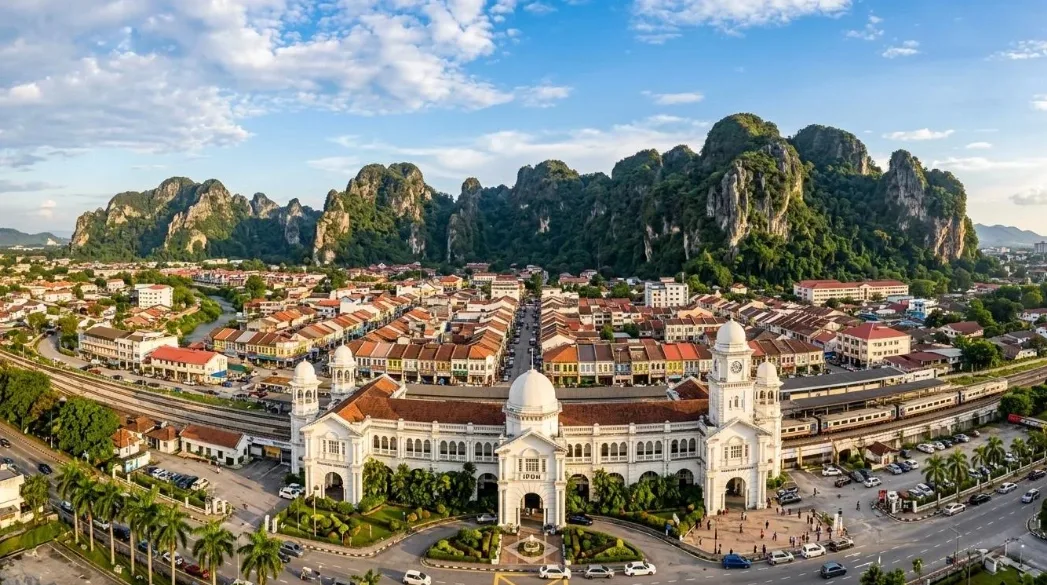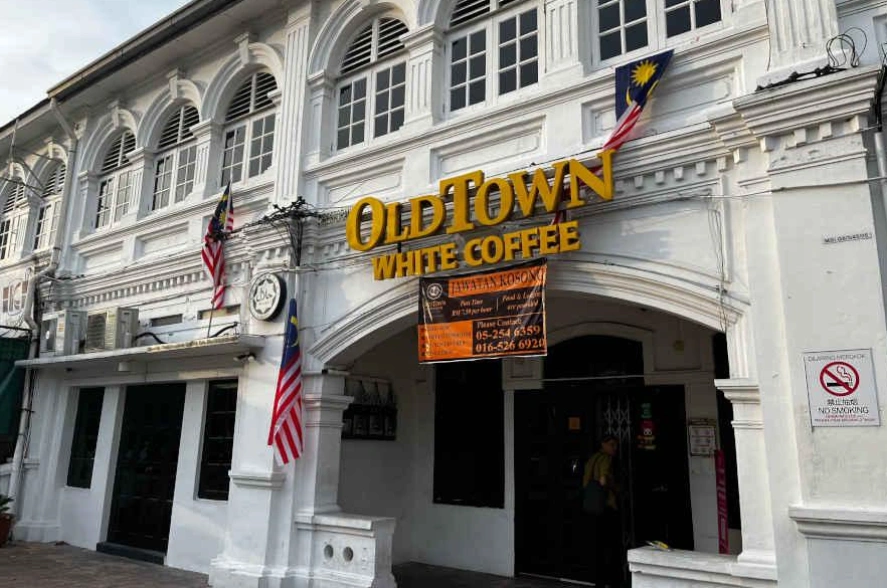
Ipoh's heritage walk works best when you stop treating Old Town as a checklist of murals. The real interest is in the layers around them: two-storey shophouses, covered walkways, old trading streets, clan buildings and the small businesses that kept the district alive after the tin boom faded. The art is an invitation to look closer, not the entire destination.
Most visitors can cover the central area in two to four hours. A slower route that includes breakfast, a market stop and a cafe break easily fills half a day. Begin early, before the sun reaches the exposed intersections and before tour groups settle into the narrow lanes. Wear shoes that can handle uneven pavement and keep a light rain jacket or umbrella in your bag. Ipoh showers can arrive quickly, even when the morning starts bright.
A Simple Old Town Route
Start near the old commercial core rather than at a single mural pin. Walk one loop through the main heritage streets, then use the Old Town guide to connect the smaller lanes. The route should include a stretch of traditional shophouses, the market area, one or two clan buildings and a quiet side street away from the busiest photo spots. This gives you a better sense of the district than moving directly from one painted wall to the next.
Concubine Lane and the surrounding alleys are popular for good reason, but they are not the whole heritage area. Walk them early, then continue to streets where residents are shopping, eating and working. The Concubine Lane guide explains what to expect from the narrow lane and how to avoid blocking shop entrances. When a doorway is open, assume someone is working there even if the building looks old or photogenic.
What to Notice
Look above the shop signs. Many buildings keep their original proportions, air wells, shutters, tiles and decorative facades even when the ground floor has been repainted. The five-foot way is both an architectural feature and a practical covered walkway. Use it to move between blocks, but leave space for customers and delivery carts.
Murals are scattered rather than arranged in one perfect gallery. Some are faded, some are painted on private walls and others sit beside busy roads. Check the pavement and traffic before stepping backward for a photo. Do not touch wet paint, move shop displays or direct pedestrians out of the way. A good heritage walk leaves room for unexpected details: a signboard in an old dialect, a tiled threshold, a temple entrance or the smell of coffee coming from a corner shop.
Best Time to Walk
The first two hours after sunrise are the most comfortable. Light is softer, traffic is lighter and the more popular lanes are easier to navigate. Breakfast shops are also at their best during this window. The white coffee trail can be built into the walk without turning the morning into a cafe crawl.
Late afternoon is the second useful window. The heat begins to ease, shophouse facades catch warmer light and the streets become lively again. Avoid the middle of the day if you plan to walk continuously. If you are already in Old Town, use that time for a museum, a long lunch or an air-conditioned cafe. The route can be split into two short walks instead of one endurance test.
Where to Break
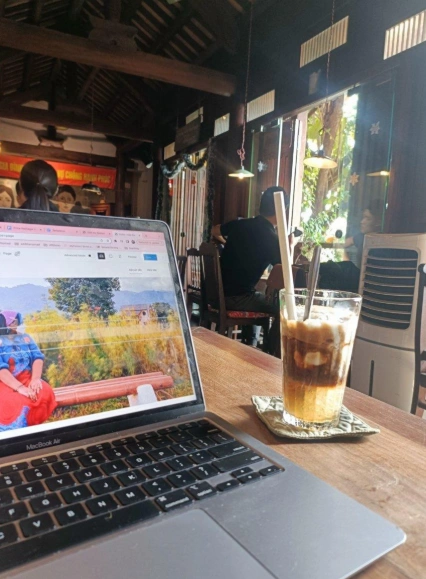
Choose breaks based on the part of the route you are walking, not on a list of famous names. A traditional kopitiam suits the morning section. A modern cafe is more comfortable for a longer rest in the afternoon. Hawker food or a market snack can bridge the gap between the two. The Ipoh cafes guide compares several options by style rather than promising that every place is ideal for every visit.
Carry water, but do not rely on it as your only rest strategy. Heat builds under the arcades and can feel stronger than the temperature suggests. Sit down for fifteen minutes before you feel exhausted. If you are traveling with children or older relatives, shorten the loop, use a ride-hailing car between distant sections and keep one indoor backup close by.
Murals and Local Life
The most photographed murals can develop a queue, especially on weekends. If a small group is already posing, see the rest of the lane first and return later. Do not ask residents to move from their own doorsteps. If a mural is inside a business, buy something or ask permission before entering. These small choices keep the walk pleasant for everyone.
Some of the best visual moments are not on a map. A row of bicycles, a laundry line above a lane or a produce stall at the market can say more about Ipoh than another posed photograph. Put the phone away for one block and simply observe. The heritage district is still a working neighborhood, and that everyday activity is part of its value.
Rain and Heat Plan
When rain begins, move under the covered walkway or step into a cafe, museum or market. Do not wait in the middle of a narrow lane where shoppers need to pass. If the storm is heavy, pause the walk and continue later rather than trying to protect a fixed schedule. After rain, watch for slick tiles, puddles and uneven drains.
For a hot afternoon, reverse the order: start with an indoor heritage stop, walk only the shaded section and finish at a cafe near your accommodation. The street art guide can help you locate the main painted walls without treating them as the only reason to explore.
Arcades, Five-Foot Ways and Shade
The covered walkway that runs along the front of many shophouses is the reason a heritage walk in Ipoh stays comfortable at midday. It is a working passage, not a museum exhibit. Shops use it for deliveries, motorcycles park under it and residents cross it on the way to the market. Walk through it the way a local would: at a steady pace, leaving space for anyone carrying something heavy or moving quickly.
The arcade also shows you how the city handled its climate long before air-conditioning. Deep overhangs, high ceilings, internal courtyards and shutters were all cooling decisions. Look up at the upper floors where you can, because the stucco details, shutters and signage sit above eye level and are easy to miss while you are watching your step. Step aside when you want to photograph a doorway, since standing in the middle of a busy passage to take pictures blocks the people whose neighborhood this actually is.
Etiquette in a Living Neighborhood
Old Town is photographed heavily, and that can make residents cautious. A few simple habits keep a walk pleasant for everyone. Ask before pointing a camera into a shop, a temple courtyard or someone's open doorway. Do not move objects, sit on private steps or open gates for a better composition. If a shop is open, buying a drink or a snack is a fair exchange for standing inside and looking around.
Language is less of a barrier than it seems. A nod, a smile and a question about whether photography is fine will usually get an honest answer. If someone signals no, accept it without negotiating and move on. Keep your voice low near homes and places of worship, dispose of what you buy rather than handing it back, and avoid treating a working street as a set. The reward is a walk where people are relaxed around you instead of bracing for the next tour group.
A Better Way to See Old Town
Walk one clear loop, pause often and leave time for one unplanned street. Stop for coffee when the shop is part of the route, not because a list tells you to. Finish before the experience becomes repetitive or uncomfortable. The Ipoh travel guide gives you the wider context for combining Old Town with cave temples, food and a longer stay.
Ipoh heritage is not preserved behind a single ticket gate. It appears in the way buildings are reused, meals are served and people move through the arcades. A patient walk reveals more than a hurried tour, and it leaves both the neighborhood and the visitor better off.