
Ipoh white coffee is one of the few local specialties that genuinely deserves its reputation, but the name can be misleading. The drink is not made from white beans or bleached coffee. It usually refers to beans roasted with margarine or palm oil, which gives the brew a smoother, caramel-like character. In a kopitiam it arrives strong, sweet and often softened with condensed milk. In modern cafes it may be presented as a filter coffee, an iced drink or a latte-style cup. Those versions are related, but they do not taste the same.
The best way to understand the difference is to treat white coffee as a trail rather than a single stop. Start with an old-school kopitiam in Old Town, where the drink comes with kaya toast and a soft-boiled egg. Continue to a contemporary cafe for a more controlled roast. Finish in Greentown or another newer neighborhood if you want to compare local beans, milk drinks and a quieter workspace. Two or three stops are enough. Five stops in one morning will blur the flavors and leave you more caffeinated than curious.
Start in Old Town
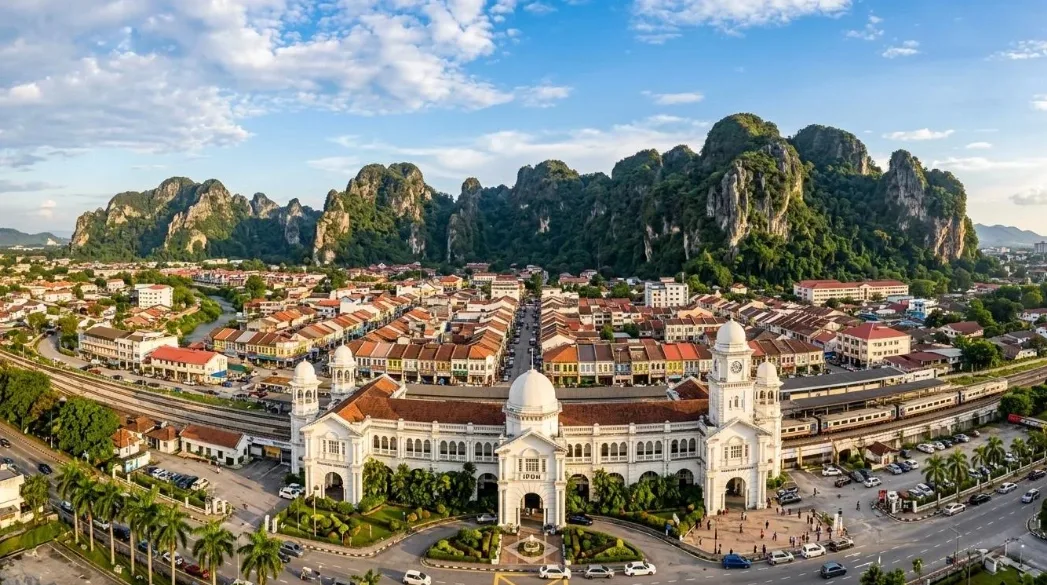
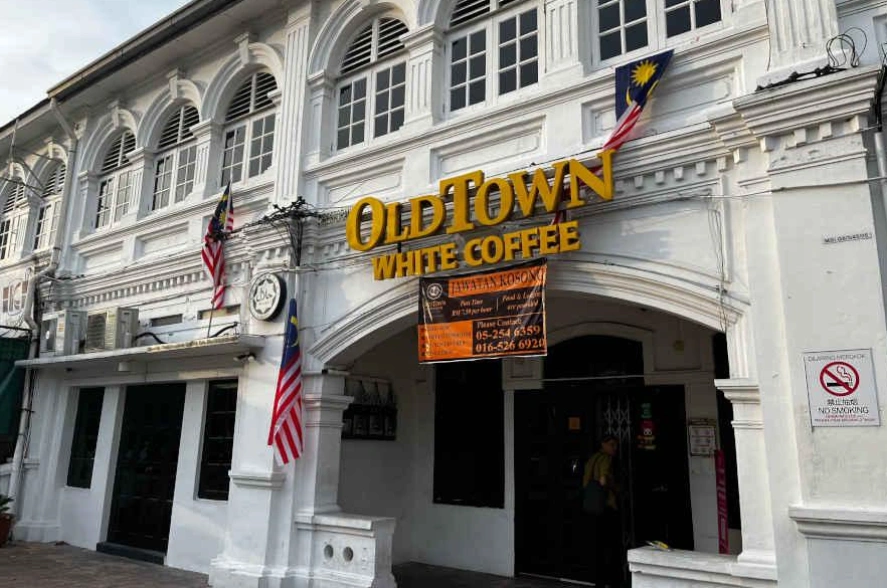
Old Town is the natural beginning because Ipoh's coffee culture grew alongside its shophouses, markets and tin-mining prosperity. The streets around Concubine Lane and the old commercial core put heritage, breakfast and coffee within a short walk. Look for a busy traditional shop rather than the most photogenic one. A steady local crowd is usually a better sign than a long queue of visitors taking pictures at the door.
Order the basic version first. Kopi panas means hot coffee with condensed milk, while kopi o is served without milk and is usually less sweet. If you are not used to very sweet drinks, ask for less sugar before the cup is made. The traditional version is often served in a small cup, so do not expect a large latte. Pair it with kaya toast and an egg if you want a proper local breakfast. The Old Town walking guide helps you connect coffee stops with the surrounding heritage streets.
What to Order
Start with one hot white coffee and one iced version if two people are sharing. The hot cup shows the roast and sweetness more clearly. The iced version is easier in the afternoon heat but can taste more diluted once the ice begins to melt. If the menu offers a choice between condensed milk and evaporated milk, ask which is standard before deciding.
Modern cafes may use the term white coffee for a milk drink, a long black with a specific roast or a bottled blend. Read the description instead of assuming. If you want to compare the coffee itself, order one black cup and one milk cup from the same shop. That tells you more than ordering several flavored drinks. Pastries, noodles and rice dishes are often available nearby, so leave room for a second breakfast rather than treating every cafe as a full meal.
Traditional shops are usually best early, before the breakfast rush slows service. Contemporary cafes tend to be calmer after the first commuter crowd and again in the early afternoon. Weekend mornings are busiest around Old Town. If you want photographs of empty lanes, arrive before the shops open, then choose a cafe once the coffee equipment is running. Rain can change the route quickly, so keep one indoor stop near your current position instead of crossing the city for a reservation.
Build a Walking Route
A simple route begins near the Old Town core, continues through Concubine Lane and the market area, then moves toward a modern cafe. Use the Ipoh cafes guide to compare styles before you leave. Keep each stop short and walk between them rather than taking a car for every transfer. The distances look manageable on a map, but heat, traffic and repeated drink stops add up.
If you continue into the afternoon, break the coffee trail with a heritage stop or a bowl of noodles. The street art guide offers a route through the alleys that works well between two cafes. In the evening, switch to tea, coconut water or a cold dessert. A full day of strong coffee is not the goal.
Costs and Cafe Etiquette
White coffee at a traditional shop is usually inexpensive, while specialty cafes charge more for single-origin beans, larger drinks and air-conditioned seating. Bring small notes and some cash even if cards or QR payments are accepted. At a busy kopitiam, sharing a table is normal. Order before sitting if the shop has a counter, and move on once you have finished during the breakfast rush.
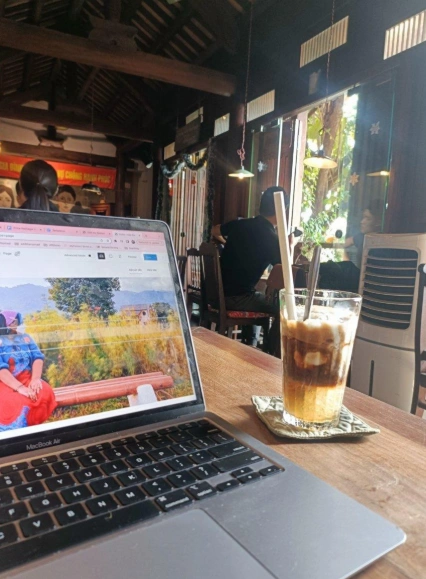
Do not assume every cafe is suitable for laptop work. Older shops are for eating and drinking, not for occupying a table for hours. Some newer cafes welcome remote workers, but outlets and reliable tables vary. Use a dedicated work cafe if you need a long session, or return after the meal period when the room is quieter.
Beans, Roasts and What They Mean
White coffee is more about the roast than the bean variety. The classic version uses robusta or a robusta-arabica blend roasted with margarine, sugar or palm oil, which builds the body and dark colour that survive condensed milk. Specialty shops often work with arabica instead, roast lighter and serve the result as a filter coffee or an espresso-based drink. Neither style is more authentic. They simply answer different questions: one is a breakfast drink built for sweetness and speed, the other is a cup you sit with and taste slowly.
Ask what you are drinking if the description is unclear. A shop that can explain its roast, origin and brewing method is usually worth the extra ringgit. If the barista cannot say much, that is not a reason to leave, but it does tell you what kind of stop you have found. Compare one traditional cup and one modern cup on the same day and the difference becomes obvious.
Buying White Coffee to Take Home
Packaged white coffee is everywhere in Ipoh, from supermarkets to the shop counter itself. The three-in-one sachets are convenient but very sweet, and they rarely taste like the cup you had that morning. Look for a two-in-one or a plain roast if you want to control the sugar yourself, and check the roast date rather than only the expiry date. Freshly roasted beans sold whole, or ground on request, will usually outperform a sachet that has sat on a shelf for a year.
If you are carrying coffee onward, keep it sealed and away from heat and strong-smelling food. A small bag travels well and makes a better gift than a decorative tin. Buy from a shop you have actually tried, so you know what you are bringing home. One good bag beats a suitcase of souvenirs nobody drinks.
What to Avoid
The main mistake is chasing the single most famous cup and ignoring the ordinary shops around it. Another is ordering a very sweet drink, deciding you dislike white coffee and skipping the black version entirely. Give the style two chances in two different settings. You should also avoid describing every iced latte as traditional white coffee. The old kopitiam version and the modern cafe version are part of the same story, but they are different products.
Stay close to Old Town for your first trail. Only add Greentown or another district if you have time and a clear second stop in mind. The Ipoh travel guide can help you fit the route around markets, cave temples and an afternoon rest.
The most enjoyable white coffee trail is short, flexible and grounded in local habits. Begin with a traditional cup, compare it with a modern roast, walk while the city is still relatively cool and stop before the caffeine becomes the only memory.