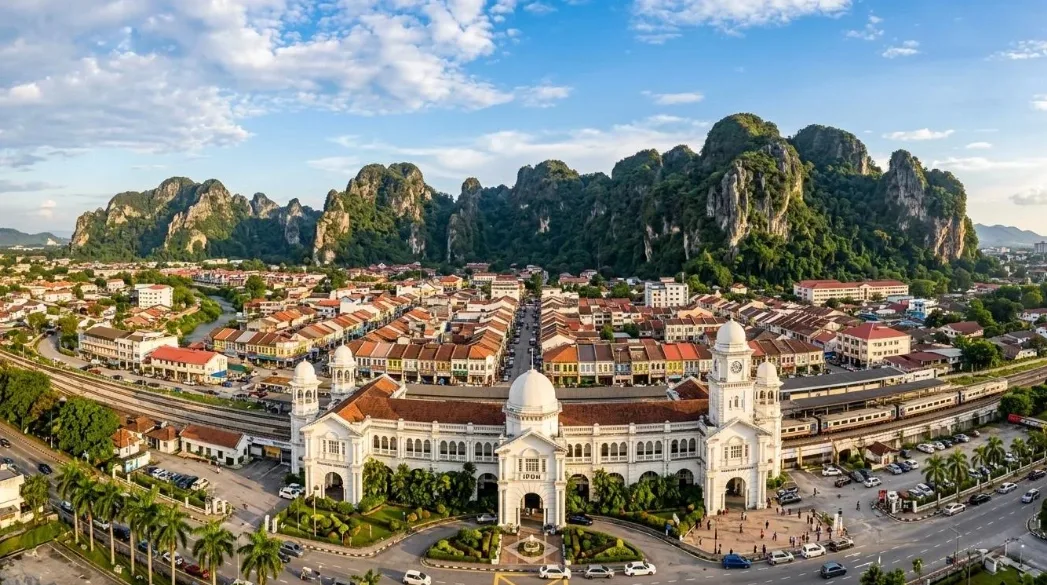

After spending weeks working from cafes in Ipoh, I developed strong opinions about where to settle in for different types of work. Here's my honest guide.
Why Ipoh Cafes Feel Different
Ipoh's cafe culture has an unhurried quality. Unlike Bangkok or Bali where cafes can feel like coworking spaces with a coffee menu, Ipoh cafes still feel like places to sit and exist.
This can be a challenge for remote workers who need to actually work. But with some research, you can find spaces that balance atmosphere with functionality.
Best Cafe for Reading
When I wanted to read rather than work, Burps & Giggles was perfect. Located in a converted shophouse, it has that comfortable, slightly worn-in quality that makes you want to stay for hours.
The menu is excellent (both food and drinks), the seating is comfortable, and the staff never rushed me. Wifi is available but slow, which somehow felt appropriate for a reading cafe.
Another favorite for reading was Rustic House near Old Town. It's spread across multiple levels of an old building, with cozy corners everywhere. The coffee is good and the atmosphere encourages slowing down.
Quiet Places for Work
For actual productivity, I needed different spaces.
Cafe counterpart became my office. Modern, clean, reliable wifi, good food, and an environment that actually encouraged focus. The air conditioning was strong enough to counteract Ipoh's heat, which matters for concentration.
Theaztea has multiple locations but the one near Ipoh Parade mall was my preference. It's a tea house but serves excellent coffee. The seating is designed for laptop work, and the quiet background music helps concentration.
For deep focus days, I'd head to The Common Grounds. It's more cafe than coworking, but the atmosphere is professional enough that people take work seriously.
Coffee Quality and Prices
Ipoh coffee culture deserves its reputation.
Specialty coffee in Ipoh costs $3-5 per cup, similar to anywhere. But the quality justifies the price. Barsistas here take their craft seriously.
Traditional white coffee at old-school kopitiams (coffee shops) costs $1-1.50. The taste is an experience. Rich, smooth, and completely different from Western-style coffee.
I spent most days alternating between these two worlds, and both delivered.
Hidden Spots Tourists Miss
The best discoveries came from exploring.
Walk away from the Old Town tourist areas and into the New Town neighborhoods. Small, family-run cafes appear everywhere. One was simply someone's renovated front room with four tables and excellent coffee.
Jalan Speaker has several small cafes that never appear in travel guides. Walk in, order something, and see what happens. The language barrier was minimal and the hospitality genuine.
Sunday mornings at wet markets sometimes feature coffee vendors with tables and stools. Buy a cup, sit with locals, watch the market wake up. These weren't work spaces but they were experiences.
My Favorite Morning Routine
Most mornings started with white coffee at a traditional kopitiam near my accommodation. Simple tables, ceiling fans, local regulars, and coffee that tasted like Ipoh.
After breakfast, I'd walk to whichever cafe I planned to work from that day. The walks through Old Town were part of the experience - architecture, street art, quiet neighborhoods.
By 10 AM, I was settled somewhere with my laptop, ready for a few hours of focused work. Lunch was usually at a nearby food court or restaurant. Afternoon work was optional depending on energy levels.
Evenings were for exploring, eating, and the occasional sunset rooftop at Sky Bar (yes, Ipoh has one).
This rhythm was sustainable for weeks. That's the real test of any work destination.