A local roastery can be the best coffee stop in Ipoh, but the phrase is used loosely. Some businesses roast beans on site. Others buy from a Malaysian roaster and focus on brewing. A few use the word roastery mainly as a design choice. None of those approaches is automatically bad, but knowing the difference helps you choose the right place for a tasting, a bag of beans or a long work session.
Ipoh already has a strong traditional coffee identity built around white coffee, kopitiams and breakfast. Specialty roasting adds a second layer rather than replacing the first. A good coffee day can include both. Start with an old-school cup, then visit a modern bar to taste how origin and processing change the drink.
What Makes a Real Roastery
Look for evidence that roasting is part of the business. You may see a roaster, bags with roast dates, tasting notes on a board or staff who can explain the current beans. The cafe might offer espresso and filter versions of the same coffee, which makes comparison easy. It may also sell retail bags, subscriptions or brewing equipment.
A shop does not need a large machine in the middle of the room to be credible. Some roasters work in a separate facility and serve the results in a small cafe. What matters is whether the team knows the coffee, stores it well and can tell you when it was roasted. If nobody can answer basic questions about origin or age, treat the place as a cafe rather than a roastery.
Be cautious with vague claims such as premium, artisan or world-class. Specific information is more useful. A washed Ethiopian coffee, a natural Indonesian lot or a local blend will each taste different. Staff should be able to describe whether a bean works better with milk, as espresso or as filter.
How to Compare the Coffee
Order one black coffee and one milk drink if you are sharing. The black version reveals acidity, sweetness and roast character. Milk softens bitterness and can make a poorly balanced bean taste smoother. Comparing the two shows whether the roaster has built a blend specifically for milk or is using the same coffee for every drink.
For filter coffee, ask which method is available and how long the brew takes. Pour-over is made one cup at a time, so it may not suit a rushed visit. Batch brew can be excellent when it is fresh and the shop has enough turnover. Cold brew and iced filter are useful in Ipoh's heat, but ask whether the drink is sweetened before ordering.
Do not judge a coffee by bitterness alone. A strong cup can still be sweet and balanced, while a weak cup can taste sour without clarity. If the drink is not to your taste, say so politely and explain what you usually enjoy. Good baristas can suggest another option or a different bean rather than taking it personally.
Reading Freshness and Storage
Roast date matters more than a distant best-before date. Coffee usually tastes best within a few weeks of roasting, depending on the bean and brewing method. A bag with no date is difficult to evaluate. If you plan to carry beans home, choose a small bag, keep it sealed and avoid leaving it in a hot car or backpack for weeks.
Ground coffee loses aroma faster than whole beans. Buy whole beans if you have a grinder, or ask the shop to grind for your specific brewer. Tell them whether you use espresso, a moka pot, an Aeropress or a filter cone. The correct grind makes a larger difference than many equipment upgrades.
Ask how the shop stores its retail bags. Direct sun, heat and open containers are not kind to coffee in a tropical climate. A roaster that labels dates and rotates stock is usually a better source than one selling dusty bags without information.
Choosing the Right Visit
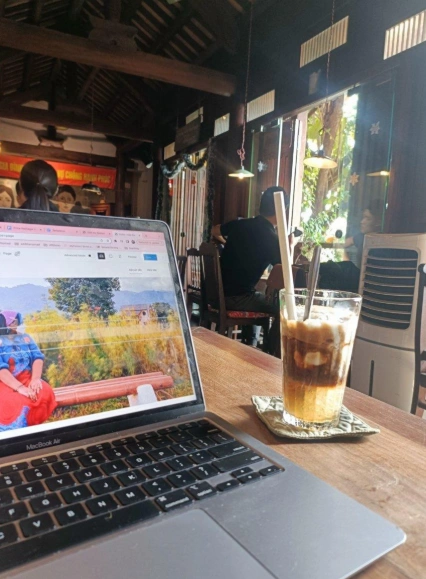
For a tasting, sit at the bar if there is one and ask for a guided comparison. For a casual break, choose a milk drink and a pastry. For buying beans, visit when the shop is not overwhelmed and allow time for questions. For remote work, check the room before committing: stable internet, accessible power and a table that is not needed for a quick meal turn all matter.
The Ipoh cafes guide can help you compare different styles, while the white coffee trail explains the traditional side of the city. If you want a heritage walk nearby, use the Old Town route to connect coffee with shophouses and street life.
Expect specialty coffee to cost more than a kopitiam drink. The price reflects bean quality, brewing time, rent and the kind of seat you are using. Decide what you value before sitting down. If you only need caffeine, a simple local coffee may be the better choice. If you want to understand the roast, a slower tasting is worth the premium.
Questions Worth Asking at the Counter
Coffee shop staff who roast their own beans are usually glad to talk. A few short questions tell you whether a place is genuinely working with coffee or simply using the language. Ask where the beans were roasted and when. If the answer is a date within the last few weeks and a location they can describe, you are in the right kind of shop.
Ask which origins are on the bar and how they differ. A roastery that carries several single origins should be able to explain the difference in one sentence without reading a label. Ask whether the espresso and the filter come from the same beans, because a shop that adjusts its roast for each method is paying attention. Taste before you judge. Order a black coffee if you want to evaluate the roast itself, then try a milk drink to see how it holds up. Two drinks at one counter will teach you more about Ipoh's coffee scene than five hurried stops.
Beans to Take Home
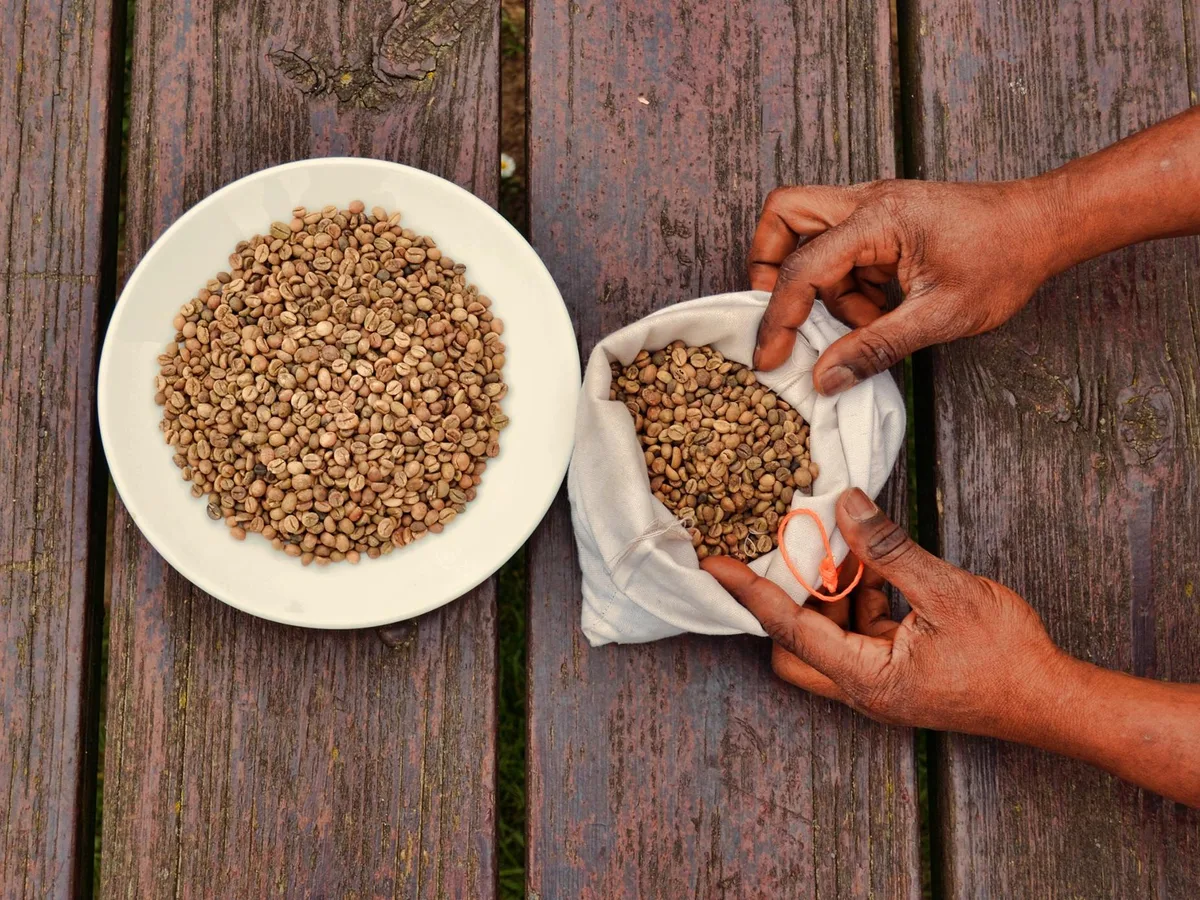
Buying beans is the most useful souvenir a coffee drinker can carry out of Ipoh. Whole beans keep their character far longer than ground coffee, so buy whole and grind at home if you have the equipment. If you do not, ask the shop to grind for the method you actually use, not the one they prefer.
Check the roast date rather than the expiry date, and choose a bag you can finish within about a month. A single two-hundred-gram bag of something you have already tasted beats a kilogram of an unknown blend. Light roasts travel well in a suitcase, but they degrade in heat, so keep the bag sealed and away from direct sun. Ask how the shop recommends storing it. Most will say an airtight container at room temperature, away from the stove, and not the fridge. Follow that advice and the cup you drink at home will still resemble the one that convinced you to buy the bag.
A Coffee Route Through Ipoh
Begin early with white coffee and toast in Old Town. Walk through the heritage streets, then stop at a verified specialty cafe after the breakfast rush. Ask for a single-origin filter or an espresso that differs from your first drink. If the shop sells beans, buy a small bag only after confirming the roast date.
Later, move to Greentown or another modern neighborhood for lunch and another style of cafe. Keep the route flexible and avoid crossing the city for a name that has not been verified. The Ipoh remote-work guide can help if you need a reliable base for several coffee sessions during a longer stay.
Finish with tea or a cold dessert rather than another strong drink. The Ipoh travel guide provides context for markets, cave temples and other stops that fit around the coffee route. A genuine roastery should make the city's coffee story clearer, not simply provide another fashionable place to photograph.