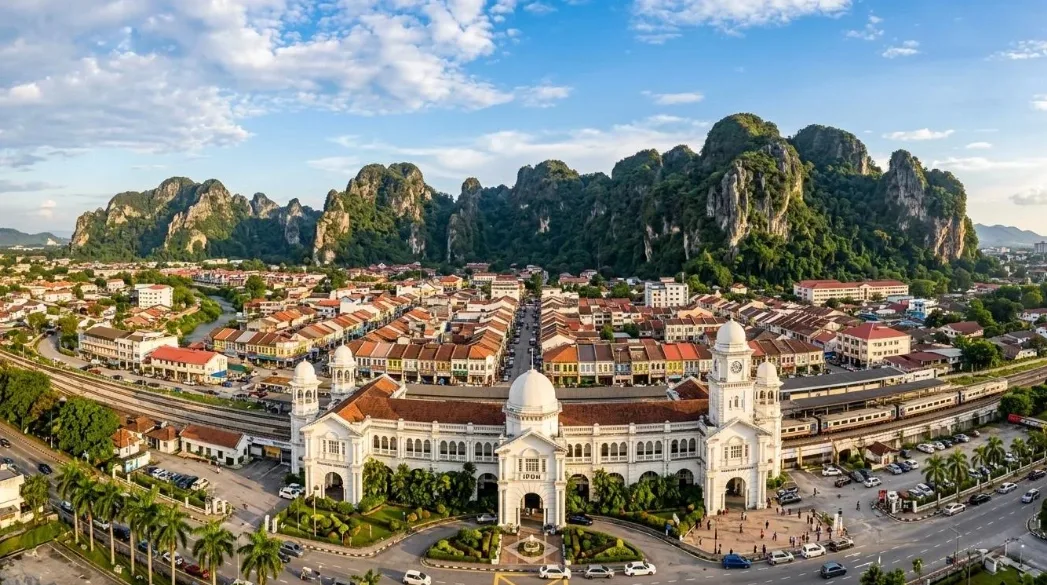
Daily life in Ipoh begins earlier and moves more quietly than a sightseeing itinerary suggests. Markets open while the streets are still comfortable, kopitiams fill with breakfast customers and office workers move through the old commercial core before the heat settles in. By midday, many people retreat indoors. Activity returns in the late afternoon and early evening, when families shop, students meet and food stalls begin serving dinner.
Visitors who stay only one night often see the heritage district and miss this rhythm. A longer stay reveals a city that is practical, social and comfortable with routine. Understanding that pace makes travel easier. It also helps you choose the right hour for a market, a walk, a coffee stop and a proper meal.
Morning Starts with Breakfast
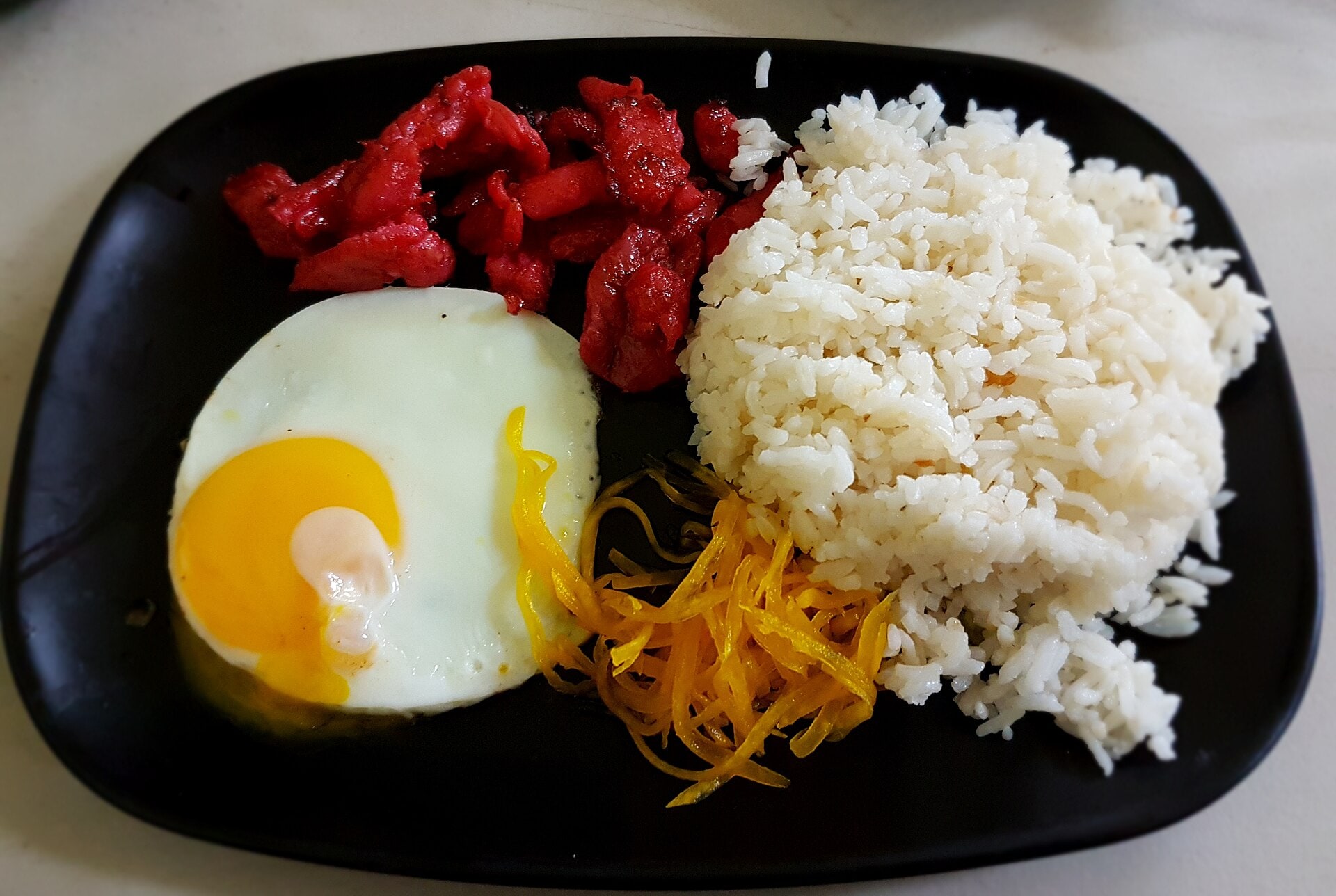
Breakfast is a serious part of the day. A traditional kopitiam may serve white coffee, toast, soft-boiled eggs, noodles or simple rice dishes. Customers often know the staff, share tables and finish quickly before work. The room is not designed for a leisurely laptop session. It is designed to feed people and keep the morning moving.
Markets begin early too. Produce, meat, dried goods and prepared food are sold in different sections, and the best selection often appears before the main crowd. Walk slowly, keep to one side and avoid blocking a vendor's display with a camera. If you buy fruit or snacks, carry small notes and a reusable bag if you have one.
The white coffee trail explains the traditional breakfast order and how to build a short route. A heritage walk can follow, but only if the weather is comfortable. Start in Old Town Ipoh and watch how the commercial streets change after the breakfast rush.
Midday Is for Errands and Shade
As the sun climbs, local life moves under awnings, into malls and through air-conditioned shops. Offices and service businesses handle the middle of the day while cafes serve lunch. Some neighborhood restaurants close between meal periods, so check current hours before planning a late-afternoon meal.
This is the right time for indoor tasks. Use it for groceries, laundry, a haircut, banking or work. The Ipoh remote-work hotel guide covers the practical side of a longer stay, including internet and location trade-offs. A hotel or apartment with a desk can make a hot afternoon more productive than moving between cafes with uncertain Wi-Fi.
Public transport exists, but many residents rely on cars, motorcycles and ride-hailing. Distances between neighborhoods can look short on a map and still feel long in traffic or rain. Plan errands in clusters rather than crossing the city repeatedly. Parking near popular food areas can be difficult during lunch and dinner peaks.
Afternoon Coffee and Neighborhood Life
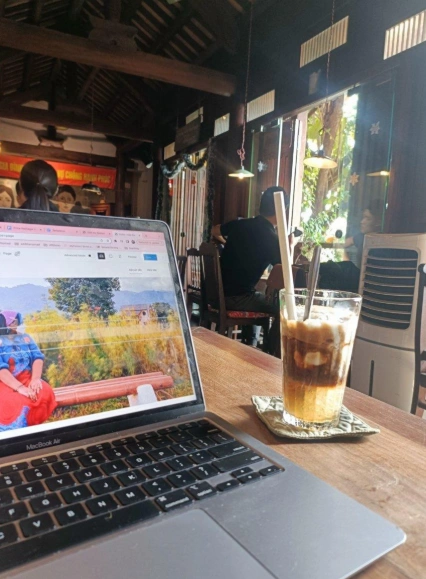
The modern cafe scene fills a different role from the traditional kopitiam. Younger residents meet friends, students study and remote workers answer messages over espresso or iced drinks. Some cafes welcome long stays; others depend on table turnover. Read the room and ask if you are unsure.
Neighborhood life is most visible away from the main tourist route. A residential area may have a bakery, a small grocery store, a hawker center and a laundry within a few blocks. Those ordinary services are part of the reason Ipoh can work well for a slow stay. You do not need a famous attraction every day.
If you want a break from coffee, visit a park, a market or a temple in the late afternoon. The heritage shophouse stay guide explains what older accommodation offers after dark, including noise, stairs and heat. Understanding those details helps separate a charming photograph from a comfortable week.
Evening Food and Family Time
Dinner often brings families and groups together. Hawker centers, casual restaurants and night markets become busy around the same hours. Some stalls sell until late, while others close once the food runs out. The night market guide explains how to find a market, order without pressure and handle cash.
Evening is also when the old city looks different. Shophouse lights come on, traffic thins in some lanes and coffee shops may reopen for a quieter crowd. This is a good time for a short walk, but watch for uneven pavement and motorcycles using narrow streets. Keep valuables close and use a well-lit route back to your accommodation.
Weekends bring a different pattern. Families shop, visitors arrive and popular restaurants fill earlier. Monday to Friday may feel calmer around the heritage area but busier around offices at lunch. Adjust expectations instead of assuming one schedule fits every day.
What Long-Stay Visitors Notice
Routine becomes important after the first week. Find one reliable breakfast place, one market, one cafe and one dinner option close to where you sleep. Repeat visits make the city easier to navigate and often lead to better service than chasing a new recommendation every day.
Budget depends on housing style, transport and how often you eat in cafes. Local meals and markets are affordable, while specialty coffee, Western brunch and ride-hailing add up. Keep a simple record of daily spending during the first week. That is more useful than relying on a generic cost estimate.
Language is rarely a major barrier in central areas, but a few words of Malay or Cantonese can make small interactions warmer. Patience matters during peak meal times. Shops may be busy, cashiers may be handling several tasks and service can be direct rather than formal.
Money, Errands and Practicalities
Daily life in Ipoh runs on cash more than a visitor expects. Hawker centers, markets and older shops often prefer notes, and smaller denominations are genuinely useful. Cards and QR payments are widespread in modern cafes, pharmacies and supermarkets, but carrying a few notes removes most friction.
Errands are straightforward once you find the right kind of shop. Pharmacies are common in the newer neighborhoods, laundries offer same-day service in most commercial areas, and convenience stores cover the basics. Local SIM cards and top-ups can be handled at phone shops and some supermarkets. Healthcare is a real advantage. Private clinics and hospitals in Ipoh are used by medical travelers from the region, appointments are usually quick to obtain and English is widely spoken. If you are staying for months, keep a copy of your insurance details and a list of any medication you take. Groceries are affordable, especially produce and local brands, with larger supermarkets in the newer districts and cheaper fruit and vegetables at the morning markets.
Weekends and Community Life
Weekends change the rhythm of the city. Families eat out, shophouse restaurants fill up and the roads around the popular breakfast spots get congested. Places that are quiet on a Tuesday may have a queue by nine on a Sunday, so shift your routine if you dislike waiting.
Community life is mostly organized around food, worship and neighborhood associations. Temples hold festivals with processions and night markets, clan associations maintain halls in the old core and sports clubs operate out of the larger parks. These events are not packaged for visitors, and that is what makes them interesting. Check with your accommodation about what is happening locally rather than relying on a general guide. Long-stay visitors often find that the social side takes a little effort. Cafes, gyms and shared workspaces are the easiest entry points, and regular attendance at the same place matters more than any single introduction.
A Realistic Day
Start with breakfast and a market before the heat. Walk in Old Town or handle errands during the cooler morning. Rest indoors at midday, work or eat lunch, then return to a cafe or neighborhood later in the afternoon. Finish with hawker food or a simple restaurant dinner and an early night.
That rhythm is not a checklist. It is a way to use the city's hours rather than fight them. The Ipoh travel guide will help you add attractions without turning every day into a tour. Daily life in Ipoh becomes enjoyable when you leave space for the ordinary: a second cup, a market errand, a conversation and a meal that was not planned months in advance.