Ipoh is one of those Malaysian cities that can be difficult to understand from a typical tourist checklist.
It isn't Kuala Lumpur, where you can spend days moving between major landmarks, and it doesn't have Penang's reputation for being a major food and heritage destination. Ipoh is quieter and more compact. A lot of what makes the city interesting is found in ordinary places: an old kopitiam in the morning, a row of shophouses in Old Town, a temple built into a limestone cave, or a plate of noodles at a busy local restaurant.
Ask someone what Ipoh is famous for and you'll probably hear white coffee first. That's certainly part of it, but there's more to the city than its coffee.
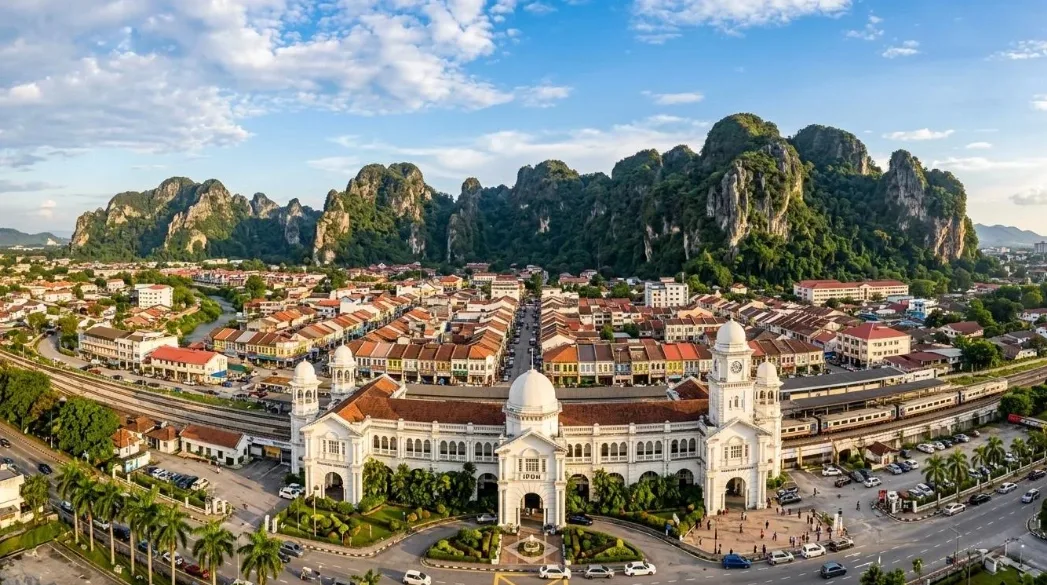
Ipoh is also known for its Old Town, Chinese cave temples, limestone hills, local food, colonial-era buildings, tin-mining history, and a slower pace that makes it easy to explore without rushing.
Here are the things that give Ipoh its character.
Ipoh Old Town
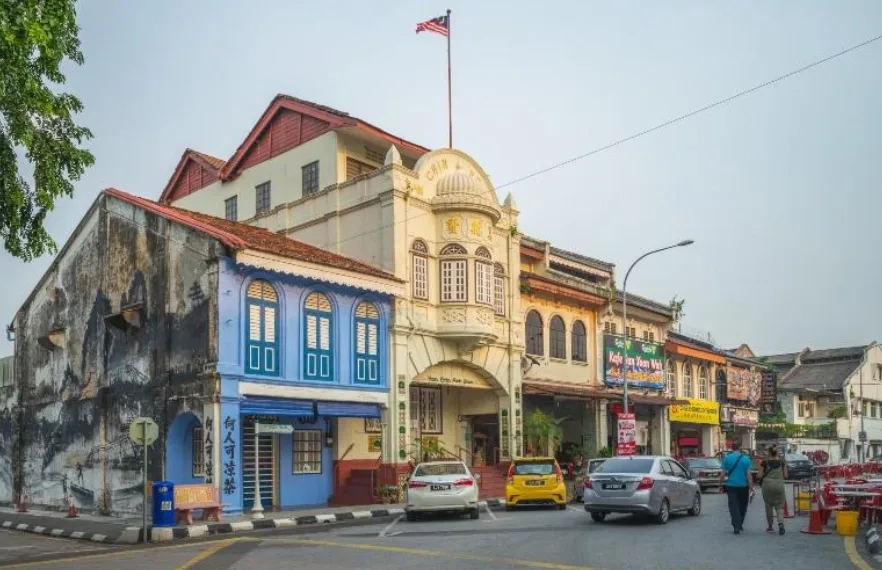
If you have never been to Ipoh before, start in the Old Town.
The historic centre is compact enough to explore on foot, and you don't need a detailed plan to enjoy it. Walk along the old shophouses, stop for coffee, look for murals, and see where the streets take you.
Some buildings have been restored and now house cafes, restaurants, galleries, and small shops. Others still look much as you would expect from an older Malaysian town, with businesses operating from the ground floor and apartments or storage spaces above.
This is probably the easiest place to understand why Ipoh feels different from Kuala Lumpur.
You can see quite a lot in a few hours without spending most of your day travelling between attractions.
Best way to experience it: Go in the morning, when the streets are less hot and the kopitiams are busy with breakfast customers.
Ipoh White Coffee
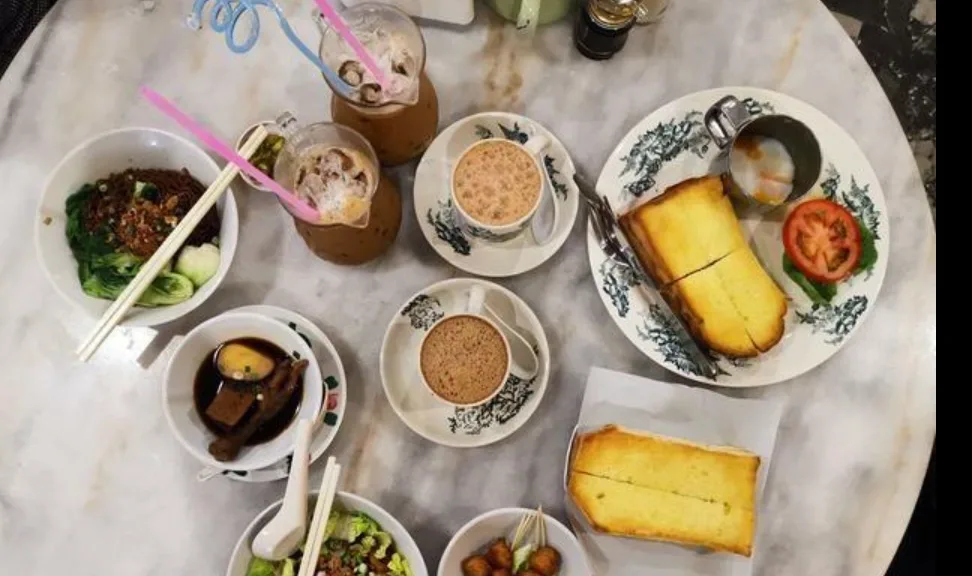
White coffee is probably the most famous thing associated with Ipoh.
The coffee is traditionally made using beans roasted with margarine, giving it a distinctive aroma and a smoother, less bitter taste than some darker roasted coffees. Ipoh became particularly associated with the drink through its old-style coffee shops, or kopitiams.
You don't need to turn coffee tasting into a serious activity. Just order a cup with breakfast.
That is actually a better way to experience it.
Find a traditional kopitiam, order white coffee alongside something like kaya toast or eggs, and sit for a while. The experience is as much about the setting and routine as the drink itself.
And don't worry if you don't love it. Ipoh has plenty of other things worth eating.
Cave Temples and Limestone Hills
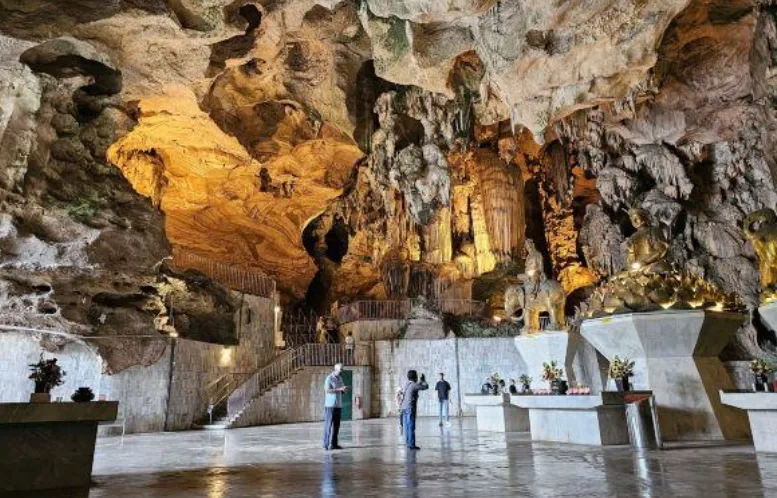
One of the things that makes Ipoh visually different from many other Malaysian cities is the limestone landscape surrounding it.
Large limestone hills rise around the city, and several Buddhist and Taoist temples have been built inside or around natural caves.
Kek Lok Tong Cave Temple is one of the better-known examples. The temple sits inside a limestone cave and opens toward a landscaped garden on the other side.
Sam Poh Tong Temple is another well-known cave temple, and Perak Cave Temple is also worth considering if you want to see more of this side of Ipoh.
You don't necessarily need to visit all three.
For a short trip, choose one or two based on where you are staying and what else you want to see. Visiting every cave temple simply because a travel list tells you to can turn a relaxed morning into a series of taxi rides.
The limestone scenery itself is part of the attraction.
Ipoh's Food Scene
Ipoh has a strong food culture, and this is one of the main reasons people come back.
You'll find dishes associated with the city and Perak, including Ipoh hor fun, bean sprout chicken, dim sum, nasi ganja, and various Chinese-Malaysian dishes.
One thing you'll notice quickly is the importance of simple ingredients.
Ipoh hor fun, for example, is not an elaborate dish. It's made with smooth rice noodles, usually served in a light chicken or prawn-based broth with chicken and prawns.
Bean sprout chicken is similarly straightforward, but the local bean sprouts are famous for their crisp texture.
You don't need to find the "best restaurant in Ipoh" before you arrive. In many cases, a busy old shop filled with local customers is a better starting point than a highly photographed restaurant aimed at tourists.
Food is one of the reasons I would recommend spending at least one night in Ipoh rather than treating it as a quick stop.
Colonial-Era Architecture
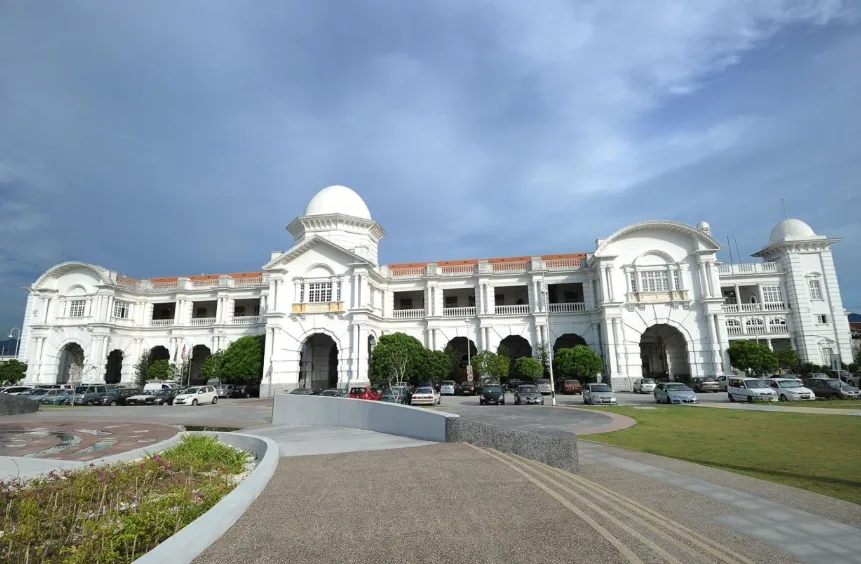
Ipoh's Old Town has a noticeable collection of colonial-era buildings, particularly around the railway station and the historic centre.
The Ipoh Railway Station is one of the most recognizable buildings in the city. Its grand white exterior has earned it the nickname "Ipoh's Taj Mahal," although the comparison is more of a local tourist description than something you need to take literally.
The Sultan Abdul Aziz Recreation Park and older administrative buildings also reflect different periods of Ipoh's development.
You don't need to visit every historic building individually.
A better approach is to walk around the Old Town and let the architecture become part of the experience. You'll see old shophouses, religious buildings, government structures, and newer businesses occupying the same streets.
That mix is what makes the area interesting.
Ipoh's Tin-Mining History
The reason Ipoh became an important city is closely connected to tin.
The surrounding Kinta Valley was once one of the world's major tin-producing regions, and the industry transformed Ipoh from a smaller settlement into a prosperous town.
The effects of that history are still visible in the city's architecture and surrounding landscape.
You don't have to be interested in mining to appreciate this part of Ipoh. It simply explains why the city has such a large collection of old commercial buildings and why the area developed so quickly during the mining boom.
If you want to understand the history in more detail, places such as Han Chin Pet Soo provide a more focused look at Ipoh's tin-mining era and the history of the local Hakka community.
For a first visit, I would choose this kind of small historical museum over trying to visit several generic museums in one day.
Street Art and Old Shophouse Murals
Ipoh has also become known for its street art.
You'll find murals around Old Town, sometimes painted directly onto the walls of old shophouses. Some have become recognizable photo stops, while others are easier to miss if you're walking quickly.
The murals are fun, but I wouldn't make them the entire reason for visiting.
The better experience is to combine them with an Old Town walk.
Take your time, look down side streets, and keep an eye on the walls. Some of the most interesting details aren't necessarily the murals that appear on every tourist map.
This is also one reason Ipoh works well for slow travel. You can spend an hour or two wandering without needing to follow a strict sightseeing route.
A Slower Pace Than Malaysia's Bigger Cities
This isn't an attraction you can put on Google Maps, but it's probably one of the things I like most about Ipoh.
The city feels manageable.
You can have breakfast in an old coffee shop, walk through Old Town, stop for a cold drink, visit a cave temple, and still have time for dinner without feeling like you've spent the entire day commuting.
That makes Ipoh particularly appealing if you're travelling through Malaysia and want a break from larger cities.
There are fewer major attractions competing for your attention, which can actually be a good thing.
You don't have to wake up early every morning just to beat a queue at the next landmark.
Is Ipoh Worth Visiting?
Yes, particularly if you enjoy food, history, architecture, and smaller cities.
I wouldn't recommend Ipoh to someone looking for a major nightlife destination or a long list of big-ticket attractions. That's not really what the city does best.
I'd recommend it to someone who enjoys wandering through old streets, eating local food, visiting temples, drinking coffee, and seeing how a city developed around an industry that is now mostly part of its history.
It also makes a useful stop between Kuala Lumpur and Penang, although it's worth staying overnight rather than rushing through in a few hours.
How Many Days Do You Need in Ipoh?
Two days is a good amount of time for a first visit.
On the first day, you can concentrate on Old Town, the railway station, murals, coffee shops, and local food.
Use the second day for one or two cave temples and somewhere more natural, such as Tasik Cermin, depending on weather and how much time you want to spend outdoors.
You can see some of Ipoh in one day, but an overnight stay gives you a much better chance to experience the city without rushing.
Can You Visit Ipoh as a Day Trip?
You can, especially if you're travelling from Kuala Lumpur.
The train makes the journey relatively straightforward, and the main Old Town area can be explored in a few hours.
The problem is that a day trip forces you to choose.
You might have time for Old Town and lunch, but adding cave temples and other attractions can make the day feel rushed.
If your schedule allows it, I'd stay one night.
The city becomes more enjoyable when you're not constantly checking the time for your return train.
What Is Ipoh Really Famous For?
If you only remember a few things, remember these:
White coffee is probably Ipoh's best-known food and drink association.
Old Town is where you'll find much of the city's historic character, old shophouses, cafes, and murals.
Cave temples make Ipoh different from many other Malaysian cities, especially when combined with the surrounding limestone hills.
Food is another major reason to visit, with local dishes such as Ipoh hor fun and bean sprout chicken.
And underneath all of this is Ipoh's tin-mining history, which explains much of the city's growth and architecture.
But perhaps the simplest way to describe Ipoh is this: it's a city that's better experienced slowly than ticked off a list.
Give yourself time for breakfast, take the long way through Old Town, stop when something looks interesting, and don't worry if you haven't visited every attraction by the end of the day.
That's where Ipoh tends to work best.