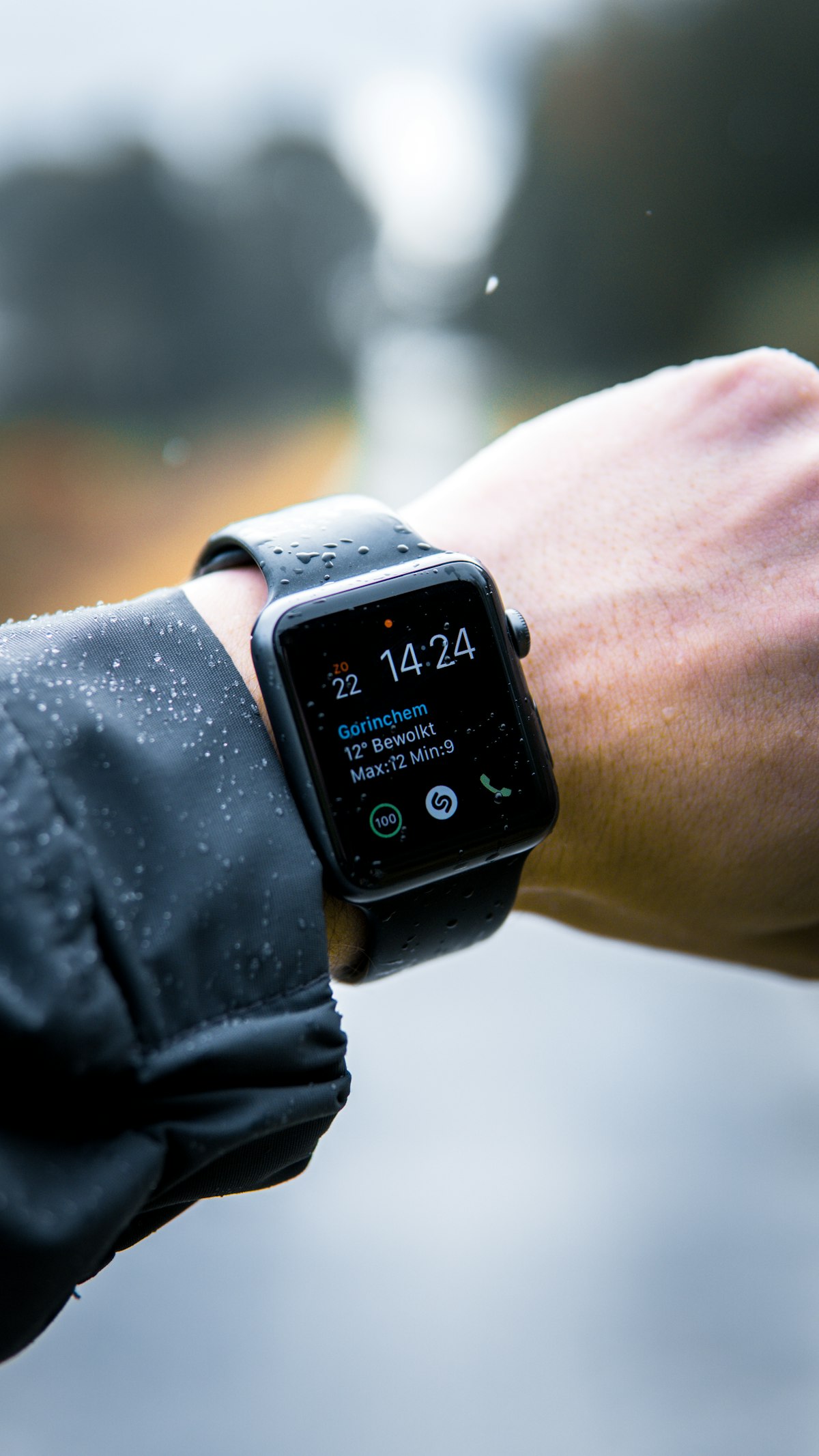

Long-term travel sounds freeing on paper—light backpack, flexible schedule, new countries every few weeks. In reality, it only works smoothly when your digital setup is stable.
After a while, you realize it’s not about having more apps, but having the right small stack that quietly handles logistics, money, communication, and focus in the background.
Here’s a practical breakdown of the apps that actually make long-term travel and remote living feel manageable.
4. Planning & organization (your “second brain”)
When you’re moving between cities, your memory becomes unreliable. Time zones, bookings, and random tasks pile up quickly.
Notion
This is usually the center of everything.
What it replaces:
- Travel itineraries
- Packing lists
- Work notes
- Content planning
- Random “don’t forget this” systems
Google Maps
Still the most underrated travel “system tool.”
Used for:
- Finding cafés with stable Wi-Fi
- Saving places by city
- Building walking routes
- Offline maps when SIM cards fail
2. Communication & work stability
Once you start working across countries, your “office” becomes whatever network you’re on that day.
Slack
The backbone for remote teams.
Why it matters:
- Keeps work communication structured
- Reduces dependency on email
- Works well across time zones if used properly
Zoom
Still unavoidable for client calls and meetings.
Long-term travel reality:
- You’ll take calls from cafés, hotel rooms, and airports
- Stability matters more than features
- Always depends on your internet setup more than the app itself
3. Internet & security layer
This is what makes remote work actually reliable while traveling.
NordVPN
Used as a default connection layer in many countries.
Why it matters:
- Stabilizes inconsistent Wi-Fi networks
- Helps avoid random service restrictions
- Adds security on public networks (cafés, airports, hotels)
4. Money & spending control
Long-term travel fails quickly when you lose track of spending across currencies.
Wise
A practical multi-currency money system.
Used for:
- Holding multiple currencies
- Paying local expenses with low fees
- Receiving freelance or remote income
5. Focus & productivity
When your environment changes constantly, focus becomes a system problem, not a discipline problem.
Forest
A simple but effective focus timer.
Why it works:
- Turns focus into a visible action
- Reduces phone distraction loops
- Useful during deep work sessions in cafés or coworking spaces
6. Travel execution layer (daily life tools)
These are the small apps that keep everyday logistics smooth.
- Flight tracking apps (for delays and gate changes)
- Local transport apps (Grab, Bolt depending on country)
- Translation apps for daily interactions
- Weather apps (important in tropical climates)
The real system behind all of this
The key insight after long-term travel isn’t “use these apps.”
It’s this:
Your life becomes stable when your tools become predictable.
Once your planning, communication, money, and focus are handled by a small set of reliable apps, moving between countries stops feeling chaotic.