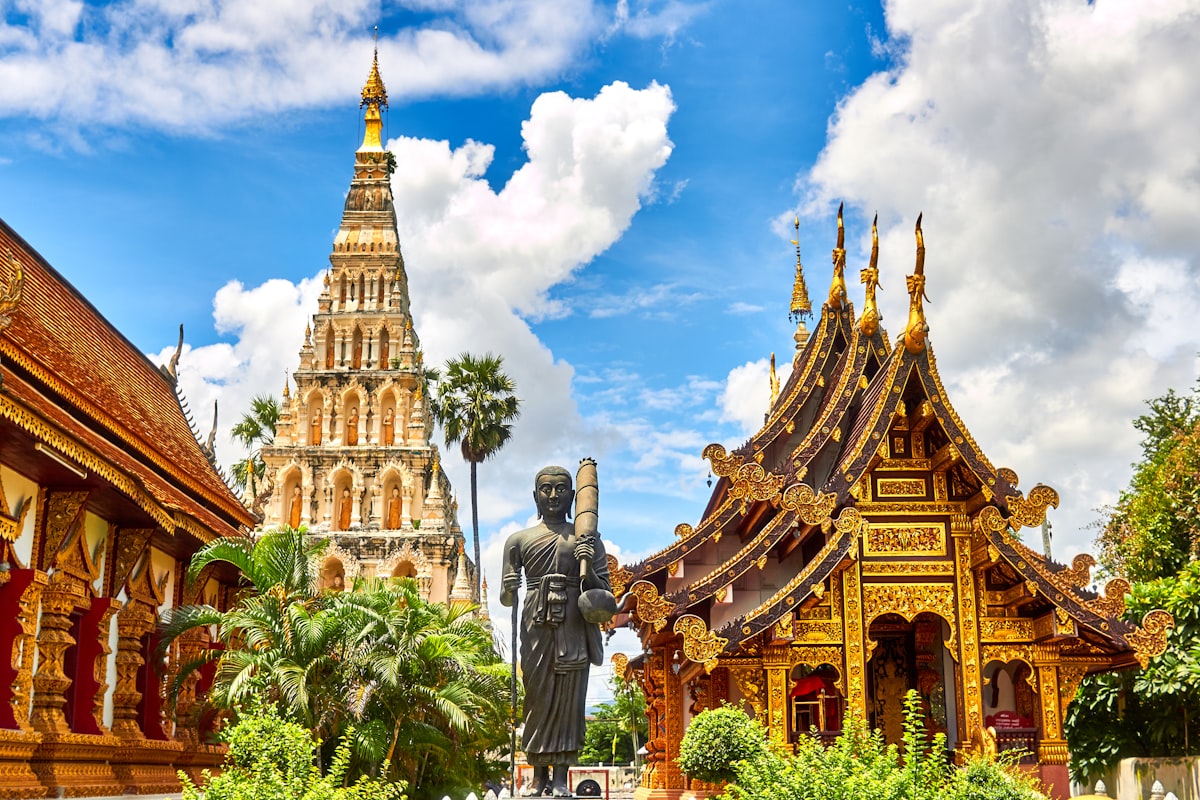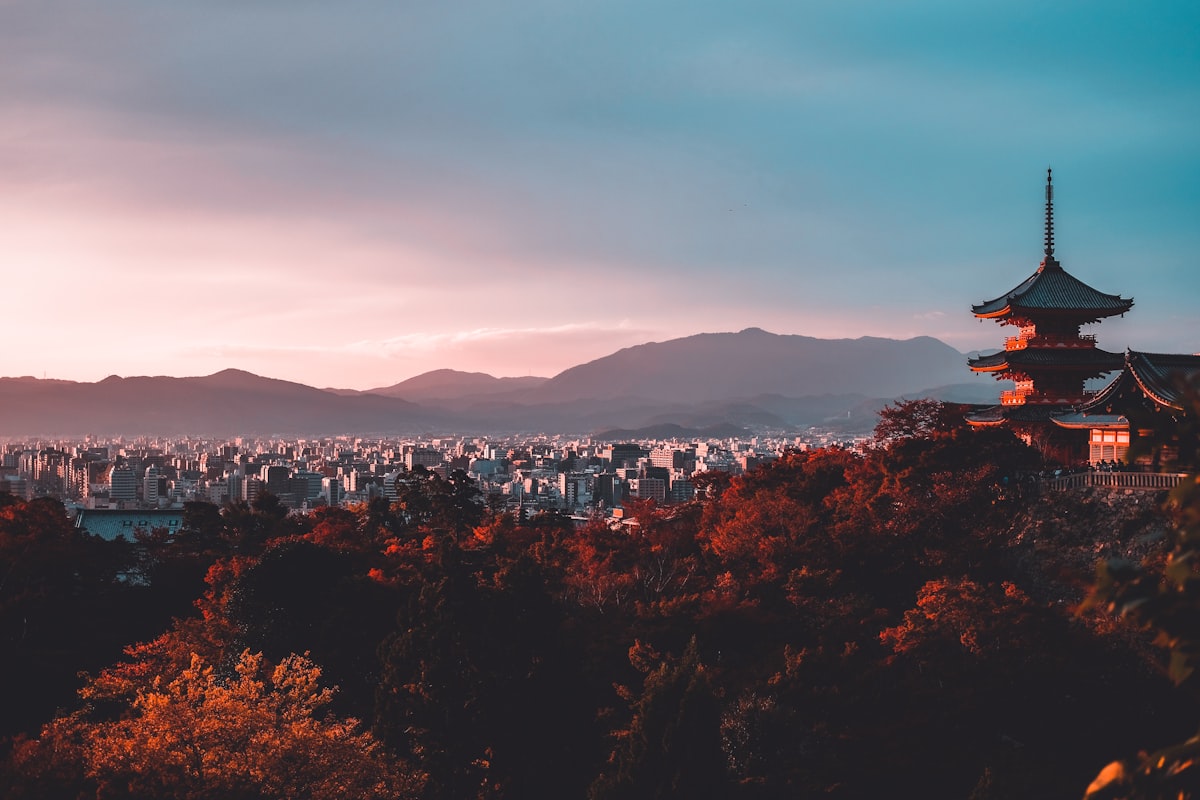
Yogyakarta—Jogja to most locals—is a student city with royal heritage and volcano day trips on the horizon. Coffee fuels thesis drafts, motorbike convoys to Borobudur and late-night street food on Malioboro. Roasteries here are often younger, louder and cheaper than Jakarta equivalents, with menus that change when new crops arrive from Java highlands and beyond.
A local roastery visit fits the city's rhythm: affordable, social, curious about origin but unwilling to pretend coffee is silent library culture.
Malioboro Proximity vs Campus Neighborhoods
Malioboro draws tourists and performers at night; nearby lanes hide cafes that serve students by day. Campus areas like Sleman side streets offer wider seating and longer hours tuned to study sessions rather than souvenir shopping.
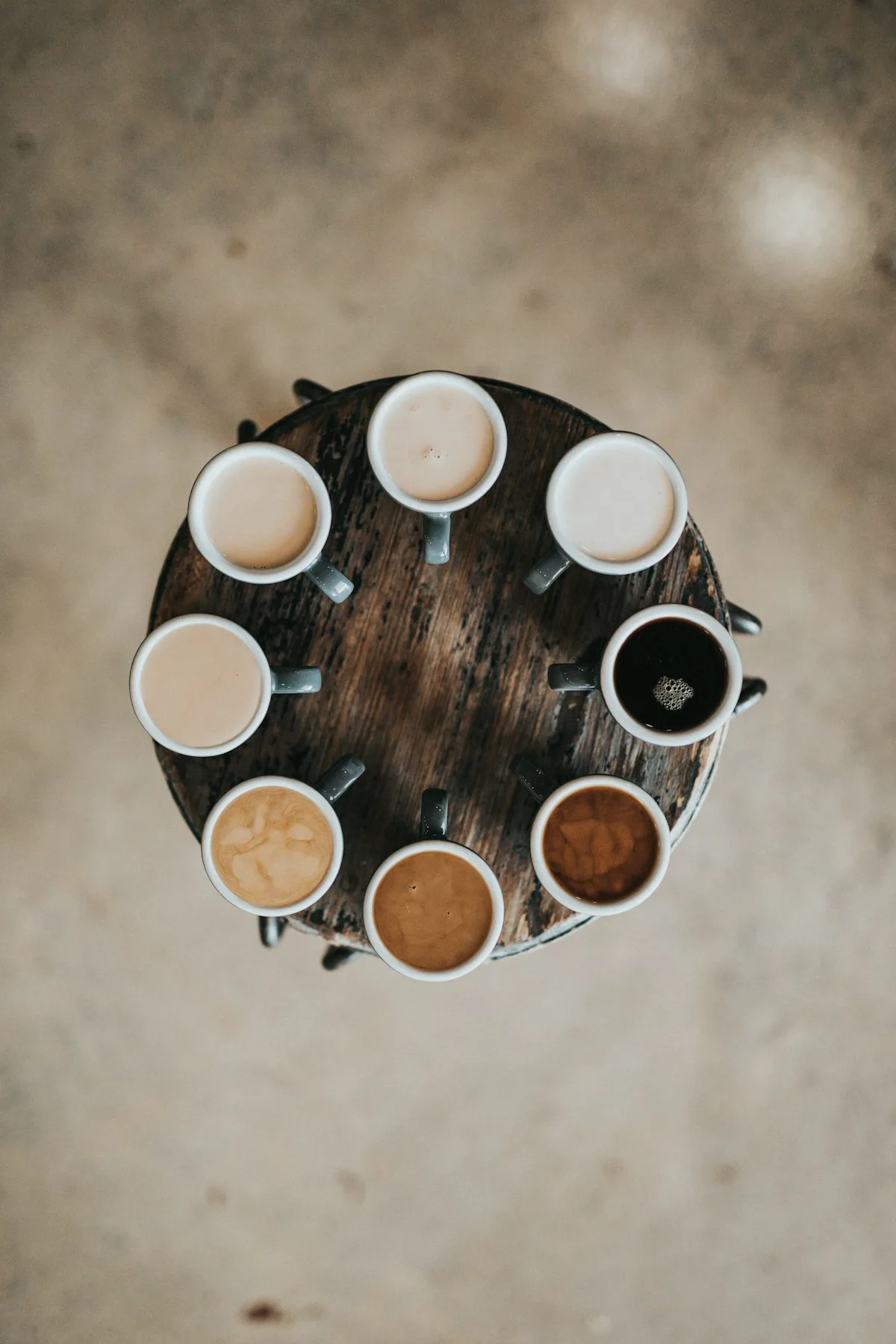
Pick based on whether you want people-watching or quieter tasting counters.
Java Beans at Home in Jogja
Java grows coffee; Jogja roasters feature it proudly when lots are good. East Java, Central Java and imports from Sumatra rotate on boards. Ask processing method; wet-hulled Sumatra beside washed Java makes an educational side-by-side if the shop is not rushed.
Sweet milk drinks sell well; black filter remains your best guide for retail purchases.
Before Borobudur Sunrise

Temple mornings start in darkness. Drink coffee the afternoon before, hydrate, and avoid discovering a new triple-shot roastery at 9 p.m. if you need sleep. Save exploration for return afternoons after prambanan or city museums.
Retail bags travel fine on trains to Bali if sealed; declare where required.
Links for Stays and Walks
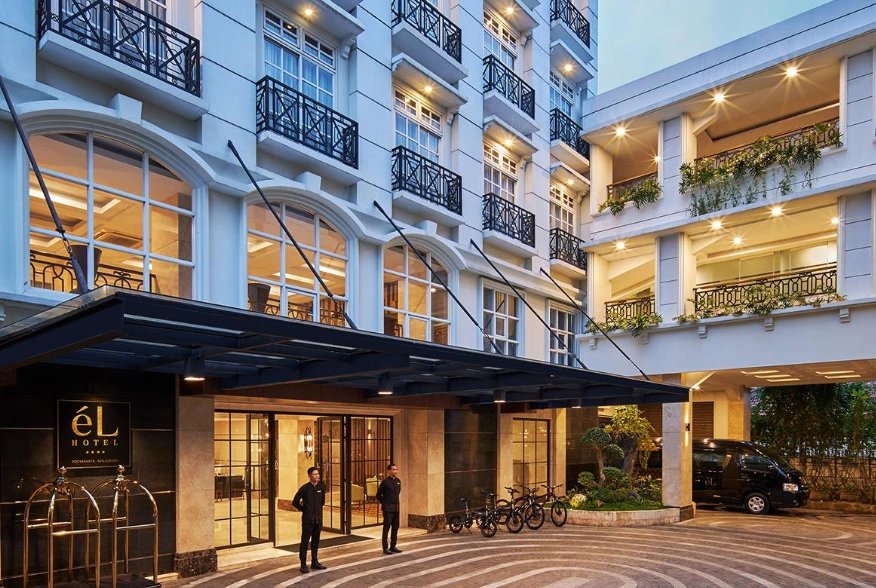
Hotels near Malioboro anchor classic first trips. The Yogyakarta hub covers ramayana ballet tickets, Merapi viewpoints and intercity trains. Coffee slots into rest hours between heavy cultural days.
Price and Value
Jogja specialty stays inexpensive by global standards. Low price does not mean low care; it reflects local wages and rent. Tip or reorder if you occupy tables through peak student rushes.
Art, Music and Cafe Overlap
Many roasteries double as small galleries or vinyl corners. Enjoy the mix, but remember you came for beans—verify roast dates before buying bags because of poster aesthetics alone.
Remote Work Notes
Wifi is common; power strips may be shared. Headphones are polite when students cram nearby. Roasteries welcome laptops more than quiet temples do; still avoid all-day monopolization of four-top tables during lunch peaks.
Ramadan and Friday Rhythms
Hours shift during fasting months; evenings come alive after break-fast. Plan tastings accordingly and respect prayer calls without treating them as photo props.
Who Should Explore
Budget travelers, culture-heavy itineraries, coffee enthusiasts comparing Java to Sumatra, and nomads using Jogja as a softer base than Jakarta. Short layovers heading to Bromo may skip deep retail.
Leave Jogja With Energy
One Java lot you can describe in plain language, one memory of students debating roast profiles over fried snacks, and a brew plan for home. Jogja sells learning speed; coffee here matches that—fast conversation, careful beans, prices that let you try twice.
Batik Shopping and Hand Strain
Batik shopping involves hours of browsing. Coffee breaks help, but carrying beans while browsing leads to crushed bags. Leave purchases at guesthouses before batik marathons or buy retail on departure day.
Ramadan evenings bring crowds to breaking-fast meals. Roasteries may shift hours; daytime tastings stay easier for visitors who are not fasting.
Train to Jakarta or Bandung
Long trains offer hot water sometimes, not grinders. Buy ground coffee only if you will consume it on the journey; otherwise carry whole beans sealed until home or your next stop with a grinder.
Kraton Rhythms and Student Crowds
Yogyakarta mixes university energy with slower batik-shopping afternoons. Roasteries near Malioboro see evening foot traffic; morning visits suit filter tastings before temple day trips. Indonesian beans often arrive from Sumatra and Java with chocolate-heavy profiles that milk drinks highlight well. If you ride to Borobudur pre-dawn, decide caffeine limits the night before; many travelers overpour at the counter and regret it on steep temple steps. Train journeys toward Jakarta need sealed whole beans; ground coffee goes stale fast in air-conditioned berths with repeated opening.
Student-heavy neighborhoods rotate seasonal pop-ups; ask which shop roasted this week rather than trusting old blog lists. Batik shopping days dehydrate you; pair tastings with water before you buy a full kilo bag. Malioboro evenings get loud; buy retail weight on a quiet morning when staff can weigh and seal without rushing the queue. Ask for a sample cup of the same lot before they grind a full bag; it saves regret on long train rides.
Prambanan Sunsets and Sleep
Prambanan sunset shows run late. If caffeine cuts your sleep, shift serious tastings to mornings before Borobudur or city palace walks. Batik workshops take hours; buy coffee after, not before, when your hands carry wax scent. Domestic flights to Jakarta are short but busy; buy retail before airport kiosks that sell only mainstream brands without roast dates.
Alun-Alun Night Lights
Malioboro and alun-alun night markets pull crowds after dark. If you want a quiet cupping conversation, book the counter for eight a.m., not eight p.m.
Ramadan Evenings
During Ramadan, some counters close before dusk. Plan retail purchases mid-morning when staff can weigh bags without breaking fast routines nearby.
Notes for Your Next Cup
Student-city menus rotate with academic calendars. Snapshot the chalkboard single origin that impressed you; Jogja shops change beans faster than printed menus update.