Prambanan Is About Shape, Shadow, and Late Light
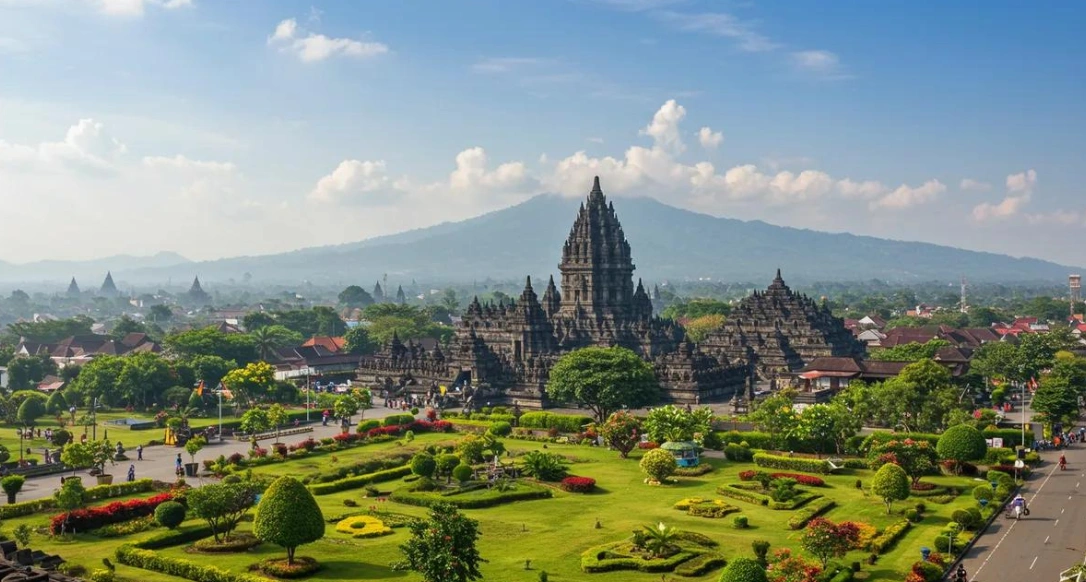
Prambanan feels different from Borobudur almost immediately. Borobudur spreads outward and upward in heavy layers. Prambanan rises sharply. The main towers point into the sky, the stone feels more vertical, and the whole complex has a theatrical quality that becomes much stronger in late afternoon.
That is why Prambanan is best treated as a light-based visit. You can go in the morning and still enjoy it, but the temple's drama really appears when the sun gets lower and the stone edges start to hold shadow. If Borobudur is a slow morning climb, Prambanan is a late-day stage.
The site is also easier to fit into a Yogyakarta itinerary. It is closer to the city than Borobudur, less demanding as a transfer, and a good option if you want a major temple experience without leaving before dawn.
Why Travelers Choose Prambanan Over Borobudur
Some travelers choose Prambanan because it is simpler. You do not need as early a start. The layout is open. The towers are immediately impressive. The visit feels less dependent on a perfect sunrise plan.
Others choose it because they prefer Hindu temple architecture, Ramayana stories, or dramatic silhouettes. Prambanan photographs beautifully from a distance, especially when clouds or golden light sit behind the towers.
The Best Time to Arrive
Late afternoon is the sweet spot. Arrive early enough to explore before sunset rather than rushing in at the last minute. You want time to walk the grounds, understand the main cluster, step away for wider views, and return when the light improves.
Morning is calmer and cooler, which can be better if you dislike heat or want fewer people in your photos. Midday is possible but less pleasant. The open areas can feel hot, and the stone looks flatter in harsh light.
How Long to Spend
Two to three hours is enough for most visitors. Add more time if you plan to stay for a performance or explore smaller temple areas nearby. Prambanan is not only the main cluster, but the main cluster is where most travelers spend their attention.
Do not rush straight to the tallest tower, take a photo, and leave. The site becomes more interesting when you step back and see how the towers relate to each other.
How to Walk the Site
Start with the main view from a distance. This gives you the shape of the complex. Then move closer and circle the main temples slowly. Look for carved panels, doorways, guardian figures, and the way the towers overlap.
After the close look, step away again. Prambanan is often more powerful from a little distance than from directly underneath. The towers need space around them. If you like photography, this second step-back is where the better images happen.
Photo Tips That Actually Help
Use the temple silhouette. Late afternoon side light makes the towers more dimensional. If the sky is dramatic, let it take up space in the frame. If the sky is plain, focus on stone texture, doorways, and layered towers.
Do not get stuck at the first obvious viewpoint. Walk the grounds and watch how the towers change shape as you move. Prambanan rewards small shifts in angle.
Should You Watch the Ramayana Ballet?
If the timing works, the Ramayana performance can turn Prambanan from a sightseeing stop into an evening experience. The open-air setting with the temple in the background is memorable when weather cooperates. It is not necessary for everyone, but it is worth considering if you enjoy performance, mythology, or cultural evenings that feel tied to place.
Check the current schedule, venue, and weather plan before committing. Performances may vary by season and date. If you attend, avoid overloading the day beforehand. Temple walking plus an evening show is already a full experience.
Borobudur and Prambanan in One Day
Yes, you can visit Borobudur Temple and Prambanan in one day. Many travelers do. But the day is long, and the two sites deserve different energy. Borobudur wants an early morning. Prambanan wants late light. The middle of the day should be for rest, food, and air-conditioning.
If you have two days, split them. You will get better light, better attention, and a less exhausted memory of both.
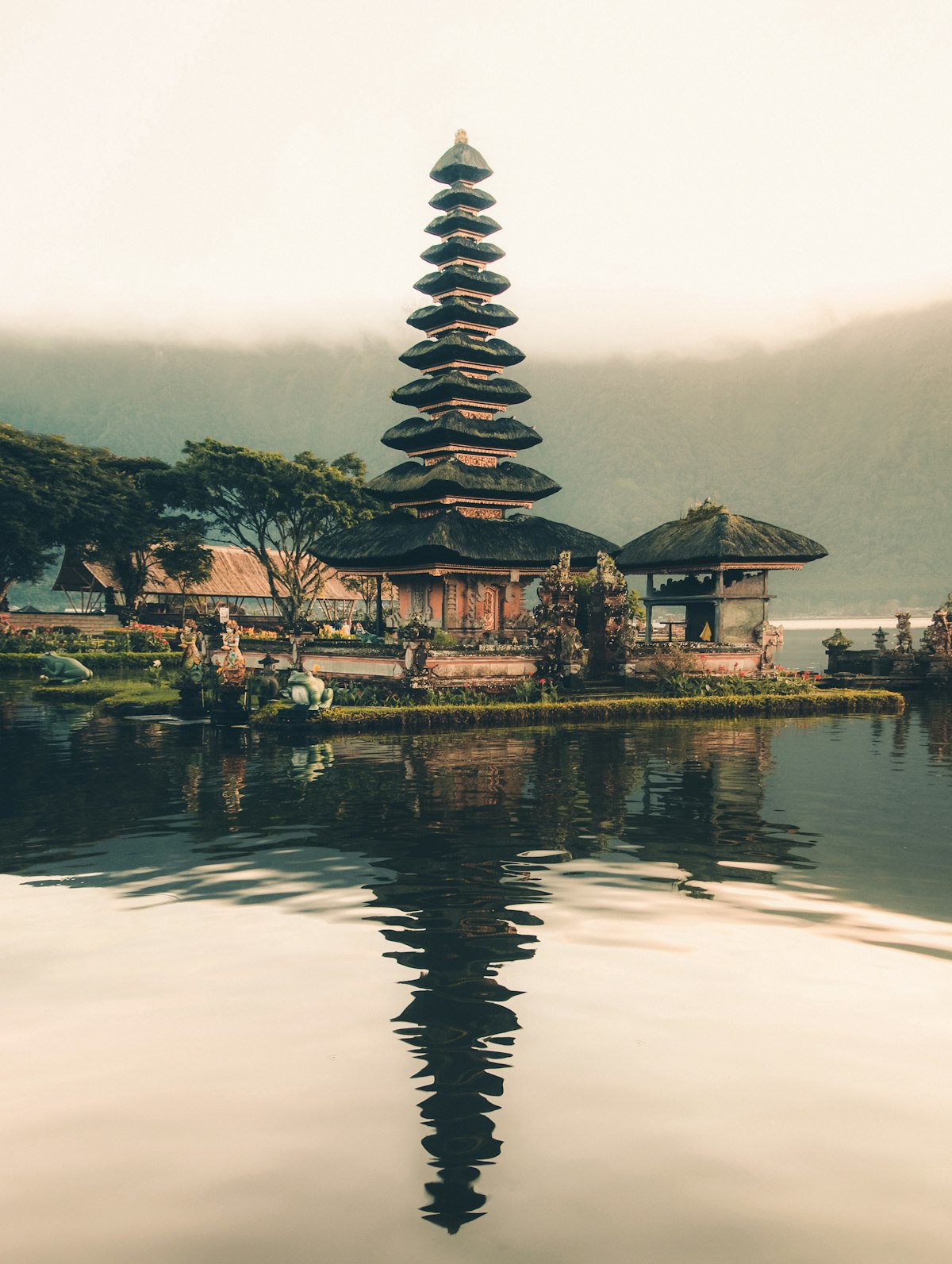
If you are continuing to Bali, compare Prambanan's temple drama with Uluwatu Temple. Prambanan is inland and architectural; Uluwatu is cliffside, windy, and tied to sunset performance in a completely different way.
What to Watch Out For
The biggest issue is heat. The second is assuming the visit is only about the main temple cluster. The third is arriving too late for sunset and then trying to rush photos with everyone else. Give yourself a buffer.
Wear comfortable shoes. Bring water. Check whether combined ticket options make sense if you are also visiting Borobudur or Ratu Boko. Ticket structures can change, so verify before you buy.
Ratu Boko, Sunset, and Whether to Extend the Day
Some travelers combine Prambanan with Ratu Boko, especially for sunset. This can be a good plan if you care about atmosphere more than checking off every temple detail. Ratu Boko is more about ruins, views, and open space than intricate temple towers. The combination can make the afternoon feel fuller and more scenic.
The downside is timing. If you spend too long at Prambanan, you may rush Ratu Boko. If you focus too much on sunset, you may shortchange Prambanan. Choose one priority. For most first-time visitors, Prambanan itself should be the main event.
Food, Rest, and the Evening Show
If you plan to watch the Ramayana performance, eat beforehand or confirm food options. A temple visit, sunset, and show can become a long stretch without a proper meal. Bring water and a light layer for the evening, especially if sitting outdoors.
The show is most rewarding when you understand it as part of a cultural evening, not as a mandatory add-on. If you are tired, skipping it is fine. If you have energy, it can make Prambanan feel less like a daytime attraction and more like a complete Yogyakarta memory.
How Prambanan Feels Compared with Borobudur
Prambanan is easier to admire quickly. The towers are immediately dramatic. Borobudur asks for slower movement and closer attention before it fully opens up. That difference matters for planning. If you are traveling with people who get tired of ruins quickly, Prambanan may be the more satisfying temple.
For photographers, Prambanan is also more forgiving. You can get strong images from the grounds without needing special access or a perfect viewpoint. Borobudur is more dependent on mood, access, and early light.
Who Should Choose Prambanan First?
Choose Prambanan first if you have limited time in Yogyakarta, prefer sunset over sunrise, or want a temple that is easier to reach. Choose Borobudur first if you want the most iconic cultural site in the region and are willing to organize the morning around it.
If you can do both, do both slowly. The mistake is not visiting both; the mistake is visiting both so fast that they blur together.
Practical Questions Visitors Usually Have
Is Prambanan good without a guide? Yes. The shape of the complex is immediately impressive, and you can enjoy the site visually without deep context. A guide helps if you want to understand the stories and temple layout, but it is not essential for a satisfying visit.
Is sunset crowded? It can be, especially in good weather. Arrive early enough that you are not fighting for position at the last minute. The best photos often happen before the official sunset moment, when the side light is warm but people have not fully clustered.
What if it rains? Tropical rain can change the plan quickly. Bring light rain protection in wet season and keep your evening flexible. Wet stone and dramatic skies can be beautiful, but outdoor performances and sunset plans become less predictable.
The Honest Mood Check
Prambanan is one of the easiest major sites in Java to enjoy because it gives visual reward quickly. It is dramatic even if you are tired. But it becomes much better when you give it time to shift from stone monument to late-afternoon atmosphere.
Do not leave the moment you think you have "seen it." Walk away, look back, and let the towers change shape against the sky. That second look is often better than the first.
If clouds gather, stay flexible. A flat gray sky can make the temple feel heavy, while broken clouds can make the towers look even more dramatic. Prambanan is not only a blue-sky attraction. It has enough shape to handle weather, which is one reason it works well as an afternoon plan.
If the sky is dull, focus your visit on carvings, doorways, and the layered temple forms instead of waiting only for a sunset color show.
Final Take
Prambanan is worth visiting, especially in late afternoon. It is dramatic, manageable, and easier to plan than Borobudur. Go for shape and shadow, not just a quick landmark photo, and leave room in the evening if the Ramayana performance interests you.