Borobudur Is a Morning Experience, Not Just a Temple Visit
Borobudur is worth the early start because the experience changes completely with light. Before the day becomes hot, the temple feels slower and heavier in the best way. You arrive from Yogyakarta through villages and open roads, step into the site with sleep still in your body, and watch the stone slowly gain texture as the morning brightens.
This is not a place I would treat as a quick stop. Borobudur sits outside Yogyakarta, and the transfer is part of the decision. If you go, give it a proper morning. The temple is too layered to enjoy while checking the time every five minutes.
What makes Borobudur special is not only that it is famous. It is the physical movement of the visit: walking around the terraces, passing relief panels, climbing gradually, and seeing the landscape open as you rise. Even if you do not know Buddhist architecture deeply, your body understands the structure. The site pulls you upward.
Is It Still Worth It with Visitor Controls?
Yes, but you need to plan. Borobudur is carefully managed because heavy foot traffic has affected the stone. Access to the temple structure can be limited by time slots, quotas, guide requirements, footwear rules, or separate ticket types. That means you should check current rules before going, especially if climbing the structure is important to you.
If you can only access the grounds, the visit can still be worthwhile, but it is a different experience. The closer temple route gives more detail and texture. The grounds-only view gives scale and atmosphere. Know what you are booking.
How to Decide Between Sunrise, Early Morning, and Regular Hours
The romantic idea is sunrise. The practical answer is: take the earliest good access you can realistically manage. Official sunrise access changes over time, and some "sunrise" experiences may happen from nearby hills rather than on the temple itself. Read the details before you pay.
Early morning is usually the safest recommendation. You get cooler air, softer light, and enough energy to actually look at the reliefs instead of just surviving the heat. Midday is the weakest option because the stone and open paths feel harsher. Afternoon can be beautiful but is riskier for storms and tiredness.
Transport from Yogyakarta
A private driver is the easiest option. You can leave early, store your things, continue to breakfast or another stop, and avoid solving transport while half awake. Shared tours can work if you like structure. Scooter is possible only if you are confident, alert, and comfortable with Indonesian roads before dawn.
The mistake is underestimating the return. After the temple, you may feel hungry, hot, and ready to sit down. Build breakfast or coffee into the plan rather than rushing straight into another major site.
What to Notice Once You Are There
Do not run straight to the top. Borobudur is built to be experienced gradually. The lower levels have narrative reliefs that reward slow looking. Some panels are worn, some are crisp, and some details only appear when the light hits from the side. If you pass too quickly, the temple becomes just a silhouette.
As you climb, the mood changes. The corridors feel enclosed, then the upper terraces open into stupas and sky. That release is the emotional center of the visit. It is also why crowds can feel frustrating: everyone wants the same open, quiet moment. Be patient. Let groups pass. A calm five minutes is better than thirty rushed photos.
Best Photo Strategy
The classic image is a stupa with hills or volcano shapes behind it. It is beautiful, but everyone wants it. Take the obvious photo, then look for smaller frames: stone texture, hands on railings, morning haze behind a terrace, a line of stupas fading into light.
If you want photos without people, arrive early and move slowly but decisively. If you cannot avoid people, use them for scale. Borobudur is massive; a few figures can make the place feel more alive.
Should You Combine Borobudur and Prambanan?
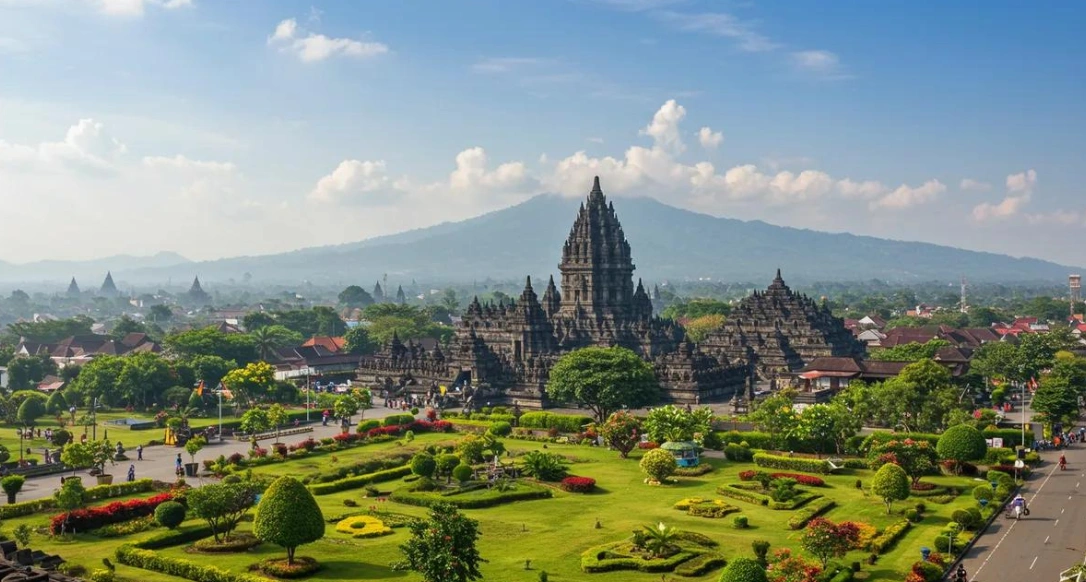
You can combine Borobudur and Prambanan Temple in one day, but it becomes a long temple day. The sites sit in different directions from Yogyakarta, so the route is possible but not graceful. It works best with a driver and a clear plan: Borobudur early, rest and lunch, Prambanan late afternoon.
For a slower trip, split them. Borobudur deserves a morning. Prambanan deserves late afternoon or sunset light. You will remember both more clearly if you do not treat them as a temple marathon.
If your Indonesia trip continues east, Borobudur also makes an interesting contrast with Flores' Kelimutu Crater Lakes. Borobudur is human-made order. Kelimutu is volcanic uncertainty. Both are early-morning experiences, but they leave very different impressions.
Who Might Not Love Borobudur?
Travelers who dislike managed sites may find the rules tiring. People expecting a quiet hidden temple may feel the fame too strongly. And if your schedule is very tight, the transfer from Yogyakarta can feel like a lot for one attraction.
But if you enjoy cultural landscapes and can give the morning enough space, Borobudur is still one of Indonesia's strongest travel experiences. The key is to plan around reality: crowds, ticket rules, heat, and distance.
Where to Stay and How to Structure the Night Before
Most travelers stay in Yogyakarta and visit Borobudur as a morning trip. That is convenient because Yogyakarta has better food, hotels, cafes, and evening life. The tradeoff is the early transfer. If you want the calmest possible morning, staying closer to Borobudur can make sense, but it changes the rest of your trip.
If you stay in Yogyakarta, make the night before boring. Eat early, confirm pickup time, charge your phone, pack water, and sleep. Borobudur is not the best morning after a late Malioboro wander or a long travel day. The temple rewards clear eyes.
What to Eat and Bring
Do not arrive hungry if you get irritable without breakfast. Some tours include a stop, some do not, and food timing can be awkward. Bring a small snack, water, sunscreen, a hat, and shoes that are easy to walk in. If you are visiting during wet season, pack light rain protection.
Clothing should be comfortable and respectful. You will be walking in a sacred heritage site under strong sun. This is not the place for uncomfortable shoes or clothes chosen only for photos.
How Borobudur Feels Different Before and After the Crowd Arrives
Early on, the temple feels more spacious. You hear guides speaking softly, birds in the trees, and the low murmur of people still waking up. Later, the rhythm changes. Groups move faster, photo spots become crowded, and the sun makes everyone less patient.
That does not mean a later visit is ruined. It means your strategy changes. Move away from the densest viewpoints, spend more time with relief details, and accept people in your photos. A famous place full of people is still a famous place worth seeing.
What I Would Do With Only One Morning
If I had one morning, I would not combine Borobudur with too many extras. I would leave Yogyakarta early, focus fully on the temple, have a slow breakfast afterward, then return to the city for rest. If energy remained, I would add a gentle afternoon, not another major attraction.
Borobudur is best when it becomes the memory of the morning, not one item buried inside a frantic day.
Practical Questions Visitors Usually Have
Is Borobudur still worth it if you cannot climb the temple structure? Usually yes, but it depends on your expectations. The grounds still give you scale and atmosphere, while structure access gives you detail and physical movement through the levels. If climbing is important to you, confirm the ticket type carefully.
Should you hire a guide? If you are interested in the reliefs and symbolism, yes. A guide can help the temple feel less like a pile of impressive stone and more like a story. If you prefer quiet wandering, go slower and read what you can before visiting.
Is it good for children? It can be, but heat and early starts matter. Keep the visit shorter, bring snacks, and avoid expecting kids to care about every panel.
The Honest Mood Check
Borobudur is famous enough to attract crowds and rules, but it is still powerful. The trick is not chasing an empty mystical moment. The trick is finding your own slow rhythm inside a place many people have come to see.
If the morning is not perfect, keep looking. A side corridor, a carved face, a stupa partly blocked by mist, or a quiet minute after a group moves on can become the memory you carry.
Final Take
Borobudur is worth it, but only if you do it properly. Go early, understand your ticket, avoid overloading the rest of the day, and slow down once inside. The temple is not just something to see. It is something to move through.