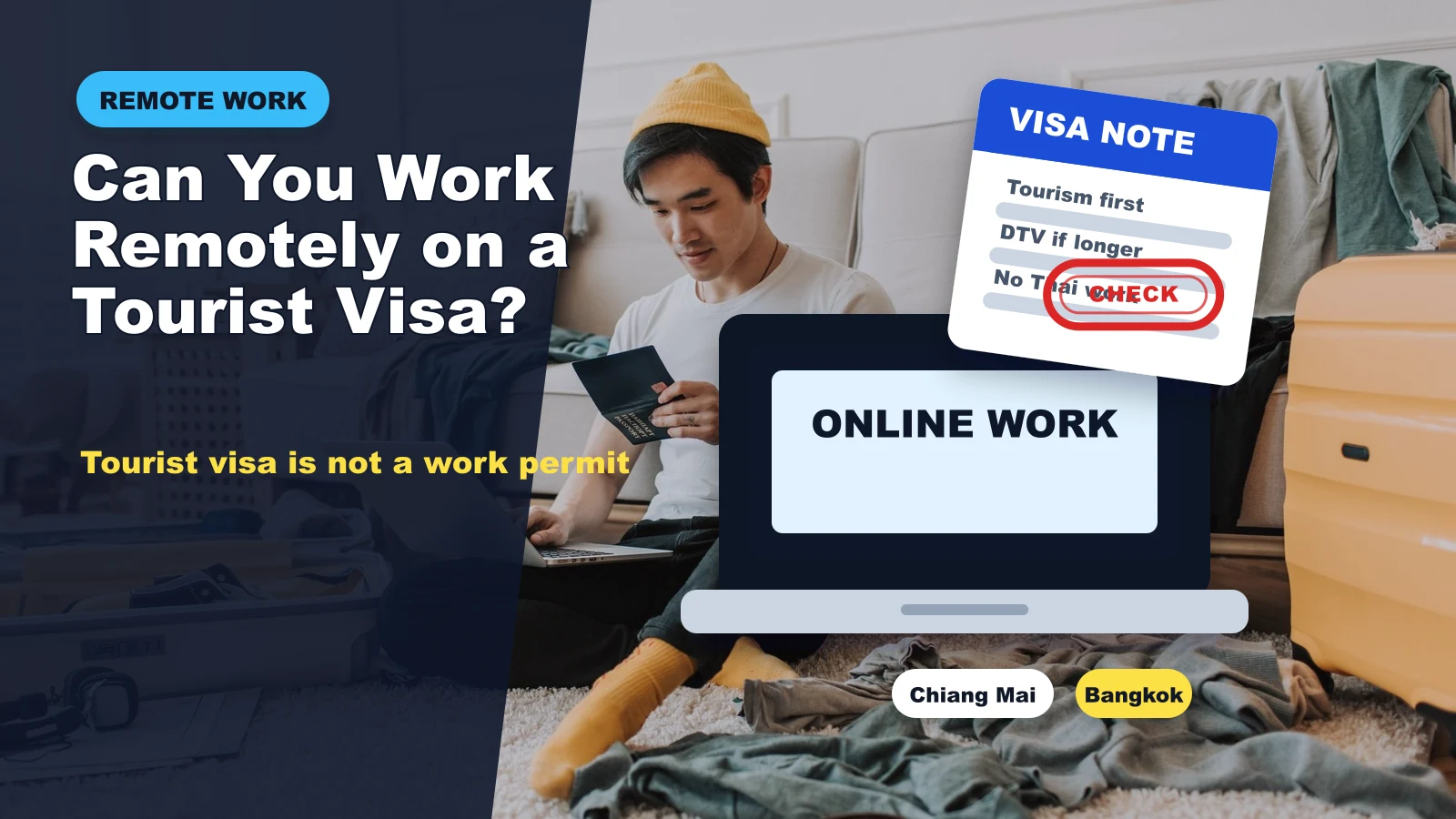
Digital nomad visas sound like a dream on paper: live somewhere beautiful, keep your remote job, and stop worrying about short tourist stays.
The reality is more practical. Some programs are excellent. Some are expensive. Some look easy until you start gathering bank statements, insurance, tax documents, and apostilled certificates.
The best digital nomad visa is not always the most famous one. It is the one that fits your income, passport, work style, tax comfort, climate preference, and patience for paperwork.
This 2026 guide compares ten strong countries for digital nomads, with an emphasis on what the visa feels like in real life, not just what the official page says.
What Is a Digital Nomad Visa?
A digital nomad visa is a residence or long-stay permission for people who work remotely for income outside the country they are living in.
Most programs are designed for:
- remote employees
- freelancers
- consultants
- founders
- online business owners
- creators with foreign income
That does not usually mean you can take a local job. If you move to Spain on a remote work visa, for example, the visa is not meant for taking a full-time local hospitality job. The same logic applies in most countries.
Digital nomad visas usually ask for:
- proof of income
- remote work contract or client evidence
- health insurance
- clean criminal record
- valid passport
- accommodation or address details
- application fee
How We Chose These Countries
This list is not only about the visa form.
I looked at the whole experience a remote worker actually cares about:
- visa length
- income requirement
- application difficulty
- internet quality
- cost of living
- coworking culture
- safety
- healthcare
- weather
- tax complexity
- quality of daily life
10 Best Digital Nomad Visa Countries
1. Spain
Spain is one of the strongest choices for remote workers who want Europe without giving up lifestyle.
The digital nomad visa is especially attractive for people who want city life, good food, public transport, and access to the Schengen Area. Valencia, Madrid, Barcelona, Malaga, and the Canary Islands all attract different types of nomads.
Best for: remote workers who want Europe, culture, and long-term stability.
Watch out for: tax planning, appointment availability, and document legalization.
2. Portugal
Portugal remains popular because it balances lifestyle and access. Lisbon has become expensive, but Porto, Braga, Madeira, and smaller towns still attract remote workers.
Portugal's digital nomad route is best for people who want a European base and are comfortable preparing financial documents carefully.
Best for: freelancers and remote employees who want a softer landing in Europe.
Watch out for: housing costs in popular areas and changing tax rules.
3. Thailand
Thailand's Destination Thailand Visa made the country far more interesting for remote workers.
Thailand already had the lifestyle: fast internet, cafes, coworking spaces, affordable food, beaches, and cities like Bangkok and Chiang Mai. The visa side was the missing piece for many long-stay nomads.
Best for: Asia-based remote workers, creatives, and people who want comfort without European costs.
Watch out for: making sure your activity fits the correct visa category.
4. Malaysia
Malaysia's DE Rantau Pass is one of Southeast Asia's clearer digital nomad programs.
Kuala Lumpur is practical, Penang is slower, and the country is easy to live in if you want English-friendly daily life, good food, and reliable infrastructure.
Best for: remote workers who want structure, affordability, and modern city life.
Watch out for: processing timelines and document presentation.
5. Estonia
Estonia was one of the early digital nomad visa leaders, and it still appeals to people who like efficient systems and a tech-forward environment.
Tallinn is not the cheapest option on this list, and winter is serious, but the country works well for remote workers who value order, safety, and digital services.
Best for: tech workers, founders, and people comfortable with northern Europe.
Watch out for: climate and cost compared with Southeast Asia.
6. Croatia
Croatia offers a strong mix of coast, culture, and European living without feeling as intense as the biggest Western European hubs.
Split, Zagreb, Zadar, and Dubrovnik all offer different rhythms. The visa has been popular with people who want a slower European base.
Best for: remote workers who want the Mediterranean lifestyle with a calmer pace.
Watch out for: seasonal rent spikes on the coast.
7. Greece
Greece has the weather, islands, food, and scenery that many remote workers imagine when they picture a softer life.
Athens is practical, while island life can be beautiful but more complicated outside peak season. Internet can vary by location, so remote workers should choose housing carefully.
Best for: warm-weather nomads who want Europe and do not mind some bureaucracy.
Watch out for: paperwork and local service quality outside major areas.
8. Malta
Malta is small, English-speaking, and easy to navigate. That makes it attractive for remote workers who want a European base without a language barrier.
It is not the cheapest country in Europe, and the island can feel compact after a while. But for people who want sun, English, and EU-adjacent convenience, it can work well.
Best for: remote workers who value English-speaking daily life.
Watch out for: rent, island size, and summer crowds.
9. Costa Rica
Costa Rica is ideal for people who want nature, beaches, surf towns, and a slower lifestyle.
It is not the cheapest option in Latin America, but the quality of life can be excellent if you choose the right base.
Best for: nature-first remote workers and people who want time zones closer to North America.
Watch out for: high costs in popular beach towns.
10. Mexico
Mexico's temporary resident route is not always branded as a digital nomad visa, but it is one of the most useful long-stay options for remote workers.
Mexico City, Oaxaca, Playa del Carmen, Merida, and Guadalajara all offer different lifestyles. The country is especially convenient for North American remote workers.
Best for: remote workers who want food, culture, time-zone convenience, and flexible long stays.
Watch out for: consulate-by-consulate requirements and safety by neighborhood.
Comparison Table
| Country | Best for | Lifestyle strength | Main challenge |
|---|---|---|---|
| Spain | Europe base | Culture, transport, cities | Taxes and paperwork |
| Portugal | Soft Europe landing | Weather, community | Housing costs |
| Thailand | Asia lifestyle | Value, food, coworking | Choosing the right visa |
| Malaysia | Practical city base | Infrastructure, English | Processing timeline |
| Estonia | Tech workers | Digital systems, safety | Winter and cost |
| Croatia | Coastal Europe | Mediterranean pace | Seasonal rent |
| Greece | Warm Europe | Islands, food, climate | Bureaucracy |
| Malta | English-speaking Europe | Convenience, sun | Rent and size |
| Costa Rica | Nature and surf | Outdoor lifestyle | Cost in tourist zones |
| Mexico | North America time zones | Culture, food, access | Local safety variation |
Which Country Is Right for You?
Choose Spain or Portugal if you want Europe and can handle paperwork.
Choose Thailand or Malaysia if you want Southeast Asia, good value, and a comfortable daily routine.
Choose Estonia if you like efficient systems and do not mind winter.
Choose Croatia or Greece if your dream is Mediterranean living with a slower pace.
Choose Malta if English-speaking daily life matters.
Choose Costa Rica if nature is the main reason you travel.
Choose Mexico if time zones, food, and culture matter more than a formal "digital nomad" label.
Final Thoughts
Digital nomad visas are useful, but they are not magic.
The best country is the one where your income, documents, lifestyle, and legal comfort all fit together. A visa with a low fee may still be wrong if rent is high. A glamorous country may feel exhausting if the tax rules are unclear.
Start with your real life: work hours, budget, health needs, climate, and how long you actually want to stay. Then choose the visa that supports that life, instead of choosing the country that looks best on Instagram.