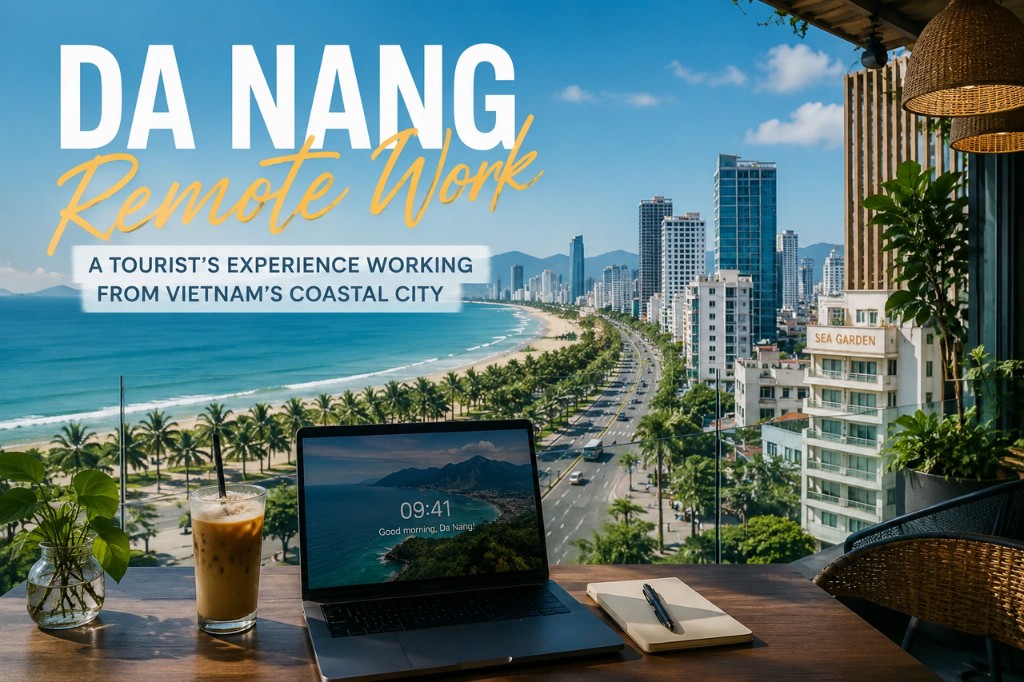
Working remotely from a new country always feels like a mix of productivity and holiday life. In reality, it sits somewhere in between—especially in a place like Da Nang, where beaches, cafés, and a growing digital nomad ecosystem naturally blend into daily work.
I didn't arrive with a strict plan. The goal was simple: change environment, keep working, and see how productivity survives in a coastal city.
What followed was a routine shaped by sunlight, coffee, occasional Wi-Fi testing, and a surprisingly stable remote work lifestyle.
First Impressions of Da Nang
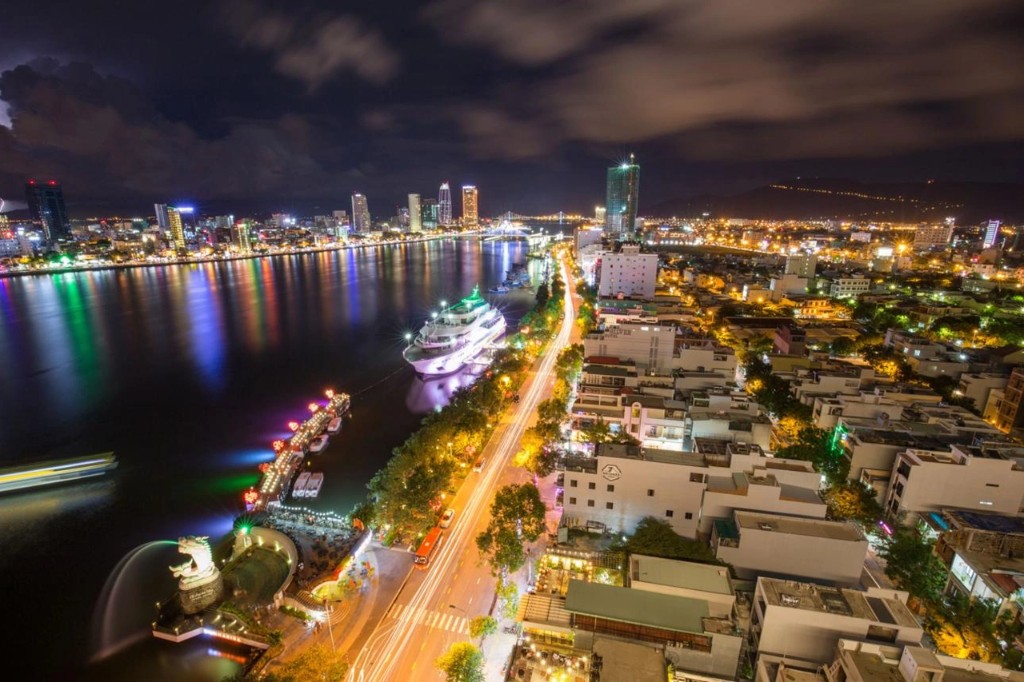
Da Nang feels different from typical Southeast Asian hubs.
It is:
- Clean and organized
- Less chaotic than major capitals
- Easy to navigate
- Naturally slow-paced
The city already feels adapted to remote workers. Cafés allow long stays, and coworking spaces are now part of normal urban life rather than "foreign-only" spaces.

Remote Work Setup & Internet Reality
Internet Stability
Most areas in Da Nang offer:
- Fiber internet in apartments
- Stable café Wi-Fi
- Good mobile data coverage
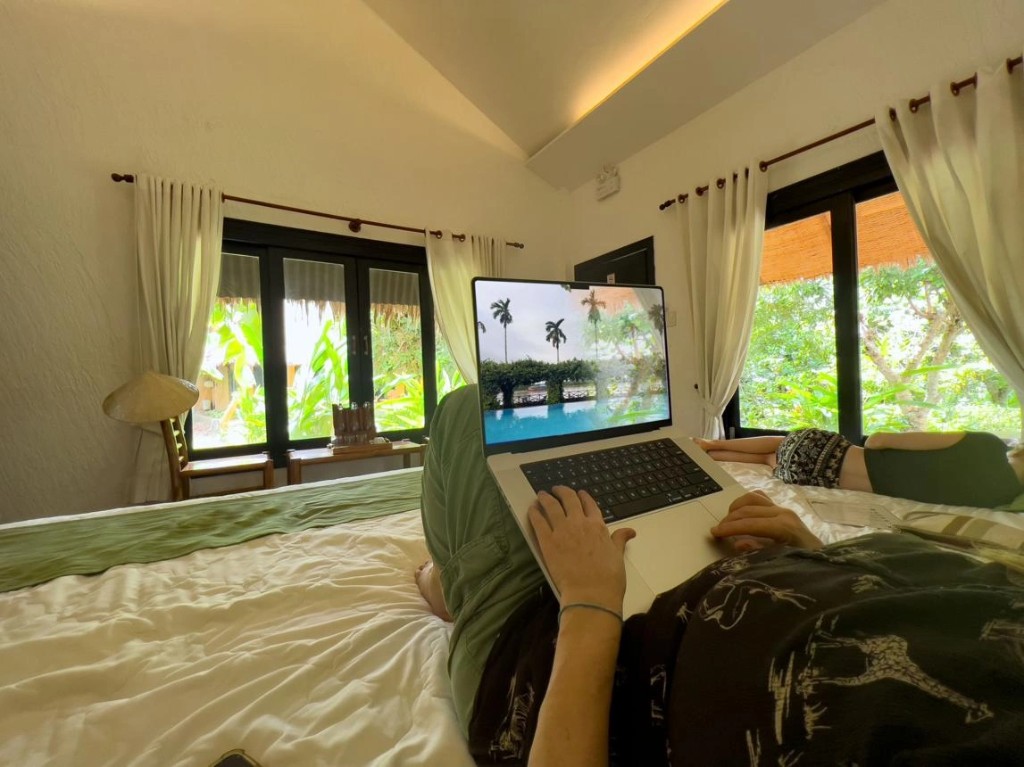
Practical Setup Experience
- Cafés → best for casual work + focus mix
- Apartments → best for deep work
- Coworking → best for structured productivity
Cost of Living Breakdown
Da Nang is affordable, but not "ultra-cheap" if you want comfort.
Typical monthly range (see Da Nang monthly budget):
- ~$800–$1,200 for most digital nomads
- Accommodation (biggest variable)
- Food (cheap local + café lifestyle mix)
- Coworking spaces (optional)
- Transport (Grab / scooter rentals)
The real value is not price—it's lifestyle efficiency.
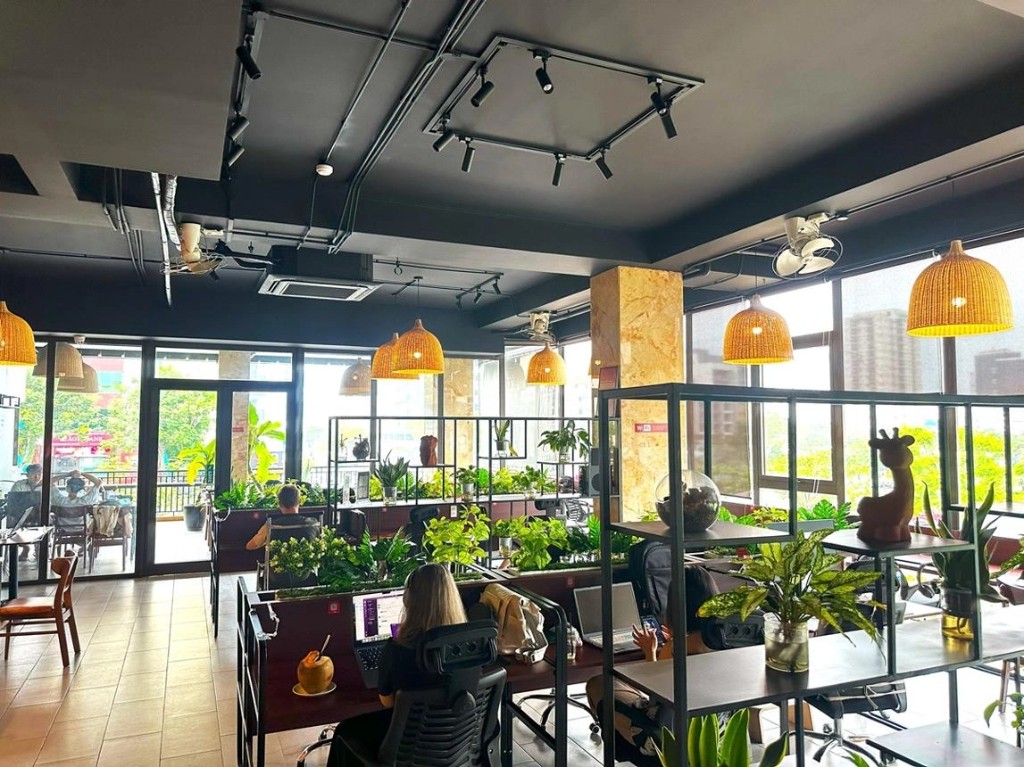
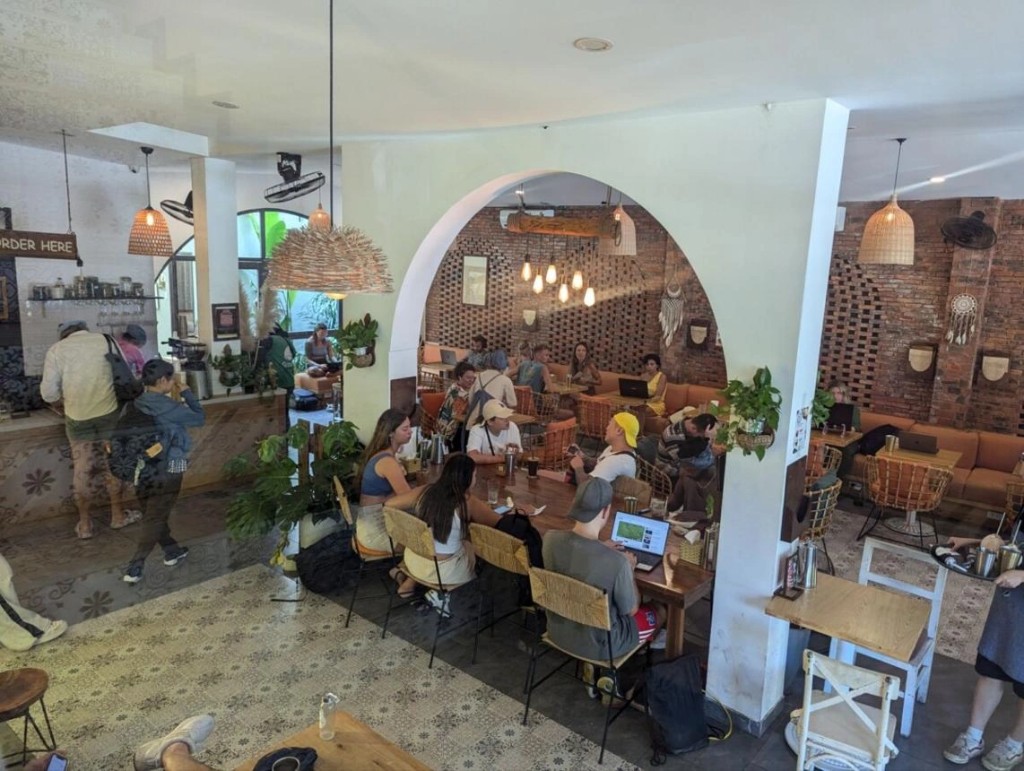
Cafés & Coworking Culture
This is one of Da Nang's strongest remote work advantages.
Cafés
- Laptop-friendly environment
- No pressure to leave
- Strong coffee culture
- Good for long work sessions
Coworking Spaces
As noted in digital nomad guides, many spaces now offer:
- Ocean or city views
- Community events
- 24/7 access options
- Comfortable long-hour setups
Neighborhood Differences Matter
Where you stay changes your entire experience.
Beachside Areas
- Social and active
- Higher cost
- Close to cafés and coworking spaces
Quiet Local Areas (e.g., Son Tra side)
- More residential
- Cheaper rent
- Slower lifestyle
Central Areas
- Balanced option
- Depends heavily on building quality
Social & Digital Nomad Scene
Da Nang has a small but active nomad community.
You will find:
- Weekly meetups
- Coworking events
- Fitness / café groups
- Casual networking through shared spaces
Some coworking spaces even actively design community events to reduce isolation among remote workers.
Weather & Lifestyle Reality
This is one of the most underestimated parts.
Da Nang climate includes:
- Hot and humid conditions most of the year
- Rainy seasons with heavy showers
- Occasional storms/typhoons
- Some days are indoor-only work days
- Outdoor café plans depend on weather
- Routine flexibility becomes essential
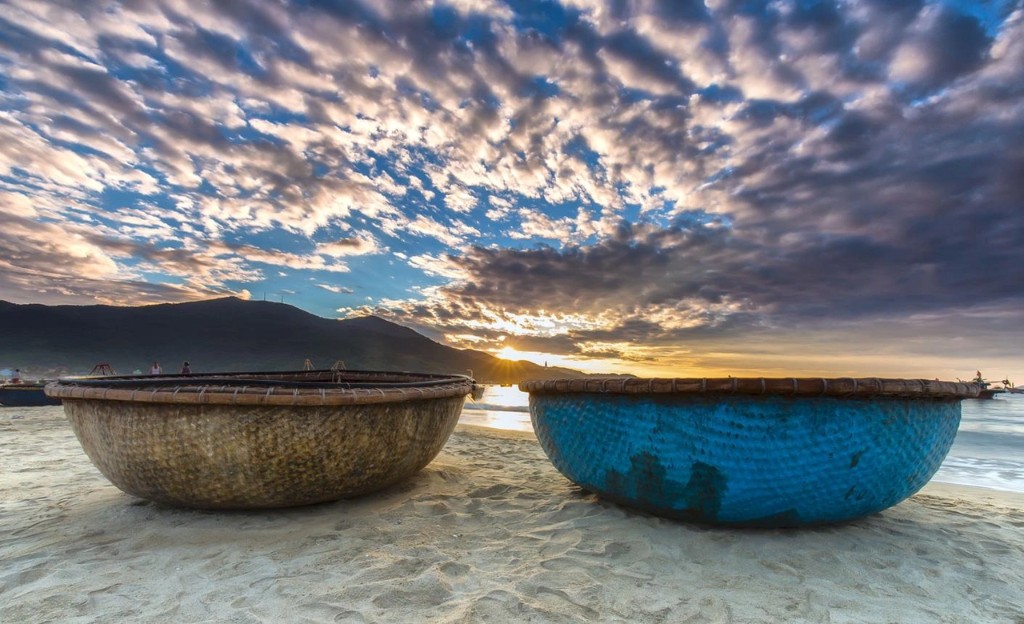
Beach Lifestyle & Mental Reset
One of the strongest advantages is proximity to the beach.
After long work sessions:
- A short walk by the sea resets focus
- Mental fatigue reduces quickly
- Work-life separation becomes natural
Why Da Nang Works for Remote Workers
Based on both experience and digital nomad insights, Da Nang works because:
- Daily life is low-friction
- Infrastructure is stable enough
- Workspaces are widely available
- Nature is always nearby
- Cost-performance balance is strong
Limitations You Only Notice Later
After a few weeks, some challenges become clear:
- Weather can limit mobility
- Social scene is smaller than major hubs
- Routine can feel repetitive
- Self-discipline is necessary to avoid "holiday mode"
Final Thoughts
Da Nang doesn't try to overwhelm you.
It doesn't compete with your work. It supports it quietly.
You work in cafés, rest by the beach, move between spaces, and slowly build a rhythm that feels both productive and calm.
It is not about intensity or excitement.
It is about balance—between work, travel, and everyday life.