
An Old Town kopitiam is one of the clearest ways to understand Ipoh. The room may be old, tiled and noisy, with ceiling fans, marble tables and a menu built around coffee, toast and eggs. It is not a themed heritage cafe. It is a working breakfast shop where customers often know what they want before they sit down.
That everyday quality is the reason to visit. The experience can be simple and memorable if you arrive at a useful hour, order the basic dishes and understand that the table is not yours for the whole morning. A kopitiam is social, efficient and deeply local. Treat it with that context and you will enjoy it more than a rushed photo stop.
What a Kopitiam Is
The word combines coffee and shop, but the format varies. Some places are traditional coffee houses with a short food menu. Others operate beside noodle stalls, toast counters or independent vendors under the same roof. You may order from one counter and pay another. A server might bring the drinks while a separate stall prepares the food.
The best-known Ipoh drink is white coffee. The beans are typically roasted with margarine or palm oil, which gives the brew a smoother, caramel-like flavor. It can be served hot or iced, with condensed milk or without. Kopi o is black coffee and often less sweet than the standard milk version. Ask for less sugar if you prefer a clearer taste.
Toast with kaya, butter or both is a classic companion. Soft-boiled eggs arrive with soy sauce and white pepper, which you mix into the bowl before eating. Noodles, curry, rice and snacks may also be available. The white coffee trail explains how to compare several styles without drinking too much caffeine.
How to Order
Start with one hot white coffee and one order of toast. If you are sharing, add a second drink rather than ordering four cups at once. The hot version usually shows the roast more clearly, while the iced version is easier later in the day. Ask whether the default includes condensed milk before customizing the sweetness.
For eggs, confirm how many you want and whether they are included with the toast set. If a separate stall is handling noodles, order there and give a table number or wait for the food to arrive. Payment methods differ: some shops accept QR payment, while others prefer cash. Keep small notes available.
Pointing at a nearby table is acceptable when language is a barrier. A short request for the same dish is easier than translating the whole menu. Be patient during the breakfast rush. Staff are moving quickly, and a direct answer is usually efficiency rather than rudeness.
Best Time to Visit
The early breakfast period is the most authentic and the busiest. Office workers, families and regulars move through quickly before the day heats up. Arrive soon after opening if you want a wider choice of food and a calmer room. By mid-morning, some popular items may be sold out and the shop may be preparing to close.
Many traditional kopitiams shut in the afternoon or operate a shorter schedule than modern cafes. Check current hours before making a special trip. Do not rely on an old listing or a map pin alone. If one shop is closed, walk to another in the same area rather than crossing the city for a copied recommendation.
Weekends can be lively, but some regular shops keep normal working hours and are less affected by tourism. Use Old Town Ipoh as your starting area and combine breakfast with a short heritage walk. The heritage walk guide gives you a route that can begin before the streets become crowded.
Table Sharing and Local Rhythm
Sharing a table is normal in a busy kopitiam. Ask with a gesture if you are unsure, then take only the space you need. Keep bags off empty chairs when the room is full. When you finish, pay and leave rather than continuing a meeting at the table.
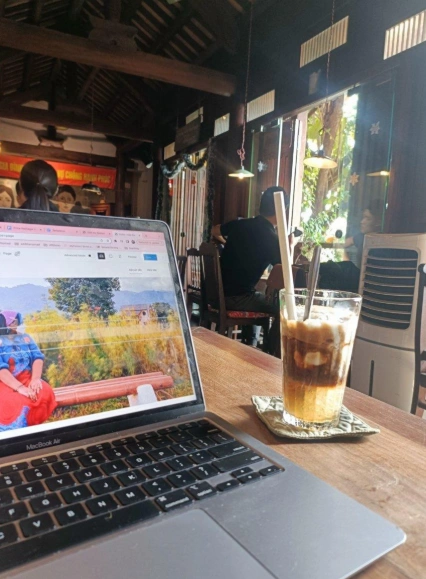
This is not the best place for a long laptop session. The seating is for meals, the turnover is fast and power outlets may not exist. Use a modern cafe if you need to work. Pairing a kopitiam breakfast with a later cafe session respects both kinds of business and gives you a more comfortable place to open a computer.
Photographs are fine when they do not disrupt service. Avoid using a large camera in a narrow aisle, do not photograph staff without permission and keep flashes off. A short video of the room may capture the atmosphere, but the food and coffee are better reasons to be there.
What to Pair with Breakfast
After eating, walk through the old commercial streets and look at the shophouse facades above the ground-floor signs. The Concubine Lane guide explains one nearby area, while the street art guide helps you find painted walls without turning the morning into a checklist.
If you are still hungry, try one local noodle or rice dish at a separate stall instead of ordering a second full breakfast. Ipoh rewards small portions across several stops. Save the bigger meal for lunch and keep the afternoon flexible.
For a different coffee experience, continue to a specialty cafe later in the day. The local roastery guide explains how to compare beans and brewing. The contrast makes both visits more interesting: the kopitiam shows tradition and routine, while the modern cafe shows how coffee is being interpreted now.
Coffee Vocabulary for Kopitiam
Ordering is easier with a few words. Kopi means coffee with condensed milk by default. Kopi o drops the milk and keeps it black. Kopi peng is iced, and kopi o peng is iced and black. Adding kosong asks for no sugar, which is worth knowing because the standard cup is sweet.
Tea follows the same pattern. Teh is tea with condensed milk, teh o is plain, teh peng is iced, and teh tarik is poured to create a frothy top. If you want evaporated milk instead of condensed, ask for kopi c, which is milkier and less sweet. If your pronunciation is not perfect, the shop has heard worse. Point at the menu or at someone else's cup and ask what it is, then repeat the word you were told. Most kopitiams also serve barley, herbal drinks and fresh juice, so nobody in the group has to drink coffee.
Breakfast Combinations Locals Order
The classic Ipoh breakfast is a set of small things rather than one large plate. A cup of coffee, two soft-boiled eggs with white pepper and dark soy sauce, and toast with kaya and butter is the standard formula. The eggs go into a small bowl, get seasoned at the table and are eaten with a spoon.
Kaya toast can come toasted or steamed. The toasted version is crisp and common, the steamed version is softer and slightly sweeter, and ordering one of each is a reasonable way to compare them on a first visit. If you want something more substantial, add a bowl of noodles, a plate of curry or a local rice dish. Portions are modest, so two light items are normal. Order as you go rather than committing to everything at the start, and pay attention to how the room orders. Copying the table next to you is a reliable strategy.
A Respectful Visit
The appeal of an Old Town kopitiam is not that it has been preserved for visitors. It is that people still use it. Order the local basics, keep the visit reasonably short during peak hours, share space with patience and leave a clean table. That is enough to enjoy the experience without treating the room as a museum.
Use the Ipoh travel guide to fit breakfast around markets, temples and an afternoon rest. An early kopitiam stop can be the best beginning to a slow day in Ipoh. The coffee may be sweet, the toast simple and the room busy, but the combination says more about the city than a polished cafe ever could.