
A heritage shophouse stay can make an Ipoh trip feel more connected to the city. Instead of a generic hotel corridor, you get an old building with air wells, timber floors, tiled thresholds and a frontage that opens toward the street. The experience can be beautiful, but it is not the same as a modern hotel. Understanding the building before booking prevents disappointment.
Many shophouses were designed as commercial space at the front and family living space behind or above. They were built for a different climate, family size and way of moving through the city. When converted into guesthouses, some original features remain while modern comforts are added. The result varies widely from one property to another.
Character and Common Features
Expect a smaller room than a new hotel at the same price. Old buildings may have narrow frontages, deep floor plans and internal air wells that bring light into the center. Windows might face a lane, courtyard or neighboring wall. Some rooms have high ceilings and good cross-ventilation; others can feel dark or enclosed.
Furniture is often chosen to match the period, which can mean wooden chairs, low beds or limited storage. Read the room description carefully. A restored shophouse may be stylish but still lack a lift, a desk or a refrigerator. If those features matter, confirm them before paying.
The best properties balance preservation with practical comfort. They explain the building's history without turning the room into a museum. They also provide clear information about stairs, noise and access rather than leaving guests to discover the limitations at midnight.
Noise and Old Buildings
Old walls and timber floors carry sound. Street noise, neighboring rooms, footsteps and plumbing can be more noticeable than in a modern hotel. The front rooms may hear traffic, while rooms near a courtyard can hear other guests. Ask for a quieter room if you are a light sleeper and check whether the property has a curfew or quiet policy.
Some shophouses sit on lanes used by motorcycles and delivery carts. Earplugs can be useful even in a peaceful neighborhood. If the room has a shared common area, ask where it is located in relation to the bed. A beautiful lounge directly outside your door may become a social space late into the evening.
The Old Town guide explains why the historic district is lively during the day. Evening can be calmer, but weekend visitors and nearby bars vary by street. Read recent reviews for noise rather than relying only on the property's description.
Stairs, Heat and Air-Conditioning
Many shophouses do not have a lift. Even a two-storey property can involve steep stairs, and rooms on an upper floor may be difficult with a large suitcase. Ask for a ground-floor room if mobility is a concern or if you cannot carry your bag. Do not assume that every heritage property has staff available to help at all hours.
Ipoh's heat makes cooling important. A room may have air-conditioning, fans or both. Check whether air-conditioning runs all day, only at night or for an extra charge. High ceilings and shutters can help with ventilation, but they do not replace a working fan. A room with afternoon sun may stay warm longer than the photographs suggest.
Hot water, water pressure and bathroom ventilation are other details to verify. Older plumbing can work perfectly in one property and poorly in another. A recent review from a long-stay guest is often more useful than a short honeymoon-style comment.
Privacy and Shared Spaces
Some heritage stays are small guesthouses with shared bathrooms, kitchens or courtyards. Others are private suites with hotel-style service. The word boutique does not tell you which model you are booking. Check whether the bathroom is inside the room, whether breakfast is included and whether the entrance is staffed overnight.
If you plan to work, ask for a desk and a reliable internet connection. The Ipoh remote-work hotel guide compares practical accommodation priorities such as location, room size and connectivity. A shophouse can work well for a short stay and a focused work trip, but only if the room itself supports both.
For a family or group, consider whether the property has connecting rooms, a private entrance or enough space to eat together. A shared courtyard can be a highlight, but it may not be suitable for young children if stairs and open edges are present.
Location and Getting Around
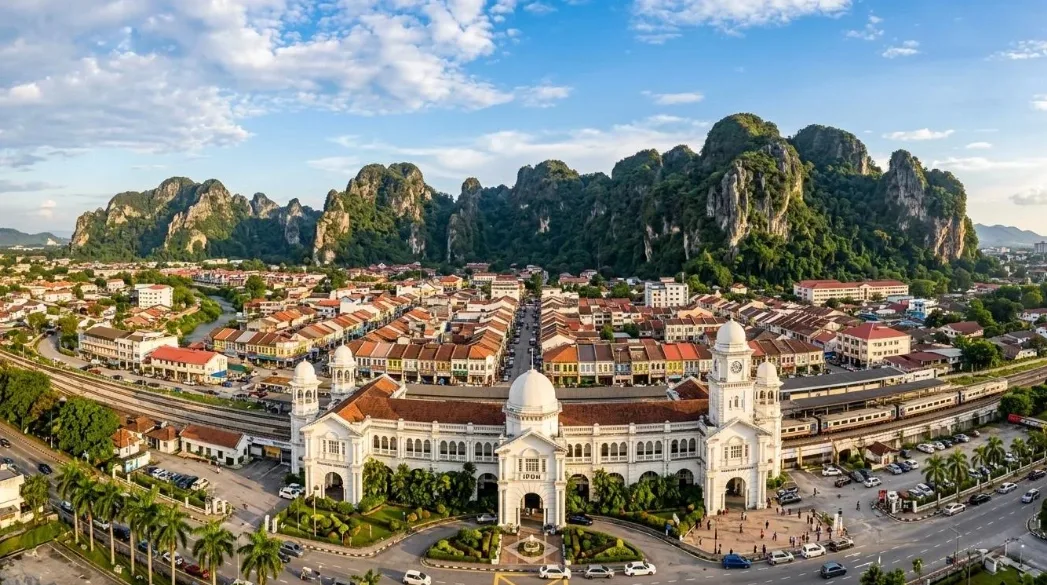
Old Town is the most atmospheric area for a heritage stay. You can walk to breakfast, heritage streets and several cafes. The trade-off is noise, limited parking and older infrastructure. Greentown and newer districts offer more modern apartments and easier errands but less historic character.
Confirm the exact drop-off point and entrance before arrival. Some lanes are too narrow for a large vehicle, and the address may be easier to reach on foot. Ask the property whether luggage assistance is available and whether reception operates late. A map pin can be accurate while the entrance remains hidden inside a courtyard.
Use Greentown if you want a quieter base with easier access to malls and modern restaurants. The Ipoh travel guide helps compare the historic core with the wider city. For a one-night heritage experience, character may matter most. For a week of work, comfort and light usually matter more.
What to Check Room by Room
A shophouse room is easier to judge if you know what to inspect. Stand in the middle of the room and look up: exposed beams, high ceilings and original timber are part of the appeal, but they also mean heat rises and the space can be slow to cool. Check where the air-conditioning unit sits relative to the bed and whether there is a ceiling fan as well.
Look at the window treatment. Shophouses often have large openings facing the street, and thin curtains mean an early wake-up or a room that heats up by mid-morning, so blackout covers make a real difference. In the bathroom, check water pressure and how the drain handles a long shower, because old buildings sometimes drain slowly. Ask whether the hot water is instant or from a small tank, since a tank runs out during back-to-back showers. Finally, look at the door and window fittings. Not for security fears, but because old latches rattle in the wind and let in noise.
Booking and Communication
Deal directly with the property when you can. Shophouse stays are often small, family-run operations, and a direct message about your arrival time gets a faster answer than a platform form. Ask your specific questions before booking rather than after arrival, and keep the replies so you can refer to them.
Be clear about what matters to you. If you need a ground-floor room because of stairs, say so. If you are a light sleeper, ask whether the room faces the street and whether there is a bar or a late-night food stall nearby. If you need to work, ask about the desk and the internet speed rather than assuming both exist. Confirm the check-in window, the payment method and whether there is any deposit, and ask where to park if you have a vehicle. A short, specific exchange before you arrive removes most of the friction that a heritage building otherwise adds.
Choosing the Right Property
Start with the practical questions: Is the bathroom private, how many stairs are there, how does the room stay cool, what is the cancellation policy and how close is the nearest open food shop? Then look at the design. A historically accurate room is not useful if you cannot sleep, store your bag or connect to a meeting.
Book a short stay first if you are uncertain. Two nights reveal how the room performs in the afternoon heat and at night. If the property feels good after that, extend or return on another trip. The Old Town kopitiam guide can help you start the morning nearby, while the coffee trail adds a second local routine.
A shophouse stay works best when expectations match the building. Choose it for atmosphere, location and a sense of how Ipoh grew, not for the standardized silence of a new hotel. Ask direct questions, pack light and leave room for the ordinary sounds of the street. The imperfections are part of the experience, provided they do not come as a surprise.