Bangkok gets much easier once you stop hotel-hopping and set up a stable base. Sukhumvit serviced studios are the common bridge between short travel and temporary living. I have done the "new hotel every week" experiment — it looks flexible on paper and feels fragmented in real life. Groceries, laundry, sleep quality, and work setup all improve when one address lasts a month.
Housing Overview
Serviced studios typically include utilities bundles, basic housekeeping, and practical kitchen setups. Room size varies by building age and location.
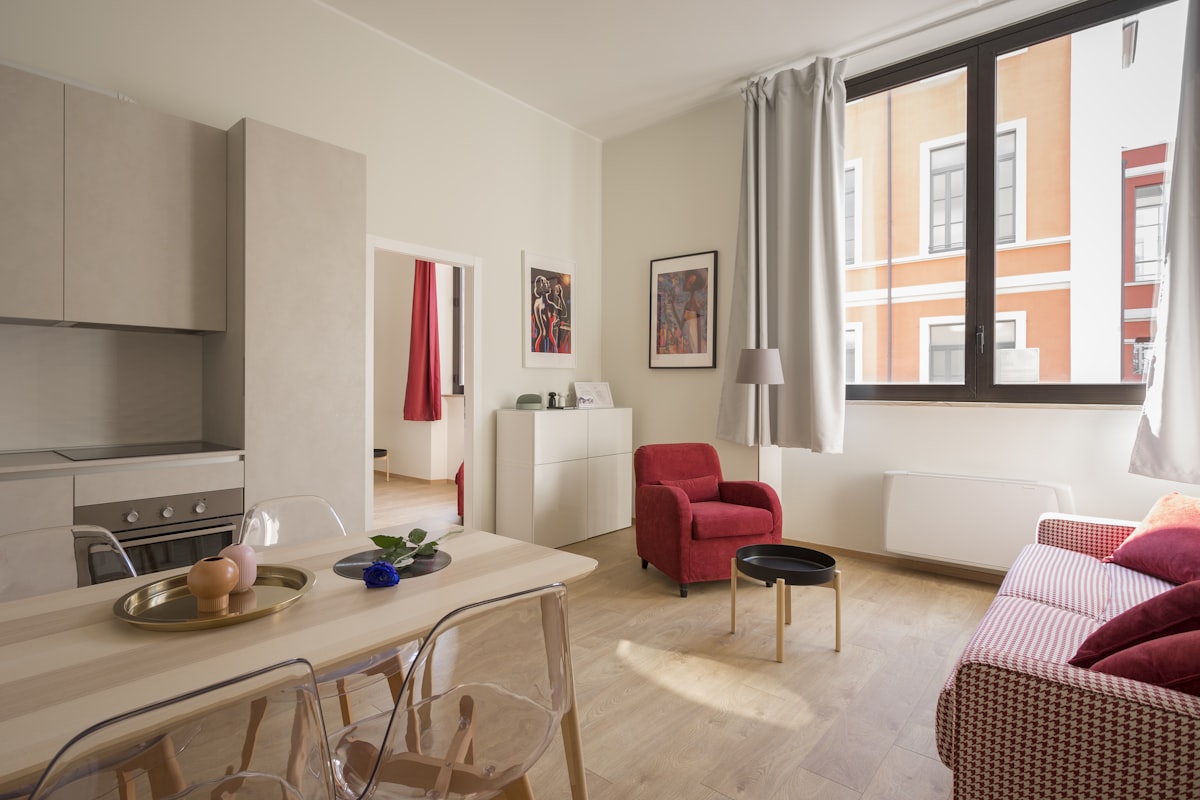
What you are buying is operational simplicity: someone else handles building management, basic cleaning, and often furniture. Units range from tight modern boxes with great BTS access to older, roomier layouts with inconsistent maintenance. Kitchenettes are real but small — enough for breakfast, smoothies, and simple dinners, not ambitious cooking every night.
I look for: desk space, chair quality, window that opens (or at least good AC), laundry access in-building or nearby, and walkable 7-Eleven or market for daily supplies. Pool and gym are bonuses; I have rented places without them and been fine because Bangkok street life is the gym if you walk enough.
Housekeeping rhythm matters for remote workers. Weekly linen change is standard; daily cleaning may cost extra. I clarify what "serviced" actually includes before paying — some buildings mean "front desk and towels," others mean real apartment hotel service.
Monthly Budget Range
A common comfort range includes rent, utilities, workspace, transport, and food. Final cost depends heavily on district and lifestyle intensity.
For planning, I split the month into fixed and flexible buckets. Fixed: rent, internet tier, BTS pass or regular top-ups, coworking if used, mobile data. Flexible: food (street vs restaurant ratio), Grab when rain wins, weekend trips. Sukhumvit studios in the 2026 nomad band often land mid-range for Bangkok — cheaper than equivalent Singapore or Tokyo, more than Chiang Mai, with better transit and food access than many "cheap" options that cost time daily.
A realistic comfort month for one remote worker might stack: studio rent + utilities buffer + two coworking days per week OR one monthly pass + food at mixed local/western levels + occasional Grab. Couples share rent but not always food or desk needs — budget a second chair or alternate work locations.
Do not compare only nightly hotel math. Hotels hide food and laundry costs; studios hide electricity over cap and deposit friction. Compare thirty-day livability, not headline rate.
Hidden Costs to Check
Watch for extra fees: cleaning limits, utility caps, deposit terms, and internet speed tier differences.
My pre-sign checklist:
- Electricity cap and per-unit overage rate (AC abuse is real in hot months).
- Water, internet, and cleaning: included vs billed separately.
- Deposit refund rules and notice period — some places hold aggressively for minor wear.
- Guest policy and key cards (friends visiting can become fees).
- Building move-in fees or "setup" charges on short leases.
Also confirm washing machine access — in-unit, coin on floor, or outsource laundry nearby. Nomad weeks generate more laundry than vacation weeks.
Building Types You’ll Actually See
Newer towers tend to offer better soundproofing and more predictable internet, but smaller rooms. Older buildings can be larger, but maintenance quality varies more. In Bangkok, "older and bigger" is not always a win if you end up fighting air-conditioning problems.
New builds: efficient layouts, better elevators, stricter security, sometimes sterile neighborhood feel at night. Older serviced: more space, softer furnishings, higher lottery on plumbing and AC noise. Low-rise boutique serviced: charm and walkability, fewer amenities.
I prioritize sleep and work over Instagram-ready lobby photos. Thin walls plus nightlife street = bad month. Construction nearby = bad month. Good management phone response = worth premium.
Floor level trade-off: higher floors less street noise, more heat wait for elevators. Mid floors are my default if the building is not a skyscraper with slow lifts at rush hour.
Best Fit Profile
Good for remote workers staying 4-12 weeks, couples on flexible schedules, and anyone needing predictable daily routines.
Less ideal for: one-week trips (hotel simpler), ultra-budget backpackers (hostels/guesthouses win), or people who need legal long-stay paperwork solved by the property (always verify visa/housing rules yourself).
Ideal if you stack work + city life: morning BTS to coworking or cafe, afternoon calls at home with good AC, evening street food without re-packing suitcases nightly. Studios shine when Bangkok is your temporary home office, not a sightseeing sprint only.
BTS Access Consideration
Living near BTS reduces daily friction and ride-hailing dependency, especially in rainy season.
Thonglor, Ekkamai, Phrom Phong, Asok, Nana, and On Nut are common nomad anchors — each with different price/noise/food character. I choose station first, building second. Five extra minutes walking in heat changes how often you leave the room.
BTS also shapes your daily rhythm: easy to pair home with The Hive, cafe work at Roast Coffee, and evening social plans without negotiating traffic for every leg. Rainy season especially — flooded side streets make skytrain worth rent premium alone.
If you must save money, live one stop farther out on the same line rather than switching to a cheap area with poor transit. Time tax is a bill too.
Practical Booking Tips
- Ask for real room photos, not only model units.
- Confirm desk/chair suitability if you work full-time.
- Read recent reviews for maintenance responsiveness.
Desk test: chair height vs table, monitor space, outlet near desk, glare on screen from window. If chair is dining-grade, budget for a cushion or local purchase — your spine is not a saving category.
Lease length: many serviced places flex at 30 days; discounts appear at 90. Negotiate politely if you extend — continuity helps both sides.
Daily Rhythm With a Sukhumvit Base
My stable-month template: morning work block (home or cafe), midday heat pause indoors, afternoon errands or meetings on BTS, evening food within walking distance. Weekends I leave the district intentionally so Sukhumvit does not feel like the entire city.
Groceries: mix 7-Eleven top-ups with one market run weekly. Work: hybrid home + coworking + cafe. Social: Thonglor dinners without mandatory Grab both ways if I planned housing well.
Compare Before You Commit
For neighborhood context, compare with calmer bases like Ari before finalizing.
Ari trades some late-night convenience for quieter sleep and cafe mornings. Old Town trades modern mall access for temple walks. Sukhumvit wins on nomad infrastructure density. There is no universal best — only best for your work calendar and noise tolerance.
If you are unsure, book two weeks serviced and one week hotel in a second district before signing a longer studio lease. Bangkok rewards test drives more than heroic one-shot decisions.