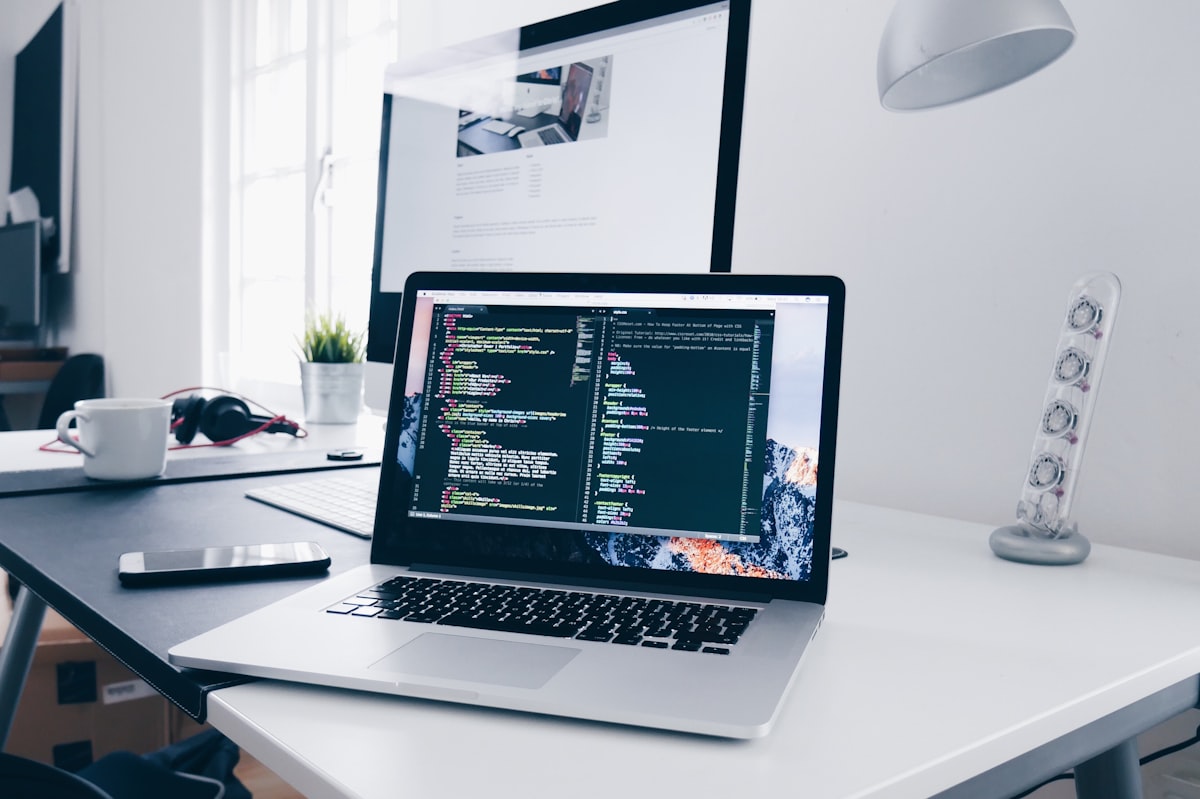
Bangkok is easy for remote workers until your day depends on stable calls, quiet seating, and predictable internet. That is where coworking starts paying for itself. I cafe-hopped for my first two weeks here and told myself I was saving money. Then I lost one client call to cafe WiFi stutter and spent an hour finding a seat with outlets. After that, I treat coworking like insurance — not luxury.
Coworking Overview
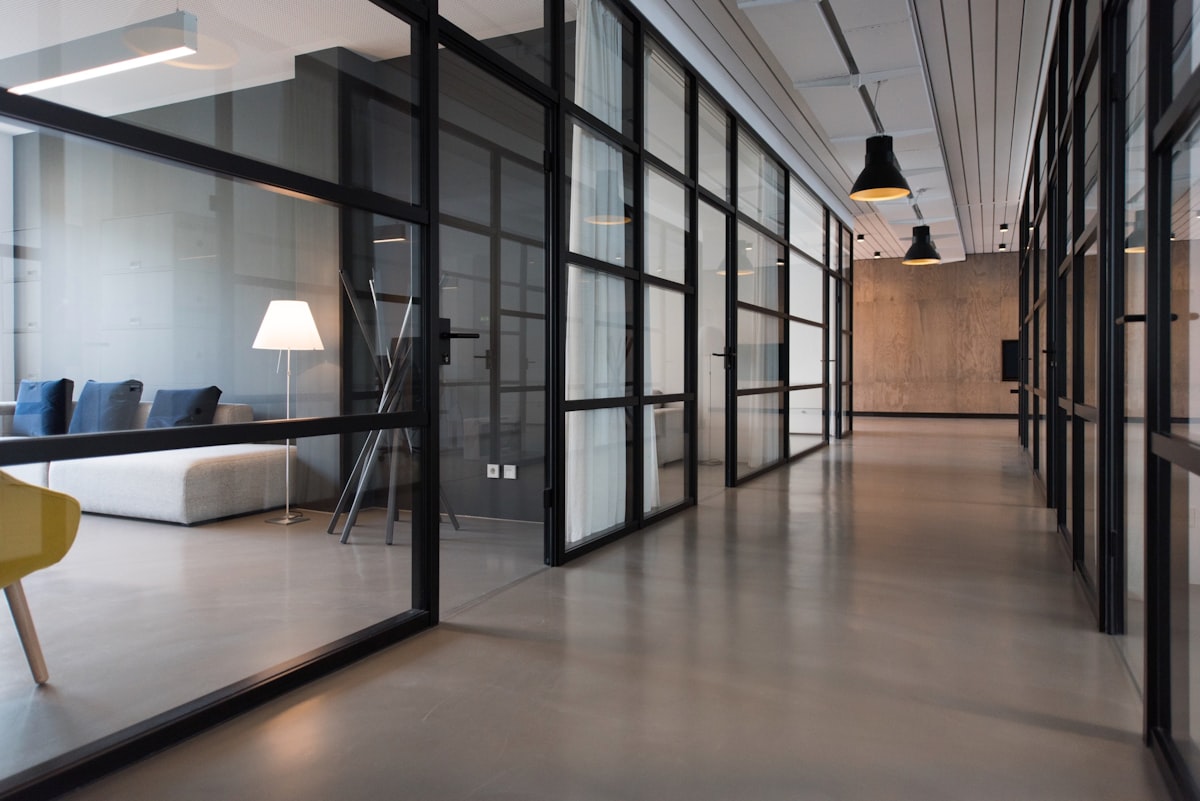
The Hive in Thonglor is built for practical output: stable desks, meeting support, and transit-friendly location.
I use The Hive when the day has stakes: workshops, interviews, contract reviews, or deep writing sprints I cannot restart three times because of noise. It is not the most aesthetic workspace in Bangkok, and it is not trying to be. It is the place I go when I need the city to disappear for six hours.
Compared with working from a condo desk, coworking adds separation between "home" and "work" — underrated when you are living in a studio for a month. Compared with cafes, it removes the social guilt of occupying a table through lunch rush and the lottery of whether the table near the plug is free.
Day Pass and Monthly Cost
Choose day pass for testing fit and monthly access if you expect repeat high-focus days. Pricing is not the cheapest in Bangkok, but reliability is the value proposition.
My decision rule is simple: if I expect three or more high-focus days per week for a month, monthly usually wins. If I am in Bangkok for ten days or my schedule is mixed (sightseeing + work), day passes are enough. I always do one trial day pass before committing monthly — chair height, noise floor, and meeting room availability vary by person more than marketing pages suggest.
Day passes also work well as a "bad weather office." Rainy season in Bangkok can trap you indoors anyway; paying for a desk beats fighting cafe crowds with a wet bag. Factor coworking into your monthly nomad budget next to rent, not as an emergency splurge.
Hidden value: printing, stable video background, and not negotiating with baristas every two hours. Hidden cost: commuting to Thonglor if you do not live nearby — I cluster Hive days with errands in the district to make the BTS ride worth it.
WiFi and Workspace Reliability
Expect business-grade internet and better consistency than random cafes during peak hours.
I still run a speed test on day one — habits from bad experiences elsewhere — but Hive has been consistently "good enough" for video calls and large uploads. Upload speed matters if you ship files or teach online; download-only tests lie. I also keep phone hotspot as backup because Bangkok power dips happen, but I have not needed it often inside proper coworking.
Seating is the other reliability layer. Hot-desking means arrive before 10 AM on busy days if you want a preferred zone. I book meeting rooms when calls are confidential or when I need to be loud in a brainstorm — open floor etiquette applies.
Noise is manageable with headphones. It is not library silence; it is productive office hum. For me that is better than cafe music swings and espresso machine drama.
A "Good Coworking Day" Plan
If you want the place to actually pay for itself, treat it as a tool:
- Morning: deep-focus block (no meetings)
- Midday: one short lunch walk (Thonglor makes this easy)
- Afternoon: calls + admin tasks
I arrive early, claim a desk, and do the hardest cognitive task first — writing, coding, strategy — before inbox and calls fragment me. Midday I leave the building even if only for twenty minutes; Thonglor lunch options are good enough that the walk feels like a reset, not a detour. Afternoon is for meetings, Slack, email, and lighter tasks.
I also set rules: no sightseeing tabs, no "quick" Old Town research rabbit holes, one proper lunch instead of snack-grazing. Coworking days are work days. If friends want to meet, I schedule after 5 PM or on a non-Hive day.
Pairing with housing matters. When I lived near Phrom Phong, Thonglor was one BTS stop — easy rhythm. When I stayed farther out, I batch two Hive days back-to-back to amortize commute friction.
Location and BTS Access
Thonglor placement gives strong lunch/dinner options and manageable movement to other districts.
BTS Thonglor (and nearby Ekkamai) makes this location workable for Sukhumvit-based nomads. I avoid peak-hour road taxis when possible; the skytrain is not perfect, but it is predictable. From Hive I can reach meetings in Sathorn or Silom with one transfer if needed, though I prefer not to stack cross-city meetings on full office days.
Thonglor itself is strong for post-work food — Japanese lanes, casual Thai spots, dessert cafes — without forcing you into tourist-core pricing every night. That matters when coworking is part of a monthly routine, not a one-off.
Who It Fits Best
Freelancers with client calls, distributed teams needing occasional meeting rooms, and anyone tired of seat-hunting across cafes.
It fits less well if you only need thirty minutes of email daily, or if your work is entirely async and you thrive on cafe energy. It also fits less if your budget is ultra-tight — Bangkok has cheaper coworking, but I pay here for fewer surprises.
If you are new to Bangkok remote life, try one week split: cafe mornings for creative looseness, Hive afternoons for calls and focus. You will feel quickly which side earns its cost.
Alternatives
If you prefer cafe work, start at Roast Coffee and switch here for deep-focus blocks.
That hybrid is my actual Bangkok system — cafes for drafting and people-watching, Hive for execution and calls. Condos with good desks can replace some coworking days, but check chair quality and daytime noise from construction before assuming home is free office space.
For housing that supports this rhythm, look at serviced studios along the Sukhumvit BTS line so Hive days do not become two-hour commutes. The work stack is only as good as sleep, transit, and one reliable place to close the laptop without guilt.