I made the mistake of visiting the Grand Palace at 11 AM once. By noon, the marble felt like a stovetop and every photo had thirty strangers in it. The second time, I arrived early, carried water, and treated the royal quarter as a slow morning route instead of a checklist. That changed everything — same ticket, same buildings, completely different mood.
Grand Palace and Wat Phra Kaew Overview
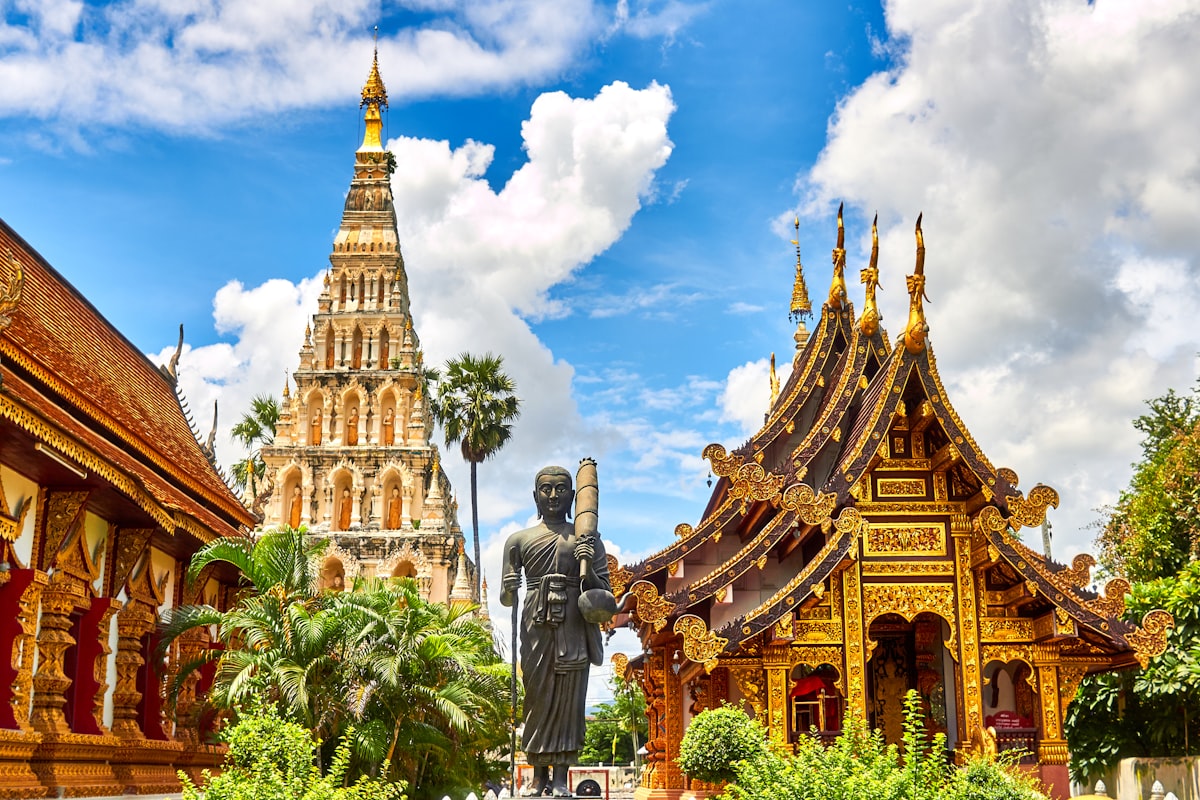
Think of this as one large royal compound with two energies. The Grand Palace gives you state architecture and ceremonial scale: throne halls, layered roofs, guards in formal dress, and courtyards designed to impress. Wat Phra Kaew gives you spiritual intensity and detail: murals, guardian figures, gilded surfaces, and the Emerald Buddha hall where people lower their voice without being told.
First-timers often treat them as separate destinations. They are not. One ticket, one security line, one flow — and the best visits respect that unity instead of racing between photo spots.
If you want deeper context on each zone, read the full Grand Palace 2026 guide and the Wat Phra Kaew guide. This article is the route-first version for travelers who want a cleaner morning plan without re-reading every historical panel.
Tickets and Entrance Fee
Foreign visitor pricing changes occasionally, but 500 THB is the number you should expect around 2026. Buy at official counters inside the approach area, keep your ticket stub, and avoid unofficial street sellers promising faster entry. Thai nationals use separate windows at lower rates — queue in the correct line the first time.
Quick tips:
- Bring cash and card; card readers fail sometimes on busy mornings.
- Keep a photo of your ticket after entry, just in case it gets wet or folded wrong.
- There is no real skip-line for security and dress checks — only time-of-day strategy works.
- Audio guides and human guides are optional; you do not need either for a good visit if you read one solid overview first.
Dress Code You Should Actually Follow
Shoulders and knees covered is mandatory. Loose trousers and a breathable shirt work best. I saw people lose twenty minutes renting cover-ups outside because leggings or sleeveless tops were rejected.
Closed shoes are safest on hot stone. Flip-flops are technically possible in outer areas but uncomfortable for long walking. Carry a light scarf anyway; it helps with sun, temple thresholds, and occasional indoor cooling.
What usually passes: linen pants, midi skirts, shirts with sleeves, light blouses.
What often fails: gym shorts, crop tops, tight leggings marketed as “temple pants,” see-through wraps.
You will sweat through whatever you wear. Light colors photograph better but show stains; dark colors hide sweat but absorb heat. Pick comfort over Instagram.
Best Time to Visit
Arrive at the gate around 8:15 AM on weekdays. The first hour gives you better movement, softer light, and lower heat stress. After 10 AM, crowd density jumps fast and shade becomes competitive real estate.
Weekends are still doable early, but tour buses arrive in thicker waves. If you only have a Saturday, treat 8:00 AM as non-negotiable, not aspirational.
Rainy days are still workable because storms are often short. The issue is less rain and more humidity after rain, so drink more water than you think you need. Umbrellas help; wet marble is slippery — slow down on steps.
Royal or state events can close the compound with little notice. Check official information the night before. A tuk-tuk driver insisting “open for sure” is not a reliable source.
Slow Morning Route (2.5 Hours)
This is the sequence I use when I want quality without burnout:
Hour 1 — Outer scale first. Start at the outer courtyards for wide photos while your shirt is still dry. Get the “postcard” angles early, then stop chasing them. The light is kinder before 9:30 AM.
Hour 1.5 — Wat Phra Kaew before the wave. Move into the temple zone before main tour clusters thicken. Shoes off at thresholds; move slowly in the Emerald Buddha hall; do not block prayer lines for photos.
Hour 2 — Cloister walk (do not skip). Walk the mural cloister slowly. Most people rush this section and miss narrative details — demons, heroes, restoration patches, gold leaf catching side light.
Final 30 minutes — Shade and exit. Sit for ten minutes in any shaded corridor before exiting. Drink water. If you feel “done,” you are done — pushing another hall when overheated ruins the memory.
How to Get There
Two easiest routes:
- MRT Sanam Chai plus a ten-minute walk through old-city streets.
- Chao Phraya boat to Tha Tien area, then walk north along the river wall.
From Khao San, walking is possible in fifteen minutes if you accept heat and persistent tuk-tuk offers. Keep walking; do not negotiate mid-route.
Common Mistakes (and Easy Fixes)
- Arriving at midday → shift to opening queue.
- Wearing “almost modest” outfits → pack one guaranteed temple outfit.
- Skipping water → carry one liter minimum per person in hot months.
- Trying to do Grand Palace + three temples in one morning → pick one major sight, one river crossing later.
After You Leave
Walk toward Tha Tien pier for coconut water and airflow. Sit by the river even if you do not take another boat — the breeze resets your body temperature faster than nearby air-conditioning.
If you still have energy, cross to Wat Arun around late afternoon for different light and scale. If you are drained, that is normal. The royal quarter is beautiful but physically demanding. A slow morning here is a success, not a half-day failure.