Phnom Penh carries more history than its compact center suggests. Gilded palace roofs, quiet temples, and difficult museums sit close together, and each asks for a different kind of attention.
Royal Palace: Cambodia's Monarchy and Ceremonial Life
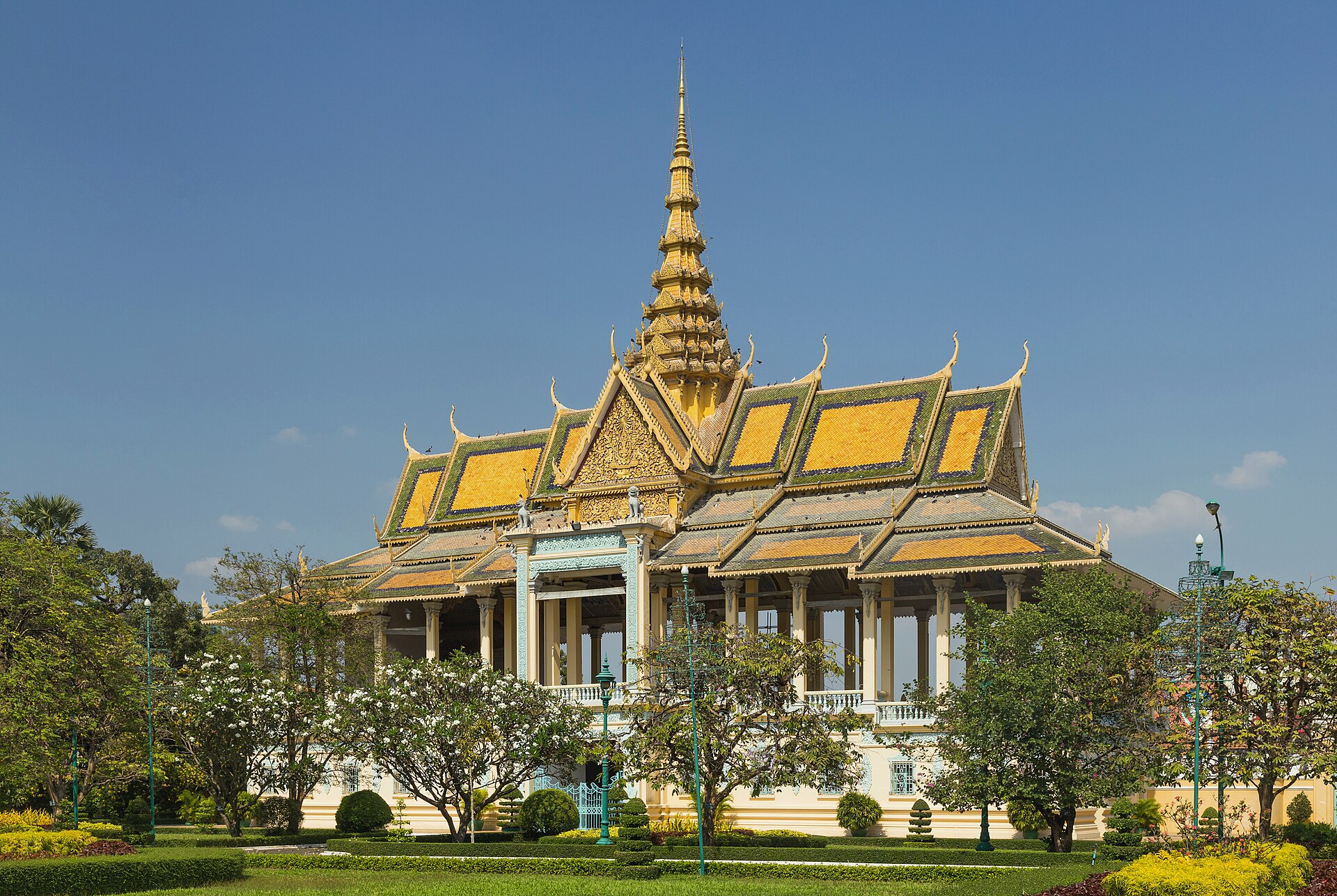
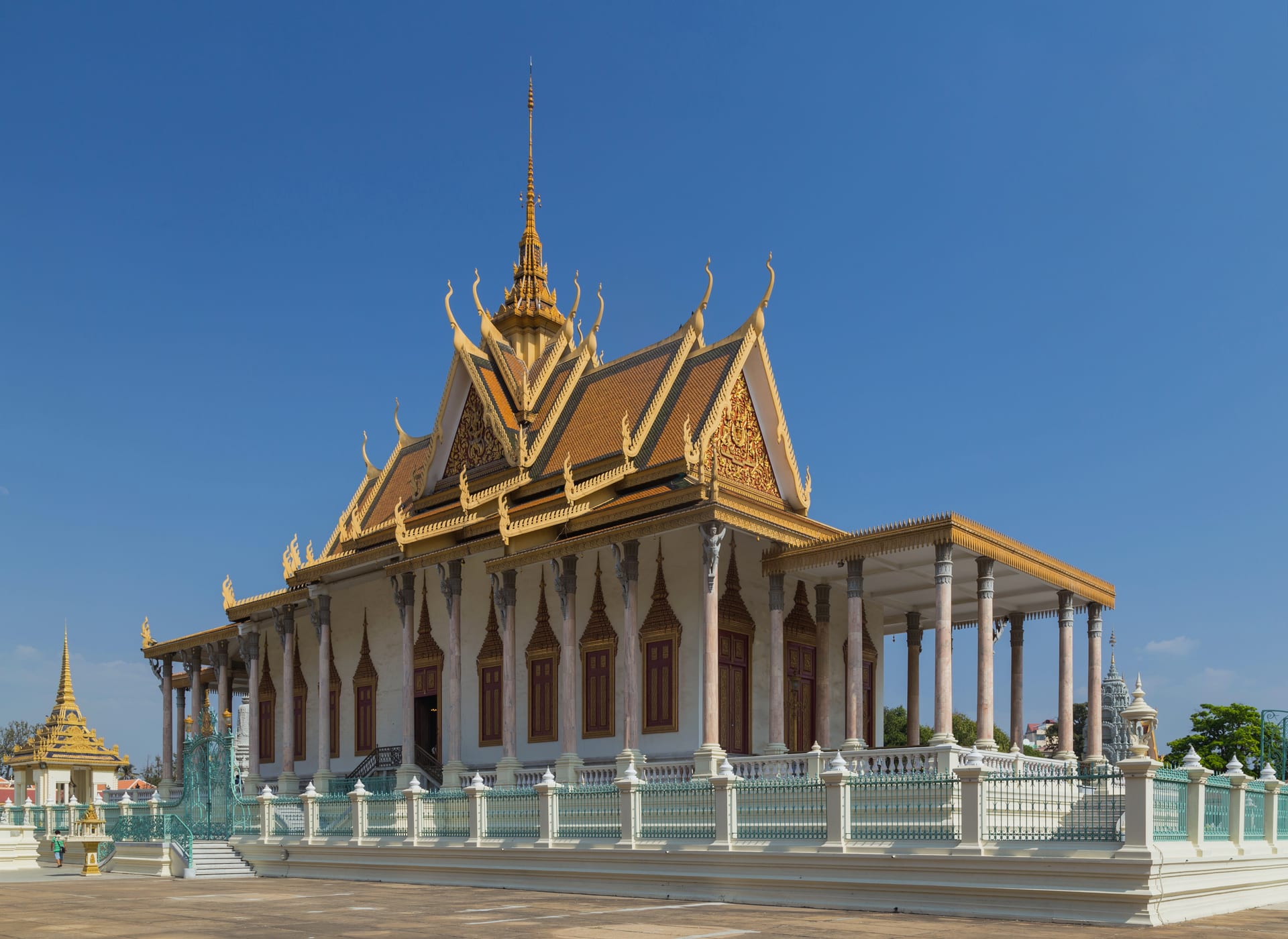
The Royal Palace is the most polished stop in the city. Its gilded roofs, manicured grounds, and riverfront setting make it easy to photograph and easy to rush.
What to notice inside the palace grounds
The Chanchhaya Pavilion, used for royal appearances and ceremonies, is the image many visitors remember. The Silver Pagoda area adds dense detail: mosaic floors, Buddha images, murals, and sacred buildings set around a shaded courtyard. Dress respectfully, keep your shoulders and knees covered, and allow more time than a quick photo stop.
Wat Phnom: The City's Founding Story
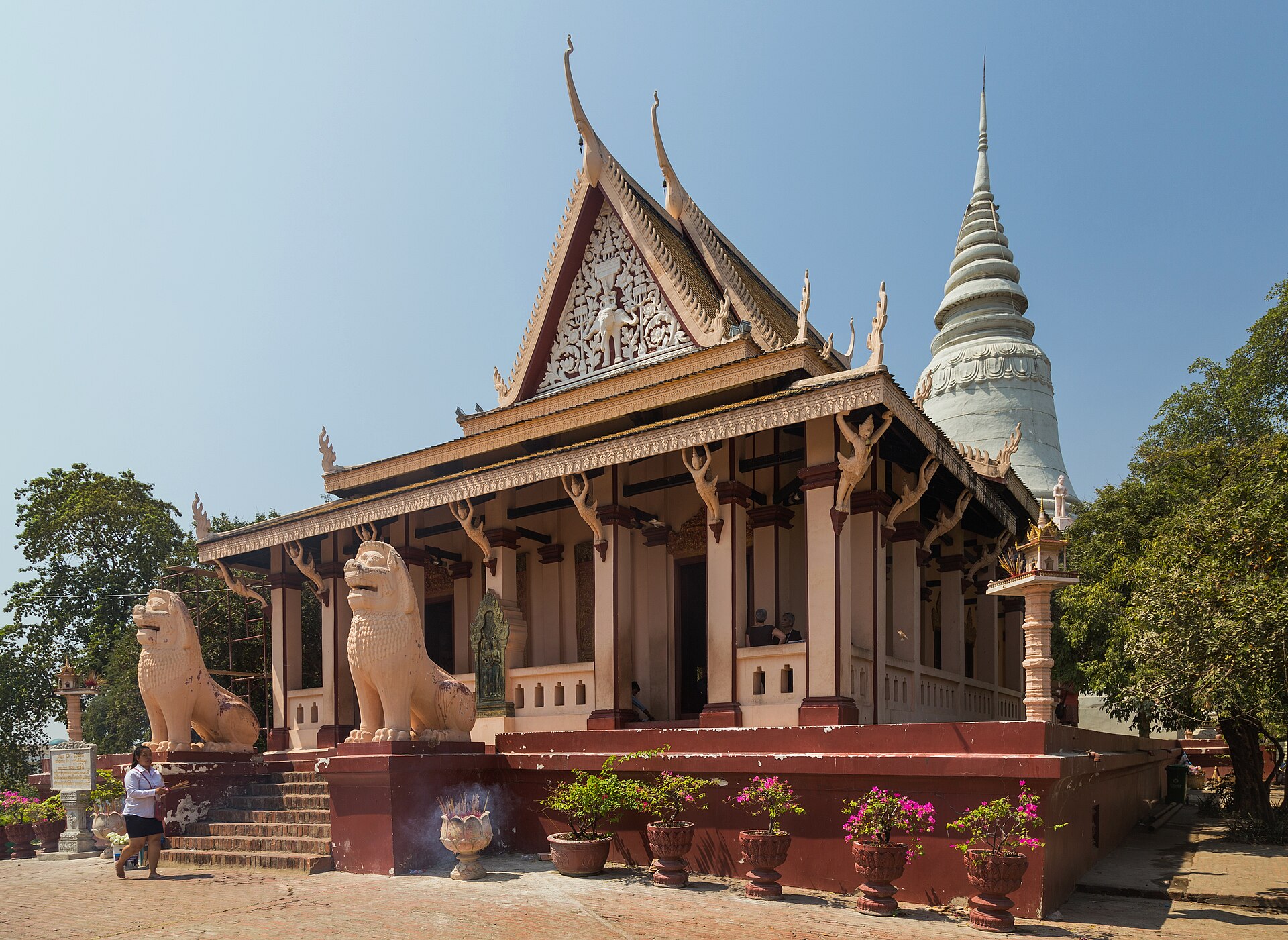
Wat Phnom sits on the small hill that gave Phnom Penh its name. It is more compact than the palace, but it is central to the city's origin story and still functions as an active temple. Go early or late to avoid the strongest heat and the largest tour groups.
A short visit with local context
The legend of Lady Penh and the floating tree links the hill to the founding of the city. Look for the naga motifs, guardian figures, and the mix of worshippers and visitors around the main shrine. The climb is short, but the steps can be uneven and slippery after rain.
Tuol Sleng Genocide Museum: Confronting Recent History
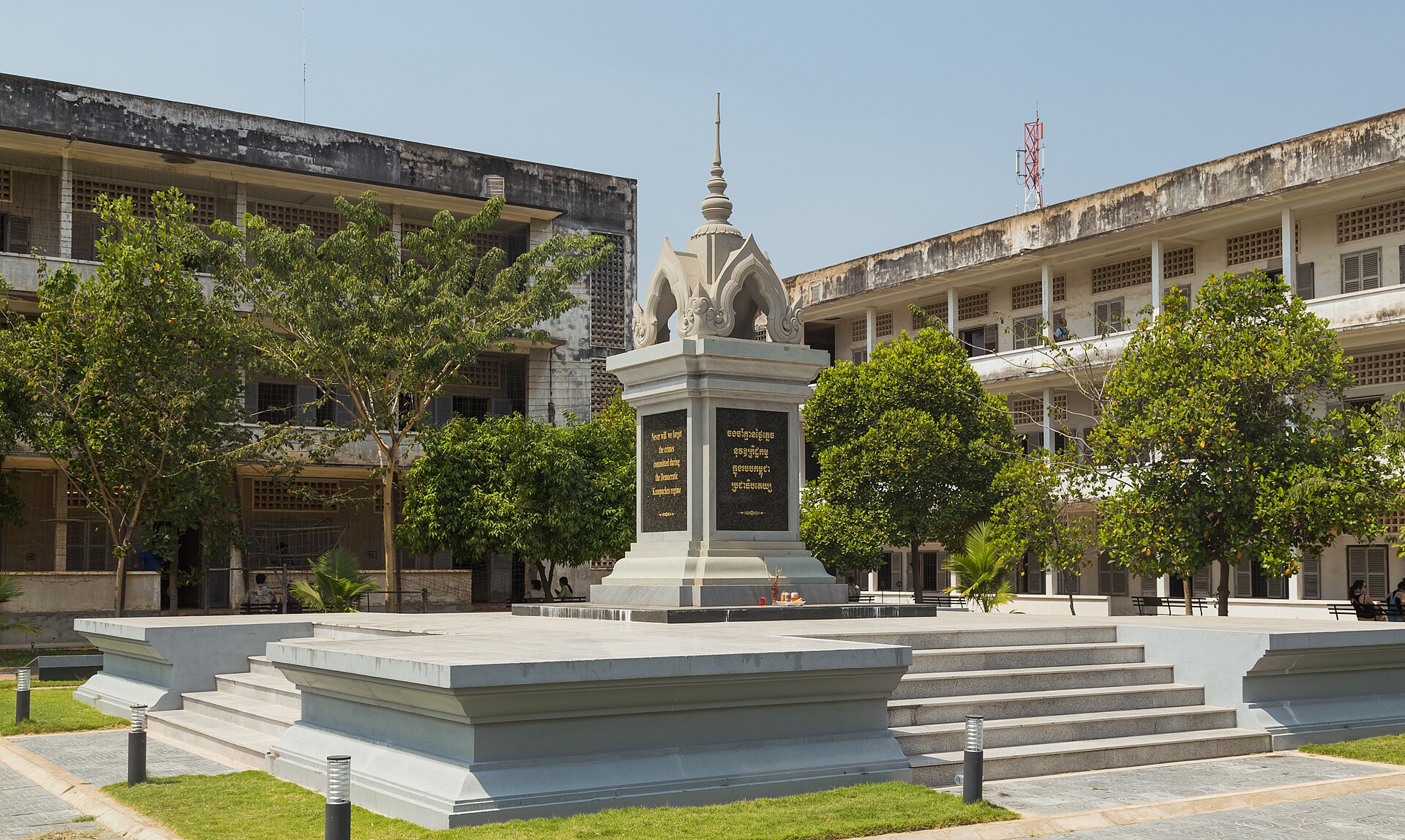
Tuol Sleng is difficult and necessary. The former school-turned-prison tells a dark chapter of Cambodia's recent history through photographs, rooms, and survivor stories.
What the site was
Between 1975 and 1979, the Khmer Rouge used the former Chao Ponhea Yat High School as Security Prison 21, or S-21. Classrooms became interrogation rooms and cells, while thousands of people were held, documented, and sent onward to execution sites. The museum preserves those rooms and faces rather than softening the history into a conventional exhibit.
How to visit with care
Give yourself time and permission to move slowly. An audio guide can provide context, but you may also need silence between buildings. This is not a sightseeing stop; it is a place to listen, learn, and remember. Visitors should decide in advance whether they are ready for the experience.
Choeung Ek: Remembering the Killing Fields
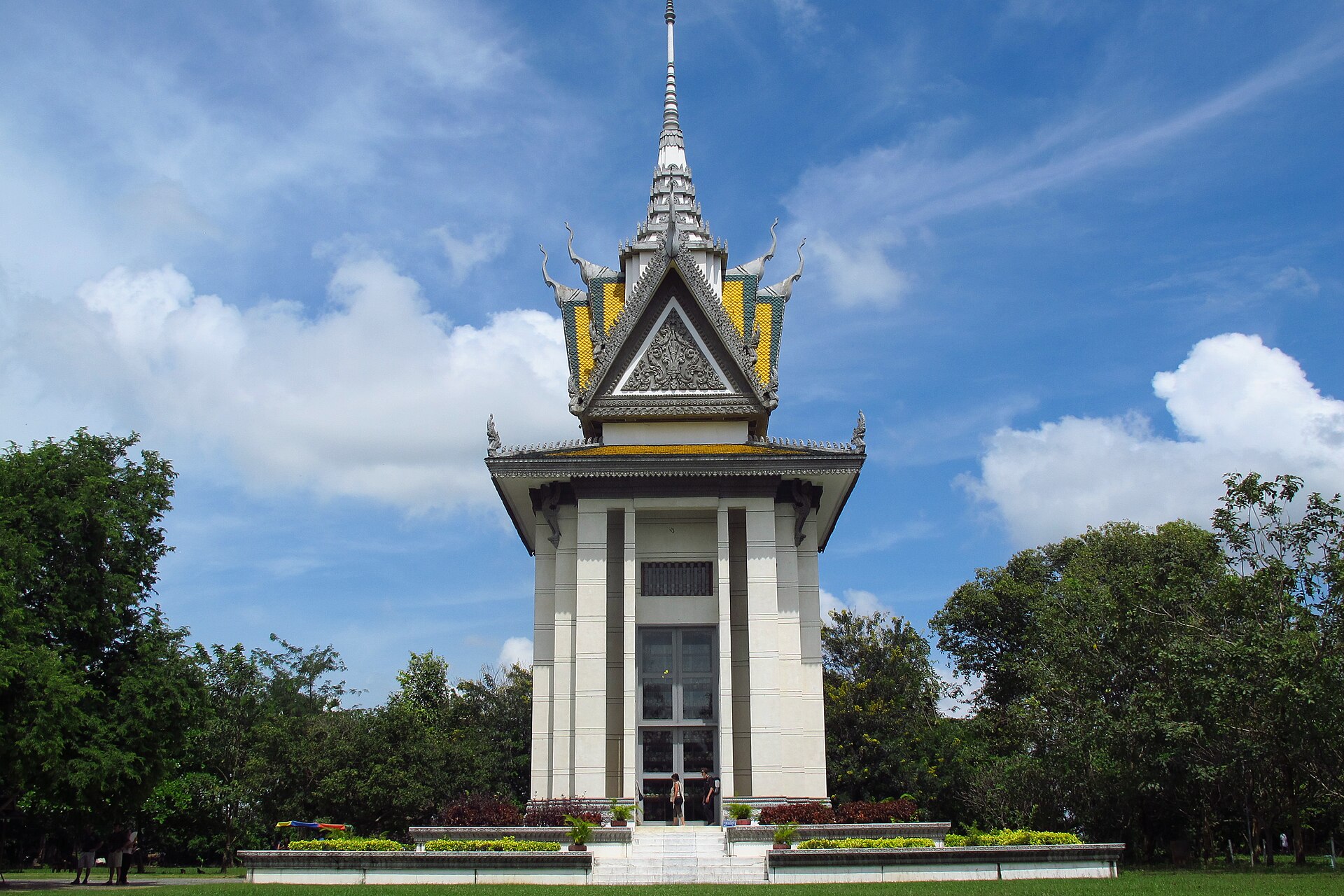
Choeung Ek, often called the Killing Fields, was the execution site connected to S-21. Today it is a memorial landscape with a glass stupa, marked burial pits, and interpretive panels. The site is outside the central city, so pair it with Tuol Sleng only if you have emotional room for both in one day.
The memorial stupa
The central stupa holds remains recovered from the site and makes the scale of the loss visible. Walk quietly, follow posted guidance, and avoid treating the grounds as a backdrop for posed photographs. The audio guide adds historical detail, but the most important thing is to approach the site with attention.
National Museum: Khmer Art and Continuity
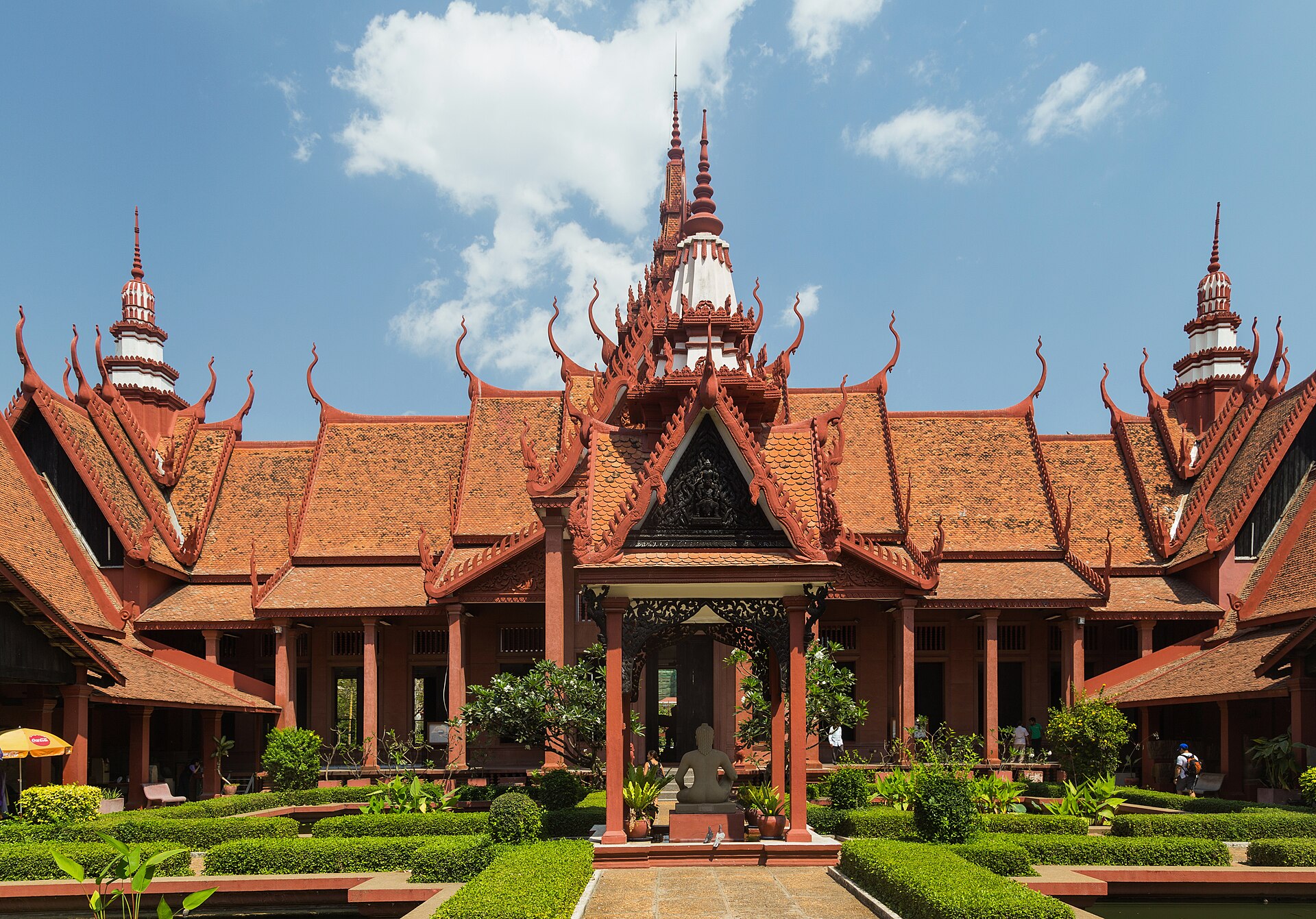
The National Museum offers a quieter entry into Khmer art and sculpture. Its terracotta building and shaded courtyard are a useful contrast to the heavier history nearby, and the collection helps connect the temples of Angkor with the living culture of Phnom Penh.
What the collection adds
Bronzes, stone deities, ceramics, and ritual objects show how Khmer art changed across kingdoms and centuries. Visit after the Royal Palace if you want the day to build from ceremonial power to artistic continuity, or before Tuol Sleng if you need a gentler introduction to Cambodian history.
How Should You Sequence a History-Focused Day?
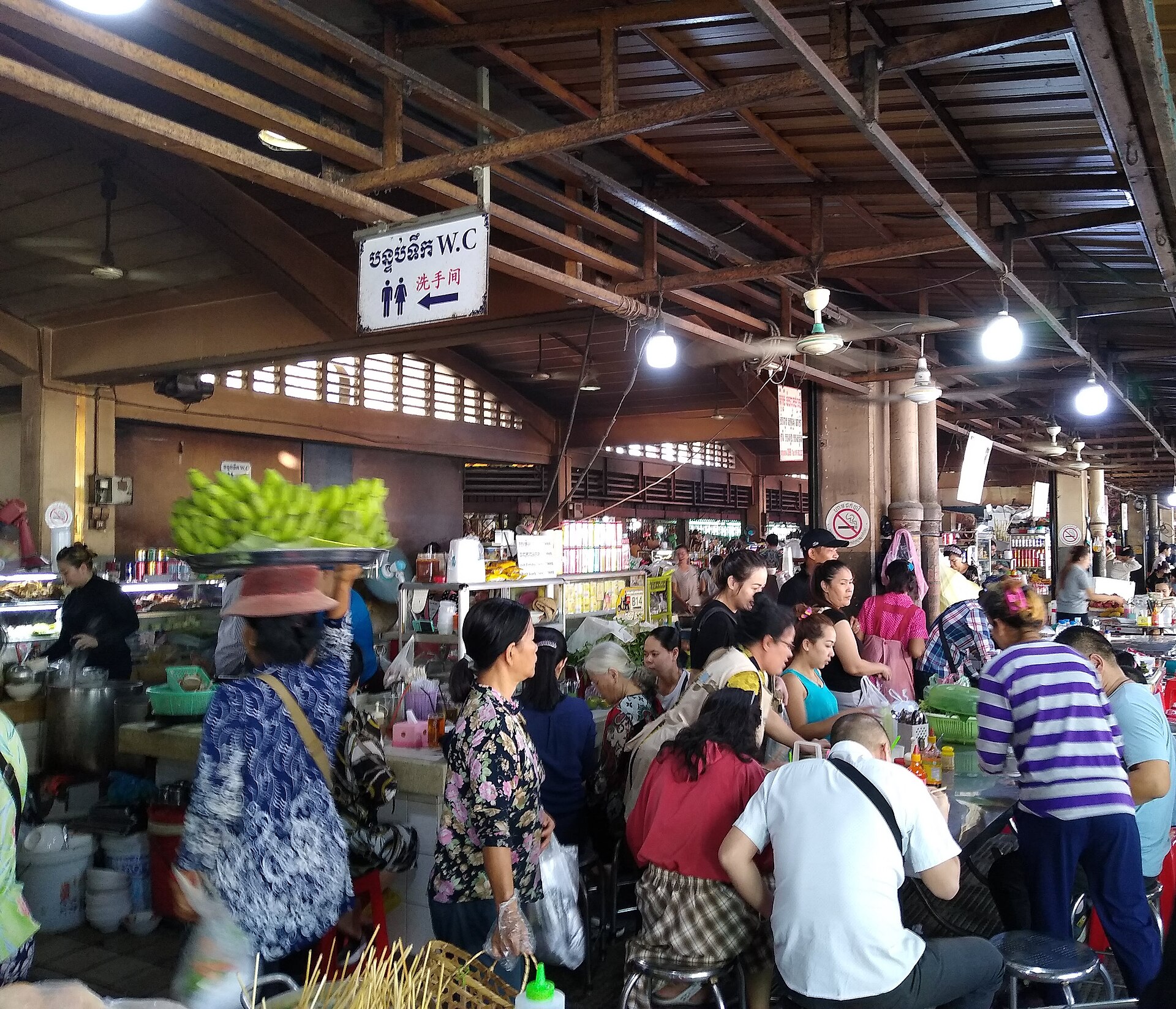
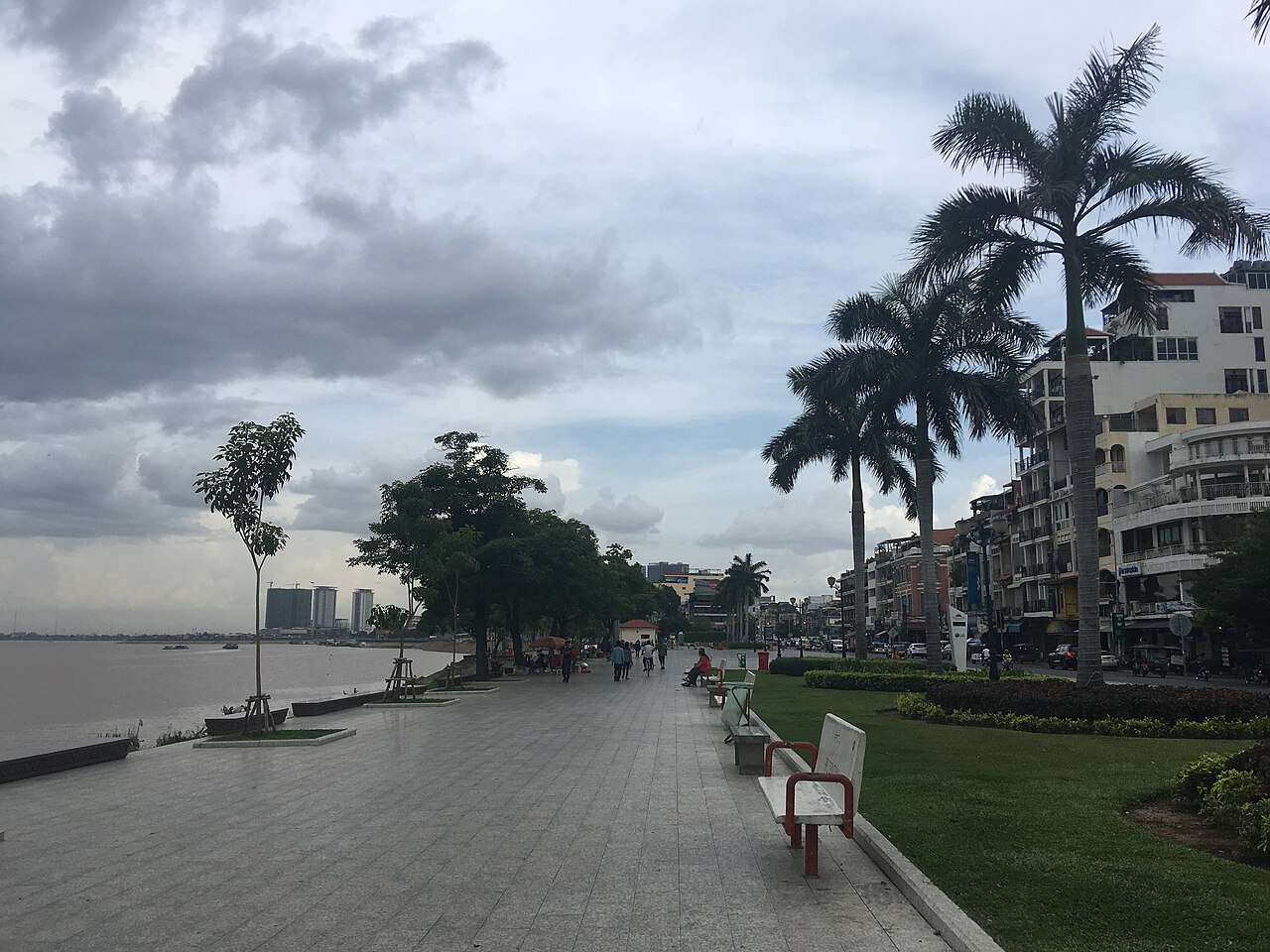
Start early at the Royal Palace or Wat Phnom, pause through the hottest part of the afternoon, and reserve one difficult museum for a time when you can leave without rushing. Do not try to complete every site in one day. Phnom Penh's history is not only in museums; the old streets, markets, and riverfront carry layers worth noticing on foot, and leaving space between sites helps those layers stay with you.