Phnom Penh is the best place in Cambodia to move between polished restaurants and humble market food. The same city that serves careful amok in a stylish dining room also sells quick noodles on a plastic stool.
What Does Everyday Khmer Food Look Like?
Everyday Khmer food is built around rice, fresh herbs, grilled meat or fish, soups, pickles, and a balance of salty, sour, sweet, and bitter flavors. A normal meal may be shared at a simple table rather than presented as a tasting menu, with several dishes eaten together.
Breakfast can be as quick as noodles, rice porridge, or coffee. Lunch often centers on rice with grilled meat, soup, and vegetables, while dinner might bring the family together around fish, stir-fries, and dipping sauces. Fermented fish, known as prahok, adds depth to many dishes, though it is usually used with a light hand.
Which Cambodian Dishes Should You Try?
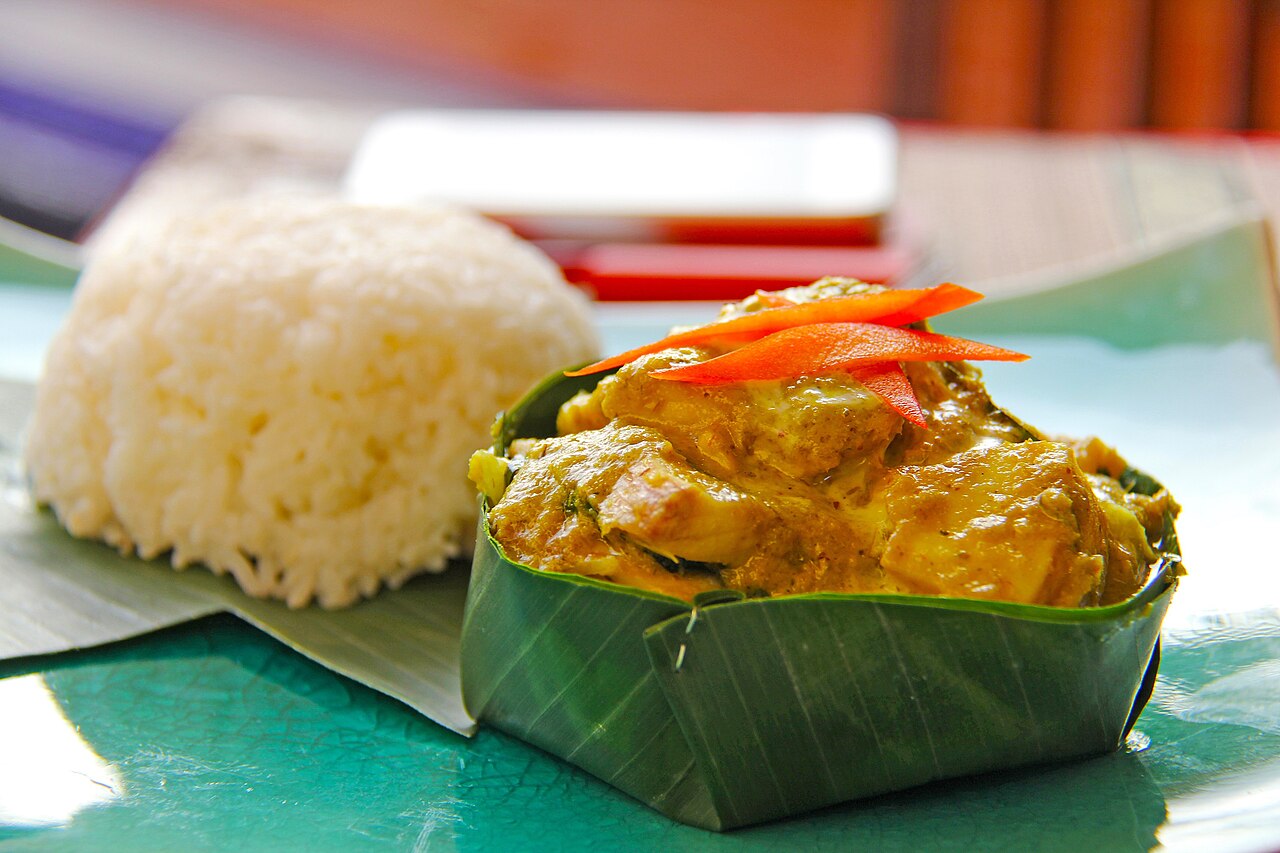
Amok is the dish to try first. Fish amok is creamy and fragrant, while lok lak offers a sharper, peppery contrast. Both are widely available and easy introductions to Khmer cooking.
Grilled meat is harder to miss. Skewers and rice plates appear everywhere, especially in the evening, and the smell usually leads you to the right stall. Also look for kuy teav noodle soup, bai sach chrouk pork and rice, lap khmer, and stir-fries seasoned with lemongrass, galangal, turmeric, and kaffir lime.
Where Can You Find Good Market Food?
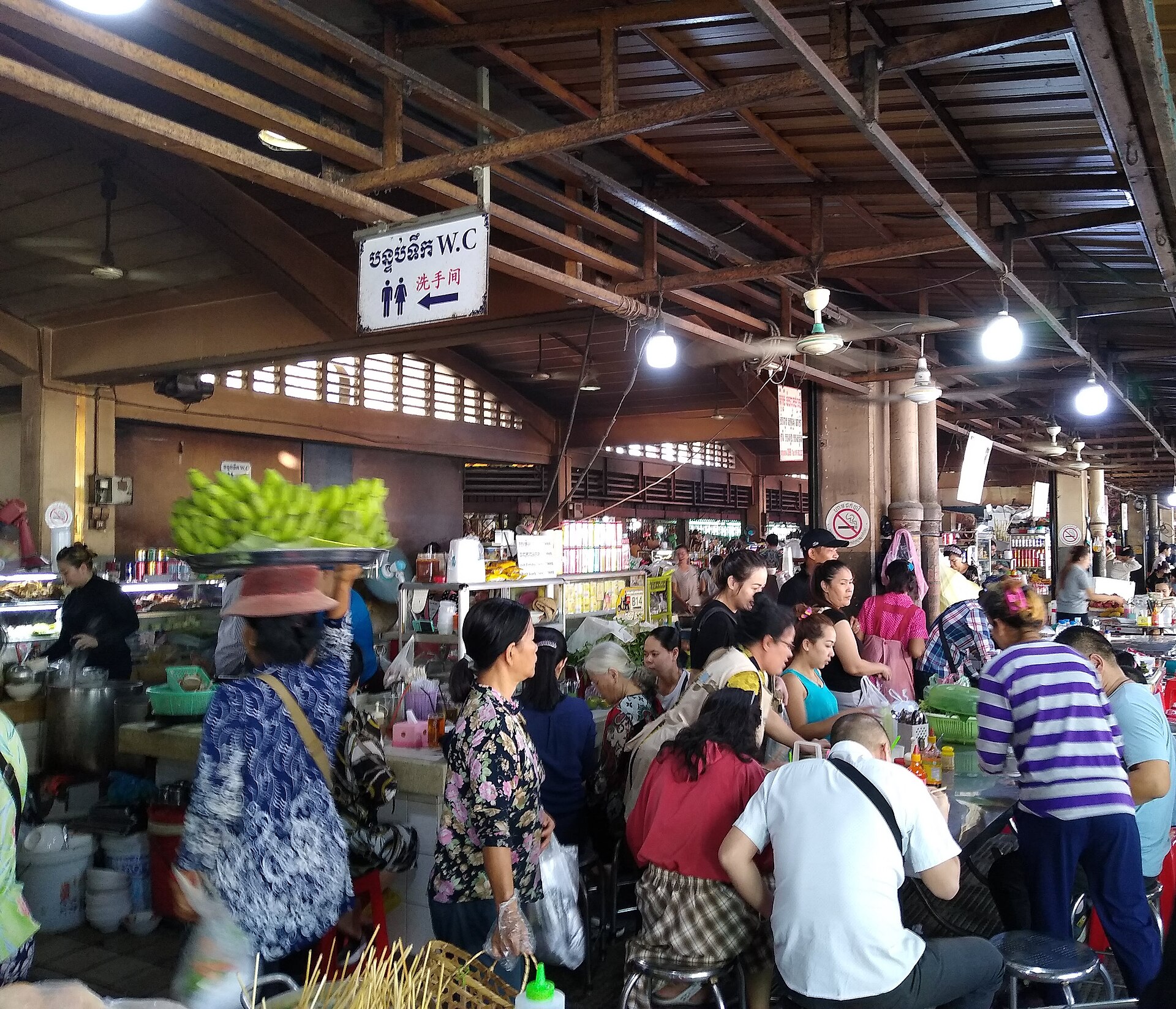
The markets are the fastest introduction to Khmer food. Morning and lunch are the best times, when vendors are busy and the food is moving quickly.
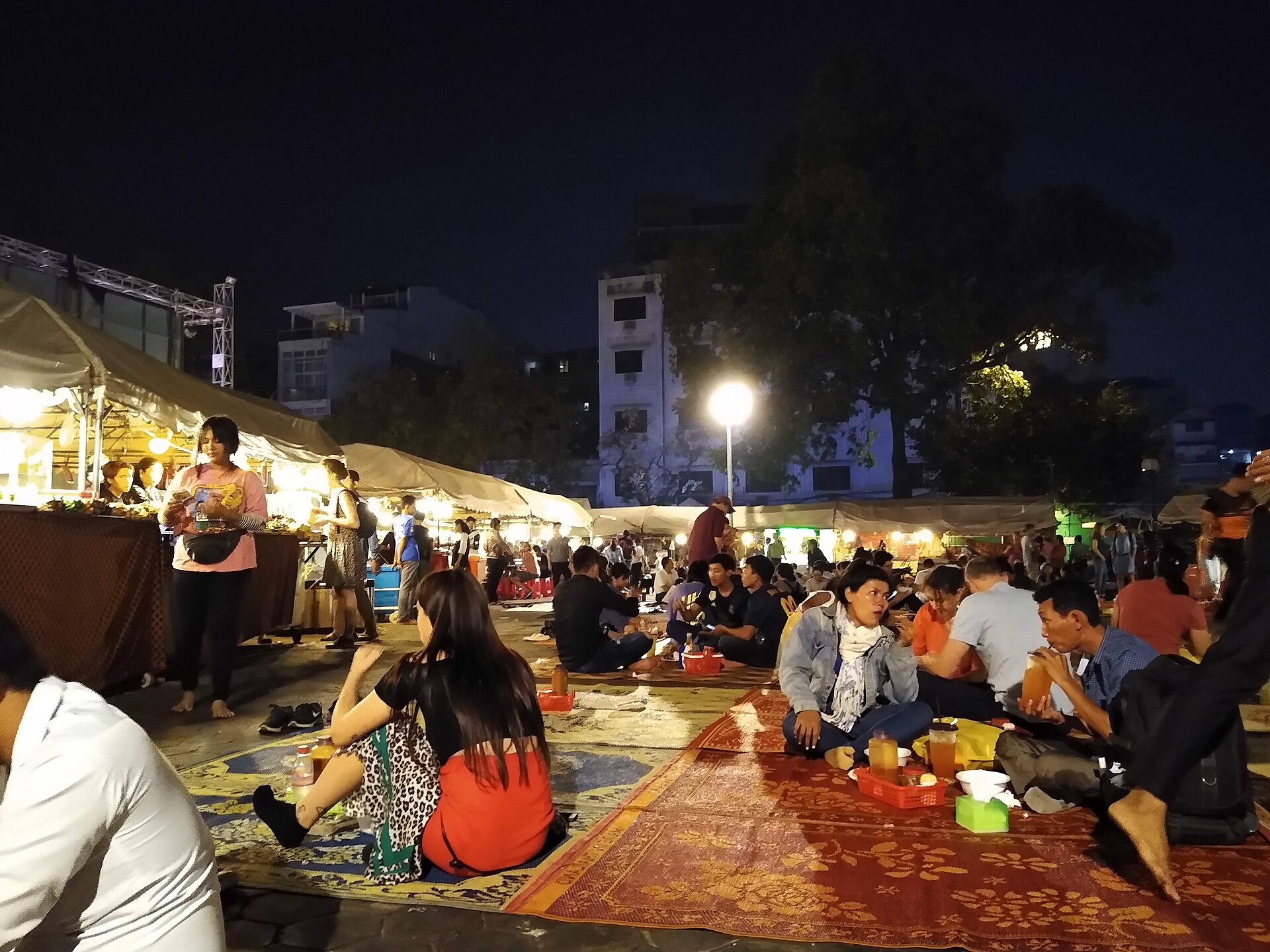
Central Market and the surrounding streets work well for a first visit, while Orussey and the Russian Market feel more like everyday shopping districts. Neighborhood markets can be even better when you want fewer tourist stalls and more local regulars.
Point, smile, and order one dish at a time. Market portions are often small enough to try several things, and busy stalls are usually a safer bet than quiet ones.
Is Street Food Worth Trying in Phnom Penh?
Yes, as long as you approach it sensibly. Street food is part of daily life rather than a separate attraction, and the range stretches from grilled skewers and noodles to fried snacks, fruit, desserts, and rice dishes.
Choose stalls with a steady turnover, eat food that is cooked hot, and drink bottled or purified water. Vegetarian food may be prepared with fish sauce or meat stock, so ask if that matters to you. Start with small portions, carry small bills, and enjoy the fact that an excellent meal can cost very little.
What Areas Have the Best Local Food?
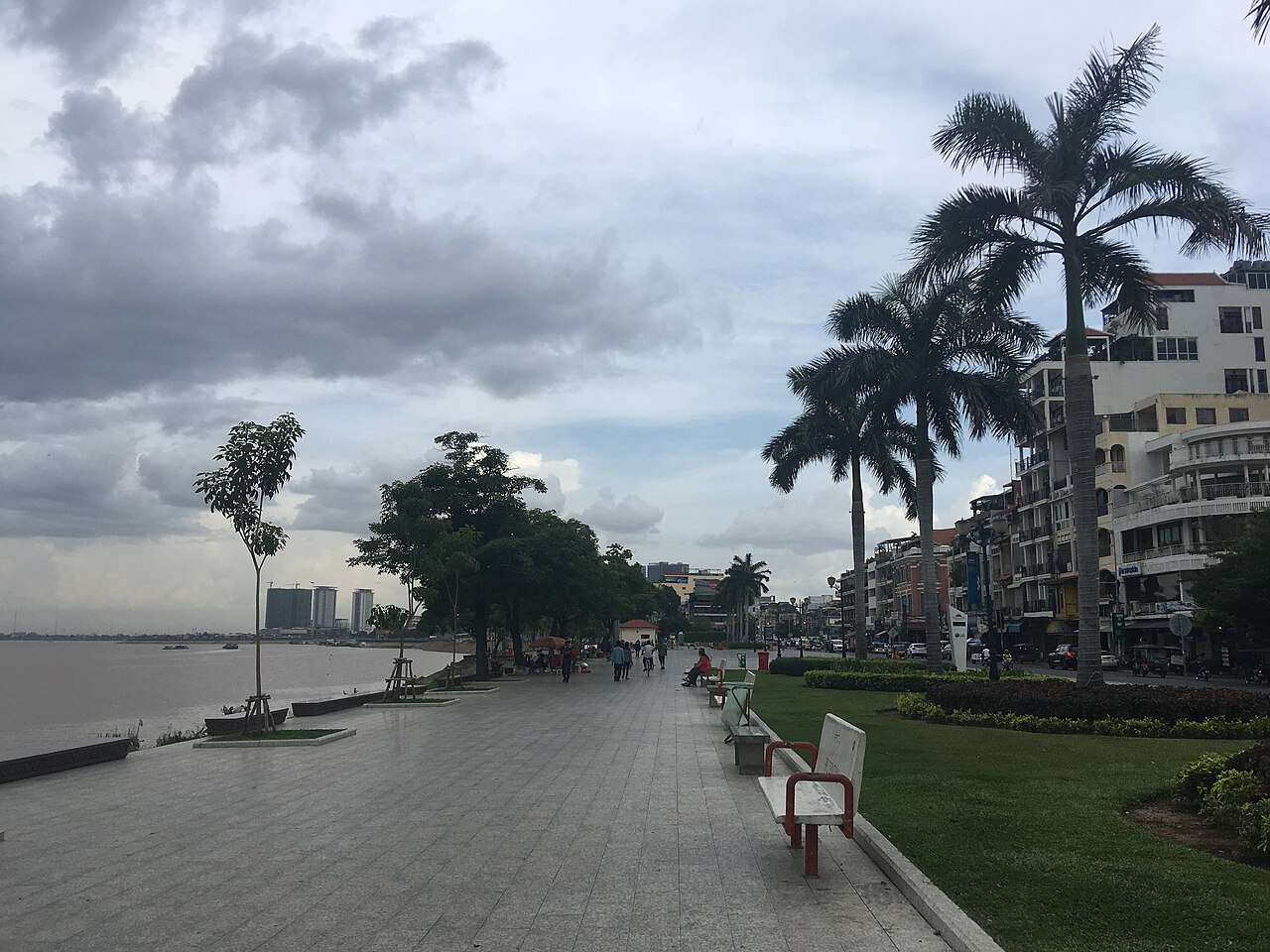
Riverside has convenience and variety, from Khmer restaurants to late-night snacks near the night market. It is useful for a short stay, but prices are often higher around the busiest visitor streets.
BKK1 is stronger for everyday eating and coffee, with neighborhood restaurants, bakeries, and modern Khmer kitchens mixed among international options. Around the Russian Market, Daun Penh, and other residential blocks, you will find simpler family restaurants and market stalls where local customers set the pace.
How to Explore Phnom Penh Through Food
Explore by area and appetite rather than by a fixed list of famous restaurants. Try one market breakfast, one neighborhood lunch, and one evening of street food, then leave room for a sit-down meal and a cafe.
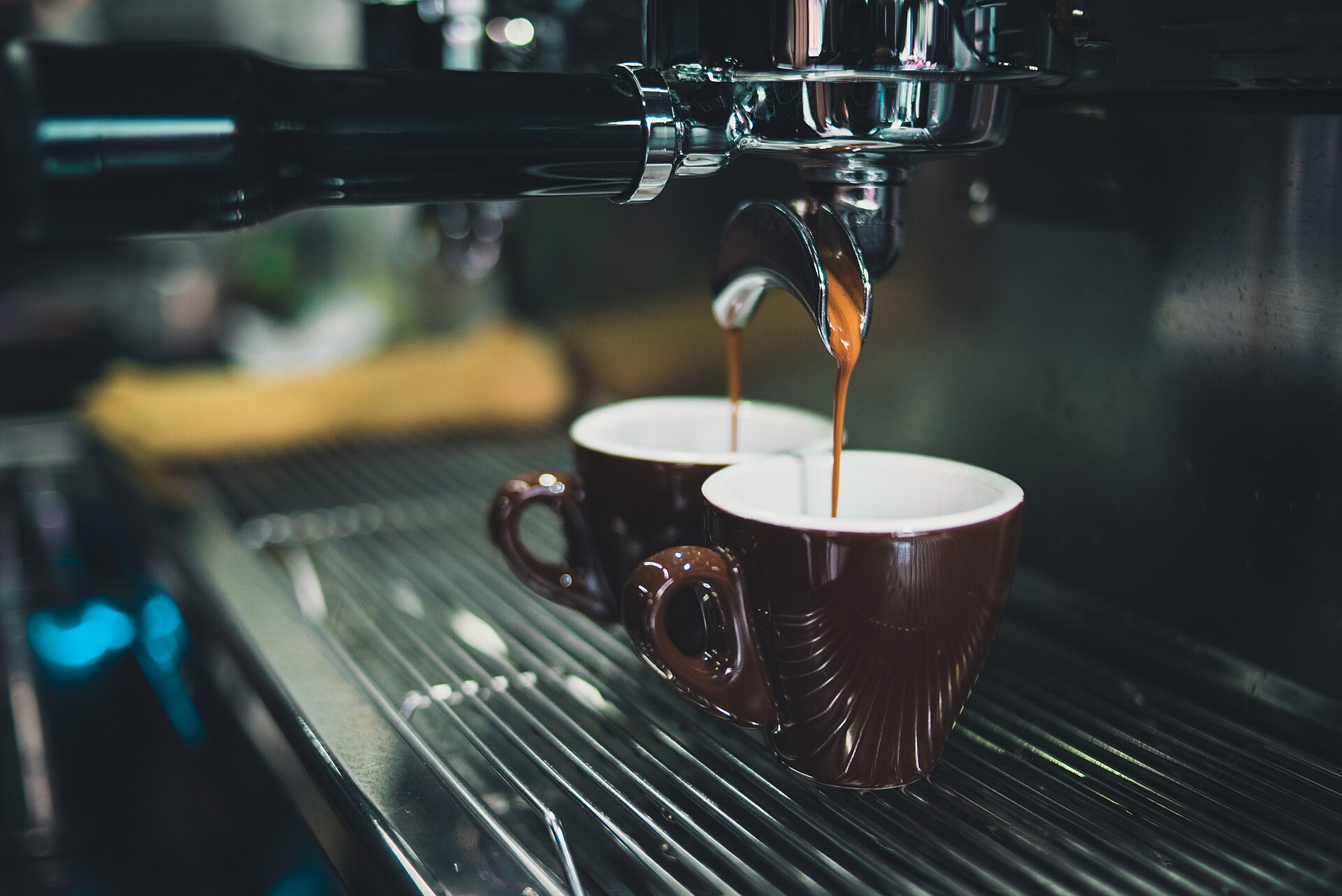
Phnom Penh's cafe culture adds another layer. You can start with strong local coffee and later find young chefs reworking Khmer classics with modern technique. The best eating strategy is to mix both worlds: local meals for depth, cafes and modern restaurants for comfort and context.