Phnom Penh rewards a slower approach. The heat, the traffic, and the emotional weight of its history all argue against a rushed schedule. A week is enough to see the city and still leave with energy.
How Does Phnom Penh Start the Morning?
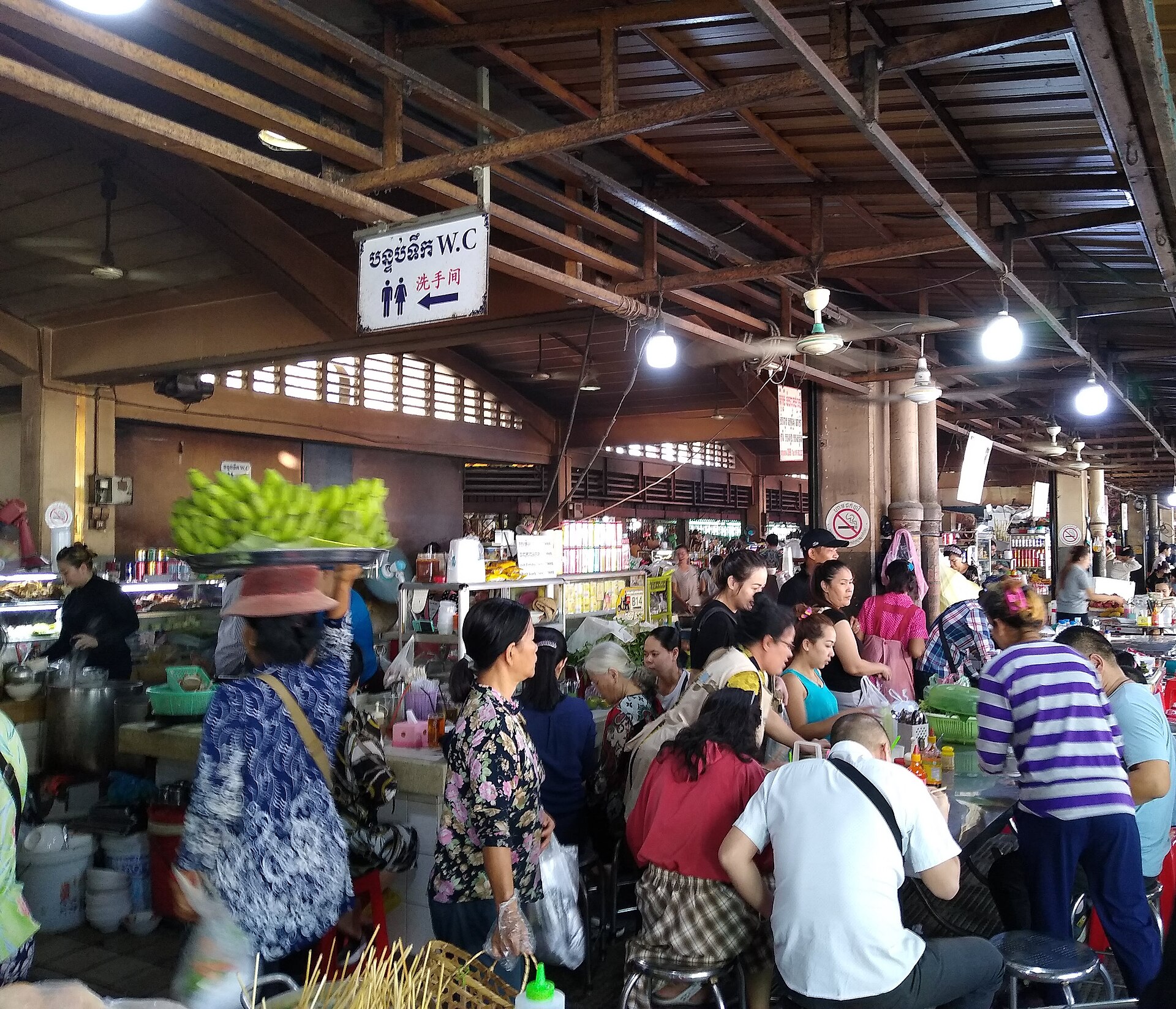
The city starts early, before the heat settles over the streets. Vendors are already arranging produce at the markets, coffee carts are busy, and people are walking or exercising along the riverfront. If you want to see the day begin, choose one simple destination rather than trying to cover the whole center.
Start with coffee and a light breakfast, then visit Wat Phnom or walk through a market while the light is still soft. The Royal Palace is also easier in the morning, but a slow week works best when each morning has one clear focus and enough time for a second cup afterward.
Where Can You Escape the Traffic and Noise?
The quietest parts of Phnom Penh are often just beyond the main roads. BKK1 has leafy side streets, small cafes, and courtyards where the noise fades quickly. Neighborhood markets, hotel gardens, and the calmer northern stretch of the riverside offer similar pauses.
Use a tuk-tuk to cross the busiest roads, then continue on foot once you reach a quieter block. Avoid moving across the city during the evening rush, and plan a long lunch or cafe break during the hottest part of the afternoon. Silence is not guaranteed, but pockets of calm are easy to find.
What Is Everyday Life Like Around the Riverside?
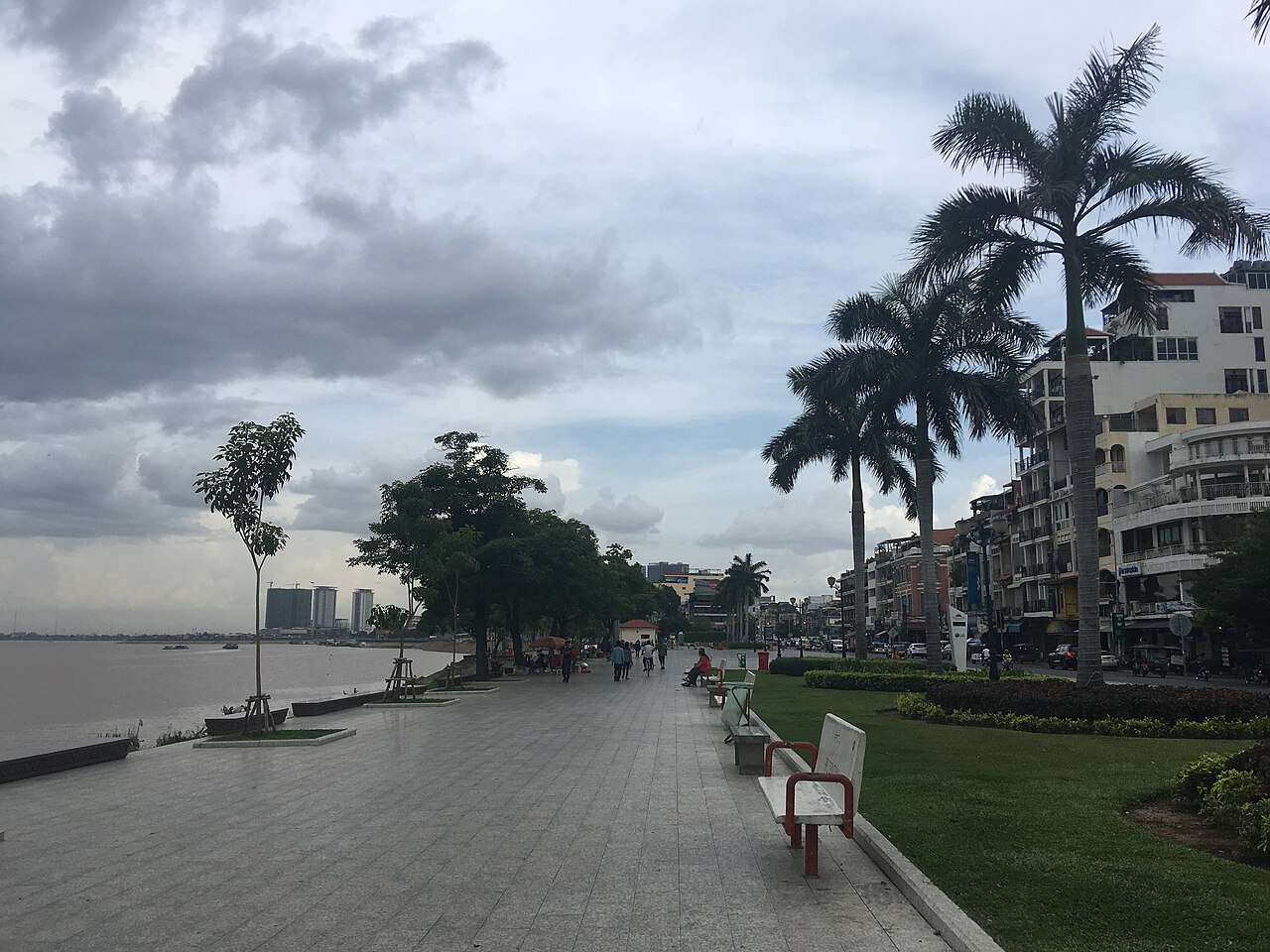
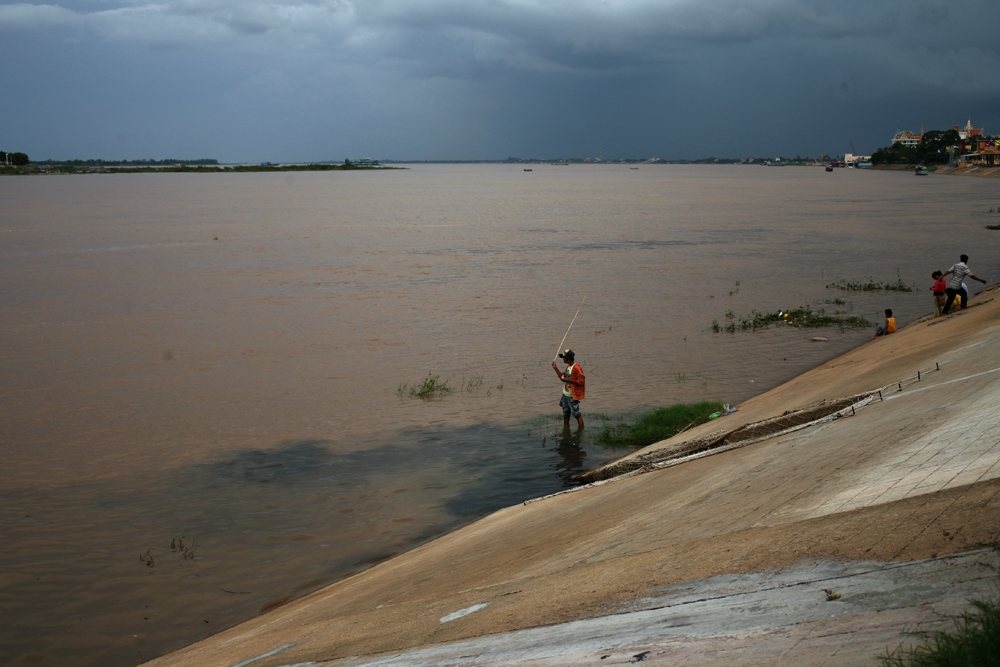
Riverside is more than a hotel and restaurant strip. In the early morning, residents exercise, monks walk, and families use the open promenade before work. Later, the same space fills with office workers, students, vendors, and visitors moving between the palace area and the night market.
Spend time there without treating it as a sightseeing stop. Sit on a bench, buy fruit or a cold drink, and watch how the riverfront changes through the day. The best experience comes from returning at different hours rather than trying to see everything in one visit.
Where Do Locals Spend Their Afternoons?
Many locals retreat from the strongest heat into cafes, shopping centers, offices, or long family lunches. Others run errands in the markets, meet friends over iced coffee, or take care of daily business before the city becomes lively again.
Join that rhythm by choosing a shaded cafe, browsing a neighborhood market, or taking a slow lunch rather than forcing another major attraction into the afternoon. If you are staying longer, this is also when the city begins to feel practical: laundry, groceries, gyms, and familiar coffee shops all become part of the routine.
How Does the City Feel After Dark?
After sunset, Phnom Penh becomes social. The riverside fills with walkers and food vendors, the night market comes alive, and families gather for dinner. Street food, simple restaurants, and the open promenade offer an easy introduction to the evening without a formal plan.
The city can also be noisy and busy, so choose the atmosphere you want. Stay near the river for an energetic evening, or return to BKK1 for a quieter dinner and an early night. Either way, leaving some evenings open is part of the pleasure of a slow week.
Could Phnom Penh Work for a Longer Stay?
Yes, especially if you value routine over constant sightseeing. A longer stay makes room for favorite cafes, repeated riverside walks, local meals, and short trips into the countryside. It also gives you time to slow down after the more difficult historical sites.
The key is to build a weekly rhythm rather than a daily checklist. Keep a few anchor activities, leave space for errands and rest, and save one day trip for when you want a change of scene. Phnom Penh is demanding in small doses, but it becomes rewarding when daily life is allowed to settle in.