To stay healthy during long-term travel in Southeast Asia, treat health as a weekly system rather than a reaction to getting sick. Use safe drinking water, manage heat, eat from reliable places, move daily, protect sleep, carry insurance, know nearby clinics, and plan medications before you run out. The region can be comfortable for long stays, but humidity, food changes, traffic, mosquitoes, pollution, and work stress require practical habits.
This guide is general travel wellness information, not medical advice. Before a long trip, speak with a qualified health professional about vaccines, prescriptions, medical conditions, and country-specific risks.
Why Staying Healthy Gets Harder During Long-Term Travel
Long-term travel is not the same as a two-week holiday. You keep changing cities, food, weather, activity levels, and sleep. Small gaps in water, rest, or meals add up.
The difference from a daily healthy routine is the movement itself: new housing, new food, travel fatigue, and the temptation to treat every week like a fresh start.
Build Simple Habits Instead of a Strict Routine
Good long-term health begins before departure. Check vaccines, prescriptions, dental needs, glasses or contacts, insurance, and copies of medical documents.
If you take regular medication, confirm how much you can carry, whether it is legal in each country, and how to store it in heat. Do not leave this for the final week. Then keep the habits small enough to survive a bus day, a new apartment, and a hot afternoon.
Pay Attention to Food and Drinking Water
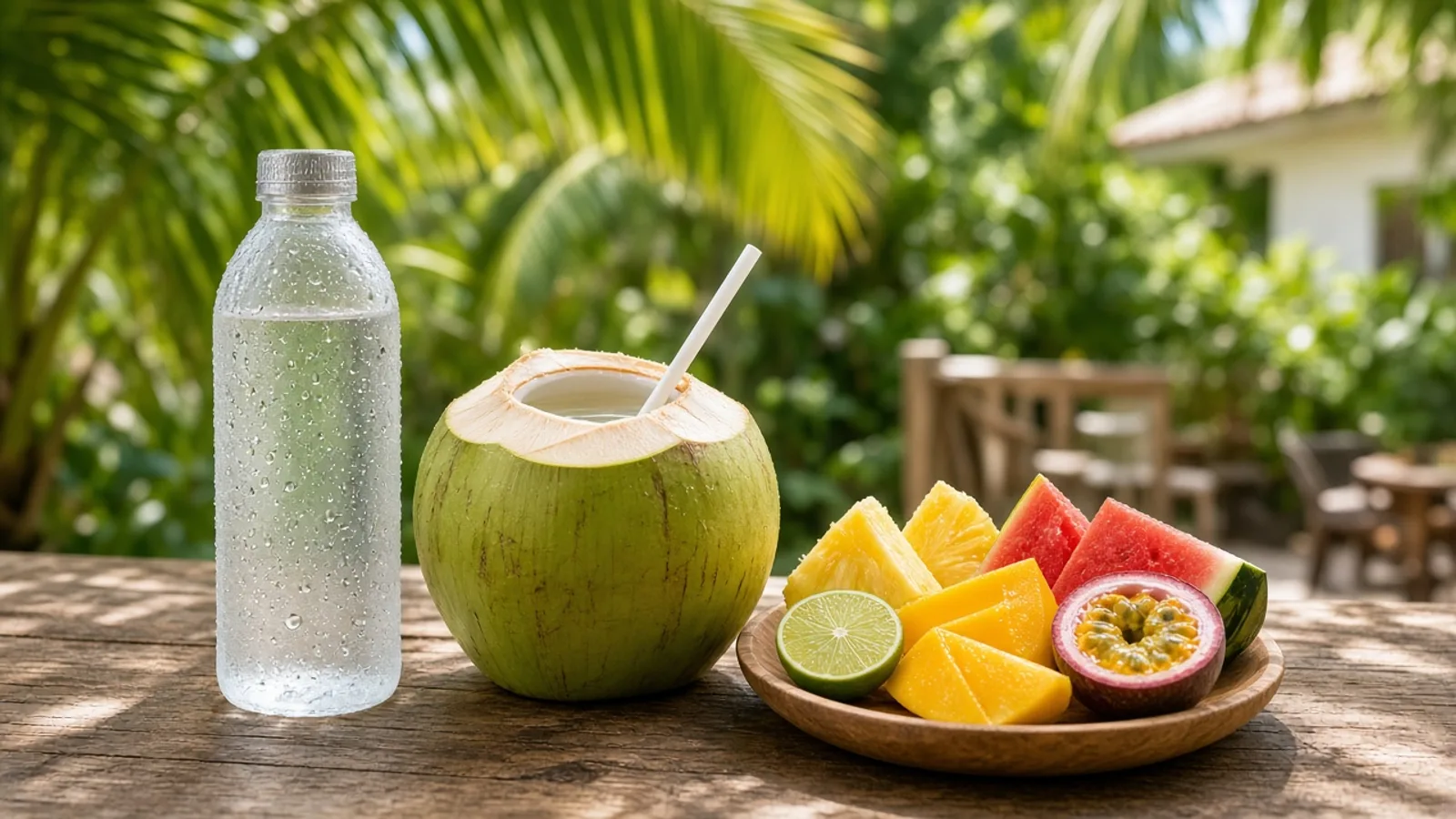
Water rules vary by country and building. Many long-term travelers use bottled, filtered, or boiled water, even in cities where locals may tolerate tap water better.
Keep drinking water available at home and near your workspace. Our detailed guide to staying hydrated in Southeast Asia covers electrolytes, coffee, alcohol, and travel days.
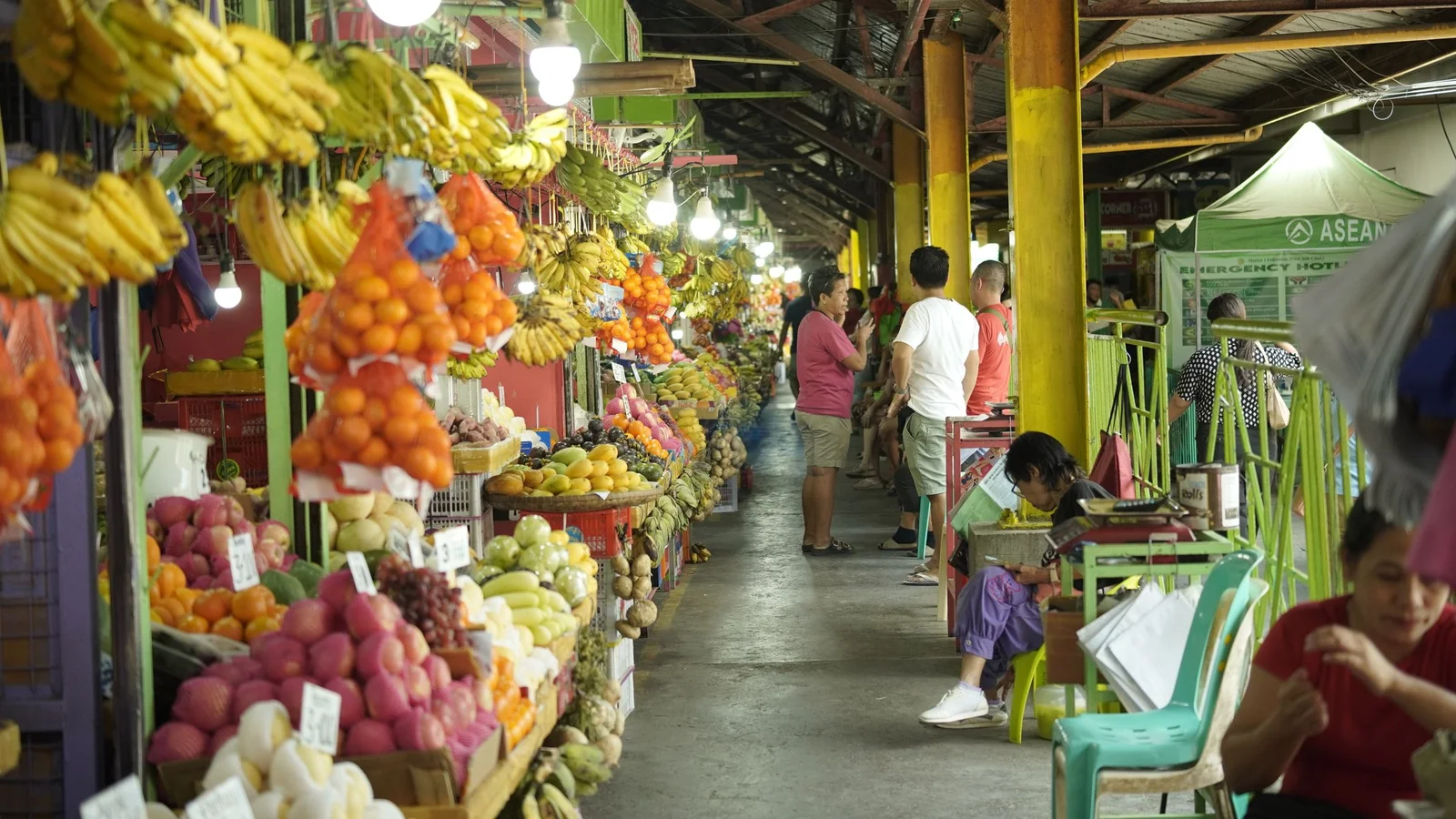
Street food is not automatically unsafe, and restaurants are not automatically safe. Look for high turnover, food cooked hot, clean handling, and places that feel well maintained. During the first few days in a new country, give your stomach time.
Stay Active as You Move Between Cities
Daily movement helps digestion, mood, sleep, and energy. But new travelers sometimes overdo walking in heat and then crash.
Start with manageable walks, light strength, mobility, swimming, or cycling where safe. Our guide to staying active without a gym gives a simple no-gym framework.
Get Enough Rest During Long Travel Periods
Sleep can suffer from heat, noise, time zones, late calls, and unfamiliar beds. Poor sleep weakens decision-making and recovery.
Choose housing with noise in mind. Use earplugs, an eye mask, and air conditioning or fan settings that support rest. If remote work calls push late, use the routine advice in our Southeast Asia time zone guide.
Take Care of Yourself in Hot and Humid Weather
Heat fatigue can look like laziness. It is not. Midday sun, humidity, and long walks can drain you quickly.
Plan outdoor activities early or late. Use shade, breathable clothing, sunscreen, hats, and rest breaks. If you feel dizzy, confused, faint, or unable to cool down, take it seriously and seek help.
Mosquito-borne illnesses exist in parts of Southeast Asia. Use repellent, cover skin when needed, choose rooms with screens or air conditioning, and ask a travel doctor about destination-specific prevention before long stays or rural trips.
Keep Basic Health Essentials With You
Carry the basics you actually use: any regular medication, copies of prescriptions, a small first-aid kit, electrolytes, and insect repellent.
Keep your insurance card, passport copy, allergy information, and medication list accessible offline. If you have a known condition, know how to access medication legally in the countries you visit.
Know Where to Get Help When You Need It
In each new base, save the nearest reputable clinic, hospital, pharmacy, and emergency number. Do it before you need them.
Large cities such as Bangkok, Kuala Lumpur, Singapore, and Ho Chi Minh City have strong private medical options, but costs and insurance handling vary. Travel insurance is strongly recommended for long stays.
When Should You Slow Down or Take a Break?
Long-term travel can make small tasks feel endless. Visas, housing, work, transport, language, and money decisions accumulate.
Schedule rest days and familiar routines. Stay longer when you feel scattered. Keep real contact with people who know you beyond your travel persona.
If mental health becomes difficult, our digital nomad mental health guide offers a support framework.
How to Make Healthy Travel Sustainable
The system is simple: safe water, reliable food, heat awareness, mosquito prevention, sleep, movement, insurance, and care contacts.
None of these habits need to be perfect. They need to be repeatable. Long-term travel is easier on the body when you stop treating health as emergency repair and start treating it as daily infrastructure.