My first months as a digital nomad were chaotic. I was working from wherever I happened to be, whenever I felt like it, with inconsistent results. It took months to figure out how to actually be productive while traveling. Here's what finally worked.
Why I Started Working Abroad
I didn't start remote work for the Instagram lifestyle. I started because the office environment was destroying my mental health. Long commutes, fluorescent lights, and meetings that could have been emails consumed my days.
When my company offered remote work, I took it. When I realized I could work from anywhere, I panicked slightly and then got excited.
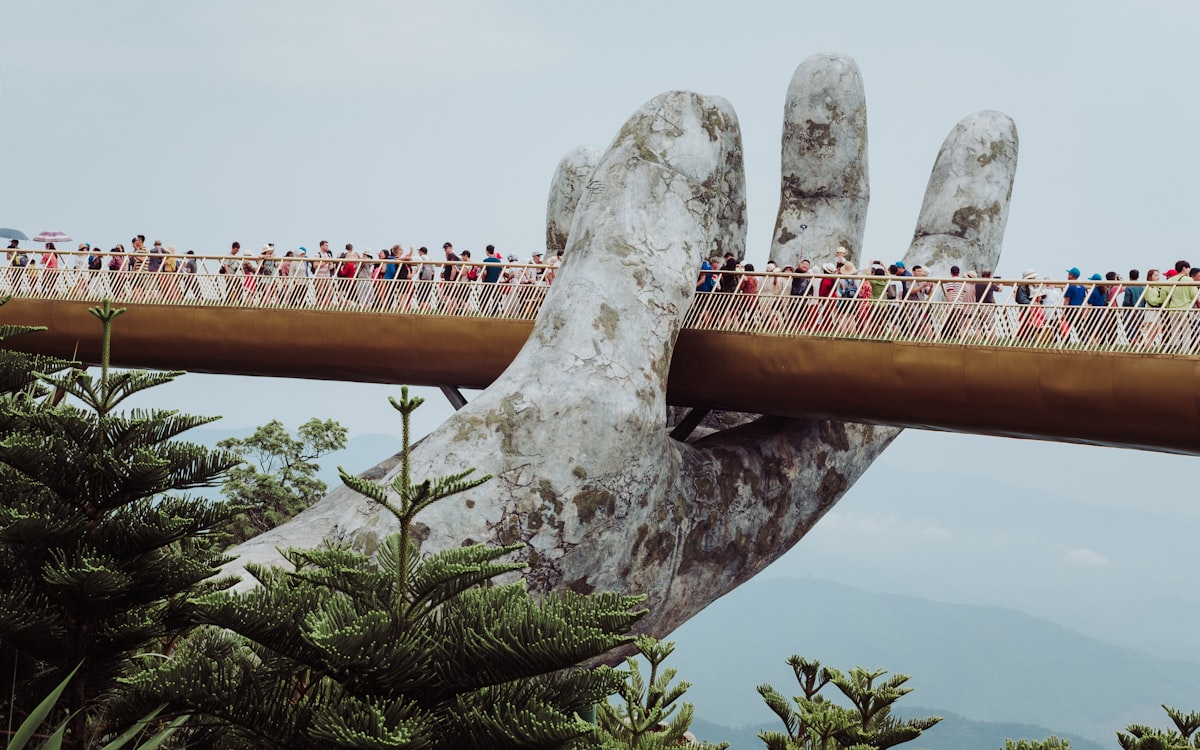
My first international month was in Chiang Mai. I thought "digital nomad" meant working from beaches and exotic locations. Reality was more complicated.
My Morning Workflow
The biggest change came from fixing my mornings. Before travel, I wasted hours on social media and news before starting work. This got worse in new environments where everything was interesting.
My current morning routine:
- Wake at 6:30 (earlier in tropical locations due to heat)
- Coffee and light breakfast at my accommodation
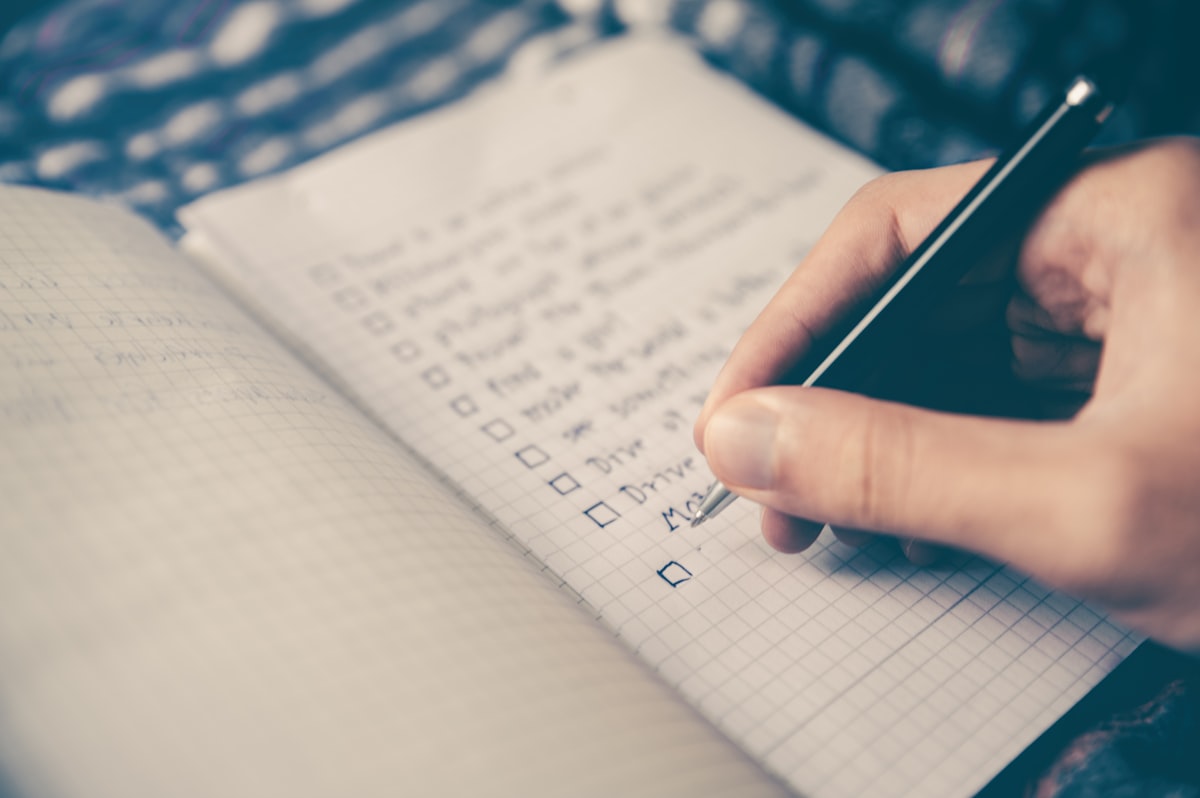
- Review the day's priorities for 15 minutes
- Start work by 8:30, no exceptions
Tools I Use Every Day
My toolkit evolved through trial and error:
Notion for all notes, tasks, and project management. The offline capability matters when wifi is unreliable.
Toggl for time tracking. Knowing where hours go is the first step to improving them.
Slack and Zoom for communication. Essential for remote work but easy to abuse. I set specific times for checking messages rather than constant monitoring.
1Password for password management across devices and locations.
NordVPN for secure connections on public wifi. Non-negotiable.
LanguageTool for writing. AI assistance without the ChatGPT overwhelm.
For hardware:
- MacBook Air (lightweight matters when traveling)
- Sony WH-1000XM4 headphones (excellent noise cancellation)
- Blue Yeti microphone (better than headset mics)
- Anker power bank (emergency power)
- Local SIM with data as backup to accommodation wifi
How I Stay Focused in Cafes
Cafe work requires different skills than office work. Here's what I've learned:
Arrive with a clear task. Don't go to a cafe to "figure out what to work on." Know exactly what you're doing for the next 2-3 hours.
Set a time limit. I know I can comfortably work 3-4 hours at a cafe before needing a break or change of scenery. Longer sessions lead to diminishing returns.
Use noise cancellation. Ambient cafe noise (espresso machines, conversations) disappears with good headphones playing focus music.
Order regularly. Buying one drink and staying 6 hours strains hospitality. Order something every 2 hours or pay for a coworking day pass.
Have an exit strategy. Know what you're doing after the cafe closes. This prevents lingering when you should move on.
Burnout While Traveling
Here's what nobody tells you: remote work burnout is different from office burnout.
Office burnout has clear symptoms and you can usually identify it. Travel burnout creeps up slowly. You stop exploring, stop caring about new places, and start treating beautiful locations as backdrops for work you could do anywhere.
I learned to recognize the signs: skipping morning walks, eating the same meals daily, not taking photos anymore, feeling neutral about everything.
The fix was intentional rest days. Not "work from the apartment" rest, but actual exploration without the laptop. The guilt faded when I realized these days made me more productive the following week.
What Actually Works for Me
After two years of trial and error:
Location consistency matters more than I expected. Staying 1-2 months in each place let me develop routines and find favorite spots. Constant moving is exciting but exhausting.
Morning priority work is non-negotiable. If I don't do important work before noon, it often doesn't happen that day.
Weekly reviews keep me honest. Every Sunday, I review what worked, what didn't, and what I'm optimizing for the coming week.
Social connection isn't optional. Remote work can be isolating. Coworking some days, coffee with other nomads, or just conversations with locals keeps me sane.
The dream of working from anywhere only becomes real when you build systems that work anywhere. That's the actual skill.