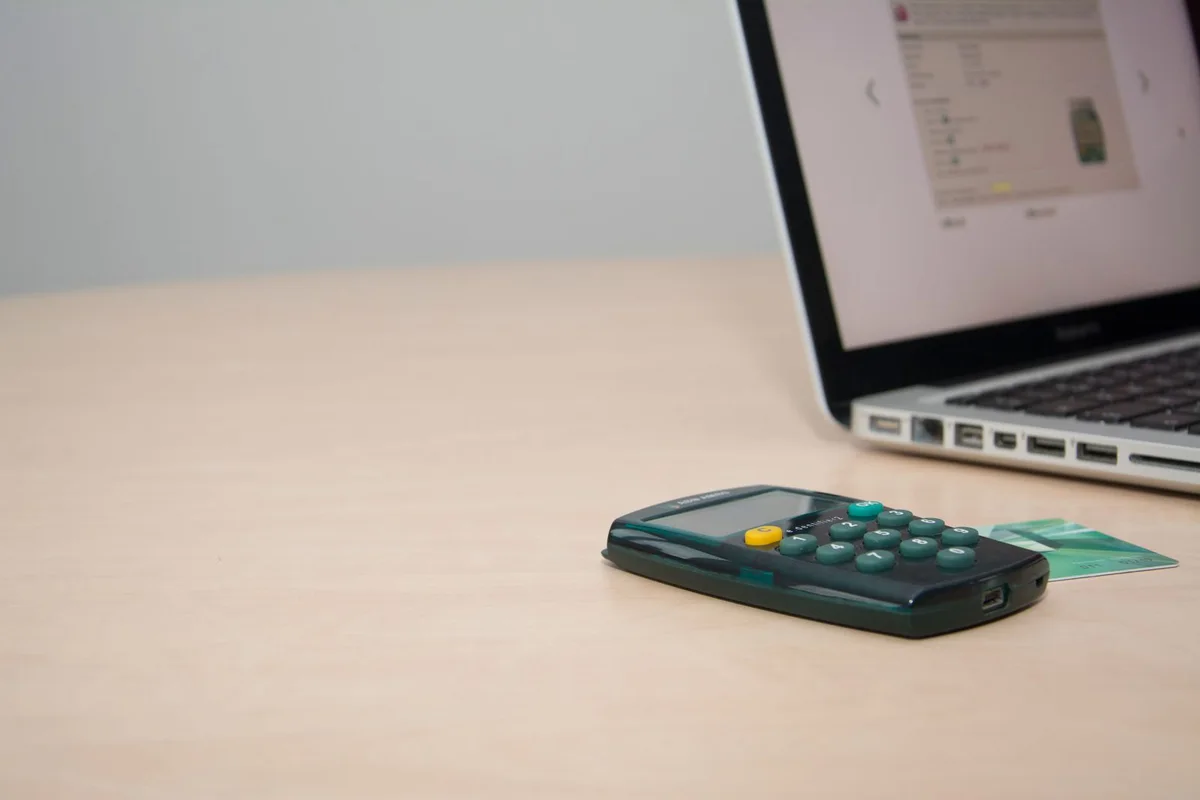

An emergency fund abroad is not the same as at home. You may face visa gaps, currency swings, and client payments that arrive late. I learned this after a scooter fall in Vietnam and a two-week client delay in the same quarter.
Why SEA nomads need different emergency funds
Currency instability risk: Thai baht, Vietnamese dong, and Indonesian rupiah move against USD and EUR. Holding only local cash can shrink your buffer without you spending anything.
Visa uncertainty: Extensions, border runs, and rule changes cost money and time. A fund covers flights to a backup country and unexpected agent fees — not just hospital bills.
Income fluctuation: Freelancers and founders have good months and bad months. A fund turns a slow quarter into a planning problem instead of a panic.
Medical deductibles, scooter incidents, and broken laptops cluster in the same bad months sometimes. The fund is for correlation risk, not single events.
Recommended fund size
3 months (budget traveler): Works if you earn steadily, have travel insurance, and can downshift spend fast. Think $2,500–$4,500 total buffer depending on base city — Da Nang on the low end, Bangkok higher.
6 months (stable nomad): Better default for most remote workers in SEA. Covers medical deductibles, one relocation, and a client paying 45 days late.
12 months (freelancer risk buffer): Sensible if income is project-based or you run a small agency. I aimed for twelve months when more than 40% of income came from two clients.
These are expense months, not income months. Calculate from rent, food, insurance, and visa — use our Da Nang budget or Bangkok cost guide as templates.
Example mid-range Bangkok month near $1,800 all-in implies roughly $5,400 for three months and $10,800 for six. Round up for flights home if family matters.
If your income is $4k/month but lumpy, six months of expenses beats six months of income. Expenses are what you must pay when clients ghost.
Where to store emergency funds
Wise account: Easy multi-currency holding, card access, and transfers. I keep USD and EUR buckets here for daily access.
Multi-currency accounts: Some nomads add a second provider for redundancy if one card freezes during fraud checks.
Offshore savings options: Higher balances sometimes move to brokerage cash or home-country savings with higher yield. Trade-off: slower access during a weekend emergency.
Do not treat crypto as an emergency fund. Volatility and transfer delays fail the definition of emergency.
Keep one card and one account pair you trust. If Wise freezes for KYC refresh, a second path prevents panic bookings.
Currency risk in SEA
USD vs local currency exposure: Holding rent money entirely in baht made sense for a six-month Bangkok lease. Holding your entire net worth in baht did not.
Inflation impact: Food and rent creep up in popular nomad cities. A fund denominated in a stable currency preserves buying power while you finish a slow work month.
Exchange rate volatility: Converting a big chunk during a bad FX day hurts. I convert monthly needs plus a small buffer, not the entire year at once.
Rebuild the fund after you use it. Pair this with Wise vs Revolut for where cash sits day to day, and health insurance so medical shocks do not drain the whole pile.
Start with one month saved before you fly long-term. Then add a month per quarter until you hit your target. Perfection is not required — direction is.
What counts as emergency: Hospital deductibles, last-minute flights for family issues, visa rule changes requiring relocation, laptop death, client non-payment bridging. Not flights to Full Moon parties.
Replenishment rule: When you dip below three months of expenses, pause discretionary travel until you rebuild one month. Boring rule. Works.
Couples: Shared fund in one currency with clear ownership docs if unmarried. Breakups without clarity cost more than rent disputes.
Scooter deposits and apartment deposits are not emergency fund uses — those are planned cash holds. Keep them separate in your spreadsheet.
Hold at least one month in an account you can access without waiting for stock sales. Liquidity is the point.
If income is project-based, size toward twelve months. If employed remotely with stable salary, six months may be enough after insurance is sorted.
Review fund size when you move from Da Nang to Bangkok — Bangkok mid-range costs can be $300–500 higher monthly.
Inflation in popular nomad cities raises rent quietly. Your fund should be denominated in stable currency and reviewed twice a year, not set once in 2024 and forgotten.
If you withdraw for a real emergency, log the date and rebuild plan the same week. Momentum matters more than guilt.
Two weeks of slow client payments is not an emergency if you still have runway — it is a cash flow warning. Treat warnings early.