A snorkeling trip around Koh Rong can be a highlight of an island stay, but the experience depends heavily on the sea. Visibility, swell, wind and the condition of the reef change from day to day. A boat that visits three beautiful spots on one morning may visit the same places in murky water the next. Understanding that variability is the first step toward choosing a good trip and judging it fairly.
The best operators start with conditions rather than a fixed sales pitch. They may change the route, shorten the tour or cancel when the water is unsafe. Treat that flexibility as a positive sign. A cheap trip that insists on a schedule in rough seas is not a bargain.
What a Typical Trip Includes
Most tours leave from Koh Touch or another accessible beach and visit one or more snorkeling spots, often with a beach stop and lunch. Group size varies from a few passengers on a longtail boat to a larger vessel with dozens of people. The price may include equipment, water, fruit, a meal and pickup, or only transport.
Ask exactly what is included before paying. Confirm the number of snorkeling stops, approximate time in the water, food and drinks, mask and fin quality and whether life jackets are available in your size. A tour that promises many locations may spend most of its time traveling. Two or three stops can be plenty.
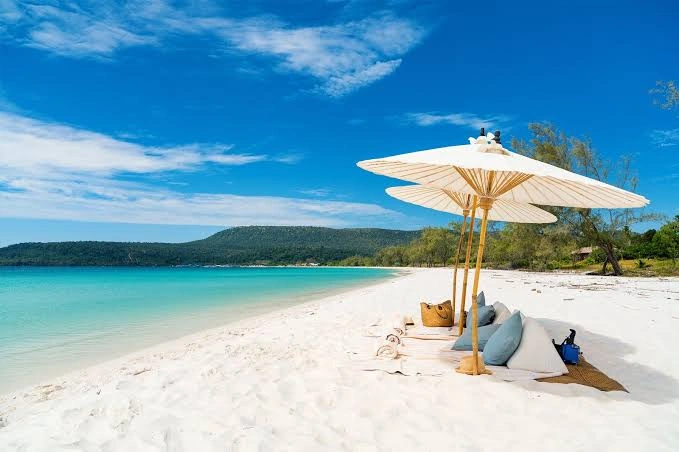
The best quiet beaches guide is useful if you want to understand how the island's bays connect. The Long Set Beach guide explains one popular area and how boat transfers work. Keep your plans flexible enough to change if the weather turns.
Choosing a Responsible Operator
Look for a boat that limits its passenger count, provides a safety briefing and avoids anchoring directly on coral. Staff should explain where you can swim, what you might see and how to behave around marine life. A responsible tour will not encourage visitors to stand on reefs, feed fish or collect shells.
Ask what happens in bad weather. Is there a refund, a rescheduled trip or a safe alternative? Is drinking water available? Are life jackets checked before departure? Is the boat equipped with basic first aid? These questions are more useful than comparing a flashy social media video.
If you are not a confident swimmer, say so before boarding. Some tours offer extra flotation or stay closer to shore, while others are not suitable for beginners. Do not join a deep-water trip simply because friends are going. Snorkeling is much more enjoyable when you feel secure.
Sea Conditions and Timing
Calm mornings are often better for visibility and comfort, but conditions vary by season and location. Wind can create chop even when the sky is blue. Rain may reduce visibility or make the ride unpleasant. Ask locally on the day of the trip rather than booking solely from a weekly forecast.
The green season can bring larger swell, stronger currents and fewer departures. Dry season is generally more predictable, though popular spots become busier. Early departure can help you reach a site before the largest groups, but it also means an early start and a cooler boat ride.
If you are prone to motion sickness, take precautions before boarding and choose a route that stays closer to shore. Sitting near the center of the boat may reduce movement. A long ride to a distant island is not the best first snorkeling experience.
Equipment and Comfort
Test your mask before leaving the dock. It should seal without requiring constant pressure from your hand. Fins that are too large can cause cramps, while a leaking mask ruins the trip quickly. If the operator's equipment looks damaged, ask for another set or consider bringing your own mask.
Rash guards protect against sun and minor scrapes. Reef-safe sunscreen is preferable, but covering up is even more reliable. Bring a dry bag, a towel and a light layer for the return ride. Do not wear jewelry that can fall into the water, and secure glasses or a camera strap.
Drink water during the trip. Salt, sun and motion can dehydrate you faster than expected. Eat something light before departure, but avoid a heavy meal if you are sensitive to boat movement. If you feel unwell, tell the crew rather than trying to push through.
Responsible Snorkeling
Float without touching the reef. Coral is alive and can be damaged by a hand, fin or standing body. Keep a horizontal position, leave space between yourself and the bottom and follow the guide's route. Do not chase turtles, fish or other wildlife.
Do not feed fish or handle marine animals. Avoid stirring up sand, which reduces visibility and can smother coral. If you cannot swim comfortably in deep water, stay in the shallow area with a guide or use a life jacket. There is no shame in choosing the safer option.
The bioluminescent bay guide describes a different nighttime experience that also depends on conditions and careful operation. Night trips require extra planning and should not be combined with drinking or a rushed schedule.
Costs and Group Size
Prices vary by route, boat type and season. A private longtail charter costs more than a shared group tour but gives you control over timing and stops. For a small group, a private boat may be worthwhile. For a solo traveler, a shared trip is usually more affordable, provided the operator is safe and the group size is manageable.
Cash remains important on the island. Bring enough for the tour, drinks and any unexpected transfer. Do not assume that a card will work at a beach counter. Keep valuables in a dry bag or leave them at your accommodation if the property has secure storage.
Reef Etiquette in Detail
Reefs around Koh Rong are shallow, slow-growing and easily damaged, so a few habits make a real difference. Keep your body horizontal in the water and your fins away from the coral. Even a light touch can kill the polyps beneath the surface film, and standing on coral to steady yourself does damage that takes years to repair.
Do not feed fish, and resist the urge to pick anything up. Starfish, sea cucumbers and shells look like souvenirs to a visitor and like habitat destruction to everything else in the bay. Take photographs and leave the reef as you found it. Stay off the bottom in sandy channels too, since stirred-up sediment smothers coral nearby. If you are a beginner, ask the operator to keep you in deeper water with a buoyancy aid rather than letting you drift over the shallow shelf. Small choices matter more than any single rule, and experienced guides will point them out.
Seasickness and Comfort
Boat motion is the most common reason a snorkeling day goes badly. If you are prone to seasickness, take medication before boarding rather than after symptoms start, and choose a larger, steadier boat over a fast small one. Sitting toward the middle of the vessel, looking at the horizon and staying in fresh air all help.
Eat something light an hour or two before departure. An empty stomach makes nausea worse, and a heavy meal is not much better. Water and a few snacks on board cover the gap, but avoid alcohol the night before. For comfort in the water, wear a rash shirt. It protects against sun and stings, and it reduces the amount of sunscreen you need to apply, which matters because sunscreen residue damages the reef. Check your mask seals before you leave the boat, keep your hair out of the way and take breaks on board whenever you feel tired.
After the Trip
Rinse your equipment and yourself with fresh water when possible. Check for cuts, stings or irritation and treat them promptly. Rest during the afternoon rather than scheduling another strenuous activity. The sun and motion can leave you more tired than expected.
Use the Koh Rong travel guide to plan the rest of your stay and the snorkeling route guide only as a starting point for current local advice. The best trip is not the one with the longest itinerary. It is the one that matches the sea conditions, your swimming ability and the operator's respect for the reef.